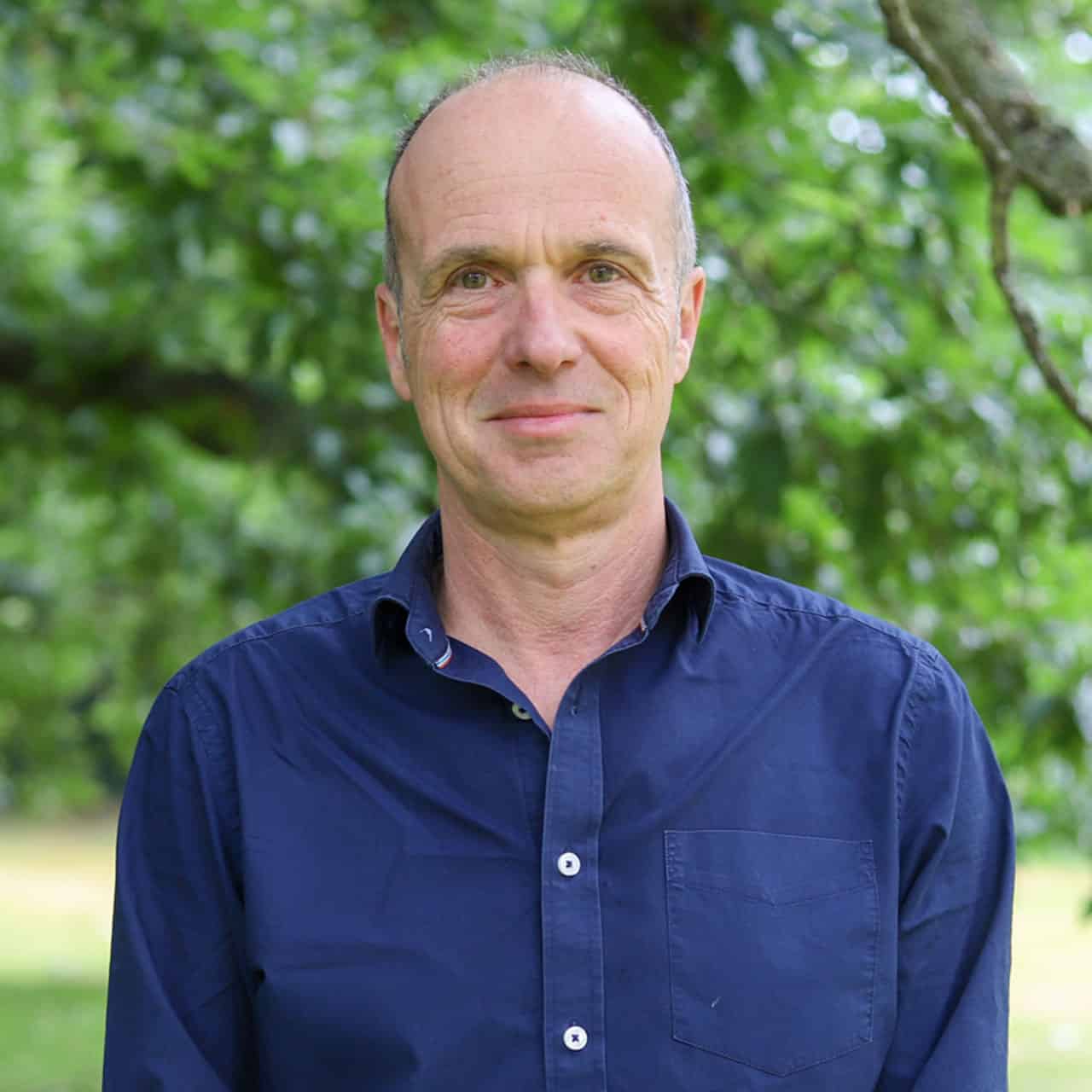
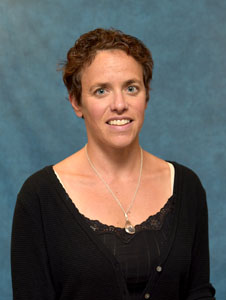
Evelyne Selberherr is Assistant Professor specializing in microbiome research at the University of Veterinary Medicine Vienna. Her work applies 'One Health' principles to food systems, investigating microbial flows from farm-to-fork using metagenomics and bioinformatics. Projects include MASTER (microbiome product development) and MICRO-TRAMPER (student-led sequencing in food production). Research examines microbial interactions in dairy/meat processing, antimicrobial resistance, and rumen ecology. She teaches microbial ecology and bioinformatics while recruiting PhD candidates with microbiology backgrounds.
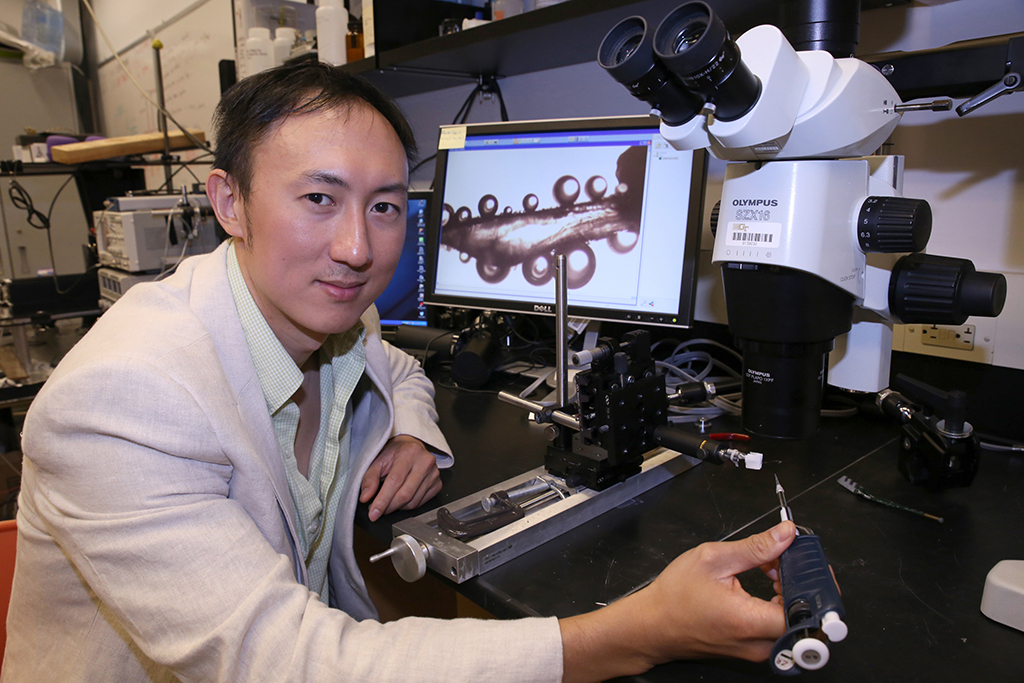
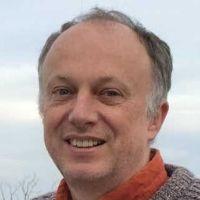
Dr. Chih-Sheng Jason Chiang is an Assistant Clinical Professor in the Department of Radiological Sciences at the David Geffen School of Medicine, University of California Los Angeles (UCLA). His work bridges biomedical engineering and clinical medicine, focusing on translational research that directly impacts patient care in interventional oncology. Dr. Chiang's educational background includes: Residency in Interventional Radiology from UCLA (2022) MD in Medicine from University of Wisconsin (2016) PhD in Biomedical Engineering from University of Wisconsin (2014) BS in Biomedical Engineering from Johns Hopkins University (2007) Dr. Chiang's research focuses on interventional oncology , particularly using minimally-invasive image-guided techniques to treat solid tumors. His lab employs a three-pronged approach: 1) Computer simulation of medical devices and biological environments; 2) Validation using phantom, ex-vivo, and in-vivo models; 3) Optimization of devices and techniques for clinical implementation. His work spans thermal ablation , immunotherapy , numerical simulation , and medical device development , with a special focus on hepatocellular carcinoma treatment. Analysis of Dr. Chiang's recent publications reveals a strong focus on hepatocellular carcinoma treatment using image-guided ablation techniques combined with immunotherapy. His research increasingly integrates artificial intelligence for treatment prediction and combines thermal ablation with NK cell-based immunotherapy to overcome treatment resistance. Much of his work utilizes porcine models to validate techniques before clinical translation. Dr. Chiang has received several notable awards: Phillips/RSNA Fellow Research Grant from UCLA (2020) Magna Cum Laude Educational Exhibit Award at the RSNA Annual Meeting (2017) RSNA Trainee Research Prize from University of Wisconsin-Madison (2011) Fulbright Grant from Tieraerztliche Hochschule Hannover, Germany (2007) Dr. Chiang mentors several students and researchers in his lab, including medical students, PhD candidates, and undergraduate researchers. His lab has recently graduated Justin Lee (MD, PhD), Cathy Chen (PhD), Aravinth Ruppa (BS), and Hannah Mirmohammadi (BS). His research is supported by multiple grants including an NIH R21 grant for "Light-Activated SIte-Specific Conjugation," a UCLA OPSCD Bridge Grant, and an RSNA Research Scholar grant for "Augmenting Microwave Ablation with Supercharged NK cells." The Chiang Lab is a multi-disciplinary group that collaborates extensively with the UCLA School of Engineering and School of Medicine. They leverage engineering principles to solve clinical problems in interventional oncology, with a particular focus on improving thermal ablation outcomes for liver cancer patients. The lab recently established an Oncopig liver tumor model to better study cancer therapies.
Professor Hugh Dunkerley holds the position of Professor of Literature and Environment at the University of Chichester, where he leads the MA in Creative Writing and teaches undergraduate modules. His research focuses on ecocriticism, contemporary poetry, and the integration of environmental themes into creative writing pedagogy. He has published extensively across poetry collections like Kin (2019) and Hare (2010), as well as critical works analyzing figures such as Ted Hughes and Don McKay. His work bridges literary analysis with environmental advocacy, emphasizing the role of poetry in addressing ecological crises. Education: Holds a Doctoral thesis titled Poetry as via negativa: a creative enquiry from the University of Southampton and University of Chichester (2008). His creative writing background includes residencies and fellowships, including the Leighton Fellowship at Banff Centre for the Arts (Canada). Key achievements include winning the 2016 INSPIRE/ASLE UKI Literature and Sustainability Public Lecture Competition and multiple Arts Council Awards. He is a frequent speaker at literary festivals such as the Hay International Festival and Bradford Literature Festival. His teaching philosophy integrates sustainability principles into curricula, encouraging students to explore environmental, social, and economic dimensions through creative practice. Grants and recognitions include £6300 from the Arts Council (2015), £4000 (2009), and £3000 (2002). His creative work appears in journals like The London Magazine and Irish Pages , alongside reviews for Envoi and The Clearing . He collaborates with interdisciplinary teams on projects linking literature with environmental science.
David Hu is a Professor of Mechanical Engineering and Biology at the Georgia Institute of Technology. He received his SB (2001) and PhD (2006) in Mechanical Engineering from MIT. His research focuses on fluid mechanics and biomechanics, particularly studying how insects and animals interact with their physical environments, such as survival mechanisms in rainstorms and the physics of animal shaking behavior. He has developed interdisciplinary educational tools like BLOSSOMS modules to teach high school students about fluid dynamics through real-world biological examples. His recent work includes studies on mosquito rain survival, dog shake mechanics, and applications of optical coherence tomography (OCT) in medical diagnostics. Education: SB and PhD in Mechanical Engineering from MIT. His research spans fluid dynamics, biological systems, and medical imaging technologies. He collaborates across disciplines to bridge engineering principles with biological phenomena, with a focus on translating findings into practical technologies and educational resources. Research interests include fluid-structure interactions in nature, biomimetic robotics, and advanced imaging techniques for clinical applications. His work on animal behavior has been featured in media like Good Morning America and the New York Times. He emphasizes scale effects in engineering and biology, using principles from both fields to solve complex problems.
Dr. Richard Ansorge is a Retired Senior Lecturer at the University of Cambridge and Fellow of Fitzwilliam College. He specializes in interdisciplinary research at the intersection of physics and life sciences, particularly in medical imaging technologies. His work focuses on advanced imaging modalities such as MRI/PET integration, dose calculation algorithms for proton therapy, and high-performance computing applications in medical imaging. Ansorge’s research interests include the physics of life, computational methods for medical imaging, and the development of novel imaging systems. He has contributed to advancements in PET/MRI co-registration, GPU-accelerated image processing, and radiation therapy optimization. His academic career has involved pioneering work in MRI signal theory, attenuation correction techniques, and small-animal imaging systems. Notable research trends in his publications emphasize the fusion of medical imaging modalities (e.g., PET/MRI), optimization of radiation delivery systems, and leveraging parallel computing (CUDA/GPU) for real-time medical applications. His work bridges fundamental physics principles with practical biomedical engineering solutions. Awards: No scientific awards explicitly mentioned in the provided texts. However, his contributions to medical imaging and particle therapy reflect significant impact in the field. Advising and grants: No specific student advisees or grant details provided. His research has likely been supported by institutional funding and collaborative projects at Cavendish Laboratory. Labs/Teams: Affiliated with the Cavendish Laboratory at the University of Cambridge, focusing on interdisciplinary physics and life sciences research.
Jane Hunter is an Honorary Professor in the School of Electrical Engineering and Computer Science at the University of Queensland. Her research focuses on semantic web technologies, data integration, and eScience, with significant contributions to ontology development, digital libraries, and environmental informatics. She leads projects such as OzTrack for animal tracking data and the 3D Water Atlas for groundwater visualization. Her work emphasizes interdisciplinary collaboration, leveraging semantic web principles to enhance data interoperability and decision-making in fields ranging from environmental science to healthcare. Her research interests include semantic annotation systems for cultural heritage, citizen science data management, and evidence-based policy frameworks using global indicators. Notable contributions include developing the Open Annotation Collaboration model and pioneering tools like MatSeek for materials scientists. She has collaborated internationally on initiatives such as the Health-e-Waterways project and the SKELETOME skeletal dysplasia knowledge platform. Jane has authored over 150 publications across journals like Hydrogeology Journal , Journal of Biomedical Informatics , and Ecological Informatics , reflecting her expertise in applying computational methods to complex scientific challenges. Her work bridges technical innovation with societal impact, addressing issues from biodiversity tracking to urban sustainability.
Craig Good is an Assistant Professor in the Animation Program at California College of the Arts (CCA). With over 30 years of experience at Pixar, he specialized in virtual camera operation and contributed to films like Toy Story and Cars . He has written screenplays, co-directed shorts, and provided voices for Pixar productions. Now, he teaches Visual Storytelling at CCA, produces audiobooks, and focuses on audio restoration, editing, and podcasting. His recent book, Relax and Enjoy Your Food , critiques health misinformation, marking a departure from his film-focused work. Education: While formal academic credentials are not explicitly stated, his career spans decades in film and animation industries. Research Interests: Visual storytelling, audio engineering, cinematic techniques, and health literacy. Professional Roles: Faculty member at CCA, audiobook narrator, voice actor, and podcast producer. His work bridges creative and technical domains, emphasizing visual narrative, sound design, and critical thinking in media. He maintains an active blog discussing film analysis, teaching, and culinary science, and has contributed to projects like Earbud Theater and Kadenze's Cinematic Storytelling MOOC. Awards: None explicitly listed in the provided texts. Grants and Collaborations: His projects include sound design for Earbud Theater episodes and collaborations with platforms like Kadenze. He also advises on cinematic and audio production techniques through workshops and courses. Labs and Teams: Maintains a home studio for audio production and editing, emphasizing technical innovation in sound and visual storytelling.
Christine Richard is an adjunct professor at California College of the Arts (CCA), specializing in Classical 2D Animation. She teaches introductory courses on the illusion of movement and character design, emphasizing foundational animation principles like the line of action and solid drawing. Her focus is on empowering students to develop confidence in their art styles through simplified techniques. Christine graduated from Sheridan College's Classical 2D Animation program in Toronto, Canada, where she earned two Outstanding Student Awards. Prior to CCA, she taught art workshops and sold artwork at fairs. She maintains an active YouTube channel, offering tutorials on animation and character design. Education: Bachelor's in Classical 2D Animation, Sheridan College, Toronto, Canada Her research interests revolve around pedagogical approaches to animation education, blending technical skills with creative expression. Her YouTube tutorials highlight practical techniques for aspiring animators, focusing on clarity and accessibility. Awards: Two Outstanding Student Awards (Sheridan College) Christine has no listed advisees or formal grants, but her professional engagement includes community art workshops and online educational content creation.
Meghan Barrett is an Assistant Professor in the Department of Biology at Indiana University and Founding Director of the Insect Welfare Research Society (2023). Her interdisciplinary work bridges neuroscience, physiology, and welfare science to address critical questions about insect experiences and ethical management practices. Her educational background includes: PhD in Biological Sciences, Drexel University (March 2022) MS in Teaching, Learning, and Curriculum, Drexel University (March 2022) BS in Biological Sciences (summa cum laude), second major in English/Creative Writing, honors minor, State University of New York at Geneseo (May 2016) Dr. Barrett's research centers on insect welfare concerns in farmed insects (black soldier flies, mealworms, crickets) and neuroethological responses to cognitive demands. She investigates whether insects can feel pain, how nervous systems adapt to allometric constraints, and sensory responses to noxious stimuli through collaborations with philosophers, welfare scientists, and industry professionals. Her work establishes evidence-based frameworks for ethical insect management where trillions are farmed annually for food, feed, and industrial applications. Recent publications demonstrate critical re-evaluation of foundational literature on insect pain and systematic analysis of current ethical practices in entomology. This research trajectory positions insect welfare as an emerging interdisciplinary field requiring neuroscience, behavioral ecology, and ethical philosophy integration to develop practical welfare assessment tools. The Barrett Lab operates under "Boldly empirical, radically compassionate" principles, translating neurophysiological findings into actionable welfare standards for insect farmers and researchers. Their work addresses the urgent need for science-based policies in an industry managing trillions of insect livestock globally, focusing on improving positive states and reducing negative experiences through physiological and behavioral insights.
Eric Hamerman, Ph.D., is a Professor and Chair of the Marketing Department at the LaPenta School of Business, Iona University. He also serves as the Marketing Internship Coordinator. His expertise lies in consumer behavior, with a focus on disgust sensitivity, volunteerism, and sustainable consumption. Dr. Hamerman holds a Ph.D. from Columbia University and an MBA in Marketing from the University of North Carolina–Chapel Hill. His research spans topics such as entomophagy (insect-based foods), food waste reduction strategies, and the role of generative AI in education. He has published widely in journals like Journal of Consumer Research and Personality & Social Psychology Bulletin . Notable contributions include examining the psychological underpinnings of consumer decisions related to kosher foods, food cleanliness perceptions, and the implementation of campus food pantries. Dr. Hamerman teaches courses such as Sustainable Marketing, Marketing Communications, and Principles of Marketing, emphasizing practical applications and ethical considerations. His work bridges academic research with real-world challenges, particularly in sustainability and social responsibility. While no formal grants or awards are listed, his publications reflect consistent engagement with timely issues in consumer behavior and marketing strategy.
Franziska Sandmeier is an Associate Professor in the Biology Department at Colorado State University - Pueblo. Her research focuses on ecological immunology, disease dynamics, and conservation of reptiles, particularly the Mojave desert tortoise ( Gopherus agassizii ). She examines how environmental factors (seasonality, temperature, habitat) and biological traits (metabolism, phylogeny) influence host-pathogen interactions in ectothermic species. Her work bridges immunology and conservation biology, emphasizing the need for practical conservation strategies informed by ecoimmunological principles. Dr. Sandmeier’s research integrates field studies, lab experiments, and genomic analyses. Current projects include studying immunological memory in captive tortoises, thermal dependence of immune functions, and microbial diversity in reptiles. She has advised multiple graduate students, including Ellen Norton (ornate box turtle habitat use), Mariah Painter (thermally-dependent phagocytosis), and Kiara Olson (immunological priming mechanisms). Past students have explored pathogens like Mycoplasma agassizii and Pasteurella testudinis in wild tortoise populations. Her teaching spans zoology, herpetology, ecological immunology, and conservation policy. She emphasizes student engagement, often involving undergraduates in fieldwork and lab research. Dr. Sandmeier’s lab collaborates with institutions like the University of Nevada, Reno and the Mojave National Preserve, contributing to wildlife disease surveillance and conservation efforts.
Christopher Rose is a Professor in the Biology Department at James Madison University (JMU) since 1997. He holds a Ph.D. in Organismal and Evolutionary Biology from Harvard University (1993), an MS in Marine Ecology from the University of Victoria (1987), and a BS in Biology and Geology from McMaster University (1984). His research focuses on amphibian morphology, particularly the developmental and evolutionary mechanisms underlying skeletal, pulmonary, and limb adaptations during metamorphosis. He investigates how cell properties, hormones, and behaviors influence organ growth in amphibians transitioning from aquatic to terrestrial life. Additionally, he explores innovative ways to integrate popular culture and movies into biology education to enhance public understanding of scientific concepts. His publications highlight interdisciplinary research at the intersection of developmental biology and pedagogy, including studies on thyroid hormone effects on cartilage remodeling, bio-inspired design methodologies in engineering education, and amphibian skeletal plasticity. Courses taught include Animal Development, Comparative Vertebrate Anatomy, and Biology in the Movies. Dr. Rose collaborates with students and colleagues on projects addressing metamorphic physiology, bio-inspired design frameworks, and science communication strategies. His work bridges basic biological research with educational innovation, emphasizing practical applications of developmental biology principles.
Professor Tessa Smith is a Professor of Behavioural Endocrinology at the University of Chester, affiliated with the Faculty of Science, Business and Enterprise. She specializes in developing non-invasive methods to study glucocorticoids and reproductive hormones in animals across diverse environments, integrating behavioral and physiological approaches to address conservation physiology, animal welfare, and ecological questions. Her research spans over 42 species, including amphibians, fish, birds, and mammals. Education: PhD from University College London (1990), BSc Zoology & Psychology from University of Bristol (1988). She has held academic positions at Queen's University Belfast, the University of Nebraska at Omaha, and Disney’s Animal Kingdom. Her teaching emphasizes critical analysis using primary research literature in Animal Behaviour, Conservation Physiology, and Wildlife Conservation. Research highlights include pioneering waterborne corticosterone measurement in amphibians, validating enclosure use analysis for captive bats, and developing welfare protocols for laboratory animals. She has secured funding from the Royal Society, UK research councils, and private entities like Disney. Her work impacts captive animal management, wildlife disease control (e.g., TB in badgers), and aquaculture practices. Key grants funded include projects on Xenopus laevis husbandry protocols (National Centre for the 3Rs, 2013–2016) and double ovulation protocols to reduce animal use (National Centre for the 3Rs, 2019–2022). Her lab (BatmanLab) focuses on translational research bridging basic and applied conservation challenges, with a strong emphasis on evidence-based management strategies for endangered species.
Mandy Brigitte Esch is an Assistant Professor in Cornell University's Department of Biomedical Engineering. Her research develops microphysiological systems (organ-on-a-chip) to model human physiology for drug testing applications. This work aims to reduce animal testing through advanced in vitro models. Research innovations include: Pumpless microfluidic platforms for multi-tissue co-culture Body-on-a-chip systems with physiological blood surrogate circulation Organ-specific vasculature models Her laboratory focuses on standardizing microphysiological systems for drug development pipelines while improving physiological relevance of in vitro models. Applications span pharmacology, toxicology, and disease modeling with publications in Lab on a Chip, Nature Protocols, and Advanced Healthcare Materials.
Megan Allen serves as an external Clinical Teacher at the School of Biodiversity, One Health & Veterinary Medicine while maintaining her primary clinical practice at Clyde Vet Group in Lanark (Hyndford Road, ML119SZ). Her role specifically involves providing BVMS5 rotation services, indicating direct involvement in veterinary student clinical training. Her professional focus centers on the integrated domains of Veterinary Medicine, Biodiversity conservation, and the One Health framework. This interdisciplinary approach emphasizes the critical connections between animal health, ecosystem stability, and human well-being, reflecting the core mission of her academic unit. Her external clinical position enables practical application of these principles through real-world veterinary cases.