معرفی
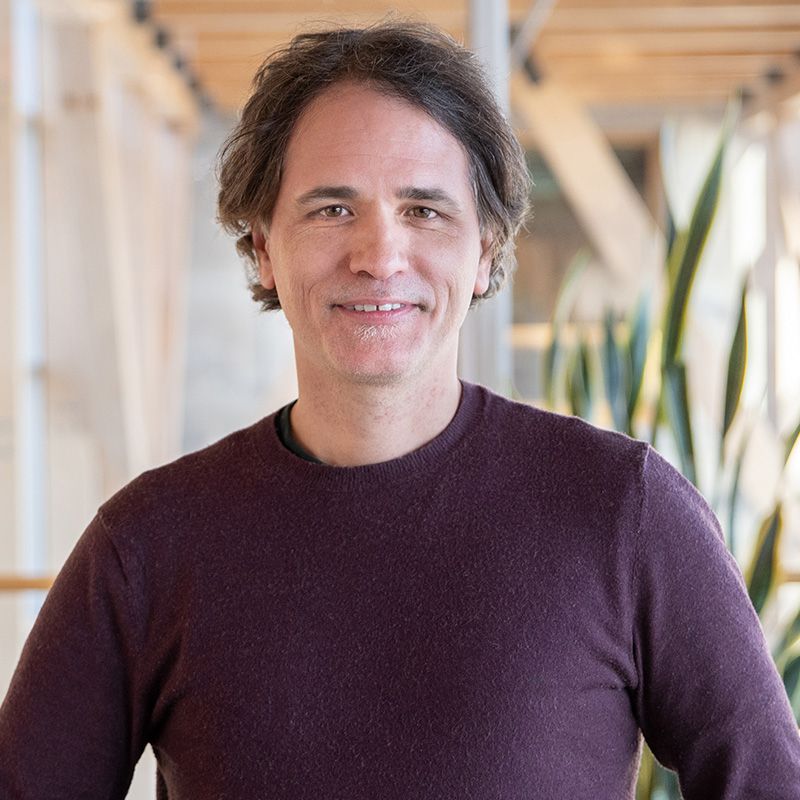
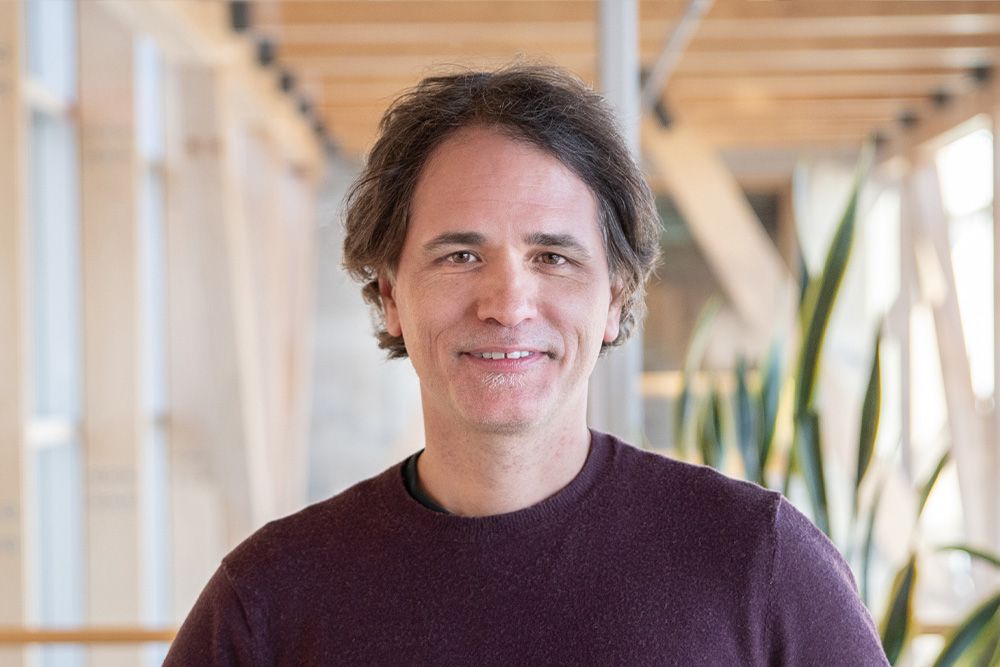
Étienne Berthold is an Associate Professor in the Department of Geography at Université Laval, Faculty of Forestry and Geomatics. He specializes in sustainable city planning and urban heritage, contributing to both academic research and curriculum development. He currently serves as the Director of the Bachelor's degree in Sustainable Territorial Development and the Certificate in Sustainable Development, demonstrating leadership in academic programming.
- Position: Associate Professor
- Department: Geography
- Faculty: Forestry and Geomatics
- University: Université Laval
His academic background includes a postdoctoral fellowship at the Canada Research Chair in Urban Heritage (UQAM, 2010), a doctorate in urban studies from INRS (2007), a master’s in museology, and a bachelor’s in history, all from Université Laval. His interdisciplinary training supports his work in urban sustainability and heritage management.
Étienne Berthold’s research focuses on sustainable urban development, territorial planning, and the integration of heritage into contemporary urban strategies. His expertise bridges geography, urban planning, and museology, with a strong emphasis on practical and integrative approaches to sustainable territorial development. His work is informed by both theoretical and applied perspectives in geography.
No recent publications were listed in the provided texts, so no trends can be identified at this time.
There are no scientific awards mentioned in the available information.
Étienne Berthold is actively involved in academic leadership and student training. As director of undergraduate programs, he oversees curriculum design and academic supervision. He is affiliated with the Institute for Environment, Development and Societies (IEDS) and the Center for Research in Planning and Development (CRAD), where he contributes to interdisciplinary research initiatives. While specific grants are not listed, his research profile suggests involvement in projects related to urban sustainability and heritage conservation.
He is a member of the Institute for Environment, Development and Societies (IEDS) and conducts research at the Center for Research in Planning and Development (CRAD), both of which support interdisciplinary collaboration on environmental and territorial challenges.