Dr. Samie R Jaffrey is the Greenberg-Starr Professor of Pharmacology at Weill Cornell Medical College since 2016, with a focus on RNA modifications and epitranscriptomics. His research spans molecular biology, cancer mechanisms, and neurogenetics. RNA Methylation Dynamics RNA Aptamer Engineering Neuronal mRNA Regulation His work addresses critical questions in mRNA stability, stress granule formation, and RNA-based therapeutics. Recent publications highlight mechanisms of m6A-dependent degradation and tRNA modification impacts on metastasis. Dr. Jaffrey's lab develops innovative RNA imaging tools like Pepper and Broccoli tags, enabling live-cell visualization of RNA processes. Collaborations with biotech partners (Lucerna, Chimerna) translate these discoveries into clinical applications.
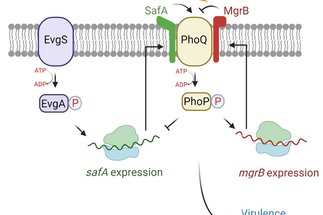
Dr. Jing Yuan is a Research Group Leader at the Max Planck Institute for Terrestrial Microbiology and SYNMIKRO in Marburg, Germany. She leads the research group focused on small proteins in bacterial signaling networks, with a particular emphasis on understanding how bacteria sense and infect mammalian hosts. Education: MSc in Biochemistry and Microbiology, University of Montana, USA (2001) MSc in Molecular Biophysics and Biochemistry, Yale University, USA (2003) PhD in Molecular Biophysics and Biochemistry, Yale University, USA (2007) Dr. Yuan's research centers on small proteins and their critical roles in bacterial signaling, pathogenicity, and host interaction. Her group investigates how these small proteins regulate bacterial infection processes, particularly through interactions with two-component signaling systems like the PhoQ sensor kinase. These systems are crucial for bacterial survival in various environments and represent potential targets for novel antimicrobial development. The Yuan group employs a multidisciplinary approach combining molecular, cellular, and synthetic biology techniques with computational simulations and structural studies to uncover the mechanisms of small protein function. Analysis of Dr. Yuan's publication record reveals a consistent focus on bacterial signaling mechanisms, with increasing emphasis on small proteins and their regulatory roles in pathogenicity. Her work spans fundamental biochemical investigations of protein function to more applied research on antimicrobial development. A notable trend is the evolution from studying basic mechanisms of amino acid biosynthesis and tRNA modification in her earlier career to her current focus on bacterial pathogenesis and small protein-mediated regulation. Advising: Dr. Yuan actively mentors a diverse research team including doctoral researchers, master's students, and bachelor's students. Her current advisees include Camila Cilveti Rodriguez Riglos, Wenting Liu, Dr. Lisa Werland, Marian Sophie Dünkel, Eric Mersinger, Julia Rinn, Tetsuo Bernardino Tomiyasu Marques, Christian Gereg, and Daniel Alejandro Castellar Almonacid. Her mentoring spans experimental design, data analysis, and scientific communication, preparing students for careers in microbiology and related fields. Dr. Yuan's research group operates state-of-the-art facilities for molecular microbiology, protein characterization, and bacterial pathogenesis studies. The lab maintains collaborations with structural biologists and computational scientists to complement their experimental approaches. Current research directions include uncovering the regulation mechanisms of small proteins, understanding how these proteins control bacterial infection, engineering small proteins to suppress virulence, and developing methods to identify functions of newly discovered small proteins.
Subha Kalyaanamoorthy is an Assistant Professor at the University of Waterloo, specializing in computational biology and structural modeling. Their research bridges virology, neurodegenerative diseases, and drug design, with a focus on molecular mechanisms and inhibitor development. Institution: University of Waterloo Position: Assistant Professor Contact: subha.kalyaanamoorthy@uwaterloo.ca Research interests include: Structural and molecular dynamics of SARS-CoV-2 proteases Neurodegenerative disease mechanisms (tau, hnRNP A1) Computational drug discovery (PROTACs, COX-II inhibitors) Enzymatic catalysis and sustainability applications Recent publications highlight trends in: Targeting viral proteins with novel inhibitors Elucidating post-translational modifications in tau pathology Developing computational platforms for drug modeling Exploring nanotechnology for neurodegenerative therapy
Mirka Johanna Lampi is a Postdoctoral researcher at the University of Helsinki , affiliated with the Faculty of Biological and Environmental Sciences and the Molecular and Integrative Biosciences Research Programme . Her work focuses on RNA virology, marine microbiology, and advanced purification techniques. Field of Science : Plant biology, microbiology, virology Email : mirka.lampi@helsinki.fi Dr. Lampi's research explores tRNA modification dynamics during viral infections, cold adaptation in marine bacteria, and innovative RNA purification methods. She specializes in asymmetrical flow field-flow fractionation for viral and RNA analysis. Recent publications highlight trends in marine bacteriophage interactions , temperature-dependent microbial metabolism , and RNA purification technologies . Key collaborations include the RNACIOUS laboratory and international institutions. Scientific Awards : ASM's Best Poster Prize (2018) Postdoctoral Fellowship for Industrial and Environmental Biotechnology (2022) She actively supervises Master’s theses and participates in conferences like the tRNA Conference and Viruses of Microbes series. Current projects include APROPOS (funded by Novo Nordisk Foundation) and Transfer RNA modifications as modulators of translation (Academy of Finland).
Elizabeth A. Leibold, PhD, is a Professor in the Division of Hematology & Hematologic Malignancies, Department of Internal Medicine, at the University of Utah School of Medicine. She also holds an adjunct appointment as Professor of Oncological Sciences at the Huntsman Cancer Institute, where she contributes to the Nuclear Control of Cell Growth and Differentiation program. Her research focuses on molecular mechanisms of iron metabolism and its role in cancer and cellular homeostasis. Education: Bachelor of Science in Biology, State University of New York at Potsdam PhD in Applied Biological Sciences, Massachusetts Institute of Technology Postdoctoral Fellowship in Applied Biological Sciences, Massachusetts Institute of Technology Dr. Leibold has published over 40 works since 1983, with recent studies examining iron regulatory proteins, oxygen-sensing mechanisms, and cross-species metabolic adaptations. Her work intersects Molecular Biology , Biochemistry , and Genetics , particularly in Iron Homeostasis , Post-transcriptional Regulation , and Cancer Metabolism . She has mentored nearly 30 students and served on over 40 graduate committees, while maintaining active roles as a reviewer for journals like Blood , Science , and Cell .
Jinfan Wang is an Assistant Professor and UT Southwestern Endowed Scholar in the Department of Biochemistry at University of Texas Southwestern Medical Center (UTSW). He obtained his B.S. in Biotechnology from the University of Science and Technology Beijing (2010) and a Ph.D. in Biochemistry from Uppsala University (2016), where he studied prokaryotic translation under Dr. Anthony Forster. Supported by the Knut and Alice Wallenberg Foundation, he conducted postdoctoral research at Stanford University (2016–2023) with Dr. Jody Puglisi, developing single-molecule methods to study eukaryotic translation. His lab at UTSW combines quantitative biochemistry, structural biology, and genetics to investigate cytosolic and mitochondrial translation mechanisms. Education B.S., Biotechnology – University of Science and Technology Beijing (2010) Ph.D., Biochemistry – Uppsala University (2016) His research focuses on the dynamic interplay between mRNA structure, ribosome function, and translation regulation in eukaryotes. Using single-molecule fluorescence microscopy, his team established frameworks for understanding start codon recognition, elongation fidelity, and drug-induced translation arrest. Recent work explores mitochondrial translation and its dysregulation in human diseases. Key publications reveal insights into: Eukaryotic translation initiation (Cell 2022, Nature 2019) Ribosome interactions with modified mRNA (Nat Struct Mol Biol 2018) Engineering of translation systems (Nucleic Acids Res 2017) Kinetic bottlenecks in unnatural amino acid incorporation (ACS Chem Biol 2015) Scientific Awards Knut and Alice Wallenberg Foundation Postdoctoral Fellowship UT Southwestern Endowed Scholar Dr. Wang’s lab seeks to bridge fundamental translation mechanisms with therapeutic applications, particularly in diseases linked to mitochondrial dysfunction. They actively recruit graduate students, technicians, and postdocs for interdisciplinary research.
Dr. Sascha Brunke serves as Deputy Head of the Microbial Pathogenicity Mechanisms department at the Leibniz Institute for Natural Product Research and Infection Biology - Hans Knöll Institute (Leibniz-HKI) in Germany, where he leads research on fungal pathogenesis and host-pathogen interactions. Dr. Brunke's research focuses on several key areas: Evolution and adaptation mechanisms of fungal pathogens Interaction between fungi and host immune cells Nutrient uptake strategies during infections Development of novel antifungal treatment approaches His recent publication record demonstrates a strong emphasis on Candida albicans pathogenesis, with particular attention to how environmental factors like sugar availability influence virulence and antifungal resistance. Dr. Brunke's work frequently appears in high-impact journals including Nature Reviews Microbiology, PLoS Pathogens, and Nature Communications, reflecting the significance and quality of his research contributions. Dr. Brunke has received significant recognition for his work, including the medac Research Prize in both 2023 and 2024. His research has important implications for understanding and treating fungal infections, which represent a growing challenge in healthcare settings worldwide due to increasing antifungal resistance. As Deputy Head of Department, Dr. Brunke plays a key leadership role in guiding research directions and fostering collaborations within the Microbial Pathogenicity Mechanisms unit at Leibniz-HKI, contributing to the institute's mission of advancing research on infection biology and natural products.
Prof. Robert Schneider serves as Professor at Ludwig-Maximilians-Universität München's Faculty of Biology and Director of the Institute of Functional Epigenetics at Helmholtz Zentrum München. He leads Project A20 within the Collaborative Research Center 1064, investigating how metabolic enzymes and their products regulate chromatin dynamics and gene expression. His dual appointments position him at the nexus of academic research and translational biomedical science in Munich's vibrant research ecosystem. His academic journey began with Biology Diploma studies (1990-1996) and doctoral research (1996) at LMU Munich under Prof. Regine Kahmann. This was followed by an EMBO fellowship at Cambridge's Gurdon Institute (2000-2004), a Max Planck Research Group leadership in Freiburg (2005-2012), and Director de Recherche position at Strasbourg's IGBMC (2012-2016) before his current roles. Research focuses on metabolite-chromatin crosstalk, particularly how short-chain acyl-CoAs drive histone lysine acylations to reprogram gene expression. The lab employs innovative approaches including metabolic enzyme recruitment to specific genes, in vitro chromatin reconstitutions, and single-cell tracing of transcriptional memory. Current work emphasizes RNA modification enzymes (e.g., METTL5/6) in pluripotency and the role of sugar metabolism in epigenetic inheritance. This research provides fundamental insights into how nutrition and metabolism shape genomic regulation with implications for cancer and developmental disorders. Recent publications (2017-2020) reveal a strategic expansion from histone modifications into RNA epigenetics and single-cell dynamics of metabolic-epigenetic interactions. The work consistently bridges biochemical mechanism with functional outcomes in stem cells and disease models, demonstrating increasing technical sophistication through integrative genomics and live-cell imaging approaches. Major recognitions include: ERC Starting Grant (2008) HFSP Career Development Award (2006) Chaire Gutenberg, University of Strasbourg (2012) Multiple labellisation awards from French research foundations (2012-2014) Epigenome Network of Excellence membership Mentorship occurs through structured PhD programs including CRC 1064's graduate initiatives and Helmholtz's doctoral training. The lab maintains active grants from DFG (CRC 1064), ERC, and collaborative consortia, supporting interdisciplinary projects that attract international talent. Prof. Schneider serves on editorial boards (PLOS Genetics) and selection committees, fostering global scientific exchange while maintaining a highly collaborative lab environment focused on mechanistic epigenetics. The Institute of Functional Epigenetics operates as a dynamic hub within Helmholtz Zentrum München, combining biochemical expertise with genomic and computational approaches. The lab's integration into CRC 1064 enables synergistic collaborations across Munich's research institutions, particularly in developing novel methods to probe metabolism-chromatin interfaces in real time.
Alan Lambowitz is a distinguished Professor of Molecular Biosciences at the University of Texas at Austin, holding the prestigious Mr. and Mrs. A. Frank Smith, Jr. Regents Chair in Molecular Biology. Since 1997, he has been a key faculty member in the Department of Molecular Biosciences within the College of Natural Sciences. In 2019, he expanded his academic role to include Professor of Oncology at the Dell Medical School. From 1997 to 2016, he served as Director of the Institute for Cellular and Molecular Biology, demonstrating significant leadership in advancing molecular research at UT Austin. Lambowitz earned his B.S. in Chemistry from Brooklyn College in 1968, graduating Summa cum laude with honors. He continued his education at Yale University, where he received his M. Phil. in 1970 and Ph.D. in Molecular Biophysics and Biochemistry in 1972, completing his doctoral work under the supervision of Professor Carolyn Slayman. His postdoctoral training included a fellowship at the University of Pennsylvania's Johnson Research Foundation and positions at Rockefeller University and the National Institute of Mental Health. Professor Lambowitz's research focuses on group II intron and related bacterial and organellar reverse transcriptases (RTs), examining their reverse transcription mechanisms, association with CRISPR-Cas systems, and applications in high-throughput RNA sequencing (RNA-seq). His laboratory employs a multidisciplinary approach combining genetic, biochemical, microbiological, and structural methods, including X-ray crystallography, cryo-EM, and advanced bioinformatic techniques for analyzing sequence data and identifying biomarkers in clinical samples. His work has significant implications for RNA diagnostics and liquid biopsy applications in human diseases. Analysis of his recent publications reveals a strong emphasis on RNA biology, particularly in understanding intron processing, RNA structure, and the development of novel RNA sequencing technologies. His research bridges fundamental molecular mechanisms with clinical applications, particularly in cancer diagnostics and biomarker discovery through liquid biopsy approaches. The consistent focus on reverse transcriptases and RNA processing across his publication history demonstrates a cohesive research trajectory spanning several decades. Member, National Academy of Sciences, 2004 Fellow, American Academy of Arts and Sciences, 1995 Fellow, American Association for the Advancement of Science, 2001 Wilbur Cross Medal, Yale University, 2013 Member, The Academy of Medicine, Engineering, and Science of Texas, 2004 Fellow, American Academy of Microbiology, 2004 Lambowitz has maintained extensive editorial and advisory roles throughout his career, serving on the editorial boards of numerous prestigious journals including Molecular and Cellular Biology, RNA, and Proceedings of the National Academy of Sciences. His laboratory at UT Austin continues to be a center of innovation in RNA biology, with ongoing clinical trials focused on RNA diagnostics. The Lambowitz Lab employs cutting-edge techniques to investigate RNA structure, function, and applications, maintaining a strong collaborative environment that bridges basic science and translational research.
Changchun Chen is an Associate Professor at the Department of Molecular Biology, Umeå University, affiliated with the Wallenberg Centre for Molecular Medicine (UCMM). His research focuses on oxygen sensation mechanisms in Caenorhabditis elegans , combining genetic screens, biochemistry, calcium imaging, and optogenetics to unravel molecular and neural circuit adaptations to extreme conditions. Wallenberg Molecular Medicine Fellow (2018) ERC Starting Grant recipient (2018) Florman Prize from the Royal Swedish Academy of Sciences (2025) Chen’s work explores the neuronal basis of behavioral and physiological responses to hypoxia/anoxia, with implications for human pathogenesis. His lab investigates how ROS, cGMP, and IL-17 signaling modulate stress tolerance and survival strategies. Recent publications highlight his contributions to understanding GPCR signaling, tRNA modifications, and IL-17’s role in longevity. His studies often utilize C. elegans as a model for neurobiological and molecular disease mechanisms. ERC Starting Grant (€1.5 million) for molecular medicine research Florman Prize (2025) for breakthroughs in molecular biology The Changchun Chen Lab is part of Umeå University’s Department of Molecular Biology and collaborates with the Wallenberg Centre for Molecular Medicine. Funding sources include the Knut and Alice Wallenberg Foundation, European Research Council, and Swedish Research Council.
Ya-Ming Hou is a Professor in the Department of Biochemistry & Molecular Biology at the College of Life Sciences, Thomas Jefferson University, Philadelphia. His research centers on tRNA functions and protein synthesis mechanisms with direct implications for neurological disorders. His primary research focuses on: tRNA structure-function dynamics during genetic decoding Role of tRNA modifications (e.g., m1G37) in maintaining decoding specificity Mechanisms of tRNA 3' end maturation and quality control Translocation kinetics in ribosome function Links between protein synthesis dysfunction and neurodegenerative diseases Dr. Hou leads an active research laboratory investigating how perturbations in tRNA biology contribute to neurological conditions including fragile X syndrome, Charcot-Marie-Tooth disease, and spinal muscular atrophy, with emphasis on neuronal protein synthesis in axon guidance and synaptic plasticity.
Phuong Cao Thi Ngoc is a Postdoctoral Fellow at Lund University , affiliated with the Division of Molecular Hematology (DMH) , RNA and Stem Cell Biology , StemTherapy , and Lund University Cancer Centre (LUCC) . Her research bridges bioinformatics and experimental biology to address hematologic malignancies and regenerative medicine. Current affiliations: Division of Molecular Hematology, LUCC, StemTherapy National Initiative ORCID: 0000-0002-3059-9179 Research hubs: RNA biology, stem cell homeostasis, myeloid disorders Research Interests focus on RNA modifications, hematopoietic stem cell regulation, and leukemogenesis. Key areas include: Mechanistic analysis of tRNA fragmentation in inflammation Epigenetic control of splicing via SF3B1 Redox proteome dynamics during development Role of pseudouridine in protein synthesis fidelity Computational modeling of retrotransposons Translational applications for myelodysplastic syndromes Publication Trends reveal expertise in RNA-related pathologies, computational genomics, and stem cell-driven cancer models. Her recent work spans tRNA modifications, splicing regulation, and fetal tumor suppression mechanisms in myeloid leukemia. Contact : phuong.cao_thi_ngoc@med.lu.se | ORCID
Sarah Rennie serves as Assistant Professor in the Department of Biology within the Faculty of Science at the University of Copenhagen, specializing in Computational and RNA Biology. Her research focuses on RNA modifications and their implications in cancer biology, particularly gastrointestinal and pancreatic cancers. Her primary research interests span RNA modifications, noncoding RNA biology, cancer epigenetics, and bioinformatics. Current work investigates N6-methyladenosine (m6A) modifications in pancreatic cancer progression, tumor microenvironment adaptations, and computational approaches for RNA analysis. Her lab develops and benchmarks bioinformatic tools for lncRNA research and RNA editing detection, bridging wet-lab experiments with computational modeling. Recent publications demonstrate significant contributions to understanding RNA modification roles in cancer, with 2024-2025 work appearing in high-impact journals including Cancer Science , Cell Reports , and EMBO Journal . Her research shows strong emphasis on translational applications, particularly in developing RNA-based cancer biomarkers and therapeutic targets. Rennie serves as Editor for the journal Non-coding RNA (2023), demonstrating leadership in the field. Her work receives consistent attention across academic platforms with multiple mentions on X (formerly Twitter), Reddit, Bluesky, and Mendeley. Her laboratory operates within the Computational and RNA Biology section at Ole Maaløes Vej 5 in Copenhagen, utilizing both experimental and computational approaches to study RNA modifications in disease contexts. Current projects focus on acid microenvironment adaptations in pancreatic cancer and deep learning applications for RNA modification analysis.
Joan Steitz is the Sterling Professor of Molecular Biophysics and Biochemistry at Yale School of Medicine, where she has made groundbreaking contributions to RNA biology. She leads the Steitz Lab, which is affiliated with multiple Yale research centers including the Yale Cancer Center, Yale Stem Cell Center, and the Center for RNA Science and Medicine. Yale School of Medicine, Department of Molecular Biophysics and Biochemistry (Primary) Yale Cancer Center Yale Stem Cell Center Yale Combined Program in the Biological and Biomedical Sciences (BBS) Center for RNA Science and Medicine Dr. Steitz earned her BS from Antioch College (1963) and PhD from Harvard University (1967), followed by postdoctoral work at the Medical Research Council Laboratory of Molecular Biology in Cambridge, England. She joined Yale as an assistant professor and progressed to become a Sterling Professor, one of Yale's highest academic honors. Her research focuses on RNA-protein complexes, particularly small nuclear ribonucleoproteins (snRNPs) that play critical roles in pre-mRNA splicing. The lab investigates how these complexes recognize intron signals and assemble into functional spliceosomes. Recent work has explored stress-induced transcriptional readthrough, RNA stability mechanisms involving poly(A) tails, and the functions of viral noncoding RNAs from herpesviruses. Analysis of Dr. Steitz's recent publications reveals a strong emphasis on RNA structure-function relationships, viral-host interactions, and the molecular mechanisms of RNA processing. Her work spans structural biology, virology, and molecular genetics, with applications to understanding human diseases including cancer. Warren Alpert Prize (2021) Wolf Prize in Medicine (2021) Watson Prize (2021) Medal Prize Lecture (2021) Honorary Doctor of Science (2021) Dr. Steitz actively mentors students and postdocs, with numerous trainees appearing as co-authors on her publications. Her lab maintains strong collaborations across Yale and with international researchers, as evidenced by her extensive publication record. She has also been a prominent advocate for gender diversity in STEM fields, co-authoring influential papers on improving representation of women in science. The Steitz Lab maintains active research programs in RNA structure, splicing mechanisms, viral noncoding RNAs, and stress responses, with ongoing projects examining how RNA-protein interactions govern gene expression in both normal and disease states.
Jim Van Etten is a Professor in the Department of Plant Pathology at the University of Nebraska-Lincoln, where his laboratory is located in MOLR 205. His research focuses on the isolation and characterization of large icosahedral, dsDNA-containing viruses that infect chlorella-like green algae, which are ubiquitous in freshwater environments worldwide. Dr. Van Etten received his BA in Biology from Carleton College (1960), followed by an MS (1963) and PhD (1965) in Plant Pathology from the University of Illinois, Urbana. He completed postdoctoral training in Molecular Biology at the University of Pavia, Italy (1965-66). His laboratory studies chlorella viruses with remarkably large genomes (up to 370 kb) containing as many as 400 protein-encoding and 16 tRNA genes. These viruses encode DNA methyltransferases, restriction endonucleases, and complete systems for protein glycosylation. Many chlorella virus-encoded proteins are among the smallest of their class, making them valuable models for structural and mechanistic studies. Infection by these viruses resembles bacterial infection by tailed bacteriophages in many respects. Analysis of Dr. Van Etten's publication record reveals sustained scholarly productivity spanning multiple decades, with research outputs from 2002 through 2025. His work bridges virology, molecular biology, and glycobiology, with emphasis on viral structure, host-virus interactions, and the evolutionary implications of giant viral genomes. Dr. Van Etten has collaborated extensively with researchers including Agarkova IV and Dunigan DD. His laboratory has been instrumental in characterizing the unique molecular machinery of chloroviruses, including their glycosylation systems and restriction-modification enzymes, contributing significantly to our understanding of algal viruses and their ecological roles.