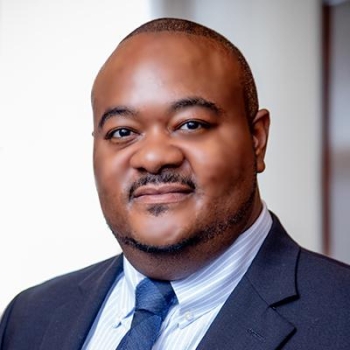
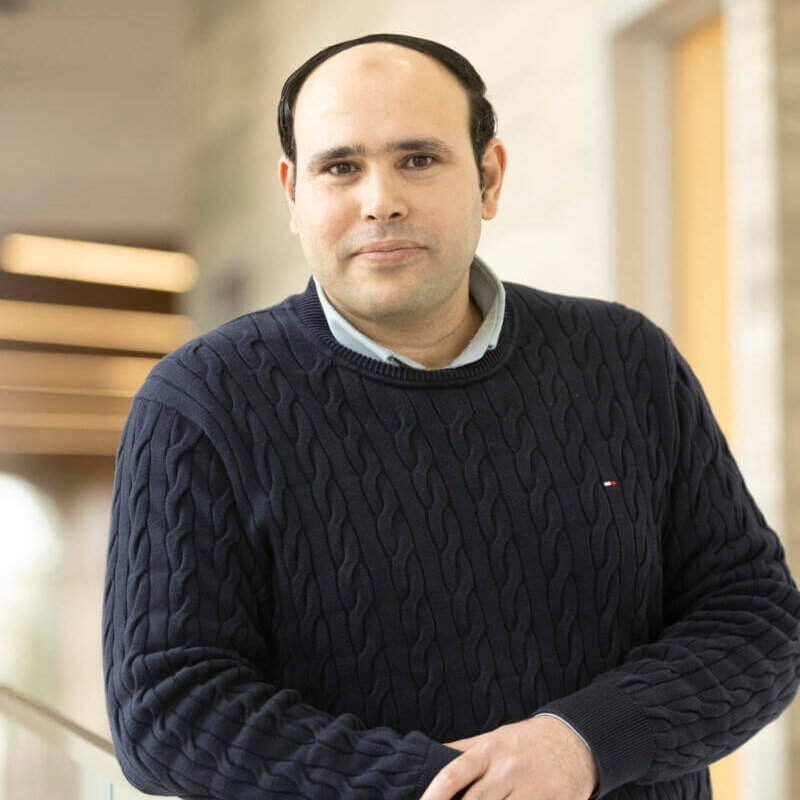
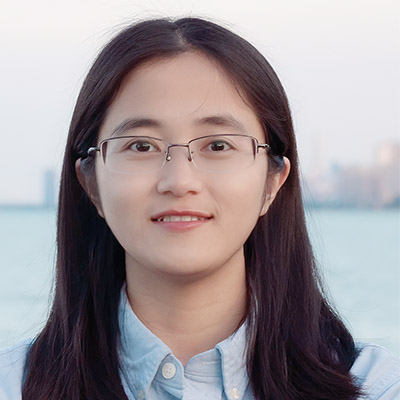
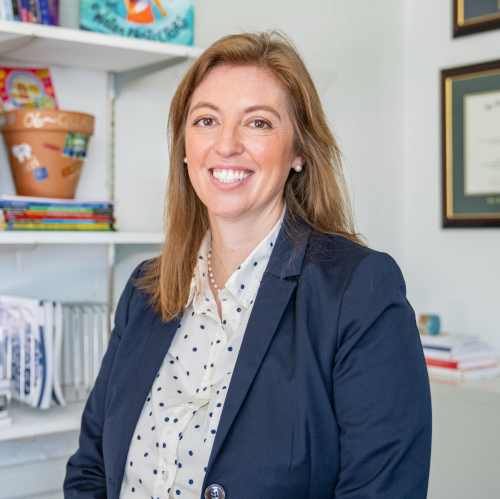
George Spencer is an Assistant Professor in the Department of Administration, Leadership, and Technology at NYU’s Steinhardt School. He holds a PhD and MA from Harvard University’s Graduate School of Education, and a BA from Northwestern University. His research focuses on college access, policy evaluation, and student pathways, with a particular emphasis on socioeconomic disparities and policy levers to improve educational outcomes. His work has been supported by grants from AERA, TIAA Institute, and the Bill & Melinda Gates Foundation. Notable awards include the AERA Dissertation Fellowship (2015-2016) and Russell Sage Foundation Pipeline Grant (2021). Prior to academia, Spencer directed programs for high school students with the I Have a Dream Foundation and worked at the Consortium on Financing Higher Education. Research interests include dual enrollment policies, articulation agreements, transfer student trajectories, and the effectiveness of individualized learning plans. His scholarship appears in top journals like American Educational Research Journal and Review of Higher Education.
Jennifer Widom is the Frederick Emmons Terman Dean of Stanford University's School of Engineering and holds the Fletcher Jones Professorship in Computer Science and Electrical Engineering. She previously served as Chair of the Computer Science Department (2009–2014) and Senior Associate Dean (2014–2016). Widom earned her Ph.D. in Computer Science from Cornell University (1987) and completed her undergraduate degree in Music at Indiana University (1982). She joined Stanford in 1993 after research at IBM Almaden. Education: Ph.D., Computer Science, Cornell University, 1987 MS, Computer Science, Cornell University, 1985 MS, Computer Science, Indiana University, 1983 BS, Music, Indiana University Jacobs School of Music, 1982 Research Interests: Widom's work focuses on nontraditional data management, including data streams, uncertain databases, crowdsourcing, and query processing systems like STREAM and Deco . She has pioneered methods for managing and querying uncertain data, optimizing graph algorithms, and integrating human computation into data systems. Key Contributions: Developed the STREAM system for real-time data stream management Advanced techniques for crowdsourcing quality management Contributed to foundational work in uncertain databases and provenance tracking Awards & Recognition: ACM Fellow (2005) Member, National Academy of Engineering (2005) Edgar F. Codd Innovations Award (2007) ACM-W Athena Lecturer (2015) EPFL-WISH Erna Hamburger Prize (2018) Teaching & Leadership: Widom teaches courses on data analytics and database systems, advising students like Arnav Joshi. She has led major initiatives in computational education and institutional leadership at Stanford.
Mohamed Shaat is an Assistant Professor of Mechanical Engineering in the Engineering Department at St. Mary's University, San Antonio, Texas. Holding a Ph.D. from New Mexico State University (2017), he previously served as Assistant Professor at Abu Dhabi University (2019-2021) and held postdoctoral positions at Southern Methodist University (2022-2024) and Boston University (2021-2022). His research bridges energy storage systems, active matter physics, and advanced materials engineering. His educational foundation includes: Ph.D. in Mechanical Engineering, New Mexico State University, 2017 M.Sc. in Mechanical Engineering, New Mexico State University, 2016 M.Sc., Zagazig University (Egypt), 2012 B.Sc., Zagazig University (Egypt), 2007 Dr. Shaat's research program focuses on interdisciplinary innovation in energy storage (SOFCs & ASSBs), mechanics of active matter, nano-confined fluids, chiral metamaterials, and topological/non-Hermitian mechanics. He integrates machine learning with continuum mechanics to optimize electrochemical systems and additive manufacturing, exploring nontraditional phenomena in complex materials for next-generation engineering applications. Analysis of his 60+ journal articles reveals a dominant trajectory in nonlocal elasticity theory and topological mechanics, with increasing integration of machine learning (2020-2024). His work spans nanostructure mechanics, metamaterial design, and energy storage optimization, demonstrating consistent innovation in theoretical frameworks for complex material systems. His scholarly recognition includes: World's Top 2% Scientist (Stanford University, Mechanical Engineering & Transports, since 2019) Outstanding Graduate Award, New Mexico State University (2017) Merit-Based Enhancement Fellowship, New Mexico State University (2017) Best Master's Thesis Award, Zagazig University (2013) Committed to academic service, Dr. Shaat serves on the editorial board of Scientific Reports and as Specialty Associate Editor for Frontiers in Mechanical Engineering. His extensive peer review for Nature, Nature Communications, and Applied Physics Letters reflects his field authority. While specific grant details aren't disclosed, his postdoctoral appointments and publication volume indicate successful research funding. His teaching includes Materials Engineering and Materials Laboratory courses, emphasizing hands-on student mentorship. Though laboratory infrastructure isn't explicitly detailed, his research scope suggests computational modeling expertise and likely collaboration with experimental teams for materials characterization in energy storage and metamaterials development.
Dr. Shiyan Jiang is an Assistant Professor in the Learning Design and Technology Program at North Carolina State University’s College of Education . She joined NC State in 2019 and specializes in integrating digital literacy into STEM education, particularly through AI-driven curriculum design and technology-enhanced interdisciplinary learning. Her work emphasizes empowering K-12 students with tools like narrative modeling, data visualization, and machine learning to explore STEM identities and career pathways. Education : Dr. Jiang holds a Ph.D. in Teaching and Learning (Specialization: Technology-Enhanced STEM Education) from the University of Miami (2018). Research Focus : Her research centers on: AI and data science education in K-12 classrooms Multimodal composing environments for STEM identity development Technology-mediated interdisciplinary learning Epistemic agency and data literacy Key Achievements : Recipient of NSF Awards #1949110 (2019) and #2241671 (2022) for AI-in-education projects Co-chair of the Technology Committee at the International Society of the Learning Sciences (ISLS) Editorial board member of Journal of Educational Technology Research and Development and Journal of Science Education and Technology Teaching : Courses include Data Visualization, Machine Learning, and Text Mining in Education, alongside doctoral seminars in Learning Sciences. Grants & Outreach : Collaborates with educators and institutions to design AI-infused curricula, such as the i-SAIL (integrated Science and AI Learning) program. She also develops tools like StoryQ for K-12 machine learning education. Labs & Teams : Active in the Friday Institute for Educational Innovation and the Belk Center, focusing on scalable educational technologies.
Jeffrey S. Russell is a Vice Provost for Lifelong Learning, Dean of the Division of Continuing Studies, and Professor of Civil and Environmental Engineering at the University of Wisconsin–Madison. He leads initiatives for lifelong learners, nontraditional students, and online degree programs, including precollege, summer, and international student partnerships. His academic career spans teaching, research, and leadership in construction engineering and project management. Education: Ph.D. and MS in Civil Engineering from Purdue University, BS from the University of Cincinnati. Dr. Russell’s research focuses on construction management , innovative project delivery systems , and construction automation and robotics . His work addresses challenges in project scheduling, resource allocation, and diversity in engineering education. Google Scholar highlights his contributions to out-of-sequence construction analysis, project readiness models, and PM competency frameworks. His publications emphasize agile methodologies , risk mitigation , and data-driven decision-making in construction. These works span themes like project lifecycle optimization , team collaboration , and educational reform . Scientific Awards: ASCE OPAL Lifetime Achievement Award, NSF Presidential Young Investigator, ASEE Glen L. Martin Best Paper Award, and multiple ASCE and NSPE honors. Dr. Russell mentors students and professionals, advocating for lifelong learning and diversity in engineering . He co-founded UW–Madison’s Construction Engineering and Management Program and has received recognition for teaching and leadership, including ASCE’s Distinguished Member and Huber Prize.
Chris Blake-Turner is an Assistant Professor of Philosophy at Oklahoma State University (2023–present), previously at the University of Alabama at Birmingham (2021–2023). They hold a PhD from UNC Chapel Hill (2021), a BPhil from Oxford (2018), and a BA from Durham University (2015). Their research focuses on epistemology, philosophy of action, and philosophy of logic, with applied interests in epistemic environments and fake news mitigation. They teach courses on symbolic logic, philosophy of language, and ethical theory. Education: PhD in Philosophy, UNC Chapel Hill (2021) BPhil in Philosophy, University of Oxford (2018) BA in Philosophy, Durham University (2015) Research Interests: Epistemology of reasoning, normativity in logic, logical pluralism, and the philosophical implications of fake news. They argue for frameworks that unify practical and theoretical reasoning, and propose methods to safeguard epistemic environments against misinformation. Teaching: Courses include Symbolic Logic, Philosophy of Language, and Contemporary Epistemology. Emphasizes inclusive pedagogy and nontraditional student support. Develops innovative teaching tools like the 'Discussion Moves Framework.' Languages: Polish
Dr. Ji HEE HWANG is a Clinical Associate Professor in the Department of Educational Administration & Human Resource Development at Texas A&M University. Her research focuses on lifelong learning, workforce development, and high-impact educational practices, utilizing large-scale datasets to inform policy and practice in education. She holds a Ph.D. in Higher Education from Penn State University and has received prestigious awards including the Charles F. Elton Best Paper Award and AERA Fellowship Program recognition. Dr. Hwang teaches courses like Applied Learning Principles, Program Evaluation, and Learning Analytics. She has advised numerous graduate students and served as an editorial board member for the Journal of College Student Development . Her work emphasizes marginalized populations' transitions between work and education, digital literacy, and interdisciplinary collaboration. Notable contributions include studies on service-learning outcomes, NSSE data analysis, and the Academic Credit Bank System in South Korea. She actively participates in professional organizations like AAACE and AALHE, contributing to research committees and policy discussions.
Dr. Lauren Fine is an Associate Professor in Medical Education at Nova Southeastern University's Dr. Kiran C. Patel College of Allopathic Medicine. She leads the Practice of Medicine I (POM I) course, teaching foundational clinical skills to first-year medical students, and coordinates with problem-based learning (PBL) faculty for integrated medical education. She served as President (2017) and Immediate Past President (2019) of the NSU MD Faculty Council. Education: B.S. in Biology and Minor in Writing from Washington University in St. Louis (2002), MD from University of Miami Miller School of Medicine (2006) Her research focuses on medical education innovations, including interprofessional collaboration, social determinants of health integration, and clinical skills standardization. She has published extensively on asthma, eosinophilic disorders, and technology-enhanced learning. Key publication trends include: Medical education reforms (2015–2025) Clinical skills standardization (2017–2025) Allergy/immunology research (2002–2021) Scientific contributions: Inaugural NSU MD Faculty Council President (2017) Journal of Asthma editorial board member (2014–present) Dr. Fine maintains an active clinical practice in Allergy/Immunology at the William Bill Kling VA Medical Center in Broward County, Florida, while advancing educational frameworks for interprofessional training and competency assessment.
Chelsey M. Bahlmann Bollinger is a Professor in the Department of Early, Elementary, and Reading Education at James Madison University. Her work bridges literacy education, technology integration, and professional development for K-12 educators. She teaches undergraduate and graduate courses including LED 300, LED 350, and the LED MEd program. Education : Bachelor’s in Elementary Education (UNC Greensboro), Master’s in Language and Literacy Education (UNC Wilmington), Doctorate in Language and Literacy Education (University of Georgia). Bahlmann Bollinger’s research focuses on qualitative studies of technology integration in literacy instruction, preservice teacher training, and culturally responsive pedagogy. Her work employs cultural historical activity theory to analyze contradictions in educational practices and design innovative solutions. Recent studies emphasize online learning equity, universal design for learning (UDL), and play-based writing instruction in early childhood classrooms. Her 15 most recent publications (2019-2024) highlight trends in virtual field experiences, emergency remote teaching during the pandemic, and systemic barriers to literacy instruction. These works span keywords like Literacy Education, Educational Technology, and Qualitative Research, with subfields including Digital Pedagogy, Teacher Professional Development, and Inclusive Instructional Design.
Dr. Anna McLean Phillips is a Senior Lecturer in the School of Physics and Astronomy at Monash University, specializing in Physics Education Research. Her academic focus lies in student experiences within physics learning environments and the practices of both professional and student physicists. She holds a PhD in Physics Education Research from Tufts University (2019) and a Master of Science in Physics from the same institution (2015). Her research explores computational practices in physics, the role of agency in learning, and factors influencing retention in physics majors. Key projects include a mixed-method longitudinal study on physics major retention and a collaborative initiative addressing accessibility in science internships for disabled and neurodiverse students. Phillips actively contributes to academic discourse through peer review for journals like Science Education and Physical Review Physics Education Research . Her research interests span neurodiversity in STEM education, LGBTQ+ student inclusion, and innovative laboratory pedagogy. Recent work highlights the intersection of social belonging and academic outcomes, particularly in Australian STEM contexts. Phillips is also engaged in curriculum design, emphasizing computational integration and student-centered approaches. Despite no explicitly listed awards, her work aligns with UN Sustainable Development Goal 4 (Quality Education). She supervises PhD students and leads grant-funded projects, such as the 2025 initiative on internship accessibility. Phillips is affiliated with Monash’s physics education research community and participates in national conferences like the Australian Institute of Physics Congress.
Dr. Vajra M. Watson serves as the Dean of the School of Education at the University of Redlands and as a Professor of Educational Leadership and Racial Justice at Sacramento State University. Her work focuses on transforming educational systems through equity-centered practices, bridging spirituality, activism, and pedagogy. She has previously held leadership roles, including Senior Associate Vice President at Sacramento State University, where she advanced academic planning and cross-sector collaboration. Education: B.A. from UC Berkeley M.A. in International Education, Harvard University M.A. in Teaching and Learning, Harvard University Ed.D. in Administration, Planning, and Social Policy from Harvard’s Graduate School of Education Dr. Watson’s research interrogates systemic racism in education, advocating for community-based solutions and holistic learning . She pioneers pedagogical frameworks that integrate somatic, emotional, and spiritual dimensions, as detailed in her book The Soul of Learning . Her scholarship emphasizes urban education reform , sacred pedagogy , and youth agency , particularly for marginalized communities. Her publications, including Transformative Schooling and Learning to Liberate , highlight interdisciplinary methodologies and collaborative research with community stakeholders. Themes of racial equity, contemplative practices, and activism recur across her work. Scientific Awards: Congressional Woman of the Year Award NBA Sacramento Kings Woman of Inspiration Award AERA Social Justice Leadership Award Dr. Watson advises on educational policy, emphasizing community partnerships and innovative program delivery . Her current leadership at Redlands focuses on enrollment growth and reimagining educational frameworks in collaboration with faculty.
Rebeckah Fussell is a researcher in the Physics department at Cornell University, affiliated with the Center for Physics Education Research (CPERL) under Natasha Holmes. She focuses on applying machine learning to advance Physics Education Research (PER), analyzing student interactions in labs, and assessing educational technologies' reliability and bias. Her work bridges PER with computational methods, emphasizing trustworthy AI applications and interdisciplinary research. She contributes to the Graduate and Undergraduate Programs in Physics at Cornell, offering expertise in lab instruction design and educational data analysis. Her research explores student epistemic framing, open-structure lab courses, and the ethical implications of machine learning in education. Recent articles highlight her focus on large language models for student assessment, bias mitigation in multi-institutional studies, and hybrid forecasting in chaotic systems. While no specific awards are listed, her publications underscore contributions to improving educational methodologies through computational tools. Rebeckah collaborates within the CPERL research group and the CDER Physics program. No specific grants or advising details are publicly noted, though her involvement in PER methodology and educational technology signals active engagement in both research and teaching capacities.
Aditya Johri is a tenured Professor of Information Sciences & Technology in the College of Engineering & Computing at George Mason University (GMU). He directs the Technocritical Research on AI, Learning & Society Lab (trailsLAB) and is an affiliate faculty in multiple departments, including Computer Science and Civil Engineering. His research focuses on how technology shapes learning in formal and informal settings, with a strong emphasis on AI ethics, algorithms, and data ethics in engineering education. Affiliations: School of Computing, College of Engineering & Computing; GMU's Institute for Digital InnovAtion (IDIA). Educational Background: PhD (Learning Sciences & Technology Design, Stanford University), MS (Georgia Tech), MA (University of Georgia), BE (Delhi College of Engineering). Research Contributions: Editor of the International Handbook of Engineering Education Research (2023) and co-editor of the Cambridge Handbook of Engineering Education Research (2014), which won a 2015 Best Book Award. His work is funded by NSF grants, including an Early CAREER Award and projects on AI ethics and generative AI in education. Awards & Recognition: 2022 University Teaching Excellence Award (High Impact Teaching), Fulbright-Nokia Distinguished Chair (2021–2022), and multiple best paper awards. He also led the NSF-funded project creating role-play case studies for AI ethics education. Grants: Over $20M in NSF/USDA funding for the AI Institute for Resilient Agriculture (AIIRA), and leadership in projects like COALESCE (context-aware cyber-agricultural systems). Advising & Mentorship: Supervised over 20 PhD and MS students, with notable advisees including Dr. Yinan Sun (Postdoc) and graduates like Dr. Hon Jie Teo (CUNY). His mentorship earned the 2022 OSCAR Mentoring Excellence Award. Labs & Collaborations: trailsLAB explores AI ethics, learning technologies, and societal impacts. Collaborations include Aalto University (Finland), Technical University of Munich, and the Leverhulme Center for the Future of Intelligence (Cambridge).
Julia Lyman is a Lecturer and Project Coordinator at Utah State University (USU), affiliated with the Department of Special Education and Rehabilitation Counseling within the Emma Eccles Jones College of Education and Human Services. She holds a B.S. in Special Education and Elementary Education (2000) and an M.Ed. in Special Education (2017), both from USU. Her professional experience spans roles such as Coordinator of Online Practical Teacher Training (OPTT) Program, Instructor for courses like SPED 5060 (Consulting with Parents and Teachers), and Student Teacher Coordinator. She supervises practicum students, coordinates recruitment efforts for the Special Education program, and collaborates with local education agencies to ensure effective teacher placements and training. Research interests focus on special education teacher training, mild/moderate disabilities, dual language classrooms for students with disabilities, and paraeducator-to-teacher career pathways. She has presented widely on topics like supporting distance learners and strategies for recruiting paraeducators into teaching roles. Her work includes contributions to programs such as the National Resource Center for Paraeducators and the Utah Behavior Support Clinic. She advocates for inclusive education practices and leverages her personal experience as a parent of a child with significant disabilities to strengthen teacher training initiatives.
Amber Holton-Thomas, Ph.D. is an Adjunct Professor at George Mason University , serving as the Director of the First-Gen+ Center under the Division of University Life. Her work emphasizes support for first-generation , undocumented students , and nontraditional learners in higher education. Ph.D., Higher Education and Public Policy (Florida State University, 2019) M.A., Higher Education (New York University, 2007) B.A., Psychology and Spanish (Capital University, 2005) Dr. Holton-Thomas specializes in equity in higher education , with a focus on federal financial aid policies , critical quantitative methods , and advocacy for marginalized student populations . Her research is guided by her dissertation, " Education as Feminism for Nontraditional Aged Women Receiving Pell Grants ." Her publications highlight interdisciplinary approaches to leadership education , social justice initiatives , and student support frameworks . Key themes include degree attainment , institutional practices , and policy interventions for nontraditional students and adult learners . She teaches courses such as HE 705: Access and Social Justice in Higher Education and HE 706: Postsecondary Students in Higher Education . Dr. Holton-Thomas is a proud first-generation college graduate and actively involved in Theta Nu Xi Multicultural Sorority, Incorporated , with personal interests in travel , hiking , and writing .