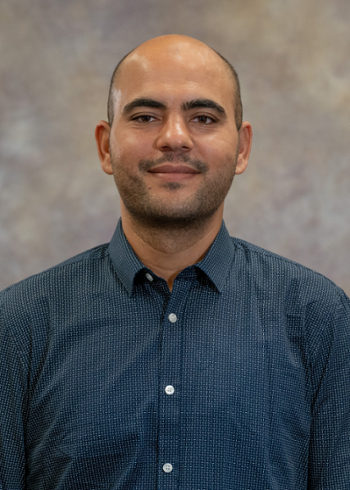
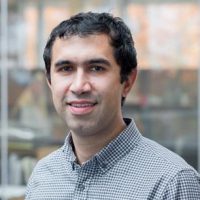
Prof. Gabriele Schrag holds the Professorship of Microsensors and Actuators at the Technical University of Munich (TUM), within the TUM School of Computation, Information and Technology. Her research focuses on MEMS (Micro-Electro-Mechanical Systems), including microsensors, actuators, and their applications in acoustics, microfluidics, and bioengineering. She has pioneered work in virtual prototyping for system-level modeling to enhance device robustness and performance. Education: PhD (summa cum laude) from TUM on 'Modeling coupled effects in microsystems' Habilitation in sensor systems technology (2018) Acting head of the Chair of Technical Electrophysics (2018-2023) Research emphasizes acoustic MEMS transducers , electrohydrodynamic printing , and physics-based modeling . Notable projects include developing piezoelectric MEMS microphones with corrugated membranes and integrated micropump systems. Awards include the Bavarian Prize for Good Teaching (2021) and Eurosensors Fellow Award (2019). Her work bridges virtual prototyping with real-world applications , addressing challenges in miniaturization, energy efficiency, and sensor integration for medical and industrial systems.
Xin Ning is an Assistant Professor in the Department of Aerospace Engineering at the University of Illinois at Urbana-Champaign (UIUC), where he also holds appointments in the Materials Research Laboratory. Previously, he served as an Assistant Professor at Pennsylvania State University from 2018 to 2023. His academic journey includes postdoctoral research at UIUC and California Institute of Technology (Caltech). Educated at Caltech, he earned a Ph.D. in Aeronautics in 2015 and an M.S. in Aeronautics in 2010. His research focuses on soft electronics for aerospace engineering , bio-inspired aerospace structures , in-space manufacturing and assembly , and multifunctional space structures . These interests drive innovations in lightweight, adaptive, and multifunctional materials and systems for aerospace applications. For instance, his work explores bio-inspired cellular materials for aircraft wings and bistable composite booms for deployable structures. He has been recognized with several honors, including the 2022 Young Investigator Award from the Office of Naval Research, 2019 Haythornthwaite Foundation Research Initiation Award, 2015 William F. Ballhaus Prize from Caltech, and the 2012 Dow-Resnick Fellowship. In addition to research, Professor Ning teaches courses such as AE 323: Applied Aerospace Structures and AE 498: Space Structures . While specific grants are not detailed here, his work has been supported through awards like the ONR Young Investigator grant. He collaborates with the Materials Research Laboratory at UIUC and engages in interdisciplinary projects involving soft electronics and bio-inspired engineering.
Per Augustsson is an Associate Professor and Senior Lecturer at Lund University's Division for Biomedical Engineering (Faculty of Engineering, LTH). He leads the Acoustofluidics group and serves as Principal Investigator at NanoLund: Centre for Nanoscience. He is affiliated with LTH Profile Areas in Engineering Health, Nanoscience, Photon Science, and LU's Light and Materials initiative. His research focuses on acoustofluidic technologies for biomedical applications, including ultrasound-driven cell/nanoparticle separation, with contributions to UN Sustainable Development Goals. He has secured grants from the Swedish Research Council and Horizon Europe. Research Interests: Acoustofluidics : Designing devices that use ultrasonic waves to manipulate microscopic objects (e.g., blood cells, nanoparticles) in fluids. Microfluidics : Developing lab-on-a-chip systems for biomedical diagnostics. Thermoacoustic Phenomena : Investigating heat-induced fluid motion for precision control in microsystems. Recent Work Trends: Recent publications (2024–2025) highlight advancements in high-energy acoustofluidic devices, label-free cell separation techniques, and real-time acoustic streaming analysis. His work bridges physics and engineering to address challenges in precision medicine and nanotechnology. Awards: Ingvar Carlsson Award (2017) The Phabian Award (2013) Lund University Faculty of Engineering PhD Thesis of the Year (2011) Grants & Projects: - Microscale Thermoacoustic Streaming (Swedish Research Council, 2025–2030) - BLOODFLOW: Acoustic Whole Blood Imaging (Horizon Europe, 2024–2026) - Single-Cell Mechanical Fingerprint (2024–2025 grant) Infrastructure: Manages Micro Particle Imaging Velocimetry (µPIV) and Confocal Microscopy facilities for fluid dynamics analysis.
Dr. Abdessattar Abdelkefi is a Professor in the Department of Mechanical & Aerospace Engineering at New Mexico State University's College of Engineering. He directs the Nonlinear Dynamics & Energy Harvesting Laboratory (NDEHL) and holds a Ph.D. from Virginia Tech (2012). His research bridges dynamics, fluid-structure interactions, and renewable energy, with applications in drones, MEMS, and energy harvesting. Research Focus Dr. Abdelkefi's work spans Dynamics & Vibrations , Aeroelasticity , and Robotics & Controls , emphasizing nonlinear phenomena and energy conversion. Key areas include: Vortex-induced vibrations for renewable energy harvesting Bio-inspired drone design and aerodynamic optimization Nanoscale sensors and microgyroscopes Flexoelectric and piezoelectric material applications Publication Trends Recent articles (2019-2020) focus on experimental/theoretical synergy in energy harvesting (galloping, vortex-induced, piezoelectric) and bio-inspired UAV design. Over 70% involve computational modeling validated with wind tunnel/field tests, highlighting innovations in broadband energy capture and nano/microsystem efficiency. Awards & Honors 2020: Outstanding Research Professor (MAE Academy) & Teaching-Research-Service Synergy Award (College of Engineering) 2019: Early Career Award (NMSU Research Council), Outstanding Research Professor, Los Alamos NMC Faculty Appointee 2013: Best Paper Award from Theoretical & Applied Mechanics Letters 2011–2012: Graduate Scholarships (Virginia Tech) Laboratory & Advising NDEHL researches vibration-based energy harvesting, nonlinear dynamics, and drone aerodynamics. Dr. Abdelkefi mentors graduate students in experimental/computational projects, though specific advisees are unnamed in available data.
Professor Sohini Kar-Narayan is a British-Indian materials scientist at the University of Cambridge, specializing in polymer-based materials for energy harvesting and biomedical applications. She serves as editor-in-chief of the journal APL Electronic Devices and leads innovative research on nanogenerators, microfluidic sensors, and bioelectronic interfaces. Education: Presidency University, Kolkata (undergraduate); Indian Institute of Science (PhD) Her research focuses on piezoelectric and triboelectric nanomaterials, with applications in self-powered wearable devices , orthopedic surgery sensors , and 4D-printed responsive systems . She develops scalable fabrication techniques like aerosol jet printing to bridge academic research and industrial innovation. The most recent publications highlight advancements in biopolymer-based energy harvesting , smart textiles , and microfluidic diagnostic tools , emphasizing interdisciplinary collaboration between materials science, biomedical engineering, and manufacturing technologies. Scientific Awards: Royal Society of Chemistry Peter Day Prize (2023), European Research Council Consolidator Grant (2023), Royal Academy of Engineering Fellowship (2024), Innovator of the Year (2024) Her work includes the development of the ArtioSense sensor for orthopedic surgery and collaborations with medical professionals to create workflow-compatible devices. She has received major funding from the European Research Council and leads a research group exploring sustainable energy solutions and bio-integrated electronics.
Prof. Dr. Gerald Urban is a distinguished Professor at the Institute for Microsystems Technology (IMTEK) within the Faculty of Engineering at the University of Freiburg, Germany. With over three decades of academic and research experience, he has established himself as a leading expert in biomedical microtechnology and sensor systems. His career spans prestigious institutions including the Vienna University of Technology and collaborations with major research centers worldwide. His educational journey includes: 1973: Graduated from Sigmund Freud Gymnasium in Vienna 1979: Completed studies in Technical Physics at Vienna University of Technology 1985: Earned Doctorate (Dr.-Ing.) with distinction (Summa cum Laude) from Vienna University of Technology 1994: Completed habilitation in Sensorics Prof. Urban's research focuses on the development and application of miniaturized integrated sensors for clinical and industrial applications. His work bridges the gap between fundamental materials science and practical medical devices, with particular emphasis on biomedical microtechnology , electrochemical biosensors , and organ-on-chip systems . His team has pioneered innovations in point-of-care diagnostics, therapeutic drug monitoring, and micro energy harvesting technologies. The research group maintains strong collaborations with clinical partners to ensure translational impact of their technological developments. Analysis of Prof. Urban's recent publications reveals a clear trajectory toward increasingly sophisticated multiplexed sensing platforms that integrate CRISPR-based diagnostics with electrochemical detection systems. His work demonstrates growing emphasis on point-of-care applications, with particular focus on making complex diagnostic capabilities accessible outside traditional laboratory settings. The integration of additive manufacturing techniques with sensor technology represents another significant trend in his recent work, enabling customized microreactor and organ-on-chip platforms. Among his notable scientific achievements: Stefan Schuy Prize for Biomedical Engineering (1990) AVL-List Prize (1993) Best Poster at Eurosensors (1993) Hoechst-Price (1994) Corresponding member of the Austrian Academy of Sciences (2010) EAMBES-Fellow (2018) Prof. Urban has successfully secured substantial research funding throughout his career, with accumulated third-party funding reaching approximately 5 million euros between 1986-1995. He has established multiple spin-off companies including Otto Sensorenfabrikationsgesellschaft (1985), Biosensor GnbR (1994), and Jobst Technologies GmbH (2002), demonstrating his commitment to translating research into practical applications. His leadership extends to major research initiatives including the excellence initiative "µMAT" and the graduate school "PolyMIC". At the University of Freiburg, Prof. Urban leads a vibrant research group within the Institute for Microsystems Technology, which forms part of the larger BrainLinks-BrainTools and BIOSS research clusters. His laboratory maintains state-of-the-art facilities for microsensor fabrication, including cleanroom access through the WebFab service center. The research environment benefits from strong connections with the Freiburg Material Research Center (FMF) and the Freiburg Institute for Advanced Studies (FRIAS), where he served as an Internal Fellow (2008-2010).
Mohamed S. El-Genk is a Regents’ Professor and Distinguished Professor in the Department of Nuclear Engineering, Mechanical Engineering, and Chemical & Biological Engineering at the University of New Mexico (UNM). He also serves as Founding Director of the Institute for Space and Nuclear Power Studies (ISNPS) and is affiliated with the Configurable Space Microsystems Innovations & Applications Center (COSMIAC). Education: Ph.D. in Nuclear Engineering (UNM, 1978), M.S. in Nuclear Engineering (University of Alexandria, 1975), B.S. in Nuclear Engineering (University of Alexandria, 1968) His research spans nuclear reactor thermal-hydraulics, space nuclear power systems, energy conversion, heat pipes, boiling heat transfer, two-phase flow, radiation shielding, and molecular dynamics modeling of nuclear materials. He has pioneered thermal management solutions for terrestrial and space applications. The 15 most recent publications focus on reactor design optimization (e.g., SLIMM-1.2, VSLLIM), heat transfer correlations in microchannels and helically coiled tubes, radiation damage modeling, and thermal-hydraulics of modular and lunar reactor systems. These works reflect his expertise in nuclear materials, CFD simulations, and energy conversion technologies. Scientific Awards: 2017 ASME Heat Transfer Memorial Award, 2015 ANS Thermal-Hydraulics Technical Achievement Award, AIChE Donald Q. Kern Award (2009), ANS Fellow (1996), ASME/AIChE Max Jacob Award Committee Chair (2005-06) El-Genk has supervised over 60 graduate students (30 Masters, 32 Doctoral) and contributed to 380+ refereed papers. He leads the development of global standards for space nuclear reactors and serves on editorial boards for journals including Thermal Science and Engineering Progress and Energy Conversion and Management .
Peyman Servati is a Professor in the Department of Electrical & Computer Engineering at the University of British Columbia (UBC), affiliated with the Faculty of Applied Science. He leads the Flexible Electronics and Energy Lab (FEEL) and the Centre for Flexible Electronics and Textiles (CFET), and is part of the Clean Energy Research Centre (CERC) and Microsystems and Nanotechnology (MiNa) Group. His research focuses on low-cost flexible solar cells, wearable technology, nanomaterials, and energy systems. Education: BASc (University of Tehran, 1998), MASc and PhD (University of Waterloo, 2000 and 2004). Pre-UBC roles included Research Associate at the University of Cambridge (2005–2011) and Senior Research Scientist at Ignis Innovation Inc. Research interests include smart textiles, flexible electronics, nanocomposites, and renewable energy applications. He has over 80 peer-reviewed publications, 4 patents, and 10 patent applications. Awards include the 2006 NSERC Canada-UK Millennium Award and 2005 NSERC Doctoral Prize. Advising highlights include supervising numerous PhD and MASc students in areas like wearable sensors, energy storage, and biomedical applications. Key labs include FEEL and CFET, focusing on textile-based electronics and sustainable energy solutions.
Dr. Christabel Tan is an Associate Professor in the Research Department of Engineering and Technology at the University of Hertfordshire, affiliated with the School of Physics, Engineering & Computer Science and the Wolfson Centre for Biodetection and Instrumentation. She holds a BEng (Hons) in Electronic Engineering (2000), MPhil in Electrical Engineering (2002), and PhD in Microfluidic Systems (2006) from UMIST. Her expertise spans microsystems engineering, microfabrication, and MEMS, with a focus on biomedical applications. She is Deputy Head of Engineering, managing microdevice development and fabrication. Education : BEng (Hons) Electronic Engineering, UMIST (2000) MPhil Electrical Engineering & Electronics, UMIST (2002) PhD in Microfluidics, University of Hertfordshire (2006) MBA, Hertfordshire Business School (2016) NEBOSH H&S Certification (2017) Research Interests : Microfluidic-enabled systems Novel microfabrication techniques MEMS for biomedical applications Rapid prototyping of microengineered devices Projects & Grants : Lead researcher in 16 projects, including CIBD (2023–2026), DIVISIUM (2021), and DLP Printing Systems (2021–2022) Focus areas: biodetection systems, digital microfluidics, and medical device compliance Labs & Teams : Active in the Wolfson Centre for Biodetection and Instrumentation, collaborating on multidisciplinary projects involving microfluidic device design for cell/gene therapy and biosensor development.
Prem Pal is a Professor in the Department of Physics at the Indian Institute of Technology Hyderabad. His work focuses on MEMS technology, silicon micromachining, and thin film applications in sensors and energy systems. Education : Ph.D. in MEMS from IIT Delhi (2004), M.Tech in Solid State Materials from IIT Delhi (1999) His research spans wet anisotropic etching, microfluidic channels, and advanced MEMS fabrication techniques. He has developed novel processes for Borofloat glass and silicon wafer processing. Key trends in his publications include isotropic/anisotropic wet etching, masking layer behavior, and optimization of etching solutions (e.g., NH4OH, KOH, NaOH) for MEMS devices. His work addresses surface texturization and structural dynamics of microcantilever beams. Laboratory : Prem Pal leads the MEMS & Micro/Nano Systems Laboratory at IIT Hyderabad, advancing microsystem technologies and semiconductor physics applications.
Michael Levin is a Distinguished Professor at Tufts University in the Department of Biology within the School of Arts and Sciences. He serves as Director of both the Allen Discovery Center at Tufts University and the Tufts Center for Regenerative and Developmental Biology. His laboratory investigates the intersection of developmental biology, artificial life, bioengineering, synthetic morphology, and cognitive science. Allen Discovery Center at Tufts Tufts Center for Regenerative and Developmental Biology Tufts/UVM: ICDO Harvard Wyss Institute Stibel Dennett Consortium for Brain and Cognitive Science The Proteus Institute MIT Science and Technology Center EBICS Levin's research focuses on understanding diverse intelligence in evolved, designed, and hybrid complex systems. His lab combines developmental biophysics, computer science, and behavioral science to study how cognition scales up from cellular competencies to organism-level behaviors. A key specialty is developmental bioelectricity—the study of how somatic electrical networks store, process, and act on information to control large-scale body structure. His team creates tools to read and edit the bioelectric code guiding proto-cognitive computations in the body. Levin's publications reveal a strong focus on bioelectricity, morphogenesis, and non-neural cognition across multiple model systems including Xenopus, planarians, and synthetic living constructs. His recent work explores collective intelligence as a unifying concept across biological scales, the development of microfluidic devices for measuring electrical connectivity, and optical estimation of bioelectric patterns in living embryos. His research spans fundamental developmental mechanisms to potential biomedical applications in regeneration and disease treatment. As an editor, Levin serves as Co-Editor-in-Chief of Bioelectricity and Founding Associate Editor of Collective Intelligence. He has mentored numerous post-doctoral fellows and graduate students who have gone on to establish their own research programs. His lab has received significant attention for creating novel biological machines (xenobots) and demonstrating that cells can store and transmit behavioral memory outside the brain. The Levin Lab maintains several significant research initiatives including the Allen Discovery Center at Tufts, the Tufts Center for Regenerative and Developmental Biology, and collaborations with the Wyss Institute at Harvard. The lab employs a multidisciplinary approach combining wet lab experiments with computational modeling to investigate how living systems achieve goal-directed behavior and pattern formation.
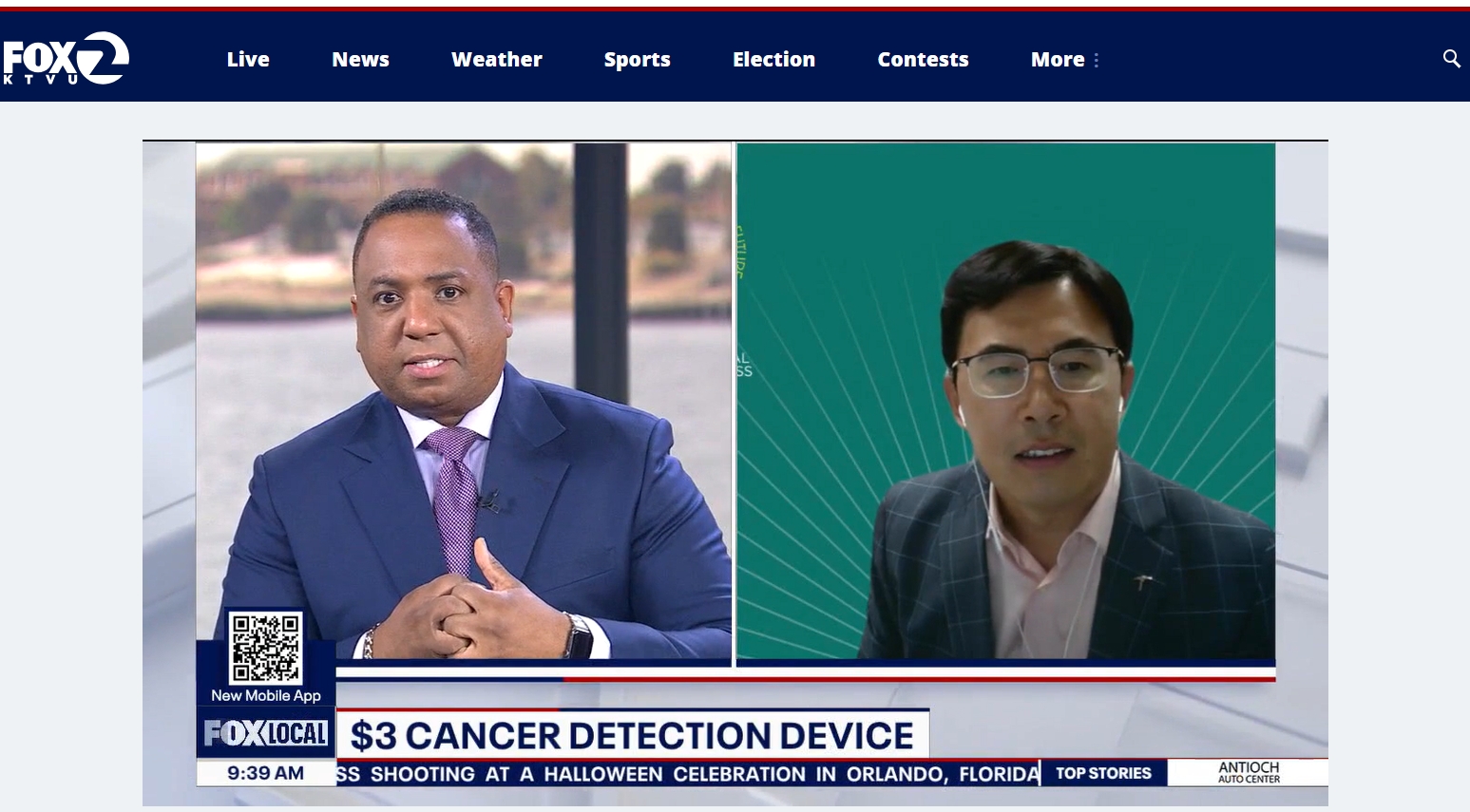
Dr. XiuJun Li is a Professor in the Department of Chemistry and Biochemistry at The University of Texas at El Paso (UTEP) within the College of Science. He leads the Li Microfluidic Lab-on-a-Chip & Nanotechnology Group, focusing on the development of cutting-edge, low-cost diagnostic technologies for applications in bioanalysis, biomedical engineering, forensic science, and environmental science. His work is highly interdisciplinary, bridging chemistry, engineering, and biology. Dr. Li's primary research interests lie in microfluidics, nanotechnology, lab-on-a-chip systems, and point-of-care diagnostics. His lab specializes in creating paper and polymer hybrid microfluidic devices for the ultrasensitive detection of cancer biomarkers, infectious diseases (such as SARS-CoV-2 and pertussis), and environmental toxins. A significant focus is on making these devices instrument-free and affordable, particularly for use in resource-limited settings and rural areas. His recent work on a $3 paper-based cancer detector has garnered significant media attention, including features in the New York Post and local TV stations. The trend in Dr. Li's recent publications reveals a strong emphasis on developing portable, visual, and quantitative diagnostic platforms. His research frequently involves the integration of nanomaterials for signal amplification, the use of microfluidic chips for controlled reactions, and innovative readout methods like bar-chart displays and smartphone-based detection, all aimed at creating practical tools for real-world healthcare challenges. Dr. Li has received substantial recognition for his contributions to science, including being named one of the World's Top 2% of Cited Researchers by Elsevier and a Top Scholar by ScholarGPS. He is an Editorial Board Member for Microsystems & Nanoengineering (Nature Publishing Group) and has been awarded a Travel Grant from GEM on the Road’s PFI Programming. He holds patents for his inventions in biosensing and photothermal detection. Dr. Li is a dedicated mentor and educator. He has advised numerous PhD and Master's students, many of whom have gone on to prestigious postdoctoral positions at institutions like Harvard, UPenn, and MD Anderson. He is also the Director of the Forensic Science program at UTEP, where he organizes outreach events to engage students. His lab is actively involved in research, with multiple postdoctoral fellows and graduate students currently working on projects related to cancer detection and infectious disease study.
Andy Shih is a Professor in the Department of Electrical Engineering at École de technologie supérieure (ÉTS) in Montreal, Canada. He holds a B.Eng. and M.Eng. in Electrical Engineering from McGill University and a Ph.D. in Electrical Engineering from Massachusetts Institute of Technology. His research is conducted at the LaCIME (Communications and Microelectronic Integration Laboratory), where he focuses on innovative materials and advanced manufacturing. Dr. Shih's research interests span organic semiconductor devices, microfabrication & nanofabrication, printed and flexible electronics, sustainable electronic materials, organic transistors and sensors, soft MEMS, AI-enhanced sensing, and biomedical monitoring technologies. His work bridges materials science, electrical engineering, and biomedical applications, with particular emphasis on developing smart bandages, printed sensors, and flexible electronics for healthcare monitoring. His publications reveal a strong focus on organic electronics, sensor development, and biomedical applications, with increasing integration of AI techniques for sensor enhancement and data analysis. Dr. Shih teaches courses including Electromagnetism (ELE312), Microsystem Fabrication Processes (ELE676), and Photovoltaic Solar Energy Systems (ENR889). His supervision portfolio includes numerous doctoral and master's students working on diverse projects spanning printed electronics, MEMS, sensor development, AI applications in sensing, and photovoltaic systems. His research has resulted in multiple patents related to thin-film transistors, acoustic resonators, and sensor technologies.
Shantanu Chakrabartty is the Clifford W. Murphy Professor and Vice Dean for Research and Graduate Education at the McKelvey School of Engineering, Washington University in St. Louis. He holds affiliations with the Institute of Materials Science & Engineering . His research focuses on analog and neuromorphic computing, energy-efficient sensors, and biomedical instrumentation. Education: PhD, Johns Hopkins University, 2004 MS, Johns Hopkins University, 2002 BTech, Indian Institute of Technology, 1996 Research Interests: Professor Chakrabartty explores frontiers in neuromorphic integrated circuits, leveraging silicon and hybrid substrates to achieve energy efficiency and high-resolution sensing. His work includes self-powered sensors, machine learning processors, and biomedical tools. Recent projects involve neuro-inspired quantum optimization and low-power radar systems funded by a $1.9M grant. Awards: National Science Foundation CAREER Award (2010) MSU Teacher-Scholar Award (2011) MSU Innovation of the Year Award (2012) Labs & Teams: Former Director of the Adaptive Integrated Microsystems Laboratory at Michigan State University. Current projects emphasize interdisciplinary collaborations in materials science and biomedical engineering.
Tim Wilkinson is a Professor of Photonic Engineering at the University of Cambridge, holding a Fellowship at Jesus College. He serves as Director of Studies in Engineering and Manufacturing Engineering (Parts IIA and IIB) and specializes in photonics research. BEng Hons, University of Canterbury, New Zealand PhD, Magdalene College, University of Cambridge Research Interests: Liquid crystal photonics, devices, and displays Optical communications and spatial optics Nanophotonic devices and metasurfaces Holography and 3D display technologies Scientific Awards: ILCS Mid-Career Award Hilsum Medal from the BLCS Tim maintains additional affiliations with the Cambridge Centre for Microsystems and Photonics Engineering (CMMPE) and the Cambridge Energy Initiative. His personal interests include DJing, drum and bass music, Lego building, record collecting, and smallholding farming.