معرفی
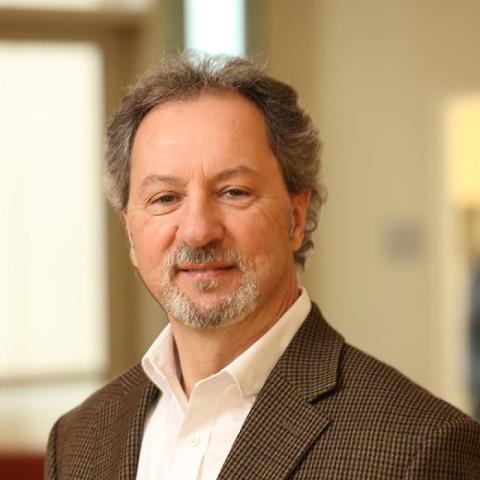
Dr. XiuJun Li is a Professor in the Department of Chemistry and Biochemistry at The University of Texas at El Paso (UTEP) within the College of Science. He leads the Li Microfluidic Lab-on-a-Chip & Nanotechnology Group, focusing on the development of cutting-edge, low-cost diagnostic technologies for applications in bioanalysis, biomedical engineering, forensic science, and environmental science. His work is highly interdisciplinary, bridging chemistry, engineering, and biology.
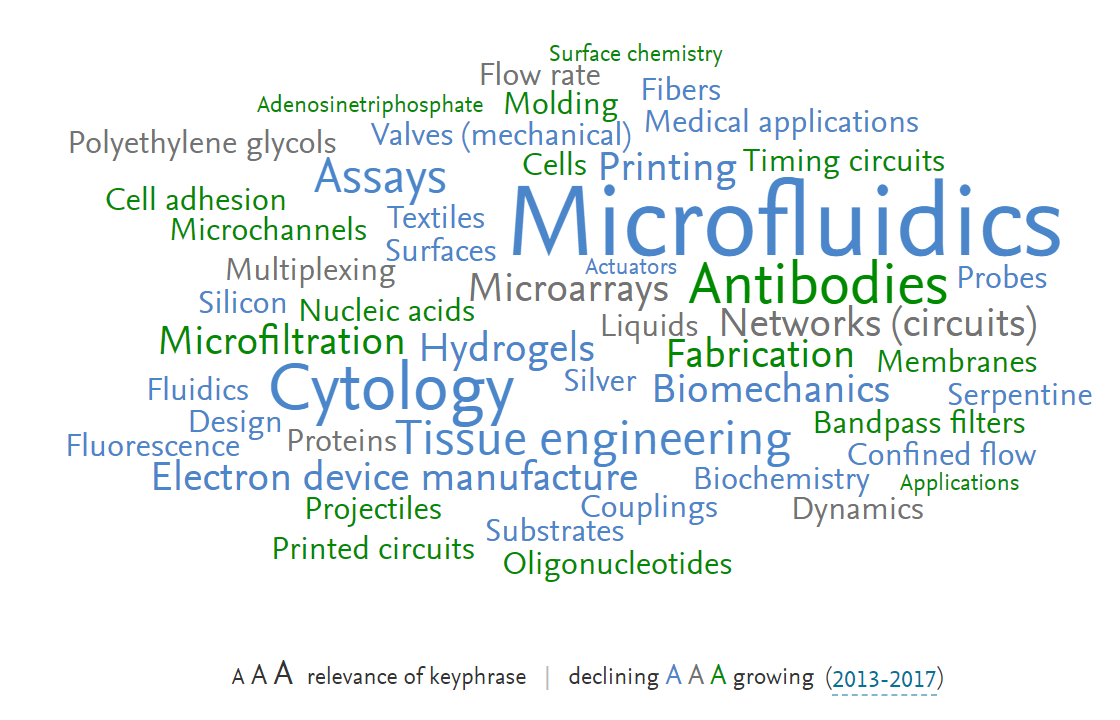
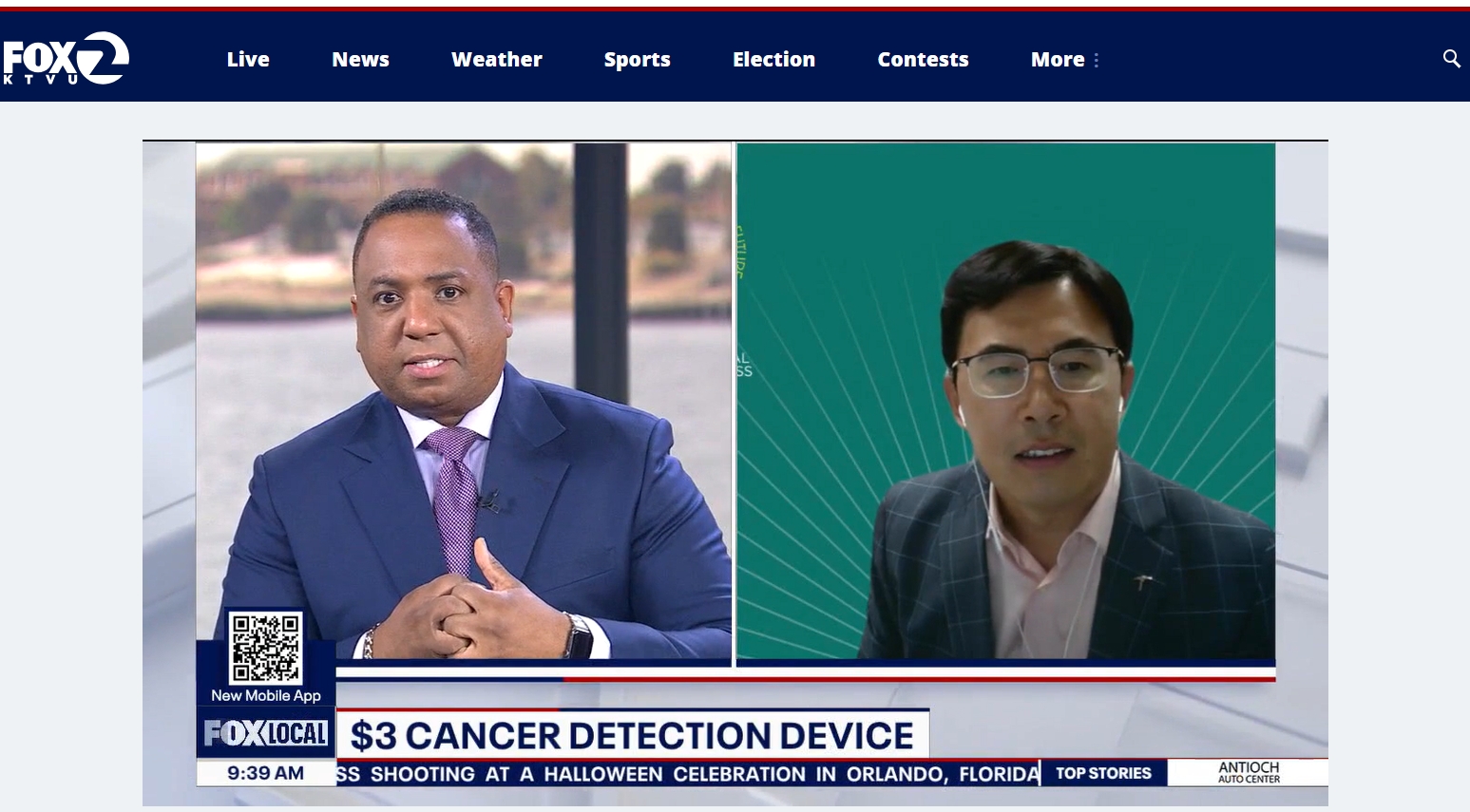
Dr. Li's primary research interests lie in microfluidics, nanotechnology, lab-on-a-chip systems, and point-of-care diagnostics. His lab specializes in creating paper and polymer hybrid microfluidic devices for the ultrasensitive detection of cancer biomarkers, infectious diseases (such as SARS-CoV-2 and pertussis), and environmental toxins. A significant focus is on making these devices instrument-free and affordable, particularly for use in resource-limited settings and rural areas. His recent work on a $3 paper-based cancer detector has garnered significant media attention, including features in the New York Post and local TV stations.
The trend in Dr. Li's recent publications reveals a strong emphasis on developing portable, visual, and quantitative diagnostic platforms. His research frequently involves the integration of nanomaterials for signal amplification, the use of microfluidic chips for controlled reactions, and innovative readout methods like bar-chart displays and smartphone-based detection, all aimed at creating practical tools for real-world healthcare challenges.
Dr. Li has received substantial recognition for his contributions to science, including being named one of the World's Top 2% of Cited Researchers by Elsevier and a Top Scholar by ScholarGPS. He is an Editorial Board Member for Microsystems & Nanoengineering (Nature Publishing Group) and has been awarded a Travel Grant from GEM on the Road’s PFI Programming. He holds patents for his inventions in biosensing and photothermal detection.
Dr. Li is a dedicated mentor and educator. He has advised numerous PhD and Master's students, many of whom have gone on to prestigious postdoctoral positions at institutions like Harvard, UPenn, and MD Anderson. He is also the Director of the Forensic Science program at UTEP, where he organizes outreach events to engage students. His lab is actively involved in research, with multiple postdoctoral fellows and graduate students currently working on projects related to cancer detection and infectious disease study.