- Neuroblastoma
- Medulloblastoma
- Childhood Cancer
- +۵ مورد دیگر
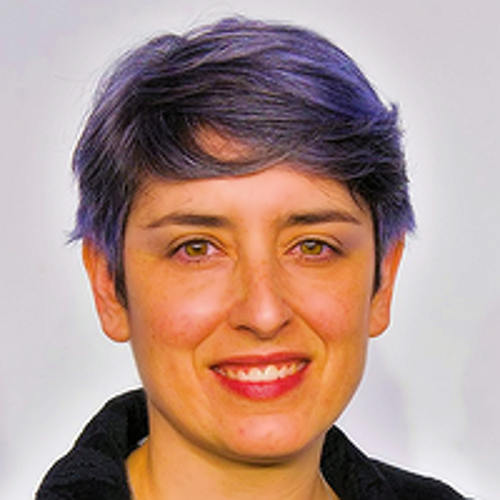
Marie Arsenian Henriksson is a Professor and Academic Vice President at Karolinska Institutet, leading the "Neural differentiation as a strategy for neuroblastoma treatment" research group within the Department of Microbiology, Tumor and Cell Biology. Her work focuses on neuroblastoma, the most common extra-cranial solid tumor in children that causes the highest number of cancer-related deaths in infants, as well as medulloblastoma tumors. Her research primarily investigates the role of the MYCN oncogene, which is amplified in high-risk neuroblastoma patients and strongly associated with poor survival and an undifferentiated tumor phenotype. A key discovery from her group demonstrated that the MYCN-regulated miR-17~92 cluster targets multiple nuclear hormone receptors, with the glucocorticoid receptor (GR) emerging as particularly significant. They found that GR is a direct target of this miRNA cluster, is the most significantly downregulated nuclear hormone receptor in MYCN-amplified neuroblastoma, and shows high prognostic value for patient outcomes. Her research has revealed that low GR expression correlates with an undifferentiated phenotype and decreased patient survival. Importantly, her team showed that MYCN inhibition and subsequent reactivation of GR signaling promotes neural differentiation and reduces tumor burden. This work provides a potential differentiation-based therapeutic approach for treating neuroblastoma patients. Her research group has received substantial funding from numerous sources including the Swedish Research Council, Swedish Cancer Society, Swedish Childhood Cancer Foundation, Knut and Alice Wallenberg Foundation, and other major Swedish research organizations. Knut and Alice Wallenberg Grant for over 30M SEK (2016) Featured researcher of the month at The Swedish Childhood Cancer Foundation (2015) Professor Henriksson supervises multiple PhD students and maintains collaborations with both national and international research groups. Her work aims to translate basic molecular discoveries into novel therapeutic strategies for childhood cancers, with potential applications extending to other MYC-driven cancers.