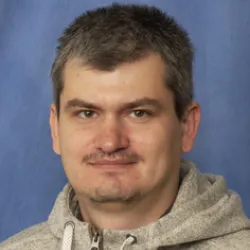
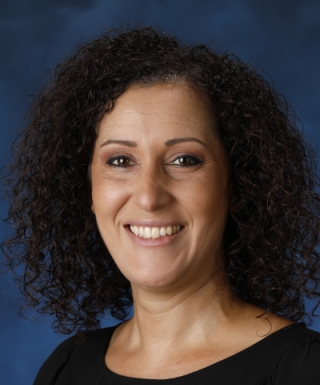
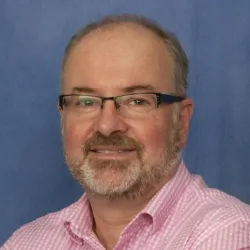
Arnaldo Carreira Rosario is an Assistant Professor in Biology and Neurobiology at Duke University's Trinity College of Arts & Sciences. His research focuses on understanding how neural circuits form and function, using the fruit fly Drosophila melanogaster as a model system. He investigates the transition from inactive to active neural states during development, combining imaging, behavioral analysis, and genetics. Education: Ph.D. in Biomedical Sciences, UT Southwestern Medical School (2016) B.S. in Biology, University of Puerto Rico (2009) Research Interests: Neural circuit formation and activity-dependent wiring Role of spontaneous network activity in brain development Behavioral neuroscience of locomotion control in Drosophila Grants: "Structure and function of spontaneous network activity during circuit formation" (NIH, 2024-2025) "Cell and Molecular Biology Training Program" (NIH, 2021-2026) "Training Program in Developmental and Stem Cell Biology" (NIH, 2001-2027) His work bridges genetics, neurobiology, and developmental biology, with applications to understanding fundamental mechanisms of neural circuit formation.
Dr. Nikolay Shirokikh is a Research Fellow at the Australian National University's John Curtin School of Medical Research, where he leads the Shirokikh Group focusing on Protein Biosynthesis and Homeostatic Control. His research examines rapid cellular responses through gene-specific translation analysis using high-throughput RNA/protein methods and computational biology. Research interests include: RNA biology and translational control mechanisms Stress response pathways in cancer and neurological disorders Computational modeling of protein biosynthesis Recent publications (2022-2024) demonstrate a focus on RNA modifications, nanopore sequencing, and machine learning applications in transcriptome analysis. Major themes include RNA modification mapping, translational dynamics under stress, and evolutionary conservation of RNA machinery. Awards: The Gordon Ada Early Career Researcher Award (2016) Supervises PhD students including Shafi Mahmud, Mohammed Muntasir, Agin Ravindran, and Katrina Woodward. Collaborates with the Hannan Group on cancer therapeutics and contributes to the Shine-Dalgarno Centre for RNA Innovation.
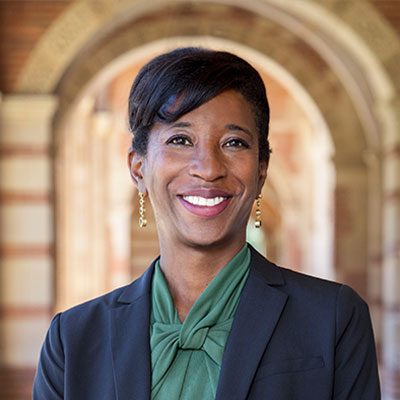
Tracy L Johnson is a Professor in the Department of Molecular, Cell and Developmental Biology at the University of California, Los Angeles (UCLA), College of Letters and Science. Her research bridges molecular biology and health services, focusing on RNA processing, chromatin modification, and biomedical systems. Key Research Areas: RNA splicing, cotranscriptional regulation, yeast genetics, health services, and epigenetic mechanisms. Recent Publications: Highlight roles of chromatin in RNA splicing, dopamine signaling in neurological models, and computational approaches to gene structure. Awards: Recipient of the Suzanne Eaton Memorial Prize and NIH funding via IRACDA K12GM106996 (Co-PI) and R01GM085474 (PI).
Professor Mark Walker is a Professorial Research Fellow & Group Leader at the Institute for Molecular Bioscience, The University of Queensland. He holds an affiliation with the Centre for Superbug Solutions. His research focuses on medical microbiology, specifically the pathogenesis, evolution, and control of Group A Streptococcus (GAS) infections. Key areas include vaccine development, antibiotic resistance mechanisms, and molecular diagnostics. Walker earned his Doctor of Philosophy from The University of Queensland. His work spans clinical, genomic, and immunological studies, addressing global health challenges such as scarlet fever epidemics and multidrug-resistant pathogens. His research interests include GAS pathogenesis, vaccine candidate evaluation, and the molecular basis of bacterial virulence. Recent studies emphasize the role of M proteins, superantigens, and host-pathogen interactions in disease progression. He has contributed to breakthroughs in repurposing drugs like PBT2 to combat antibiotic resistance. Over 247 publications reflect his interdisciplinary approach, combining omics, clinical trials, and translational research. He leads major grants from NHMRC, CARB-X, and industry partners, totaling millions in funding. His supervision spans 10+ PhD students investigating vaccine efficacy, antibiotic modulators, and bacterial evolution. Walker collaborates globally, with projects in Australia, the U.S., and China. His lab’s innovations include mRNA vaccine development and novel antimicrobial strategies, aiming to reduce global infectious disease burden.
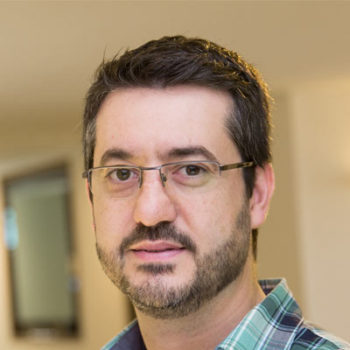
Man Hing Li is an Associate Professor in the Department of Microbiology, Immunology & Molecular Genetics at UCLA. He leads the Li Lab, focusing on host innate immune responses against viral infections, particularly the mechanisms of interferon-stimulated genes (ISGs) and antiviral proteins like ZAP. His research uses alphaviruses as model systems to study viral-host interactions. Education: B.S. Biological Sciences, University of California, Irvine (2006) Ph.D. Microbiology, University of Washington, Seattle (2011) Virology Postdoctoral Fellowship, The Rockefeller University (2017) Research Focus: Dr. Li's lab investigates how ISGs like ZAP and TRIM25 synergize to inhibit viral replication. They study viral evasion strategies and the role of antiviral immunity in stem cells and barrier tissues, such as the blood-brain barrier. Recent work includes analyzing ZAP's stress granule localization and its role in viral resistance. Funding & Grants: Principal Investigator: NIH R01AI158704 (2021–2026), studying ZAP inhibition mechanisms. Co-Investigator: American Heart Association grant (2022–2025), exploring viral fragments in cardiovascular sequelae of COVID-19. Lab & Collaborations: The Li Lab collaborates with institutions like UCSF and UCSD, focusing on antiviral immunity, viral pathogenesis, and translational research in emerging viruses like Zika and alphaviruses.
Ihab Younis is a Teaching Professor in the Department of Biological Sciences at Carnegie Mellon University , leading the Biological Sciences Program at CMU Qatar. He holds a Ph.D. in Molecular, Cellular, and Developmental Biology from The Ohio State University, with M.S. and B.S. degrees in Biology from the American University of Beirut. His research focuses on post-transcriptional regulation of gene expression , particularly intron splicing mechanisms and their role in cancer. His lab employs cutting-edge techniques like RNA-seq and high-throughput screening to study splicing defects in cancer cells and has identified novel splicing regulators. A key focus is the role of minor introns as stress-induced molecular switches, mediated by the unstable U6atac snRNA component of the minor spliceosome. Younis teaches courses including Genetics, Molecular Biology, Virology, and Cancer Biology. His lab integrates computational and experimental approaches, including projects exploring splicing aberrations in cancer and mechanisms controlling mRNA length. He has published extensively on splicing regulation, HTLV viral replication, and the SMN complex's role in RNP assembly. His work bridges basic science and translational research, aiming to uncover therapeutic targets for cancer and viral diseases. Despite no explicitly listed awards, his contributions to splicing mechanisms and stem cell applications highlight impactful academic leadership.
Allan Jacobson is Professor and Chair Emeritus at UMass Chan Medical School, holding the Gerald L. Haidak, MD, and Zelda S. Haidak Endowed Chair in Cell Biology. His research focuses on cytoplasmic aspects of post-transcriptional regulation in eukaryotes, particularly nonsense-mediated mRNA decay (NMD) and therapeutic approaches for genetic disorders caused by nonsense mutations. Affiliations: Department of Microbiology, RNA Therapeutics Institute, and NeuroNexus Institute Education: PhD in Biology, Brandeis University MS in Genetics, Rutgers University BA in Biology/Music, Stephens College His lab investigates mechanistic differences between premature and normal translation termination, defining roles of Upf proteins in NMD. This fundamental research led to co-founding PTC Therapeutics and development of ataluren (Translarna®), an FDA-approved treatment for nonsense mutation disorders. Publications demonstrate extensive expertise in mRNA decay mechanisms, yeast genetics, and translational control. Recent work explores decapping enzyme regulation and ribosomal dynamics during termination. Current projects include single-molecule analysis of protein synthesis, characterization of endogenous NMD substrates, and developing nonsense suppression therapies for over 2000 genetic disorders.
Lori J. Lorenz is an Assistant Professor in the Program in Molecular Medicine at UMass Chan Medical School. She is also affiliated with the NeuroNexus Institute and the Program in Molecular Medicine at the T.H. Chan School of Medicine. Her research focuses on understanding the molecular mechanisms underlying neural function and behavior, with a particular emphasis on circadian rhythms, mRNA translation, and neurological disorders such as fragile X syndrome. Lorenz holds a BS in Biochemistry and Molecular Biology from Purdue University and a PhD in Molecular Neurobiology from Brandeis University. Her postdoctoral training included studies at Harvard Medical School under Norbert Perrimon and David Van Vactor, followed by collaborative work with Joel Richter at the University of Massachusetts Medical School. Her research explores how genes and proteins like CPEB and Neuroguidin regulate neuronal activity and synaptic plasticity. She uses model organisms such as Drosophila and mice to investigate mechanisms of translational control and their roles in diseases like fragile X syndrome. Key contributions include demonstrating that reducing CPEB protein levels can ameliorate deficits in fragile X model mice and identifying Neuroguidin’s role in inhibiting translation via interactions with CPEB. Lorenz’s work bridges basic science and translational research, leveraging fruit fly and rodent models to uncover pathways relevant to human neurobiology. Her lab’s current projects focus on understanding how CPEB and FMRP (fragile X mental retardation protein) interact to control neuronal excitability and behavior, with implications for developing therapies for autism spectrum disorders.
Selma Masri is Associate Professor of Biological Chemistry at UC Irvine School of Medicine, investigating circadian regulation of metabolism and chromatin dynamics. Research explores sirtuin-mediated epigenetic control of metabolic pathways and circadian disruption in cancer. Key findings reveal partitioning of circadian transcription by SIRT6 and metabolic control mechanisms. Current studies examine DNA damage responses, tumor immunosuppression rhythms, and therapeutic modulation of circadian-metabolic interactions in disease.
Dr. Anneliese Ashhurst is a Research Fellow in the School of Medical Sciences at the University of Sydney, affiliated with the Sydney Infectious Diseases Institute (Sydney ID) and the Charles Perkins Centre. Her research focuses on developing therapies to control inflammation in skin conditions like psoriasis and dermatitis, as well as studying pulmonary immune responses to infectious diseases such as tuberculosis and influenza. She collaborates with interdisciplinary teams in pharmaceutical science and chemistry to advance translational outcomes. Dr. Ashhurst holds memberships in key organizations including the Australia and New Zealand Society of Immunology and GRAPPA (Group for Research and Assessment of Psoriasis and Psoriatic Arthritis). She also contributes to teaching and mentoring, supervising research students and lecturing in undergraduate programs. Her research interests span innovative vaccine design for respiratory pathogens, immunomodulatory therapies for chronic inflammation, and the development of inhalation-based drug delivery systems. She leads or co-leads grants targeting SARS-CoV-2 vaccines and therapies for skin inflammation, including a project on the peptide RP23 funded by GRAPPA. Dr. Ashhurst is a member of multiple research networks such as the Centre for Translational Skin Research and the Westmead Institute for Medical Research.
Thomas Aguiar Vallim is an Associate Professor of Medicine and Biological Chemistry at the David Geffen School of Medicine at UCLA. He co-directs the Tarling-Vallim Laboratory where his research focuses on the molecular mechanisms controlling lipid homeostasis in health and disease, with particular emphasis on cardiovascular and pulmonary conditions. Education: MSci in Biochemistry and Biological Chemistry from University of Nottingham (2002) PhD in Nutritional Biochemistry from University of Nottingham (2008) Postdoctoral training in Lipid Metabolism at UCLA (2013) Dr. Vallim's research spans multiple areas of lipid biology including bile acid metabolism, cholesterol homeostasis, and the role of lipids in diseases such as atherosclerosis, MASLD (Metabolic dysfunction-Associated Steatohepatitis), and pulmonary alveolar proteinosis. His work investigates both transcriptional and post-transcriptional regulatory mechanisms, particularly focusing on nuclear receptors like FXR and RNA-binding proteins like ZFP36 family members. His lab employs a multidisciplinary approach combining physiology, genetics, biochemistry, and multi-omics analyses to uncover novel pathways in lipid metabolism. His publication record demonstrates a strong focus on translational research connecting basic mechanisms to clinical applications, particularly in understanding how lipid dysregulation contributes to disease pathogenesis. Recent work has highlighted the role of bile acids in intestinal lipid absorption, the function of RNA-binding proteins in metabolic regulation, and the connection between lipid metabolism and pulmonary immunity. Outstanding Research Award, ATVB Council of the AHA, 2017 Paul Dudley White International Scholar, American Heart Association, 2017 David L. Williams Award Winner, Kern Lipid Conference, 2016 Irvine H. Page Young Investigator Research Award Winner, ATVB Council of the AHA, 2015 George Popják Scholar Award for Outstanding Contribution to the Field of Atherosclerosis, UCLA, 2013 Dr. Vallim serves as Principal Investigator or Co-Principal Investigator on multiple NIH-funded projects totaling over $5 million in research support. He actively mentors graduate students and postdoctoral fellows in the Tarling-Vallim Laboratory, which maintains strong collaborations across UCLA and with international research institutions. His lab has developed innovative approaches including liver-directed CRISPR-Cas9 genome editing, advanced lipidomic analyses, and physiological assessments of intestinal lipid absorption. The Tarling-Vallim Laboratory operates as a collaborative research environment with shared expertise in molecular biology, physiology, and translational research. The lab maintains specialized equipment for lipidomic analyses, mouse physiology studies, and molecular techniques, supporting both basic science investigations and translational projects aimed at developing new therapies for lipid-related disorders.
Dr. Tatiana Soboleva is an Associate Professor in the Genome Sciences and Cancer Division at The Australian National University (ANU). She holds affiliations with the Shine-Dalgarno Centre for RNA Innovation and collaborates with the Chromatin and Translational Regulation group led by Prof. David Tremethick. Her research focuses on epigenetic mechanisms governing cell differentiation and cancer, particularly the role of histone variants like H2A.B in spermatogenesis and oncogenesis. Dr. Soboleva completed her undergraduate studies in biochemistry at Moscow State University, earned a PhD in Molecular Medicine from ANU’s John Curtin School of Medical Research (JCSMR), and conducted postdoctoral research under Prof. Ian Young and Prof. David Tremethick. Her work revealed H2A.B’s dual role in chromatin regulation and RNA processing, with implications for male fertility and brain function. Key research interests include the interplay between epigenetic regulators, gene expression, and disease. Her lab investigates how H2A.B modulates ribosome biogenesis in cancers like Hodgkin lymphoma and its role in spermatogenesis-specific processes. Collaborations emphasize translational epigenetics and cross-disciplinary approaches. Her projects are supported by NHMRC grants and focus on developing therapies targeting H2A.B in cancer. She supervises research students and leads a team exploring histone-RNA interactions, chromatin dynamics, and epigenetic dysregulation in disease.
Mark Ashe is Professor of Cell Biology at the University of Manchester's Division of Molecular & Cellular Function. He holds a BSc from Liverpool University, DPhil from Oxford University, and completed postdoctoral research at UC Berkeley. His lab investigates translation initiation mechanisms, mRNA localization, and cellular stress responses in yeast, with applications in synthetic biology and biofuel production. Research areas include: Regulation of translation factories in protein synthesis Stress-induced translational control pathways mRNA interactome mapping Yeast-based biofuel production systems Recent publications focus on protein kinase A signaling, RNA degradation mechanisms, and paralogous translation factors. Articles employ molecular genetics, omics technologies, and high-resolution imaging. Leads BBSRC-funded projects and ERC Advanced Grant. Supervises postdoctoral researchers and doctoral students in cell biology.
Professor Ross Hannan is a prominent academic and researcher at the Australian National University (ANU), specifically within the John Curtin School of Medical Research (JCSMR). He holds the inaugural Centenary Chair in Cancer Research and leads the ACRF Department of Cancer Biology and Therapeutics. His roles include Deputy Dean, Research at the College of Health and Medicine (CHM), and Group Leader at the Peter MacCallum Cancer Centre. Hannan's research focuses on ribosome biogenesis and nucleolar stress, with significant contributions to developing RNA polymerase I inhibitors for cancer treatment. These inhibitors are now in clinical trials for hematologic cancers. Education: PhD from the University of Tasmania (1994) Postdoctoral research in the USA Research Interests: Cancer Biology and Therapeutics Ribosome Biogenesis and its role in malignancy Epigenetic and transcriptional regulation High-throughput screening for drug discovery His work bridges laboratory research and clinical collaboration, leading to innovative therapies like the first-in-class RNA Pol I inhibitor CX-5461 and its successor PMR-116. Publications & Trends: Recent articles highlight advancements in ribosome-targeted therapies, DNA damage responses, and combination treatments. Themes include exploiting nucleolar stress pathways and identifying biomarkers for treatment efficacy. Awards & Fellowships: NHMRC Principal Research Fellow Australian Society for Biochemistry and Molecular Biology President Adjunct Professorships at multiple institutions Advising & Grants: Supervises projects on resistance mechanisms, biomarker identification, and drug development Leads grants targeting RNA Pol I inhibitors, ribosomal DNA dynamics, and combination therapies Labs & Teams: The Hannan Group - Cancer Therapeutics Collaborations with The Schulte Group (Systems Biology) and The Quinn Group (Brain Cancer) His lab integrates genomics, biochemistry, and in vivo models to advance cancer therapeutics.
Andrew G Jakymiw is an Associate Professor at the Medical University of South Carolina (MUSC), affiliated with the College of Dental Medicine and the Department of Biomedical & Community Health Sciences. He holds a PhD in Biochemistry & Molecular Biology from the University of Calgary and completed postdoctoral training at the University of Florida. His research focuses on cell-penetrating peptide (CPP)-mediated delivery of nucleic acid-based therapeutics for cancer, age-related macular degeneration, and organ transplantation. Dr. Jakymiw has received notable awards including the NIH Pathway to Independence Award and Bankhead-Coley New Investigator Grant. His work spans RNA interference mechanisms, miRNA delivery strategies, and peptide carrier design. He maintains an adjunct role at Clemson University's Bioengineering Department and has collaborated on studies involving siRNA delivery systems and cancer therapy advancements. Education : PhD, University of Calgary, Biochemistry & Molecular Biology Postdoctoral Training, University of Florida, Department of Oral Biology Research Interests : Development of CPP-based delivery systems for nucleic acid drugs, mechanisms of peptide-mediated cellular entry, and translational applications in cancer and AMD. His lab explores enhancing siRNA stability, targeting efficiency, and overcoming biological barriers for clinical translation. Publications Trends : Recent work emphasizes peptide carrier optimization (e.g., stereochemical modifications for enhanced gene silencing), mitochondrial DNA delivery, and miRNA therapeutic strategies. Earlier studies include foundational research on GW bodies, RNA interference pathways, and Golgi protein autoantibodies. Awards : Canadian Institutes of Health Research Studentship (1997–2002) Alberta Heritage Foundation for Medical Research Awards (2001–2003) American Society for Cell Biology Travel Award (2005) NIH K99/R00 Pathway to Independence Award (2008–2014) Grants & Collaborations : Active grants include support from NIH (e.g., R21 DE027231), NIDCR, and Hollings Cancer Center. Collaborative projects involve Clemson University and industry partners in nanomedicine and drug delivery. His research bridges basic science (RNA biology) with translational goals, including clinical trials for targeted therapies. Labs & Teams : Leads the Jakymiw Lab at MUSC, focusing on nucleic acid delivery systems. Collaborates with Hollings Cancer Center and interdisciplinary teams in bioengineering and molecular biology.