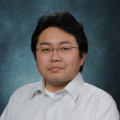
Arthur G. Hunt is a Professor in the Department of Plant and Soil Sciences at the University of Kentucky, affiliated with the Martin-Gatton College of Agriculture, Food and Environment. He holds a Ph.D. in Biochemistry from Brandeis University (1982) and a B.S. in Biological Sciences from the University of Lowell (1976). His research focuses on RNA processing mechanisms in plants, particularly mRNA 3' end formation and polyadenylation, using model organisms like Arabidopsis thaliana, Escherichia coli, and Saccharomyces cerevisiae. Current projects explore protein interaction networks in polyadenylation factors and applications of foreign gene expression in plants for biochemical analysis. Notable achievements include being elected an AAAS Fellow (2017) and named a University of Kentucky Research Professor (2015). His work has produced over 30 peer-reviewed publications since 2014, with recent emphasis on hypoxia-responsive gene regulation and systemic immunity mechanisms. Collaborative projects include studies on honeybee transcriptomics under stress conditions and red clover genome analysis. The Hunt Lab employs multi-disciplinary approaches combining genetics, molecular biology, and biochemistry.
Joanna Bakowska, PhD, is an Associate Professor in the Department of Molecular Pharmacology & Neuroscience at Loyola University Chicago’s Stritch School of Medicine. Her research focuses on understanding the molecular mechanisms underlying hereditary spastic paraplegias (HSPs), particularly Troyer syndrome (SPG20), by investigating the role of the spartin protein in intracellular trafficking, mitochondrial function, and neurodegeneration. She employs genetic, behavioral, and cellular approaches in models such as C. elegans, mice, and human fibroblasts to uncover disease mechanisms. Her work highlights spartin’s critical role in EGF receptor trafficking, mono-ubiquitination processes, and mitochondrial Ca²⁺ homeostasis. Recent studies explore spartin’s protective effects against oxidative stress and its interactions with proteins like AIP4 and Eps15. Bakowska’s research contributes to developing therapeutic strategies for neurodegenerative disorders. Research Trends: Her publications span molecular biology, cellular signaling, and neurodegenerative mechanisms, with a focus on ubiquitin pathways, receptor recycling, and mitochondrial dysfunction. Collaborative work in plant biology (Arabidopsis lipid remodeling) demonstrates interdisciplinary approaches to stress response studies. Grants & Advising: No specific grants or advisees are listed, though her work aligns with neurological research funding priorities. She collaborates widely, evidenced by co-authorships across institutions. Labs/Teams: Affiliated with Loyola’s Molecular Pharmacology & Neuroscience department, contributing to collaborative research initiatives on neurodegenerative diseases and cellular biology.
Emre Aksoy is an Assistant Professor in the Department of Biological Sciences (Biology/Molecular Biology and Genetics) at Middle East Technical University (METU), Ankara, Turkey. Previously, he held an Assistant Professor position at the Department of Agricultural Genetic Engineering at Niğde Ömer Halisdemir University from 2015 to 2021. His research focuses on plant biotechnology, particularly stress tolerance mechanisms, biofortification, and genetic engineering in crops such as soybean, potato, wheat, and Arabidopsis. Education: PhD in Molecular and Environmental Plant Sciences from Texas A&M University (2009–2014), M.Sc. and B.Sc. in Biological Sciences from METU (2002–2009). Research Interests: Molecular mechanisms of nutrient uptake and signaling, stress tolerance in crops via genetic engineering, GATA transcription factors, and RNA polymerase regulation under stress conditions. His lab collaborates nationally and internationally to develop resilient crop varieties using advanced genetic tools. Key Publications (2024): Genome-wide studies on safflower and potato, GATA transcription factor characterization, and CRISPR-based genome editing guidelines. Notable earlier work includes studies on Arabidopsis stress responses and potato stress tolerance. Laboratory Activities: Focuses on biofortification, abiotic stress biology, and molecular breeding. Current projects include genome-wide association studies and CRISPR applications in crop improvement.
Prerana Shrestha is an Assistant Professor in the Department of Neurobiology & Behavior at Stony Brook University, part of the Renaissance School of Medicine. Her research focuses on protein synthesis dynamics in memory processes, particularly in amygdala and prefrontal cortex circuits. She employs advanced techniques like chemogenetics and optogenetics to study threat memory consolidation and maladaptive behaviors in conditions like Tuberous Sclerosis Complex (TSC). Education: B.S. in Biological Chemistry (Bates College, 2003), Ph.D. in Life Sciences (Rockefeller University, 2011). Postdoctoral training at NYU with Eric Klann and Rockefeller University with Nathaniel Heintz. Honors include the 2022 Sloan Research Fellowship and NARSAD Young Investigator Award. Research Interests: Cell-type specific translation regulation during emotional memory formation, molecular mechanisms of stress-induced depression, and translational control in neurological disorders. Her lab integrates mouse transgenesis, in vivo pharmacology, and proteomics to dissect protein synthesis roles in adaptive and maladaptive behaviors. Awards: Sloan Research Fellow (2022), Anuradha Rao Memorial Award (2019), NARSAD Young Investigator (2017–2020). Her work has been published in *Nature*, *Nature Neuroscience*, and *Trends in Neurosciences*. Lab Team: Includes postdocs (e.g., Javed Iqbal), graduate students (e.g., Saheed Lawal), and undergraduates. Collaborations focus on TSC mouse models, oxytocin signaling, and threat discrimination circuits. Funding includes NIH grants and foundation support. Teaching: Instructs graduate courses on systems neuroscience and local translation in axon guidance. Committed to diversity initiatives, including the Turner Fellowship program for underrepresented students.
Dr. Perry Howard is an Associate Professor in the Department of Biochemistry and Microbiology at the University of Victoria. His research focuses on RNA processing, cellular decision-making mechanisms, and their roles in human diseases such as cancer and blindness. He leads a lab investigating the ARS2 gene's role in RNA lifecycle regulation and its implications for treatments targeting diseases like malignancy and retinal disorders. His work is supported by grants from NSERC, the Foundation Fighting Blindness, and other organizations. Educations: BSc from University of Waterloo; PhD from University of Toronto Research interests include understanding how RNA processing pathways govern cell behavior and disease progression. Key areas include ARS2-mediated nonsense-mediated decay, ER stress responses, and nanoparticle-based cancer therapies. His lab has discovered critical roles of ARS2 in retinal progenitor cell development and Müller glial fate specification. Dr. Howard’s articles highlight advancements in nanotechnology for cancer treatment, histone isoform regulation, and microRNA-based therapies. His work bridges basic science and clinical applications, emphasizing translational research for human health. Grants from NSERC and other agencies support this mission. He mentors graduate students in areas of molecular biology and nanomedicine, contributing to interdisciplinary collaborations across the Faculty of Science. His lab is part of the Biochemistry & Microbiology department at UVic, fostering innovation in gene regulation and disease modeling.
Dr. Simon Trowitzsch is a Group Leader at the Institute of Biochemistry at Goethe-University Frankfurt, where he also serves as a Senior Scientist collaborating with Prof. Robert Tampé. His research focuses on ribonucleoprotein complexes, antigen processing mechanisms, and enabling technologies for studying multiprotein complexes. He holds a PhD in Biochemistry from Georg-August University Göttingen and Max-Planck Institute for Biophysical Chemistry, and a Diploma in Biochemistry from Georg-August University. Dr. Trowitzsch leads a team (TrowitzschLab) investigating fundamental aspects of gene expression and immune system function. His work integrates structural biology, molecular biology, and advanced biophysical techniques. Notable achievements include structural studies of the MHC-I peptide-loading complex and discoveries in tRNA splicing ligase mechanisms. Research Interests: Ribonucleoprotein complexes in gene expression Antigen processing pathways in adaptive immunity Development of tools for multiprotein complex analysis Key Awards: Marie-Curie Intra-European Fellowship (2010–2012) Max-Planck Research Stipend (2008–2009) Funding: DFG Grant on tRNA Biogenesis Associated Member of Collaborative Research Center 902 His group actively collaborates with institutions like the European Molecular Biology Laboratory (EMBL) and employs cutting-edge methods such as cryo-EM and mass spectrometry. Future work aims to bridge structural insights with functional studies of immune-related complexes.
Dr. Kausik Chakrabarti is an Associate Professor in the Department of Biological Sciences at the University of North Carolina at Charlotte (UNC Charlotte), part of the College of Liberal Arts & Sciences. His research focuses on RNA biology, particularly the role of RNA in genome regulation, with emphasis on parasitic pathogens like Plasmodium falciparum (malaria) and Trypanosoma brucei (sleeping sickness), as well as human cancers. His lab investigates RNA-protein interactions, telomerase dynamics, and post-transcriptional gene regulation. Dr. Chakrabarti’s lab is actively recruiting students for Master’s and Ph.D. programs in Biological Sciences, as well as undergraduate honors thesis candidates through the University Honors Program. Requirements include a strong academic record and coursework in biological sciences. His lab emphasizes hands-on research training and has recently seen student achievements, including awards at the RRM 2024 conference and the Biomedical Research Symposium. His work spans molecular mechanisms of RNA modifications, mRNA processing, and the structural biology of telomerase. Collaborative projects include studying telomerase regulation in deep-branching eukaryotes and developing RNA-SHAPE analysis tools. Dr. Chakrabarti’s research bridges fundamental biology with translational applications in infectious diseases and cancer.
Dr. Thomas Schwarz is a Professor of Neurology at Harvard Medical School and Boston Children's Hospital, leading research on mitochondrial dynamics, axonal transport, and neurodegenerative mechanisms. His laboratory investigates fundamental cell biological processes underlying neural function and pathology. Research focuses on: Mitochondrial transport and quality control in neurons Molecular mechanisms of mitophagy and axonal degeneration Synaptic development and vesicle trafficking Parkinson's disease pathophysiology Recent studies examine Miro GTPase regulation of mitochondrial motility, PINK1 mRNA transport mechanisms, and metabolic adaptations of mitochondrial dynamics. His work bridges molecular neurobiology with disease mechanisms, particularly in Parkinson's disease and optic atrophy models. Dr. Schwarz teaches cellular neuroscience and mentors graduate students through the Harvard Program in Neuroscience. The laboratory employs diverse models including Drosophila genetics, mouse models, and iPSC-derived neurons.
Carolina Eliscovich, Ph.D., is an Assistant Professor in the Department of Medicine (Hepatology) and the Department of Developmental & Molecular Biology at Albert Einstein College of Medicine. Her research focuses on spatial organization of mRNAs in the liver, using advanced microscopy techniques like single-molecule Fluorescence in situ Hybridization (smFISH) to study gene expression dynamics in intact tissues. She investigates liver zonation, regeneration after injury, and metabolic adaptations during feeding-fasting cycles, with implications for diabetes and other metabolic diseases. Key research areas include understanding how hepatocytes’ microenvironment influences gene expression, mechanisms of liver regeneration, and translational control in cancer and development. The Eliscovich Lab is affiliated with the Marion Bessin Liver Center, ES-Diabetes Research Center, Gruss Lipper Biophotonics Center, and the Program in RNA Biology at Einstein. Her work bridges cell biology, molecular mechanisms, and in vivo imaging, contributing to insights into tissue-specific gene regulation and disease pathways.
Dr. Joo-Youp Lee is a Professor in the Department of Chemical and Environmental Engineering at the University of Cincinnati. He has held multiple roles at UC since 2005, including Research Assistant Professor, Assistant Professor, and Associate Professor, before attaining his current rank in 2019. His industrial experience includes work as a Process Engineer at Daelim Engineering Co. Ltd. in Seoul, Korea. Education: Ph.D. in Chemical Engineering, University of Cincinnati (2002) M.S. in Chemical Engineering, Sogang University, South Korea (1993) B.S. in Chemical Engineering, Sogang University, South Korea (1991) Research Interests: Dr. Lee's research spans two primary domains: (1) Heterogeneous catalysis and separation for energy/environmental applications (e.g., carbon capture, mercury emission control), and (2) Nanomedicine for targeted drug/gene delivery (e.g., cancer therapeutics using nanoparticle systems). His work integrates mathematical modeling and experimental approaches to address sustainability and biomedical challenges. Publication Trends: Recent articles (2018–2025) reflect dual emphases: environmental catalysis (mercury oxidation, CO 2 capture) and advanced drug delivery (prodrugs, co-delivery nanoparticles). Catalysis studies focus on catalyst design for industrial emissions, while nanomedicine research prioritizes stimuli-responsive systems for oncology, particularly breast cancer therapy. Awards: UC Distinguished Researcher Award (2018) NSF CAREER Award (2012) UC Master Educator Awards (2015) Technology Accelerator Award (2013) Advising & Grants: He has supervised 10+ graduate and 20+ undergraduate students. Major grants include NSF, DOE, and EPA funding (e.g., NSF CAREER Award for mercury control; DOE projects on CO 2 separation). His lab received $1M+ from Ohio agencies for carbon capture and mercury catalyst development. Lab & Teams: He directs the "Dr. Joo-Youp Lee's Lab" at UC, focusing on catalysis and nanomedicine. The team collaborates with institutions like Sogang University and industry partners (e.g., Yuhan Corporation for mRNA delivery systems).
Alexander Franks is an Associate Professor in the Department of Statistics and Applied Probability at the University of California, Santa Barbara. His research spans causal inference, covariance estimation, high-throughput biology, and sports analytics. He holds an NIH R01 grant to study post-transcriptional regulation in single cells, collaborating with Nikolai Slavov at Northeastern University. Ph.D. in Statistics, Harvard University, 2015 Sc.M. in Applied Mathematics, Brown University, 2010 Sc.B. in Computer Science and Applied Mathematics, Brown University, 2009 Dr. Franks' research focuses on causal inference and sensitivity analysis, particularly methods for assessing sensitivity to untestable assumptions. He develops approaches for causal inference with multiple concurrent treatments and multiple outcomes, exploring how dependencies inform sensitivity analysis. His work on covariance estimation characterizes variability in large-scale covariance matrices across multiple groups and as a function of continuous covariates. In high-throughput biology, he studies the relationship between mRNA and protein levels to understand post-transcriptional regulation. Additionally, he applies statistical methods to sports analytics, particularly basketball, analyzing player-tracking data and performance metrics. Dr. Franks' recent publications (2021-2025) demonstrate a strong focus on causal inference with multiple treatments and outcomes, sensitivity analysis for unobserved confounding, and covariance estimation. His work bridges theoretical statistics with applications in biology, public policy, and sports. Notable trends include the development of copula-based sensitivity analysis, Bayesian approaches to partial identification, and applications to diverse fields including abortion policy, gun control, neuroscience, and single-cell proteomics. Dr. Franks currently holds an NIH R01 grant to study post-transcriptional regulation in single cells, collaborating with Nikolai Slavov at Northeastern University. His research group develops statistical methodology with practical applications across multiple domains. His GitHub repositories "mgCov" and "factor-sensitivity" provide open-source implementations of his statistical methods for covariance estimation and sensitivity analysis. Dr. Franks collaborates with researchers across disciplines, particularly in biology and sports analytics. His work with Nikolai Slavov at Northeastern University focuses on single-cell proteomics. His research integrates statistical methodology development with practical applications in biological and social science domains, contributing to both theoretical advances and real-world problem solving.
Andrei Goga, MD, PhD is a Professor in the Department of Cell and Tissue Biology at the University of California San Francisco (UCSF) School of Medicine. His research focuses on understanding how oncogenes like MYC drive tumorigenesis through cell cycle, miRNA, and metabolic signaling pathways. The Goga Lab investigates therapeutic strategies targeting MYC-driven cancers, including triple-negative breast cancer and liver malignancies. Recent work highlights tumor microenvironment interactions, immune evasion mechanisms, and drug resistance pathways. Key research areas include: MYC oncogene biology and synthetic-lethal interactions Metastasis mechanisms and tumor plasticity Mitochondrial metabolism in cancer progression Combination immunotherapy strategies Publications highlight breakthroughs in understanding microbiota-drug interactions, mitochondrial reprogramming, and single-cell analysis of metastatic progression. Ongoing clinical trials evaluate novel therapies targeting cancer metabolism and immune checkpoints. Laboratory facilities include advanced metabolic imaging capabilities and collaboration with the UCSF Helen Diller Family Comprehensive Cancer Center. Current projects focus on translating molecular discoveries into clinical applications for hard-to-treat cancers.
Agnieszka Śmieszek is a Professor at the Department of Pharmacology and Toxicology, Faculty of Veterinary Medicine, Wrocław University of Environmental and Life Sciences. She leads multiple university-funded research projects, including studies on non-coding RNAs in equine metabolic syndrome, osteosarcoma biomarkers, and biomaterials for regenerative medicine. Her work focuses on translational veterinary science, stem cell biology, and cellular mechanisms underlying metabolic and skeletal disorders. Research Interests : Stem Cell Biology : Investigating the effects of pharmacological agents, magnetic fields, and biomaterials on mesenchymal stem cells (MSCs) from various species, including canines and equines. Non-Coding RNAs : Exploring the roles of miRNAs and lncRNAs in regulating mitochondrial dynamics, apoptosis, and cell senescence, particularly in osteoporosis and metabolic disease models. Oncology : Developing cross-species biomarker frameworks for osteosarcoma and studying the therapeutic potential of BRCA1/2 gene targets in canine cancer. Regenerative Medicine : Designing functionalized biomaterials (e.g., hydroxyapatite composites) to enhance tissue engineering and drug delivery systems. Research Projects (selected leadership roles): "Rola ENPP3-IncRNA: LOC111770406 (TUNAR) w regulacji stresu siateczki śródplazmatycznej w końskich komórkach progenitorowych endometrium" (2021–2022) "Rola BAM15, jako czynnika usprawniającego metabolizm, dynamikę mitochondrialną i decydualizację komórek progenitorowych endometrium u klaczy z otyłością" (2021–2022) "Rola glikodeliny A w stresie oksydacyjnym końskich komórek endometrium" (2021–2022) "Rola układu molekularnego lncRNA MEG3-miR19a-BMP4 w biologii komórek tkanki kostnej" (2020–2021) Advising & Grants : While no student names are listed, her projects are funded by internal grants (e.g., N010/0004/21, N090/0003/21) from Wrocław University. Her research spans collaborations with veterinary clinics and material science groups, emphasizing translational applications. Labs/Teams : Collaborates with interdisciplinary teams focusing on biomaterials, cellular therapies, and molecular pharmacology at Wrocław University’s Faculty of Veterinary Medicine.
David Higgs is Professor of Biological Sciences at the University of Wisconsin-Parkside. His research investigates chloroplast gene expression, RNA stability, and photosynthetic mechanisms using the green alga Chlamydomonas as a model system. Research focuses on: Chloroplast Genetics: Nuclear-chloroplast interactions, RNA processing, and gene regulation Photosynthesis: Structure-function relationships in photosystem components Stress Responses: Algal adaptation to nitrogen limitation and environmental stressors Publications (1993-2020) reveal fundamental discoveries in chloroplast RNA metabolism, including identification of RNA stability factors, characterization of photosynthetic mutants, and analysis of genome rearrangements that compensate for mutations. His work combines molecular genetics, biochemistry, and genomics to elucidate organelle gene expression mechanisms with applications in algal biotechnology and crop improvement.
Yohei Kirino is a Professor and Vice Chair for Research in the Department of Biochemistry and Molecular Biology at Thomas Jefferson University (TJU), and holds a joint appointment in the Computational Medicine Center. He leads the Kirino Lab, which focuses on understanding the biogenesis and molecular functions of short non-coding RNAs (ncRNAs) to develop novel biomarkers and therapies for diseases like cancer. His lab pioneered methods such as Four-Leaf Clover PCR, Dumbbell-PCR, cP-RNA-seq, and YAMAT-seq for analyzing ncRNAs. Dr. Kirino's research emphasizes piRNAs (germline-specific ncRNAs) and tRNA-derived ncRNAs. Key contributions include identifying BmPapi as a piRNA biogenesis factor, discovering SHOT-RNAs (tRNA halves promoting cancer cell proliferation), and elucidating how tRNA fragments activate TLR7 in immune responses. He joined TJU in 2013 after being an Assistant Professor at Cedars Sinai Medical Center (2010–2013), completing postdoctoral training at the University of Pennsylvania (2006–2010), and earning his PhD from the University of Tokyo (2006). Education: PhD in Biomedical Sciences, University of Tokyo (2006) MSc (2003), BSc (2001), University of Tokyo Research interests span ncRNA roles in cancer, immunity, and development, with particular focus on translational applications. His lab's tools have enabled breakthroughs in understanding RNA fragmentation and signaling pathways. Current work explores disease-specific ncRNA patterns and their clinical utility. Notable achievements include the discovery of SHOT-RNAs as therapeutic targets in hormone-dependent cancers and the development of YAMAT-seq for tRNA sequencing. His studies bridge RNA biology with computational approaches, advancing precision medicine strategies.