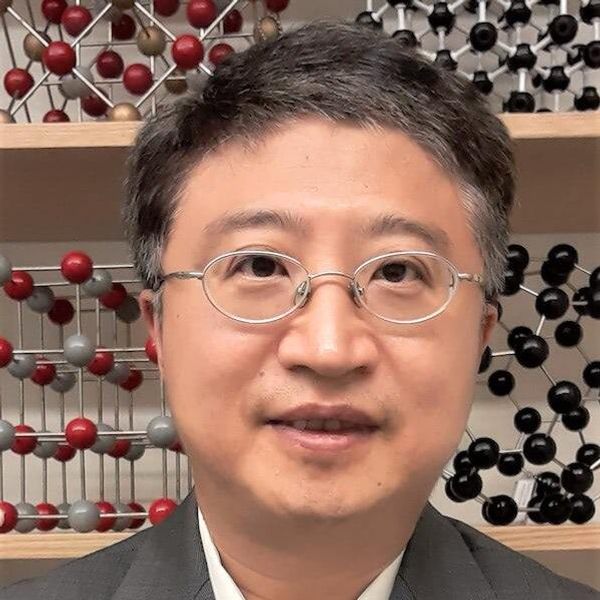
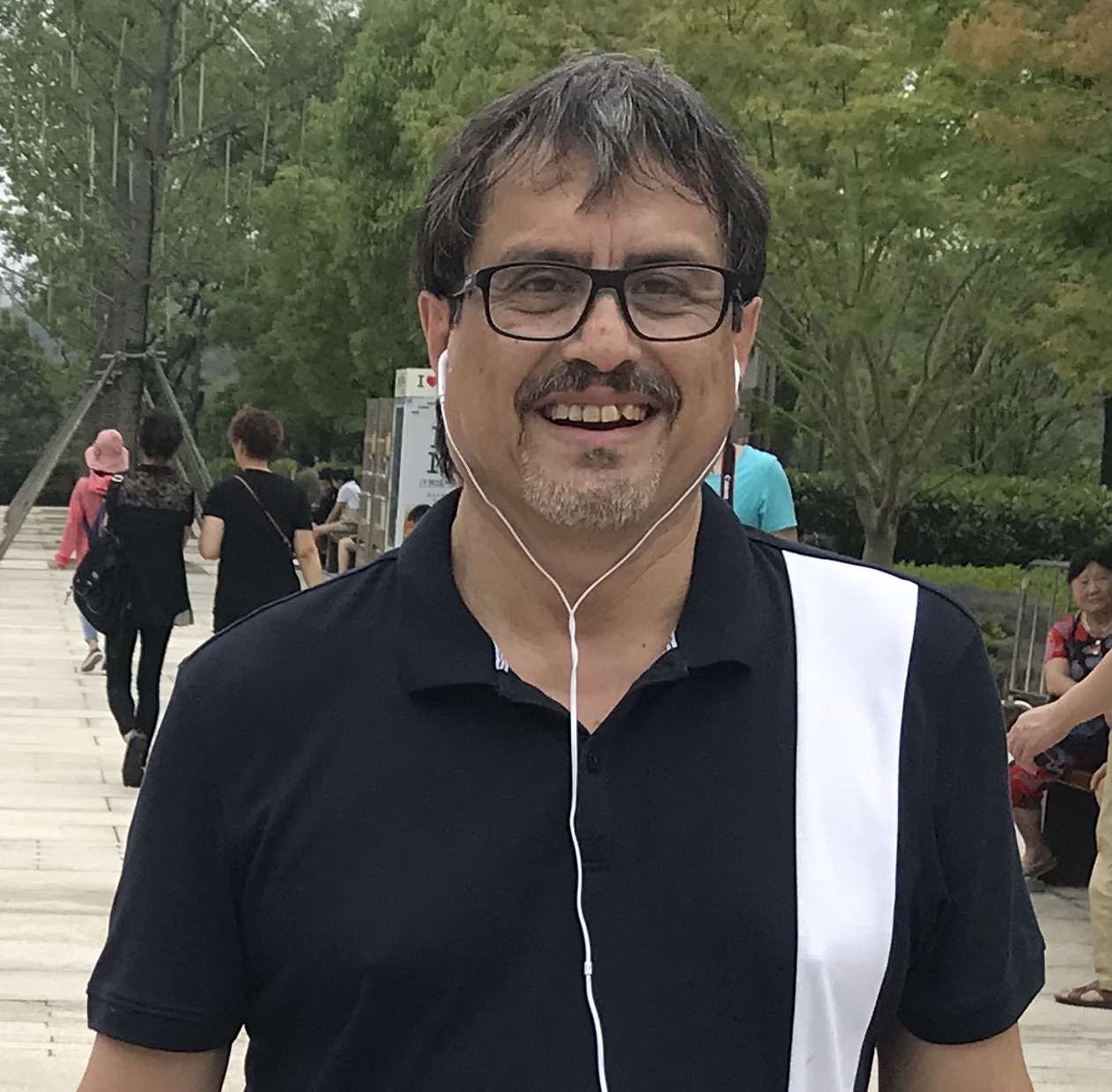
Professor Jifeng Liu is a Professor of Engineering and Program Area Lead for Materials Science & Engineering at Dartmouth College's Thayer School of Engineering. He holds a BS/MS from Tsinghua University and a PhD from MIT's Materials Science department. His research focuses on optoelectronic materials, nanophotonics for energy-efficient IT, and advanced semiconductor devices. Notable contributions include GeSn alloys for mid-infrared photodetectors and integrated photonics systems. Education: BS/MS, Materials Science, Tsinghua University (2001) PhD, Materials Science, MIT (2006) His research interests span: Photovoltaic materials and solar thermal systems Nanophotonic structures for light trapping High-entropy alloys for solar absorbers Infrared and UV sensors for environmental monitoring Awards: Fellow of The Optical Society (2021) NSF CAREER Award (2012) MRS Graduate Student Gold Award (2004) Advising & Grants: Supervises PhD candidates like Gideon Kassa and Zhiyuan Wang. Recent grants include DoD-funded solar power upgrades and DOE clean energy projects. Active in collaborative research with industry partners like Solar-Tectic LLC. Labs & Teams: Leads projects on semiconductor integration, thermoelectric cells, and Zintl-phase photovoltaics. Collaborates on interdisciplinary initiatives like the Dartmouth NSF I-Corps Program.
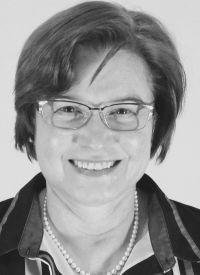
Dr. Katja Michael is an Associate Professor in the Department of Chemistry & Biochemistry at the University of Texas at El Paso's College of Science. Her research focuses on synthetic bioorganic chemistry with emphasis on carbohydrate chemistry and photochemistry. Research highlights include: Development of lipid nanoparticles for cancer immunotherapy via α-Gal expression Carbohydrate-based biomarker discovery for Chagas disease and leishmaniasis Photochemical methods for peptide synthesis and collagen mimetics Innovative resins for radiation-resistant 3D printing Recent publications demonstrate expertise in glycoconjugates, photoreactive materials, and diagnostic immunology. Collaborations span Biological Sciences, Physics, and Biomedical Engineering at UTEP, plus UCLA's School of Medicine. Awards include National Academy of Inventors recognition and $6M+ in NIH/NSF funding.
Ajith P. Nair, MD, is an Associate Professor in the Department of Medicine – Cardiology at Baylor College of Medicine, Houston, Texas. He practices at the Baylor Heart Clinic and the Heart Failure Program at Baylor St. Luke's Medical Center, where he serves as the Director of the Advanced Heart Failure Clinic. His clinical and research expertise centers on advanced heart failure, cardiomyopathies, cardiac transplantation, mechanical circulatory support, and pulmonary hypertension. Dr. Nair completed his medical degree at the University of Texas Southwestern and undergraduate studies at the University of Texas at Austin. His postgraduate training includes residency and fellowships in internal medicine and cardiovascular diseases at the Icahn School of Medicine at Mount Sinai, followed by advanced fellowship training in heart failure and transplant cardiology. His research interests include novel therapies for heart failure, pulmonary hypertension, and cardiomyopathies. He is actively involved in multiple clinical trials as a principal investigator and contributes to medical education and editorial work in cardiology. His recent publications focus on interatrial shunt devices, neprilysin inhibitors, cardiac amyloidosis, and multidisciplinary heart failure care, reflecting a strong emphasis on translational and clinical research in complex cardiovascular conditions. Notable trends in his publications include a focus on device-based therapies for heart failure with preserved ejection fraction, pharmacological innovations, and guideline development for rare cardiomyopathies. His work frequently appears in top-tier journals such as Circulation , JACC , and The Lancet . Top Doctor, Houstonia Magazine (2023) Super Doctor, Texas Monthly Magazine (2025) Star Award for Clinical Excellence, Baylor College of Medicine (2018) Norton Rose Fulbright Teaching and Evaluation Faculty Award, Baylor College of Medicine (2024) Robert J. Hall Teaching Award, The Texas Heart Institute (2023–2024) Dr. Nair serves as a principal site investigator for multiple clinical trials, contributes to editorial boards of cardiology journals, and plays a key role in training and mentoring within the cardiology program. He is also involved in multidisciplinary heart failure care initiatives, emphasizing team-based models to improve patient outcomes. His research is supported by institutional and collaborative grants, though specific grant details are not listed in the source text. He is affiliated with the Baylor St. Luke's Advanced Heart Failure Clinic and collaborates with teams at the Texas Heart Institute. His work integrates clinical practice, research, and education to advance the field of advanced heart failure and transplantation.
Diego Romero is a Researcher at the Signal Processing Systems department within the School of Electrical Engineering at Eindhoven University of Technology . His work focuses on optimizing Light-Fidelity (LiFi) systems, particularly through LED modeling and thermal management in optical wireless communication links. Education: Pursuing a Doctoral Degree in Electrical Engineering. His research interests include: Optical Wireless Communication LED Technology Thermal Effects on Communication Performance High-Current Density Applications Diego has contributed to 6 research outputs between 2022 and 2025, primarily in LiFi optimization, LED thermal modeling, and power-efficient transmitter design. His work intersects with the IEEE Industrial Electronics Society and the International Society for Optical Engineering (SPIE) . Current projects include OptiLiFi: Optimising LiFi Communication , examining exponential growth in LED-based networks, error signals, and mutual interference mitigation.
Asst. Prof. Fatma Pınar Gördesli Duatepe holds a Ph.D. in Chemical Engineering and Bioengineering from Washington State University (2012) and is affiliated with the Faculty of Engineering at Izmir University of Economics, specializing in Genetics and Bioengineering. Her academic journey includes a B.Sc. and M.Sc. from Hacettepe University (2006, 2009) and postdoctoral research supported by the National Science Foundation (NSF). She has taught courses such as General Chemistry, Fluid Mechanics, and Bioprocess Engineering since 2014. Her research focuses on nanobiotechnology, bacterial adhesion mechanisms, biofilm dynamics, and reaction kinetics, utilizing atomic force microscopy (AFM) to study cell-surface interactions. Key projects include investigating biofilm dispersal via chemical agents and analyzing nanoscale surface properties of pathogens like Listeria monocytogenes. She has received prestigious awards including the Wiley Research Exposition Award (2010) and MRS Travel Award (2011). Her work spans over 15 peer-reviewed articles in journals like Colloids and Surfaces A and Journal of Physics Chemistry B , emphasizing interdisciplinary approaches to microbial surface interactions and material science.
Prof. Dr. Türkan Yiğitbaşı is a Professor in the Department of Medical Biochemistry at Istanbul Medipol University's School of Medicine, where she has held a faculty position since 2012. She serves as the director of the university's Genetic Evaluation Center, accredited under ISO 15189 standards. Dr. Yiğitbaşı graduated from Ege University Faculty of Medicine in 1988 and completed her specialization in Biochemistry and Clinical Biochemistry at Erciyes University in 1994. Earlier in her career (1996–2002), she established and managed clinical laboratories, and she conducted research at Baylor College of Medicine (2002–2004). Her research focuses on cancer metabolism , clinical biochemistry , and oxidative stress , with significant work in biomarker discovery, reproductive biology, and metabolic disorders. She investigates molecular mechanisms in cancer, endocrine function, and environmental toxicology using models ranging from cell lines to zebrafish embryos. Analysis of her 15 most recent publications reveals dominant themes: cancer therapeutics (breast, prostate, colorectal, lung), oxidative stress biomarkers in diseases, reproductive biochemistry (infertility, minipuberty), and molecular mechanisms of metabolic enzymes (LDH, NOX5). Her work bridges clinical applications with experimental pharmacology. Dr. Yiğitbaşı leads the Genetic Evaluation Center, which supports clinical diagnostics and research. No grants, awards, or student advisement details were available in the provided text.
Chloe Antoniou is an Associate Professor of Biochemistry and Co-Director of the Graduate Entry MD Programme at the University of Nicosia Medical School. She holds a BSc (Honors) in Biochemistry from the University of Illinois at Chicago (Fulbright Scholar) and a PhD in Chemistry from the same institution. She completed postdoctoral work at the University of Chicago's Department of Biochemistry and Molecular Biophysics, followed by a PGCert in Higher Biomedical Education from St George’s University, London. Her research focuses on protein biochemistry, particularly light-activated proteins and spectrin structural dynamics, alongside innovations in medical education. She has contributed to studies on PKAN genetic mutations, optogenetic tools (TULIPs), and protein folding mechanisms. Her work bridges molecular biophysics with clinical education, emphasizing technological integration in medical training. Publications span protein engineering, optogenetic systems, and nitric oxide biochemistry, reflecting her dual expertise in molecular mechanisms and pedagogy. No awards are explicitly listed, though her extensive academic roles suggest recognition in her fields. She advises the Graduate Entry MD Programme but no specific students are named here.
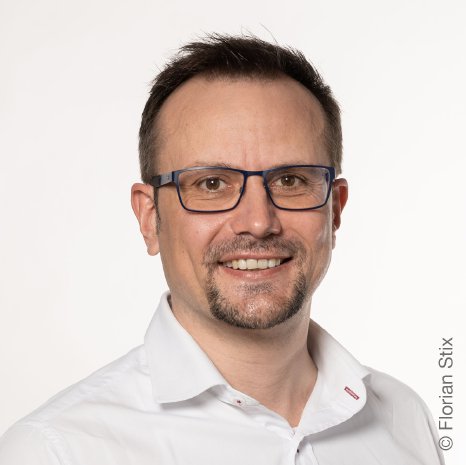
FH-Prof. Dipl.-Ing. Dr. Franz Fidler is a Professor and Head of the Faculty of Technology and Economics at St. Pölten University of Applied Sciences. He also serves as Academic Director for multiple Master’s programs including Digital Design, Media Management, and Interactive Technologies. His roles include overseeing the Department of Media and Digital Technologies, contributing to Extended University Leadership, and leading the Digital Future Management certification program. Dr. Fidler holds a Dr.techn. from Vienna University of Technology (2007) and has held academic and industrial roles, including post-doctoral research at Columbia University and Bell Labs (2008–2009). He was Technical Director at Global Bright Media and C SEED Entertainment Systems (2010–2013) and co-founded TriLite Technologies GmbH (2011). His research focuses on optical technologies, MEMS-based systems, laser displays, and Industry 4.0 applications. Publications highlight advancements in MEMS mirror systems, autostereoscopic displays, and decentralized production control. His work bridges academic and industrial innovation, with contributions to both technical and educational domains.
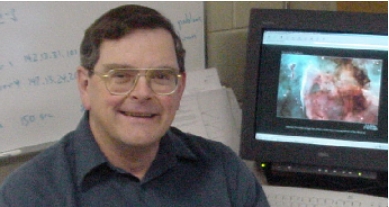
Dr. Austin F. Gulliver is a Professor and Chair of the Department of Physics & Astronomy at Brandon University. His research focuses on the analysis of stellar spectra and atmospheres, particularly for hot stars, using high signal-to-noise (S/N) data from the Dominion Astrophysical Observatory (DAO) and other facilities. He leads the Astrophysical GF Values Project , which aims to refine atomic line parameters (e.g., oscillator strengths) for astrophysical applications. His collaborations include Dr. Graham Hill (University of Auckland) and Dr. Saul Adelman (The Citadel), with work centered on developing software tools like CCDSPEC (spectroscopic reduction) and STELLAR (stellar parameter fitting). Key projects involve spectral atlases of stars like Vega, Deneb, and o Pegasi, emphasizing high-resolution data and their role in galactic chemical evolution studies. Research interests span stellar hydrodynamics, convection modeling (e.g., Canuto-Mazzitelli theory), and instrument design, including the ASTRA Spectrophotometer . His work addresses systematic errors in abundance analyses and bridges observational astronomy with atomic physics. Publications emphasize high-precision spectral analysis, elemental abundances in A/F-type stars, and the development of spectroscopic tools. His team’s spectral atlases provide critical data for studies of stellar composition and astrophysical processes.
Michael Strauss is an Assistant Professor of Chemistry at the University of Illinois Urbana-Champaign, joining in 2025. He holds a B.S. in Biochemistry from Winona State University (2016), a Ph.D. in Chemistry from Northwestern University (2021), and completed postdoctoral research at MIT (2022–2025). His research focuses on synthetic methods development and polymer science , with a goal of achieving unprecedented control over polymer microstructure to engineer emergent material properties. Key areas include catalyst design, environmental remediation of plastic waste, and application-based materials design. His research group (SRG) emphasizes interdisciplinary collaboration, training students in synthetic, organometallic, physical organic, polymer, and materials chemistry. Strauss has received prestigious awards, including the NIH Ruth L. Kirschstein Postdoctoral Fellowship and NSF Graduate Research Fellowship. Current projects aim to develop novel synthetic tools for polymer synthesis and functionalization, with applications in energy storage, separation science, and optoelectronics. Education: B.S., Winona State University (2016) Ph.D., Northwestern University (2021) Postdoc, MIT (2022–2025) Awards: National Institutes of Health Ruth L. Kirschstein Postdoctoral Fellowship NSF Graduate Research Fellowship Edmund W. Gelewitz Award Labs/Teams: Strauss Research Group (SRG), focusing on 2D polymers and catalytic methodologies. Future work includes expanding applications of self-assembled nanotubes and exploring sustainable polymer design strategies.
Haim Grebel is a Professor in the Department of Electrical and Computer Engineering at the New Jersey Institute of Technology (NJIT), where he also serves as the Director of the Electronic Imaging Center. His academic and research career is deeply rooted in nanotechnology, materials science, and optoelectronics, with a focus on functional nanomaterials and their applications in energy and photonics. His research interests span a wide range of topics including carbon nanotubes, graphene, dielectric materials, nonlinear optical properties, and advanced energy storage systems such as supercapacitors. He investigates the optical, electronic, and structural properties of nanomaterials, often integrating them into novel devices for sensing, imaging, and energy applications. The trend in his recent publications reveals a strong emphasis on optically responsive materials, particularly TiO2-embedded supercapacitors controlled by light, and the use of gold colloids to enhance electrode performance. His work bridges fundamental material science with practical engineering applications in terahertz imaging, Raman spectroscopy, and smart energy systems. He has also contributed to educational initiatives in nanotechnology spanning K-12 to graduate levels. Scientific Awards and Recognition: US Patent for 'Energy packet switches' (2021) Advising and Grants: Dr. Grebel has advised multiple students and junior researchers, as evidenced by co-authorships with Y. Zhang, S. Yu, and T. Chowdhury. He has secured significant federal funding, primarily from the National Science Foundation and U.S. Army, supporting projects such as the acquisition of advanced spectroscopic systems, terahertz imaging technology, and passively adaptive microwave shields. His grants reflect a sustained commitment to cutting-edge instrumentation and interdisciplinary research in nanotechnology and photonics. Labs and Research Teams: As Director of the Electronic Imaging Center at NJIT, he leads a research group focused on electronic and photonic materials, nanostructures, and imaging systems. His team collaborates across disciplines, working on projects that integrate material synthesis, optical characterization, and device engineering.
Ainsley Miller is a Teaching Fellow in the Department of Mathematics and Statistics at the University of Strathclyde, Faculty of Science. She has held this position since August 2019 and currently serves as the Year 2 Co-ordinator and MSc Project Co-ordinator. She is deeply involved in both undergraduate and postgraduate teaching and supervision. Her educational background is rooted at Strathclyde, where she earned her BSc (Hons) in Mathematics, Statistics, and Economics and completed her interdisciplinary PhD involving Electronic and Electrical Engineering and the National Physical Laboratory. Ainsley's research centers on pedagogical innovation, particularly student mental health and the transition from school to university. She is a qualified mental health first aider and leads a Mental Health Support Service within her department. Her technical research spans photogrammetry, metrology, and refractive index reconstruction, reflecting her interdisciplinary training. Her recent publications show a dual focus: educational research on anxiety in learning statistical programming and authentic assessment, alongside applied mathematical work in optical metrology. These works demonstrate strong engagement with both teaching innovation and engineering applications. Faculty of Science Teaching Excellence Award - Teaching Innovation (2022) Nominee, Strathclyde Teaching Excellence Awards (2021) Faculty of Science Teaching Excellence Award - Team Award (2021) Best Student who Tutors (2019) Finalist, STEM for Britain (2018) Best presentation by an early stage researcher (2017) Ainsley actively supervises undergraduate and MSc dissertations and is a co-investigator on externally funded educational projects such as 'Re-engaging Students in Learning Development through Subject Specific Resources' and 'Supporting students during their transition to university.' She regularly contributes to teaching development events as an invited speaker. She is involved in multiple teaching modules including Probability and Statistical Inference, Inference and Regression Modelling, Medical Statistics, and Statistical Machine Learning, both on-campus and online. Her leadership in curriculum design and student support highlights her integral role in the academic community.
Derrick Wing Kwan Ng is a Scientia Associate Professor in the School of Engineering, specializing in Electrical Engineering and Telecommunications at the University of New South Wales (UNSW). He holds editorial positions with prestigious IEEE journals including IEEE Transactions on Communications and IEEE Transactions on Wireless Communications, and serves as an area editor for the IEEE Open Journal of the Communications Society. Dr. Ng received his Bachelor of Engineering degree with First Class Honors in Electronic Engineering from The Hong Kong University of Science and Technology (HKUST) in 2006, followed by a Master of Philosophy (M.Phil.) from the same institution in 2008 under Prof. Vincent K. N. Lau. He completed his Ph.D. at the University of British Columbia (UBC) in 2012 under Prof. Robert Schober. He has held research positions including Senior Research Fellow at the Institute for Digital Communications at Friedrich-Alexander-University, Germany, and ARC DECRA Research Fellow from 2017 to 2019. Dr. Ng's research focuses on cutting-edge wireless communication technologies, particularly in the areas of Integrated Sensing and Communication (ISAC) , Reconfigurable Intelligent Surfaces (RIS) , and 5G/6G wireless systems . His work addresses critical challenges in wireless networks including physical layer security, energy-efficient resource allocation, and advanced signal processing techniques for next-generation wireless systems. His research has significant implications for improving wireless network performance, security, and reliability in diverse applications from terrestrial to satellite communications. Dr. Ng has been recognized as an IEEE Fellow (Class 2021) and has been a Highly Cited Researcher by Clarivate Analytics since 2018. His research has garnered over 17,900 citations with an h-index of 64 (as of February 2022). He has received numerous prestigious awards including the IEEE TCGCC Best Journal Paper Award in 2018, IEEE ICC Best Paper Awards in 2018 and 2021, IEEE Globecom Best Paper Awards in 2011 and 2021, and several other conference best paper awards. As an educator and research leader, Dr. Ng has supervised numerous graduate students and secured significant research funding for his projects. His editorial service spanning over a decade, including serving as editorial assistant to the Editor-in-Chief of IEEE Transactions on Communications from 2012 to 2019, demonstrates his commitment to advancing the field. His research group at UNSW focuses on developing innovative solutions for next-generation wireless communication systems, particularly in the areas of intelligent surfaces, integrated sensing and communication, and secure wireless transmission.
Mary Helen Foster is a Professor of Medicine at Duke University School of Medicine and a Member of the Duke Cancer Institute. She leads the Foster Lab, which is dedicated to researching autoimmune glomerulonephritis, a major cause of acute and chronic kidney disease worldwide. Her laboratory explores the origins and regulation of pathogenic immune responses that underlie glomerulonephritis through innovative experimental approaches. Dr. Foster received her M.D. from the University of North Carolina, Chapel Hill (1982), completed her Medical Residency at the University of Virginia (1982-1985), and undertook a Nephrology Fellowship at Tufts University (1985-1989). Her academic journey has positioned her at the forefront of autoimmune kidney disease research. Her primary research interests focus on identifying tolerance mechanisms that regulate nephritogenic lymphocytes, with special emphasis on B cells and autoantibodies. She investigates the molecular basis of tolerance, identifies defects in immune regulation, examines genetic autoimmune predisposition, and determines environmental disease triggers. Her lab has developed numerous autoantibody transgenic models relevant to immune nephritis in both kidney-restricted (Goodpasture syndrome) and systemic autoimmunity (systemic lupus erythematosus), allowing for mechanistic dissection using immunological, molecular biological, and proteomics approaches. Analysis of Dr. Foster's recent publications reveals a strong emphasis on gene-environment interactions in autoimmunity, particularly how environmental exposures like silica dust trigger autoimmune responses. Her work bridges basic immunological research with clinical applications, aiming to develop novel diagnostic and therapeutic approaches to improve patient outcomes in autoimmune kidney diseases. Identification of Host-Specific Determinants of APOL1-associated COVAN (National Institute of Diabetes and Digestive and Kidney Diseases, 2024-2029) U2C/TL1 NC KUH TRIO Administrative Core (University of North Carolina - Chapel Hill, 2023-2028) Gene-Environment Collaboration in Autoimmune Disease (National Institutes of Health, 2017-2023) Duke Training Grant in Nephrology (National Institutes of Health, 1995-2023) Dr. Foster actively mentors undergraduate and medical students as well as postdoctoral scientists in her laboratory. Her research environment includes over 30 unique mutant murine lines to study autoimmunity within complex immunological microenvironments. She has developed an autoantibody transgene reporter system to track cell populations in vivo across multiple autoimmune backgrounds, modeling the genetic complexity of the outbred human population. Her lab also utilizes humanized immune system models to facilitate critical in vivo studies of human T cell-B cell interactions in the context of disease susceptibility genes and environmental exposures.
Luis Herrera-Estrella is President’s Distinguished Professor of Plant Genomics and Director of the Institute of Genomics for Crop Abiotic Stress Tolerance (IGCAST) at Texas Tech University. He holds a full professorship in the Department of Plant and Soil Science within the College of Agricultural Sciences and Natural Resources. His leadership at IGCAST underscores his pivotal role in advancing research on crop resilience under abiotic stress. His research focuses on deciphering the regulatory networks that govern plant responses to abiotic stresses such as drought, desiccation, and nutrient deficiencies. He is particularly interested in phosphate starvation responses, root architecture modulation, and epigenetic regulation in plant stress adaptation. His team also pioneers tissue culture-independent plant transformation methods, aiming to revolutionize genetic engineering in crops. His publication record spans over four decades, with high-impact contributions in journals like PNAS , Nature , and Science . His recent work centers on plant genomics, stress signaling, and metabolic engineering, with strong emphasis on sustainable agricultural solutions. Themes across his publications include gene regulatory networks, nutrient sensing, epigenetics, and crop biotechnology. Elected member of the National Academy of Sciences (2003) Gold Medal from the World Intellectual Property Organization Elected member of The Academy of Medicine, Engineering and Science of Texas Elected member of the National Academy of Inventors Dr. Herrera-Estrella has mentored numerous graduate students, postdoctoral researchers, and research scientists, fostering a dynamic and interdisciplinary lab environment. His work has been supported by significant grants enabling innovations in plant transformation and stress tolerance. He leads a multidisciplinary team focused on genomic and genetic strategies to enhance crop performance under environmental stress. His lab at IGCAST includes researchers working on nutrient deficiency in sorghum, epigenetic analysis in cotton, root penetration genetics, transposon dynamics, and desiccation tolerance mechanisms, reflecting a broad yet cohesive research vision.