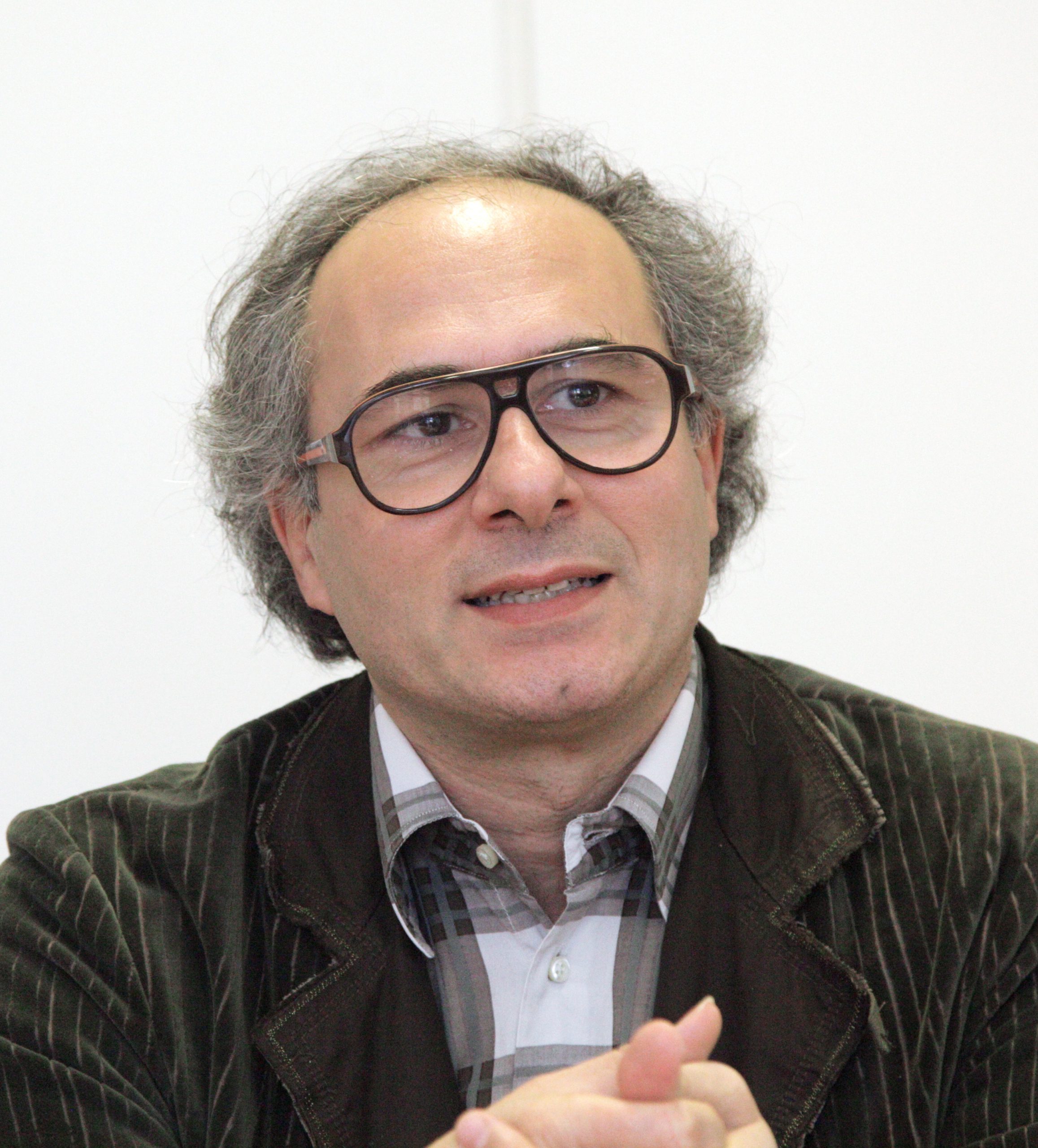
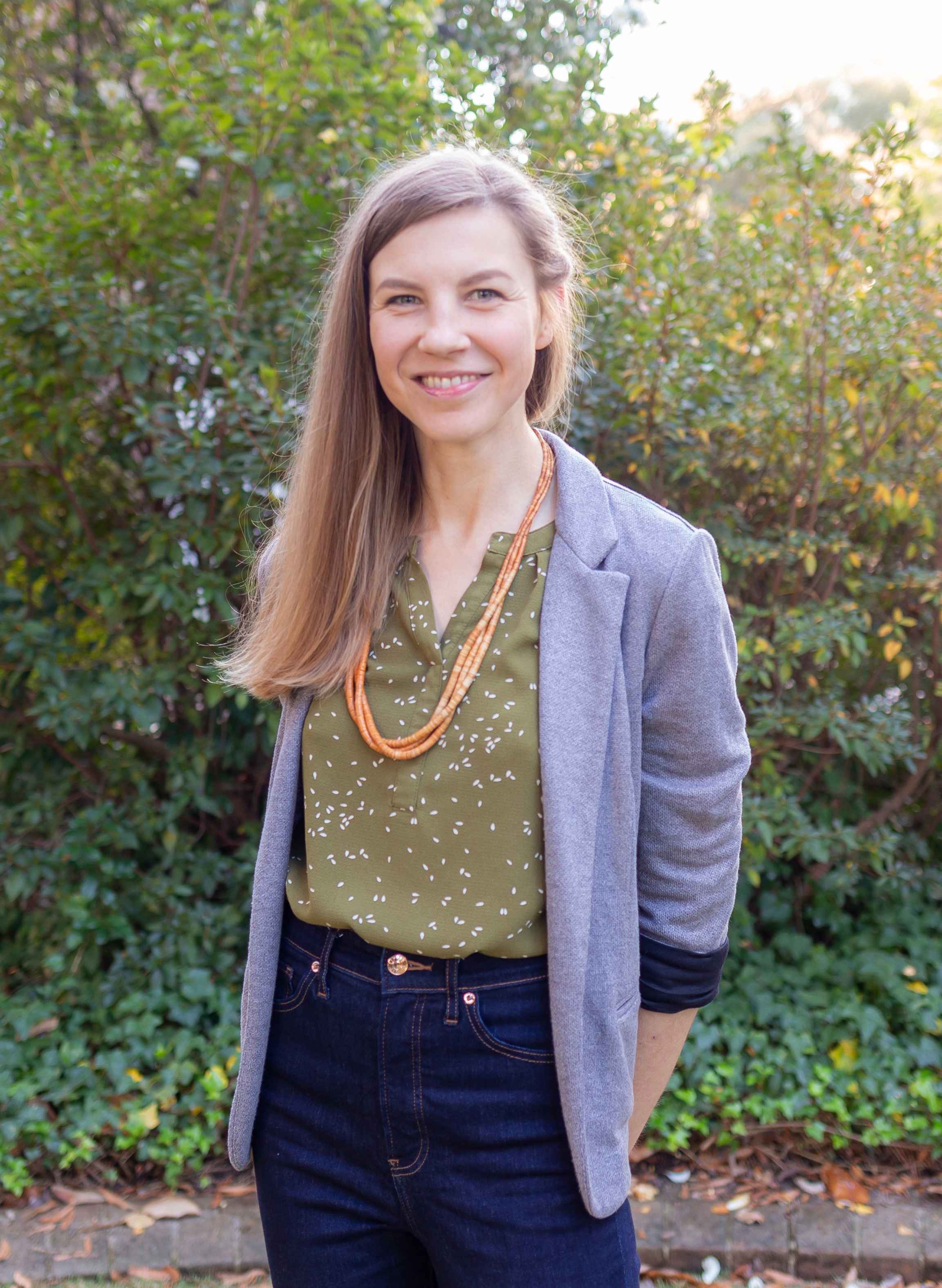
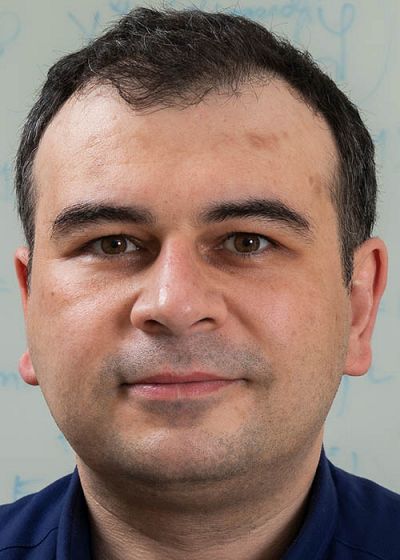
David Cohen is a University Professor and Hospital Practitioner affiliated with the ACIDE team at AP-HP (Assistance Publique - Hôpitaux de Paris). His research spans child and adolescent psychiatry , autism spectrum disorders , and neurodevelopmental conditions , with a focus on integrating social robotics and affective computing into clinical interventions. His recent work explores AI-based analysis of child-therapist interactions , ICT applications for neurodevelopmental disorders , and robot-assisted therapies . Key publications include systematic reviews on depression assessment tools in autism, longitudinal studies of emotional interventions, and collaborative research on human-robot interaction in clinical contexts. David Cohen collaborates extensively with teams across clinical psychology , robotics , and public health , contributing to journals like Journal of Autism and Developmental Disorders , Research in Developmental Disabilities , and Frontiers in Psychiatry . No specific awards, grants, or educational credentials are detailed in the provided texts.
Agnes Bolinska is an Associate Professor in the Department of Philosophy at the University of South Carolina , where she joined in 2020 and was named a McCausland Fellow in 2024. She previously held teaching roles at Cambridge University , the University of Wisconsin-Stevens Point , and the University of Pittsburgh . Currently, she serves as the Director of Graduate Studies and chairs the Joint Commission of the International Union of the History and Philosophy of Science and Technology (IUHPST) . PhD , University of Toronto (2015) BSc , University of Toronto (2006) Bolinska's research focuses on the integration of information from theoretical frameworks, experimental techniques, and disciplinary perspectives. She explores how representations enable integration of theory and data, assesses reliability of incommensurable evidence, and investigates methodological fusion of historical and philosophical approaches in History and Philosophy of Science (HPS) . Her current project examines integration of Buddhist and scientific perspectives in the emerging field of contemplative science . Her publications emphasize epistemic representation , integrative modeling , and path dependence in HPS , with recent work appearing in Synthese , Erkenntnis , and Studies in History and Philosophy of Science . She received the 2019 IUHPST Essay Prize for her work on historical path dependence. In addition to her research, she contributes to professional leadership as a member of the DLMPST Council .
Emrah Akyol is an Associate Professor in the Electrical and Computer Engineering Department at Binghamton University (SUNY). He joined in 2017 after postdoctoral research at the University of Illinois at Urbana-Champaign (UIUC) and the University of Southern California (USC). He holds a PhD from UC Santa Barbara (2011) and prior industry experience at HP and NTT Docomo. Education: PhD in Electrical and Computer Engineering, UC Santa Barbara (2011) Postdoctoral Researcher at USC (2013–2014) and UIUC (2014–2017) Research: Focuses on game theory, control systems, and secure cyber-physical systems. Key areas include strategic communication, opinion dynamics in social networks, and stealthy attacks in multi-agent systems. Recent work addresses bounded rationality in data gathering and network topology inference. Awards: NSF Career Award (communication over human networks), Binghamton's Interdisciplinary Collaboration Award (with Economics/Political Science), and CoCo Seed Grant (CPS security). Advising & Grants: Supervised PhD/Master’s students Anju Anand, Xilin Zhang, and Griffin Rule (recipient of ECE MS Research Award). Active grants include NSF Career and CoCo Seed. Labs/Teams: Leads research on secure cyber-physical systems and game theory applications. Collaborates with UIUC and organizes conferences like DSAA’20.
Ian G. Stewart is an Associate Professor affiliated with both the University of King's College and Dalhousie University in Canada. He holds appointments in the History of Science and Technology at King's College and the College of Sustainability at Dalhousie. His research focuses on the philosophical underpinnings of interdisciplinary environmental management, particularly social-ecological systems theory and its applications to contemporary challenges like energy transitions and coastal zone sustainability. Stewart earned a BSc in Physics from Trent University, an MA in History and Philosophy of Science (HPS) from the University of Toronto, and a PhD in HPS from the University of Cambridge. His current projects include analyzing environmental impact assessment frameworks (nedia.ca) and coastal climate action strategies (transformclimateaction.ca). His publications address topics such as legal pluralism in energy projects, groundwater contamination policy, and historical intersections of ethics and evolutionary biology. He critiques science-policy dynamics and explores how interdisciplinary approaches can inform societal transformations. Stewart has contributed to debates on energy infrastructure, such as the Trans Mountain pipeline, and engages with global environmental governance frameworks. His work bridges natural/social sciences and humanities to address complex ecological challenges.
Dr. Jörg Stetefeld is a Professor and Tier 1 Canada Research Chair in Structural Biology and Biophysics at the University of Manitoba's Faculty of Science, Department of Chemistry. His research laboratory is located in Parker Building, room 480, and he can be reached at Jorg.Stetefeld@umanitoba.ca or by phone at 204-474-9731. Dr. Stetefeld's primary research interests include structural biology, biophysics, and signal transduction, with a focus on understanding the structure-property relationship of protein-protein and protein-ligand interaction networks. His laboratory employs a hybrid method approach combining X-ray crystallography, cryo-3D Electron microscopy, SEC-SAXS, NMR, and various biophysical techniques including SEC-MALS-QUELS, AUC, MST, nano-DSF-DLS, BLI, and iSCAMS. The lab also utilizes advanced molecular dynamics simulations and artificial intelligence programs for in vitro and in vivo functional analysis. Tier 1 Canada Research Chair in Structural Biology and Biophysics Dr. Stetefeld has founded several research centers including the Center for Oil and Gas Research and Development (COGRAD) in 2014 (in collaboration with Dr. Tomy), the Center for Integrated Structural Biophysics (CISB) in 2019, and White Otter Biotech Inc. in 2024, which provides eDNA/eRNA based biodiversity monitoring and environmental modeling approaches for industry and government clients. His laboratory is equipped with state-of-the-art infrastructure including facilities for insect- and mammalian cell expression, HP-Fermenter systems, PCR's, Next Generation Sequencer, crystallization facilities, crystal microspectrophotometer, TALOS F200C electron microscope, X-ray diffractometer, and 600MHz NMR instrumentation.
Wendy Bostwick is an Associate Professor in the Department of Population Health Nursing Science at the University of Illinois at Chicago College of Nursing, where her research centers on health disparities among sexual and gender minority populations with emphasis on bisexual communities. Education: MPH in Community Health Sciences, University of Illinois at Chicago PhD in Community Health Sciences, University of Illinois at Chicago Post-doctoral training, University of Michigan Her work investigates how stigma, prejudice, and discrimination impact mental health and substance use outcomes through mixed-methods approaches including surveys, qualitative interviews, and electronic diaries. Recent scholarship extends to epistemic injustices in healthcare settings, examining how marginalized knowledge systems affect clinical interactions and health equity. Analysis of her publication record reveals consistent focus on bisexual health across psychology, public health, and gender studies disciplines, with recurring themes of microaggressions, intersectionality, and community-engaged research methodologies addressing systemic health inequities. Scientific Awards: Public Voices Fellow of The Op-Ed Project Dr. Bostwick has secured major funding from NIMHD and NIDA for projects including identity-based stressors among men and e-diary assessment of microaggression effects. She serves as Board Chair of the Guttmacher Institute and co-chairs UIC's OCEAN-HP Research Council connecting academic researchers with Chicago community organizations for health equity initiatives. Her advocacy emphasizes that 'abortion is healthcare' and supports reproductive justice movements.
Einar Malvin Rønquist is a Professor and Head of the Department of Mathematical Sciences at NTNU since August 2013. He holds a MSc from NTNU (1980) and a PhD from MIT (1988). His research focuses on numerical solutions of partial differential equations, spectral element methods, reduced basis methods, and computational fluid dynamics. He has been a leader in several research initiatives, including the Computational Science and Visualization program at NTNU (2003–2011). Rønquist is a member of prestigious academies: NTVA (since 2005) and DNKVS (since 2010). He has supervised 8 PhD students and 25 MSc students. His work spans computational science, with notable contributions to parametric modeling, parallel computing, and fluid dynamics simulation. His administrative roles include Vice President of R&D at Nektonics, Inc. (1991–1999) and Deputy Head of NTNU’s Department of Mathematical Sciences (Fall 2012). His publications highlight advancements in numerical methods for PDEs, including spectral element techniques, reduced basis approaches, and high-order approximations for complex geometries.
Michael Dzakovich is a Research Plant Physiologist with the USDA-ARS Children's Nutrition Research Center (CNRC) and holds a courtesy appointment as Assistant Professor in the Department of Pediatrics-Nutrition at Baylor College of Medicine. His work bridges plant physiology, genetics, analytical chemistry, and human nutrition to enhance the nutritional quality of plant-based foods. BS and MS in Plant Physiology, Purdue University PhD in Plant Breeding and Analytical Chemistry, The Ohio State University Postdoctoral Fellowship in Food Science and Human Nutrition, North Carolina State University Dr. Dzakovich's research focuses on understanding how genetic and environmental factors influence the phytochemical composition of crops such as tomatoes and sorghum, and how these compounds affect human health. His lab employs metabolomics, transcriptomics, and preclinical models to study nutrient bioavailability and health impacts. His recent publications reflect a strong trend in translational nutrition research, combining analytical chemistry with plant breeding and human health outcomes. Key themes include carotenoid biofortification, steroidal alkaloid metabolism, and the use of advanced lighting (LED, UV) to modulate phytochemical profiles in greenhouse crops. While no formal scientific awards are listed, his research is supported by USDA-ARS and conducted at the state-of-the-art CNRC facility. Dr. Dzakovich mentors undergraduate researchers and laboratory technicians. His lab also contributes open-source 3D-printed laboratory equipment, promoting accessible and reproducible science. The Dzakovich Lab operates within the USDA-ARS Children's Nutrition Research Center, which provides greenhouse facilities, metabolic kitchens, and interdisciplinary collaboration opportunities with elite scientists in pediatric nutrition and plant science.
Dr. Lisa Ranford-Cartwright is a Professor and Research Group leader at the University of Glasgow's Institute of Biodiversity, Animal Health and Comparative Medicine, within the College of Medical, Veterinary & Life Sciences. Her work focuses on understanding genetic variation in the malaria parasite Plasmodium falciparum , particularly in transmission biology, mosquito interactions, and disease severity prediction. She has led research groups since 2000, collaborating globally to study parasite drug resistance and vector behavior. Affiliations: Guest Professor at Stockholm University (2015–2016), IAEA malaria advisor, and member of the NHS/HPS Scottish Malaria Advisory Group. Education: BA (Cambridge, 1988), PhD (Edinburgh, 1991), postdoctoral research at the University of Edinburgh (1991–2000). Her research integrates lab experiments with field studies in malaria-endemic regions, emphasizing parasite-vector dynamics and molecular diagnostics. She has trained over 15 PhD students and contributed to international malaria control initiatives, including the EU Marie Skłodowska-Curie Actions and UN IAEA programs. Key Research Themes: Genetic basis of parasite phenotypic variation Development of diagnostic tools for transmission-stage parasites Impact of host blood composition on mosquito fitness Her publications span molecular mechanisms of drug resistance, vector competence, and innovative detection methods using spectroscopy and machine learning. Grants & Awards: Leadership roles in EU grant panels and contributions to global malaria policy. No explicit scientific awards listed, but recognized for sustained international collaboration. Labs/Teams: Maintains parasite culture collections and mosquito colonies, with interdisciplinary collaborations in engineering and bioinformatics for diagnostic development.
Shukai Du is an Assistant Professor of Mathematics at Syracuse University , within the College of Arts and Sciences . Previously, he served as a Visiting Assistant Professor at the University of Wisconsin-Madison (2020–2024) and earned his Ph.D. in Applied Mathematics from the University of Delaware (2020). His research focuses on numerical analysis , scientific machine learning , and inverse problems , with expertise in discontinuous Galerkin methods , radiative transfer , and adaptive mesh refinement . He is also affiliated with his research website . Education: Ph.D., Applied Mathematics, University of Delaware (2020) M.S., Computational Mathematics, Wuhan University (2015) B.S., Pure Mathematics, Wuhan University (2012) Research Highlights: Dr. Du’s work emphasizes accelerating numerical methods via machine learning (element learning), developing goal-oriented hp-adaptive mesh refinement for inverse radiative transfer, and creating symplectic Hamiltonian finite element methods for electromagnetics. His methods prioritize accuracy, computational efficiency, and preservation of physical invariants. Recent Contributions: Recent publications address operator learning for finite element acceleration, adaptive-mesh inversion for inverse problems, and energy-conserving discretizations for Hamiltonian systems. His work bridges classical numerical methods and modern data-driven techniques. Awards: Wenbo Li Prize (2020, University of Delaware) Grants: "Breaking the 1D Barrier in Radiative Transfer: Fast, Low-Memory Numerical Methods for Enabling Inverse Problems and Machine Learning Emulators" (NSF, 2023–2026) "Convective Processes in the Tropics Across Scales" (NSF, 2024–2026) Labs/Teams: His research collaborates with computational scientists and applied mathematicians, focusing on interdisciplinary challenges in computational physics and data-driven modeling.
Markus Faustmann is a Senior Scientist at the Institute of Analysis and Scientific Computing (E 101) at TU Wien. He holds a Dipl.-Ing. Dr.techn. degree in Technical Mathematics. His research focuses on numerical methods for partial differential equations (PDEs), finite element methods (FEM), boundary element methods (BEM), hierarchical matrices, elliptic regularity, and fractional differential operators. Faustmann has been recognized with the TU Best Teacher Award (2022) and TU Best Paper Award (2022) from TU Wien's Faculty of Mathematics and Geoinformation. Education: PhD in Mathematics from TU Wien (2015), supervised by J.M. Melenk; Diploma in Technical Mathematics (2011) and Bachelor of Science in Mathematics (2009), both from TU Wien. Research Interests: Development and analysis of numerical methods for non-local operators, including fractional Laplacian problems, hp-FEM, matrix compression techniques, and error estimation. His work emphasizes efficient discretization strategies and theoretical foundations for complex PDE systems. Teaching: Current courses include Numerical Methods for PDEs (Summer 2025), Non-local Operators (Winter 2024/25), and Scientific Programming for Interdisciplinary Mathematics . He has also supervised numerous bachelor's and master's theses in numerical analysis and computational mathematics. Awards: His research contributions have been highlighted through prestigious awards, reflecting his expertise in both teaching and applied numerical analysis.
Théophile Chaumont-Frelet is a junior researcher at Inria, France, affiliated with the Rapsodi project team. He specializes in partial differential equations, numerical analysis, finite element methods, discontinuous Galerkin methods, multiscale methods, high-performance computing, wave propagation, geophysics, electromagnetism, and nanophotonics. His academic journey includes an engineering degree in mathematical engineering and a master’s in fundamental and applied mathematics from INSA Rouen (2012). Education: Engineer in Applied Mathematics from INSA Rouen (2012) Master in Fundamental and Applied Mathematics, Rouen (2012) His research focuses on numerical analysis of time-harmonic and time-dependent wave propagation problems, particularly addressing the pollution effect in high-frequency simulations and developing multiscale strategies for heterogeneous media. Recent work includes a posteriori error estimates for Maxwell's equations, Helmholtz problems, and DG methods. Key trends in his publications involve wavenumber-explicit stability analysis, polynomial-degree-robust error estimation, and applications to geophysics and electromagnetism. His awards include the C3I label (Certificate of Skills in Intensive Calculation) from GENCI (2017). Scientific Awards: C3I label (2017) He supervises current and former PhD students/postdocs including Sumit Mahajan, Florentin Proust, Zakaria Kassali, Josselin Defrance, and Patrick Vega. His administrative roles include membership in the national INRIA committee for PhD students.
Bruce Chen is a Senior Lecturer at Deakin Law School, Faculty of Business and Law, Deakin University. He previously held the prestigious Alfred Deakin Postdoctoral Research Fellowship (2021–2023) and has a strong background in public law and human rights policy, having served in senior legal roles within the Victorian public service, including the Department of Justice and Community Safety, Victorian Equal Opportunity and Human Rights Commission, and the Victorian Government Solicitor's Office. Doctor of Philosophy, Monash University Master of Laws (International and Comparative Law), Monash University Graduate Certificate of Higher Education Learning & Teaching, Deakin University His research focuses on human rights law, particularly bills of rights and civil and political rights, public law, and statutory interpretation. He has a particular interest in the 'dialogue model' of rights protection, the Victorian Charter of Human Rights and Responsibilities Act 2006, and the principle of legality. His work bridges academic scholarship and practical policy, informed by his experience in government legal advisory roles and as a judge’s associate in the Supreme Court of Victoria. His recent publications, spanning from 2020 to 2024, reveal a consistent focus on human rights frameworks, emergency powers during the pandemic, statutory interpretation, and legislative reform. Themes include the effectiveness of declarations of inconsistency, rights-based challenges to travel and health mandates, and comparative analysis of Australian bills of rights. These works employ doctrinal, comparative, and policy-oriented methodologies across public law and constitutional law. His scientific awards include the Alfred Deakin Postdoctoral Fellowship, the Emeritus Professor HP Lee Students' Publication Prize (won in 2019 and runner-up in 2016), and being shortlisted for the Australian Legal Research Awards (2023). His team was also a finalist for the Australian Human Rights Commission's Government Award (2018). Bruce Chen supervises doctoral research on human rights and legislative drafting, and he teaches Human Rights Law, Administrative Law, Constitutional Law, and Legal Method and Statutory Interpretation. He is actively engaged in public discourse, having provided expert testimony to parliamentary committees and contributed to media discussions on human rights and emergency powers. He is affiliated with the Law Institute of Victoria, Australian Institute of Administrative Law, International Society of Public Law, and other scholarly networks. He leads research projects such as 'Rights-based statutory interpretation in Australia' and is involved in the Centre for Law as Protection and the Law, Health and Society research unit.
Michael Innerberger is a researcher at TU Wien's Faculty of Mathematics and Geoinformation , affiliated with the Research Group Numerics of PDEs . He holds a Dr.techn. (PhD) and Dipl.-Ing. in engineering. His work focuses on adaptive finite element methods (FEM) , numerical analysis , and multigrid solvers for partial differential equations (PDEs), with an emphasis on achieving optimal computational complexity and robust error estimation. Recent contributions include the development of hp-robust multigrid solvers and the MooAFEM MATLAB framework for higher-order adaptive FEM. His research addresses both symmetric and nonsymmetric PDEs, including semilinear and nonlinear cases. Education: Dipl.-Ing. (TU Wien), Dr.techn. (2022, TU Wien) Key Areas: Adaptive mesh refinement, goal-oriented error control, iterative linearization, and numerical software development. Publications highlight advancements in rate-optimal and cost-optimal adaptive algorithms for elliptic PDEs, demonstrating rigorous complexity analysis and practical implementation strategies. Collaborations include Dirk Praetorius, Roland Becker, and Jens Markus Melenk. Labs/Teams: Core member of the Numerics of PDEs research group, contributing to theoretical and computational advancements in scientific computing.
Sergio Rajsbaum is a Professor (Investigador Titular "C") at the Institute of Mathematics of the Universidad Nacional Autonoma de Mexico (UNAM) in Mexico City. He has been a member of SNI (Sistema Nacional de Investigadores) nivel III. His academic career includes a visiting scientist position at MIT's Laboratory for Computer Science (1993-1995) and a Research Staff member position at Cambridge Research Laboratory of HP (1999-2002). Rajsbaum received his Computer Engineering degree from UNAM in 1985 and his PhD in Computer Science from the Technion (Israeli Institute of Technology) in 1991 under the supervision of Shimon Even. His academic genealogy traces back to Paul Erdős (Erdős number 2). Rajsbaum's research focuses on the theory of distributed computing, particularly issues related to coordination, complexity, and computability. He has made significant contributions to combinatorial topology applications in distributed systems, consensus problems, and graph theory. His work often bridges theoretical computer science with practical distributed system design. He has pioneered the use of topological methods to study distributed computing from complexity and computability perspectives. Analyzing his publication record reveals a consistent focus on fundamental problems in distributed computing, particularly consensus and set agreement. His work demonstrates a progression from basic algorithm design to more abstract topological approaches. The publications show strong collaboration patterns, especially with researchers like Achour Mostefaoui, Michel Raynal, Maurice Herlihy, and Eli Gafni. His research spans theoretical foundations, algorithm design, and practical implementations. Best Student Paper Award at ACM PODC 2008 for "New Combinatorial Topology Upper and Lower Bounds for Renaming" Long-standing editorial role as editor of the ACM SIGACT News Distributed Computing Column (2000-2007) Rajsbaum has been actively involved in the distributed computing research community, serving as program committee chair for major conferences including LATIN02, PODC03, and ENC06. He has been a steering committee member for DISC, LADC, LATIN, and PODC. His teaching includes graduate and undergraduate courses on Principles of Distributed Computing, Algorithms, Theory of Computation, and JAVA Distributed Computing at UNAM. He has mentored numerous students and contributed significantly to the academic community through conference organization and editorial work.