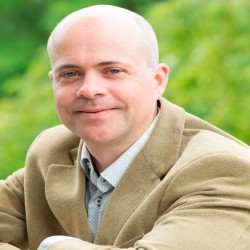
Prof. Diego Moretti is a Lecturer at the Department of Health Sciences and Technology (D-HEST), ETH Zurich. He is affiliated with the Institute of Food, Nutrition, and Health (IFNH), located at Schmelzbergstrasse 7 in Zurich. Education: PhD in Food Science and Engineering, ETH Zurich (2002-2006), Thesis: "Iron fortification of rice: a potential strategy to counteract iron deficiency" Diploma in Food Science and Engineering (Dipl.Lm.Ing. ETH), ETH Zurich (1996-2002) Matura typus C, Liceo Cantonale di Bellinzona (1992-1996) Research Interests: Focus on iron metabolism in deficiency/excess states, strategies for correction (fortification/supplementation), and novel tools to evaluate food-based approaches for iron/zinc deficiencies. Utilizes isotopic techniques and molecular markers of iron status. Labs/Teams: Active at the Laboratory of Human Nutrition within ETH Zurich. Collaborates on projects involving nutritional science and public health interventions.
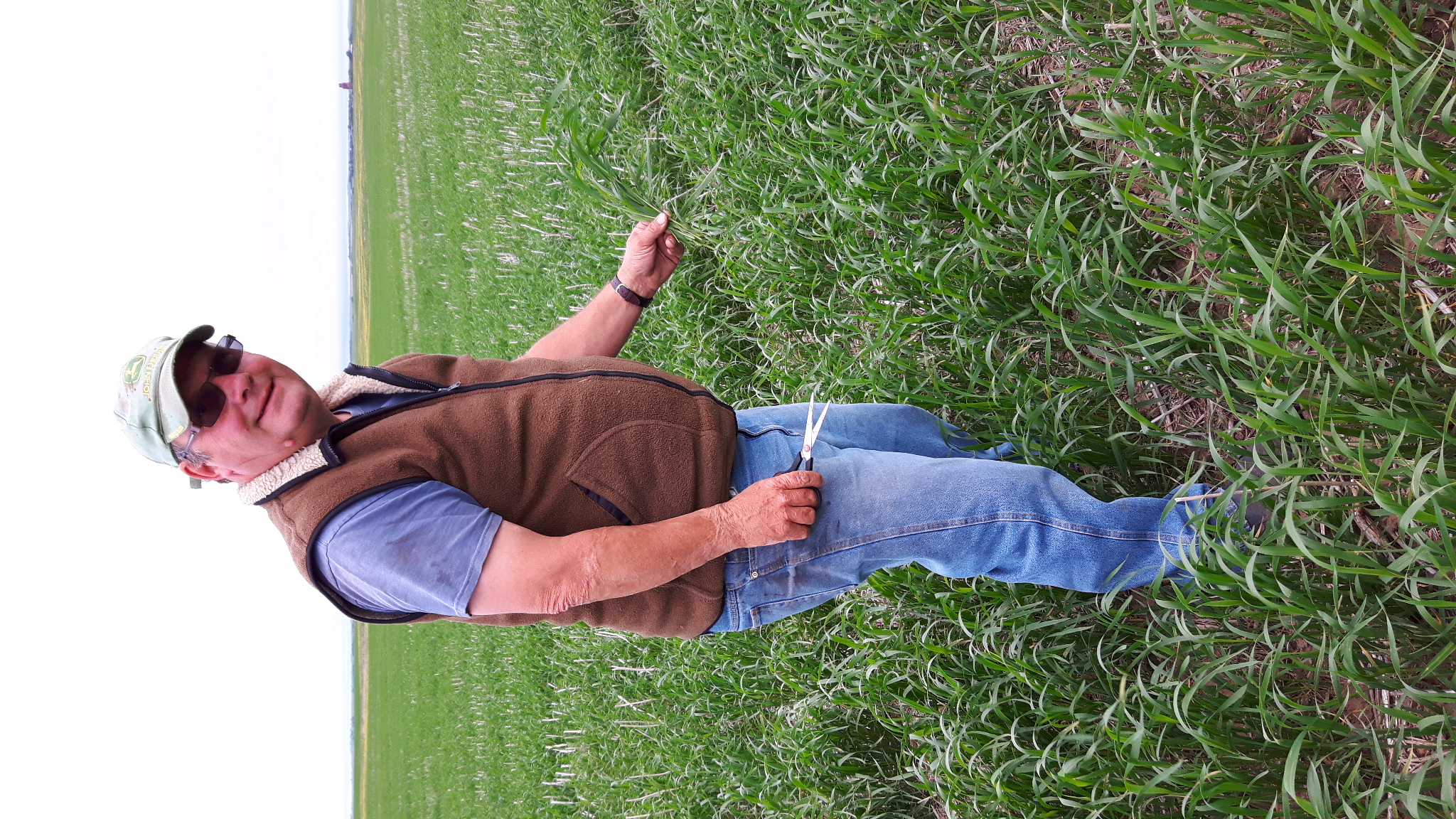
Dr. Jeff Schoenau is a Professor of Soil Fertility and Saskatchewan Ministry of Agriculture Strategic Research Chair in Soil Nutrient Management at the University of Saskatchewan's Department of Soil Science within the College of Agriculture and Bioresources. His research focuses on soil management strategies to enhance fertility, productivity, and health in prairie agricultural soils, including nutrient cycling, organic amendments, and salinity management. Education: Ph.D. (Soil Science, 1988) and B.S.A. (Agronomy, 1984) from the University of Saskatchewan. Affiliations: Fellow of the Agricultural Institute of Canada, member of the Saskatchewan Agriculture Hall of Fame (2022). Research Interests His work emphasizes 4R fertilization practices, cropping systems for soil organic matter improvement, novel nutrient/water management strategies, problem soils (e.g., saline/sodic lands), and greenhouse gas emissions mitigation. Awards Recipient of multiple accolades, including the 2024 Teaching Excellence Award, 2023 Professor of the Year, and the 2004 NSERC Synergy Award for innovation in plant root simulator technology. Teaching & Outreach Teaches courses on soil fertility, field studies, and soil characterization. Actively involved in farming with his wife, balancing academic and agricultural pursuits.
Barry Martin Trost is the Tamaki Professor of Humanities and Sciences in the Department of Chemistry at Stanford University. Previously, he served as a professor at the University of Wisconsin, where he held several distinguished positions including Evan P. and Marion Helfaer Professor of Chemistry and Vilas Research Professor of Chemistry. His academic career spans over five decades with significant contributions to the field of organic chemistry. Dr. Trost received his B.A. from the University of Pennsylvania in 1962, where he was awarded the Philadelphia Board of Education Scholarship (1959-62). He earned his Ph.D. from the Massachusetts Institute of Technology in 1965 under the supervision of H.O. House, with a dissertation titled "The Structure and Reactivity of Enolate Anions." During his graduate studies, he was a National Science Foundation Predoctoral Fellow (1963-65). Professor Trost's research focuses on synthetic organic chemistry with particular emphasis on transition metal catalysis, asymmetric synthesis, and green chemistry principles. His work has pioneered numerous catalytic methods, especially in palladium chemistry, with a strong focus on atom economy - a concept he developed that has become fundamental to sustainable chemistry practices. His laboratory has made significant contributions to the development of catalytic asymmetric allylic alkylation and other carbon-carbon bond forming reactions that enable the efficient synthesis of complex molecules. An analysis of his recent publications reveals a continued emphasis on innovative catalytic methodologies. His work prominently features palladium-catalyzed asymmetric reactions, particularly allylic alkylations and cycloadditions, which have become powerful tools for constructing challenging stereocenters. He has also expanded into vanadium catalysis and developed the Zn-ProPhenol catalyst system for various asymmetric transformations. His research consistently bridges fundamental methodology development with applications to natural product synthesis, demonstrating the practical utility of his catalytic systems. Professor Trost's exceptional contributions to chemistry have been recognized with numerous prestigious awards, including: Election to the National Academy of Sciences (1980) ACS Award in Pure Chemistry (1977) ACS Award for Creative Work in Synthetic Organic Chemistry (1981) Arthur C. Cope Award (2004) Presidential Green Chemistry Challenge Award (1998) Nobel Laureate Signature Award for Graduate Education (2002) As an educator and mentor, Professor Trost has supervised numerous graduate students and postdoctoral researchers who have gone on to successful careers in academia and industry. His group has been consistently supported by significant research grants, including a MERIT Award from the National Institutes of General Medical Sciences of NIH (1988), which provides long-term support for exceptionally productive investigators. He has served on numerous editorial boards, including as Associate Editor of the Journal of the American Chemical Society (1974-80) and Editor of CHEMTRACTS-Organic Chemistry (1993-present), helping to shape the direction of chemical research publication. The Trost Research Group at Stanford University continues to be a leading center for innovative research in synthetic organic chemistry. The group maintains strong collaborations with pharmaceutical and chemical industries, including longstanding relationships with Merck Research Laboratories and other major companies. Professor Trost's laboratory is particularly known for developing practical catalytic methods that emphasize efficiency, selectivity, and environmental sustainability - principles that have influenced an entire generation of synthetic chemists.
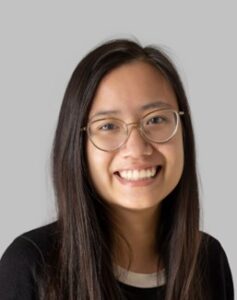
Athena Nghiem is an Assistant Professor at the University of Wisconsin-Madison, starting Fall 2024, specializing in biogeochemistry and hydrology. She currently holds an ETH Postdoctoral Fellowship at ETH Zürich, focusing on redox processes in groundwater systems. Education: PhD in Earth and Environmental Sciences from Columbia University, BA in Geophysics and Statistics from UC Berkeley Research interests: Environmental variability in hydrology, redox processes, groundwater contamination, data science in environmental research, and reactive transport modeling Her research combines traditional laboratory/field methods with data science to study trace element cycling, particularly arsenic release in aquifers. Recent work includes quantifying sulfate reduction's role in arsenic contamination and evaluating mitigation strategies. Notable awards: ETH Postdoctoral Fellowship (2022-2024), NSF Graduate Research Fellowship (2018-2021), and multiple academic honors during her UC Berkeley BA studies. Current advisees at UW-Madison: Juyong Bak, Savannah Finley, Logan Goulette. She actively encourages applications from diverse backgrounds for future lab positions.
Dr. Timur Alexander Yorgan is a prominent researcher at the Department of Osteology and Biomechanics at University Medical Center Hamburg-Eppendorf (UKE). Holding a Dr. rer. nat. degree, he has established himself as a leading figure in bone biology with over 60 publications spanning from 2013 to 2025. His research is deeply integrated with key institutional research areas including the Hamburg Center of Neuroscience and immunology research networks at UKE. Dr. Yorgan's research focuses on skeletal development, bone remodeling, and genetic bone disorders, with particular emphasis on Wnt signaling pathways and their role in bone homeostasis. His work spans multiple approaches from molecular genetics to translational studies, investigating osteoblast and osteocyte biology, genetic mechanisms underlying disorders like osteogenesis imperfecta, and the effects of various mutations on skeletal integrity. Recent research has expanded into the gut-bone axis, mechanobiology of bone cells, and neuro-immune interactions affecting bone metabolism. Analysis of Dr. Yorgan's publication record reveals a consistent trajectory of high-impact research in bone biology. His work increasingly explores interdisciplinary connections between bone metabolism and other physiological systems, with growing emphasis on translational approaches for therapeutic interventions. The research demonstrates sophisticated use of mouse models and molecular techniques to unravel complex bone disorders and identify potential treatment targets. Dr. Yorgan appears to be actively involved in collaborative research across multiple institutions, as evidenced by his extensive publication record with numerous co-authors from various departments and institutions. His work is frequently published in high-impact journals including Journal of Bone and Mineral Research, Nature Communications, and Bone Research. The Department of Osteology and Biomechanics at UKE, where Dr. Yorgan is based, is part of a vibrant research ecosystem that includes the Hamburg Center of Neuroscience and other key research networks focusing on immunology, oncology, and cardiovascular research. This collaborative environment enables interdisciplinary approaches to understanding skeletal disorders and developing novel therapeutic strategies.
Alicia L Carriquiry is a Distinguished Professor and President's Chair at Iowa State University, serving as Director of the Center for Statistics and Applications in Forensic Evidence (CSAFE). She holds a PhD in Statistics from Iowa State University (1989), an MS from the University of Illinois at Urbana-Champaign/ISU (1985/1986), and a BS from Universidad de la Republica in Uruguay (1981). Her research focuses on applying statistical methods to forensic science, nutrition epidemiology, and plant and animal breeding, with a particular emphasis on Bayesian frameworks. Recent research emphasizes forensic evidence analysis, including footwear impression algorithms, handwriting software development, and probabilistic evidence assessment tools. She also explores dietary intake patterns in populations across Latin America and Southeast Asia, addressing nutrient deficiencies and public health interventions. Her work bridges statistical rigor with practical applications in criminal justice, improving forensic methodologies through algorithmic innovation and interdisciplinary collaboration. As CSAFE Director, she leads initiatives to enhance statistical foundations in forensic disciplines, train practitioners, and develop open-source datasets. Notable contributions include database search methodologies, error rate analyses, and software tools like handwriter for handwriting analysis. Her research underscores the importance of probabilistic reasoning in legal contexts and addresses challenges in multi-camera source identification and nonlinear image distortion correction. Carriquiry’s leadership extends to editorial roles and professional service, advancing statistical standards in forensic science. She remains active in training programs and collaborative research projects, fostering reproducibility and relevance in scientific inquiry.
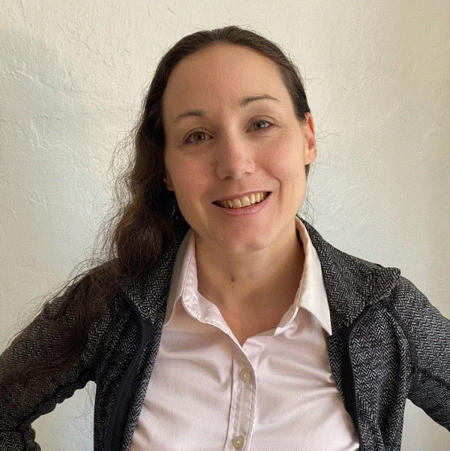
Daniela Strenkert is an Assistant Professor at Michigan State University, affiliated with the MSU-DOE Plant Research Laboratory, Plant Biology Department, Molecular Plant Sciences Program, BioMolecular Science Gateway, and Cell & Molecular Biology Program. Her research focuses on systems biology approaches to understand gene regulation in photosynthetic organisms. Ph.D., University of Kaiserslautern, Germany Her lab investigates photosynthetic performance through multi-omics analysis of chromatin structure, transcriptomes, proteomes, and metabolomes in Chlamydomonas reinhardtii . Key areas include environmental acclimation, histone modification mapping (GreENCODE project), and regulatory RNA characterization. Recent publications emphasize computational modeling of photosynthetic protein interactions, metal homeostasis under stress, and chloroplast protein import mechanisms. Articles span 2025-2010, with 15 most recent from 2025-2022. Her work integrates genome-wide datasets to decode algal regulatory programs under climate change-relevant stressors. She teaches BS 161: Cells and Molecules and maintains a lab at 106 Plant Biology Lab. Contact: strenke2@msu.edu .
Matteo Minghetti is an Associate Professor in the Department of Integrative Biology at Oklahoma State University's College of Arts and Sciences. His research focuses on fish physiology and ecotoxicology, particularly investigating the toxicity and bioavailability of metals and emerging contaminants such as nanoparticles and microplastics in fish. He leads a research group that collaborates with environmental engineers and geologists to uncover toxicity mechanisms and develop alternative testing methods to reduce animal use in toxicity testing. Dr. Minghetti obtained his PhD in Ecotoxicology from the University of Stirling in the United Kingdom in 2009 and completed his Laurea in Biotechnology from the University of Bologna, Italy in 2003. His postdoctoral training included research positions at the Swiss Federal Institute of Aquatic Science and Technology (Eawag), King's College London, and the University of Stirling, where he studied transcriptional regulation of lipid metabolism, primary gill cultures for environmental biomonitoring, and mechanisms of toxicity of metal nanoparticles. His research program centers on developing and utilizing in vitro fish cell models (particularly RTgutGC and RTgill-W1 cell lines) to study metal toxicity, nanoparticle effects, microplastic interactions, and contaminant bioavailability. He has secured multiple significant grants including NIH, NSF, Alltech, and Alternatives Research & Development Foundation funding to support this work. His publications demonstrate a consistent focus on understanding how environmental conditions, such as chloride concentration, luminal composition, and plastic aging, influence metal speciation, bioavailability, and toxicity in fish systems. Dr. Minghetti actively mentors students through undergraduate research, Niblack Research Scholars program, and graduate thesis/dissertation supervision. He teaches courses including Physiology, Environmental Physiology, and Chronicles of Extreme Physiology, emphasizing both human and comparative animal systems.
Roles and Affiliations: Rafael J. Yáñez-Muñoz is a Professor of Advanced Therapy and Director of the Centre of Gene and Cell Therapy at the Department of Biological Sciences, Royal Holloway University of London. He holds expertise in gene and cell therapy, particularly for neurodegenerative and inherited diseases such as ataxia telangiectasia and spinal muscular atrophy. Education: BSc and PhD in Biochemistry and Molecular Biology from the Autonomous University of Madrid. Previously held Lecturer positions at King’s College London and University College London. Research Interests: Focuses on developing safer gene therapy methods using episomal vectors and genome editing (e.g., CRISPR-Cas). Key areas include non-integrating lentiviral vectors, viral vector modification, and treatments for rare diseases. His lab (AGCT) explores therapies for spinal muscular atrophy, spinal injury, Parkinson’s disease, and primary immunodeficiencies. Publications and Impact: Over 85 publications, including seminal work on non-integrating lentiviral vectors and gene editing. Notable contributions to Gene Therapy as Editor-in-Chief and leadership roles in the British Society for Gene and Cell Therapy. Grants and Collaborations: Principal Investigator on projects funded by the SMA Trust, BBSRC, MRC, and others. Collaborates with institutions like Genethon (France) and Harvard University. Key initiatives include the UK SMA Research Consortium and CHASE-IT for spinal injury therapy. Awards and Roles: Trustee and Chair of Genetic Alliance UK, President of the British Society for Gene and Cell Therapy (2021–2025). Recognized for advocacy in rare disease awareness and policy, including contributions to the UK National Strategy for Rare Diseases. Advisees and Teams: Supervised numerous PhD students and postdocs, including Sahar Akbari Vala, Melika Fard, and Ellie Chilcott. Active in mentoring and lab management, with a focus on training the next generation of gene therapy researchers. Labs and Outreach: Leads the Advanced Gene and Cell Therapy (AGCT) lab, hosting annual Rare Disease Day events to raise awareness. Engages in public education through lectures, media interviews, and initiatives like the SMA Trust fundraising cycle events.
J. Ross Chapman is a Professor of Genome Maintenance Biology at the University of Oxford, affiliated with the MRC Molecular Haematology Unit. He holds fellowships from Cancer Research UK and the Lister Institute, and is part of the EMBO Young Investigator Programme. His research focuses on DNA repair mechanisms, particularly the balance between accurate and mutagenic repair pathways in cancer and immune disorders. Career highlights include roles as a Sir Henry Wellcome Fellow and Principal Investigator. His group studies genetic recombination mechanisms, aiming to develop cancer therapies targeting repair pathway dysfunctions. Key research areas include the role of BRCA1, BARD1, 53BP1, and CST complexes in DNA repair. Awards include CRUK and Lister Institute Fellowships, alongside EMBO recognition. His lab’s work spans genomic stability, immune system development, and cancer therapy strategies. Recent studies explore chronic inflammation in leukemia evolution and synthetic lethality in BRCA-deficient cells.
Dr Ruan Elliott is Dean of the Doctoral College and Senior Lecturer in Nutrition at the University of Surrey's School of Biosciences. He holds a PhD in Nutritional Metabolism (2017) and BA in Natural Sciences from Cambridge (1988). His research focuses on nutritional modulation of DNA repair mechanisms, functional genomics in nutrigenomics, and micronutrient homeostasis of iron, copper, selenium, and zinc. He has led studies on vitamin D efficacy, food bioavailability, and oxidative stress biomarkers. Education: PhD (University of Surrey, 1992), BA (University of Cambridge, 1988) Previous Roles: Senior Scientist (Institute of Food Research, 1994-2009), Postdoctoral Fellow (University of British Columbia, 1992-1994) His research integrates molecular biology and nutrition to address health impacts of dietary components. Recent work explores oat-based milk alternatives' sensory profiles, vitamin D supplementation efficacy, and DNA repair pathways in cardiovascular disease. He collaborates internationally on projects like the D2-D3 Study and NuGO initiatives. Publications emphasize translational research, including systematic reviews on insect protein efficacy and meta-analyses of vitamin D supplementation. His work bridges lab-based models (e.g., Caco-2 cells for iron studies) and clinical applications. No scientific awards were explicitly listed in the provided texts. He advises on doctoral training programs and has contributed to grant-funded projects like the University of Surrey's food and infection biosciences initiative (2024). Collaborations include studies on probiotics' immune effects and transcriptomic analysis of metabolic conditions.
Dr. Scarlett Trimborn is a Senior Scientist and Head of the EcoTrace Group at the Alfred Wegener Institute's Ecological Chemistry section. Her work focuses on Southern Ocean phytoplankton ecology, trace metal ecophysiology, and the biological carbon pump. She leads initiatives such as the Subtopic 6.3 Future Biological Carbon Pump and collaborates on projects like MOSAiC and FRAM. Her research combines field experiments, lab-based physiological studies, and biogeochemical modeling to understand climate impacts on marine systems. Education and affiliations include roles at the AWI Marine Station Helgoland and contributions to international polar research networks. She has published extensively on Southern Ocean biogeochemistry, trace metal dynamics, and climate change effects, with over 128 peer-reviewed articles. Key focuses include iron limitation mechanisms, phytoplankton community responses to acidification, and carbon sequestration pathways. Her work integrates interdisciplinary approaches, such as transcriptomics and exopolymer analysis, to uncover stress adaptation strategies in Antarctic species. She also explores trophic interactions, like fecal pellet nutrient recycling by salps vs. krill, influencing Southern Ocean biogeochemical cycles.
Prof. Dr. Annette Liesegang serves as a Professor at the Institute of Animal Nutrition and Dietetics within the Vetsuisse Faculty of the University of Zurich. Her research focuses on bone and cartilage physiology, obesity, and clinical nutrition impacts across multiple animal species including ruminants, dogs, reptiles, pigs, and birds. Her primary research interests encompass bone metabolism, mineral nutrition, comparative physiology, and veterinary diagnostics. She specializes in bone marker analysis, bone mineral density measurement via quantitative peripheral computed tomography, and calcium absorption mechanisms using immunohistochemical methods. Her work investigates physiological and nutritional influences on bone resorption/formation dynamics during critical periods like gestation and lactation, with extensive species-specific expertise. Analysis of her 2024-2025 publications reveals dominant research themes in calcium metabolism (particularly in sheep/goats), urolithiasis pathogenesis across species, vitamin D optimization, and clinical dietary interventions for conditions like intestinal malabsorption. Methodological innovations include in-vitro digestion models and UVB-irradiated feed development, reflecting her translational approach from basic bone physiology to practical animal nutrition solutions. Scientific awards: No scientific awards were documented in the provided materials. Prof. Liesegang mentors thesis students and leads collaborative research projects, notably with Prof. Brigitte von Rechenberg on growth plate physiology in foals and lambs. Her work leverages institutional facilities including specialized CT equipment and laboratory infrastructure for biochemical analysis, though specific grant details remain unreported in the source text. The Institute of Animal Nutrition and Dietetics operates dedicated animal research facilities with stables for multiple species and managed sheep/goat herds under veterinary supervision. These resources enable controlled studies on bone metabolism, dietary interventions, and species-specific nutrition, supporting her extensive publication record in veterinary and comparative nutrition science.
Professor Johanita Kruger is a faculty member at the University of Applied Sciences Fulda, Germany, where she holds the position of Professor of Food Technology and Nutrition. Previously, she has held roles including Researcher at the University of Hohenheim and Lecturer at the University of Pretoria. Her research focuses on nutrient bioavailability, particularly inhibitors and enhancers of bioactive compounds, with an emphasis on polysorbate micelle absorption mechanisms, food-to-food fortification strategies, and mineral bioavailability in African green leafy vegetables. She collaborates internationally on projects funded by the German Research Foundation (DFG) and USAID, addressing issues such as micronutrient deficiencies and food processing innovations. Her educational background includes a PhD in Nutrition from the University of Pretoria, alongside extensive post-doctoral and research experience across multiple institutions. University of Applied Sciences Fulda, Germany (2023–present) University of Hohenheim, Stuttgart (2020–2023; 2016–2018) University of Pretoria, South Africa (2015–2015; 2011–2013) Her research interests span food biofunctionality, including the development of novel micellar formulations and the evaluation of food processing techniques to enhance nutrient bioavailability. Key projects include defining food-to-food fortification strategies and investigating iron/zinc bioavailability in traditional African diets. She has contributed to interdisciplinary collaborations, such as the USAID Feed the Future Innovation Lab for Food Processing. Publications highlight advancements in polysorbate micelle stability, polyphenol encapsulation, and the efficacy of tropical plant-based fortification. Her work bridges laboratory research and real-world applications, aiming to improve global food security and nutritional outcomes. Laboratory activities include the USAID-funded Food Processing Lab and collaborative projects with institutions in France and Slovenia. No scientific awards are explicitly noted in the provided text. Her advising and grants include DFG funding for micelle absorption studies and contributions to the Kenyan Flour Blending Initiative. Students and lab teams focus on topics like cereal biofortification and nutrient-micelle interactions.
Reina Engle-Stone, Ph.D., is an Associate Professor in the Department of Nutrition at the University of California, Davis, and serves as an Associate Nutritionist in the College of Agricultural and Environmental Sciences. Her research focuses on global public health nutrition, particularly micronutrient nutrition in low-income settings, with emphasis on food fortification programs, cost-effectiveness analysis, and nutritional assessment. She holds a B.A. from Cornell University and a Ph.D. from UC Davis. Her work spans multiple countries, including Cameroon, Ghana, Nigeria, and the Philippines, addressing issues like vitamin A, iron, and zinc deficiencies. She has contributed to developing methodologies for dietary analysis (e.g., the SIMPLE Macro) and evaluating the impact of fortification programs on micronutrient adequacy. Key collaborations include modeling the cost-effectiveness of bouillon and wheat flour fortification, assessing anemia and micronutrient status among farmworkers in California, and analyzing household food consumption patterns. Dr. Engle-Stone’s research also explores the double burden of malnutrition (overweight/obesity alongside micronutrient deficiencies) and the role of fortified condiments in addressing inequities. She has advised on programmatic strategies for Cameroon’s national fortification initiatives and contributed to optimizing micronutrient intervention packages using economic optimization models. Her interdisciplinary approach integrates epidemiology, nutritional sciences, and public health economics to inform evidence-based policies. While no specific awards are listed, her extensive publication record and involvement in global health initiatives highlight her scholarly impact.