معرفی
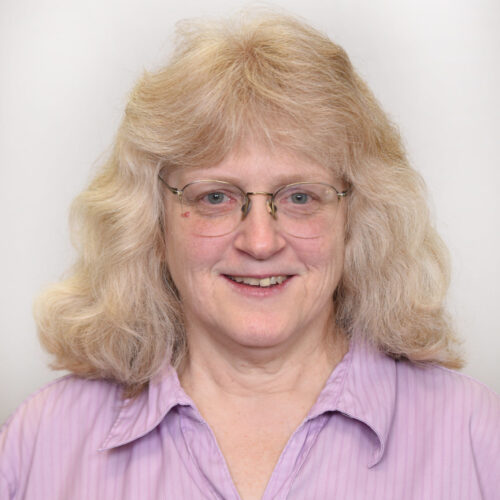
Prof. Dr. Annette Liesegang serves as a Professor at the Institute of Animal Nutrition and Dietetics within the Vetsuisse Faculty of the University of Zurich. Her research focuses on bone and cartilage physiology, obesity, and clinical nutrition impacts across multiple animal species including ruminants, dogs, reptiles, pigs, and birds.
Her primary research interests encompass bone metabolism, mineral nutrition, comparative physiology, and veterinary diagnostics. She specializes in bone marker analysis, bone mineral density measurement via quantitative peripheral computed tomography, and calcium absorption mechanisms using immunohistochemical methods. Her work investigates physiological and nutritional influences on bone resorption/formation dynamics during critical periods like gestation and lactation, with extensive species-specific expertise.
Analysis of her 2024-2025 publications reveals dominant research themes in calcium metabolism (particularly in sheep/goats), urolithiasis pathogenesis across species, vitamin D optimization, and clinical dietary interventions for conditions like intestinal malabsorption. Methodological innovations include in-vitro digestion models and UVB-irradiated feed development, reflecting her translational approach from basic bone physiology to practical animal nutrition solutions.
Scientific awards:
- No scientific awards were documented in the provided materials.
Prof. Liesegang mentors thesis students and leads collaborative research projects, notably with Prof. Brigitte von Rechenberg on growth plate physiology in foals and lambs. Her work leverages institutional facilities including specialized CT equipment and laboratory infrastructure for biochemical analysis, though specific grant details remain unreported in the source text.
The Institute of Animal Nutrition and Dietetics operates dedicated animal research facilities with stables for multiple species and managed sheep/goat herds under veterinary supervision. These resources enable controlled studies on bone metabolism, dietary interventions, and species-specific nutrition, supporting her extensive publication record in veterinary and comparative nutrition science.