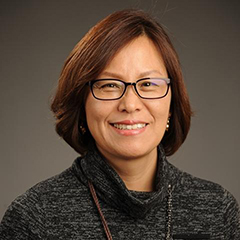
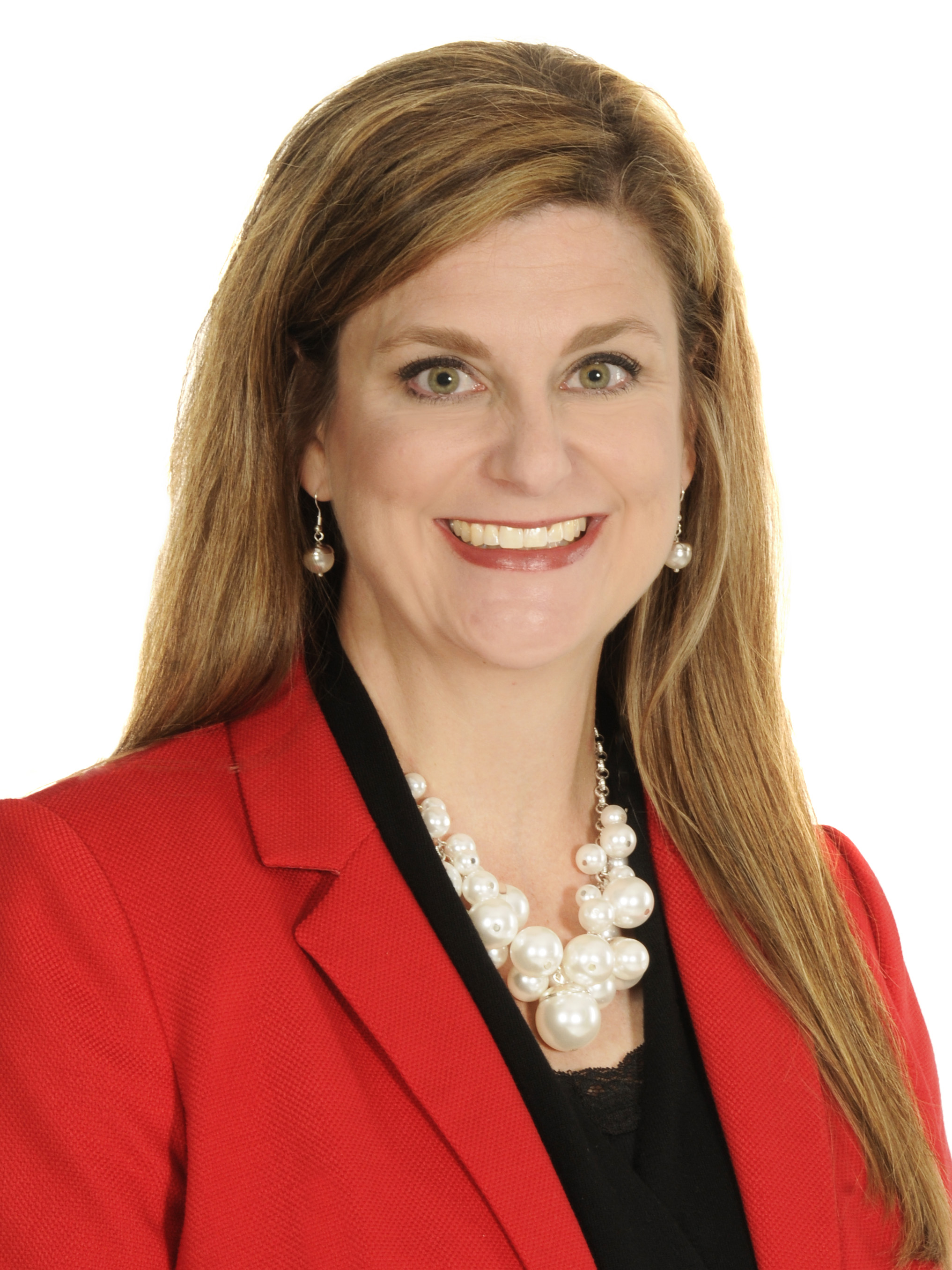
Meghan McGuire, PhD, is an Associate Professor of English and Chair of the Department of Language at the University of Lynchburg. She holds the endowed title of Geraldine Lyon Owen Professor. Her academic affiliations include the School of Liberal Arts & Sciences, School of Medicine and Health Sciences, and School of Professional & Applied Sciences. Dr. McGuire earned a PhD in English (Post-1900 British and Anglophone Literature) from the University of North Carolina at Greensboro (2017), an MA in English from Wake Forest University (2006), and a BA in Literature from UNC Asheville (2003). Her research focuses on British and global modernisms, interdisciplinary connections with visual and performing arts, Irish studies (including contemporary poetry), women’s and gender studies, textual analysis, and disciplinary writing practices. She actively contributes to the Westover Honors Research Center and oversees academic programs through her administrative roles.
Scott F. Crider is a Professor of English at the University of Dallas, affiliated with both the Constantin College of Liberal Arts and the Braniff Graduate School. He has taught there for thirty years, specializing in Shakespearean literature and rhetorical studies. He holds a B.A., M.A., and PhD from California State University and the University of California, Riverside, respectively, and earned a Master of Theology from UD, making him an alumnus. His administrative roles include leading the Writing Program, the Seven Arts of Language Program, and serving as Associate Dean of Constantin College. He teaches extensively on the Rome campus and has won prestigious teaching awards: Haggerty, Haggar, and King. His research focuses on Shakespeare, classical rhetoric, and ethics in literature, producing books like The Office of Assertion (2005), With What Persuasion (2009), and The Art of Persuasion (2019). He collaborates with his wife Trang M. Crider, a UD Librarian, on travel memoirs like Love Among the Castelli Romani (2024). His recent work includes a manuscript on Shakespeare's sonnets and aging narratives. Education: B.A. and M.A., California State University, Sacramento PhD, University of California, Riverside Master of Theology, University of Dallas Research & Publications: Explores Renaissance rhetoric, classical philosophy, and Shakespeare's ethical dimensions Authored three academic books and numerous articles on topics from Genesis to Dante Co-authored memoirs blending travel and personal narrative Teaching & Service: Over 30 course preparations taught Directed major academic programs at UD Active in Rome campus instruction Awards: Haggerty Teaching Award Haggar Teaching Award King Teaching Award
Lisa Canale holds multiple roles at the University of Hawaiʻi at Hilo: Coordinator of the Professional Master's Track in the Tropical Conservation Biology & Environmental Science (TCBES) Graduate Program, Instructor, and Graduate Advisor within the College of Natural and Health Sciences (CNHS). She teaches core TCBES courses, the Professional Master's Internship track series, and specialized subjects like Business of Conservation, Science Communication, Writing, and Geospatial Analysis. Her office is located in Wentworth Hall, Room 18, and she can be reached at canale@hawaii.edu. Her research and teaching focus on applied conservation strategies, environmental science education, and bridging scientific communication with practical fieldwork. She emphasizes professional development through internships and geospatial technologies in tropical ecosystems. As a Graduate Advisor, Lisa guides students in academic and career pathways within the TCBES program. While no specific grants or awards are listed, her role reflects commitment to program administration and student mentorship. The TCBES program itself serves as her primary academic team and operational framework.
Theresa Abodeeb-Gentile is an Associate Professor of Elementary Education and Program Director of Early Childhood Education and Elementary Education at the University of Hartford's College of Education, Nursing and Health Professions. Her work focuses on literacy education, teacher development, and inclusive practices in diverse settings. She holds an EdD from the University of Massachusetts, an MEd from American International College, and a BSE from Westfield State College. Education: EdD, University of Massachusetts MEd, American International College BSE, Westfield State College Research Interests: Dr. Abodeeb-Gentile investigates how student-teacher interactions shape literacy identities, using methods like participant observation and critical discourse analysis. She explores effective literacy teaching strategies, including technology integration (e.g., blogging), and designs professional development programs to enhance teacher effectiveness in urban schools. Her recent work emphasizes improving literacy outcomes in underserved communities. Articles Overview: Her publications (2008–2022) center on inclusive education models, literacy identity formation, teacher perspectives in global contexts, and translational research in professional development. Key themes include equity, policy impact, and practical strategies for diverse classrooms. Awards/Grants: None explicitly listed in the provided text. Advising/Labs: No specific student advisees or lab affiliations mentioned. Her focus appears to be on program leadership and collaborative research initiatives.
Associate Professor Lijana Stundžė is affiliated with the Faculty of Communication at Vilnius University, specifically within the Department of Information and Knowledge Management and the Gender Studies Centre. Her research focuses on organizational communication, gender studies, and media analysis, with a particular emphasis on gender equality policies and communication in educational and public sectors. Her academic qualifications include a PhD in Informational Supply of Women’s Movement (2000) and an MA in Librarian-Bibliographer Studies (1993). She teaches courses such as Gender Theory and Communication, Organizational Communication, and Public Communication Skills. Recent research highlights include studies on gender integration in academia, gender equality communication in municipalities, and media discourse analysis on sexual harassment. She actively engages in science promotion through public lectures and workshops, addressing topics like public speaking and gender representation in media. Dr. Stundžė supervises PhD student Diana Borovik, whose work explores internal communication in organizations from a gender perspective. She participates in national and international conferences, contributing to discussions on gender studies and communication theories.
Dr. Heidrun Ochs is a Researcher at the Johannes Gutenberg University Mainz, affiliated with the Department of Late Medieval History and Comparative Regional History and the Institute for Historical Regional Studies Rhineland-Palatinate eV. She holds concurrent roles in history didactics, digital teaching projects, and regional studies. Her work bridges academic research, pedagogy, and public engagement. Education: Doctorate (2007) in History from Johannes Gutenberg University Mainz, with a dissertation on patrician families in late medieval Mainz. Studies in History, Mathematics, and Physics (1992–2000). Research Interests: Comparative regional history, medieval urban economies, material culture, and history didactics focusing on spatial learning and digital teaching methods. Her work emphasizes interconnections between Mainz, the Rhineland-Palatinate, and broader European contexts. Publications Trends: Recent works highlight digital pedagogy (Instagram-based history teaching), medieval economic structures, and interdisciplinary approaches to historical sources. Her articles often analyze urban elites, patrician networks, and cross-epoch financial practices. Awards: None explicitly listed. Grants/Advising: Involved in the Teaching-Learning-Research Laboratory for History and the Digitally Extended Project Teaching (ModeLL-M) initiative. Advises on curriculum design and historical methodology. Labs/Teams: Active in the Teaching-Learning-Research Laboratory for History, fostering collaborative academic-pedagogical frameworks.
Maria de Fátima de Sousa Pereira is an Adjunct Professor at the Higher School of Education of the Polytechnic Institute of Viana do Castelo (ESE-IPVC) in Portugal. She is also an integrated member of inED - Centre for Research and Innovation in Education and a collaborator member of CIIE - Educational Research and Intervention Center of the Faculty of Psychology and Educational Sciences of the University of Porto (FPCEUP). Additionally, she is a member of the Practical Research Community: Curriculum, Evaluation, Training and Educational Technologies (CAFTe). Dr. Sousa Pereira earned her PhD in Educational Sciences from the Faculty of Psychology and Educational Sciences of the University of Porto in 2013 and completed her Bachelor's degree in Educational Sciences from the same institution in 2004. Her academic journey has been dedicated to advancing teacher education and educational practices in Portugal. Her research focuses on critical areas of educational development including teacher training, curriculum development and management, educational evaluation, educational and curriculum policies, and educational innovation to improve teacher training and capacity. She approaches these topics through both theoretical frameworks and practical applications, often collaborating with educational institutions to implement evidence-based practices. Her work examines how educational policies translate into classroom practices and how teacher preparation programs can be optimized to address contemporary educational challenges. Dr. Sousa Pereira's publications from 2020-2024 demonstrate a consistent focus on teacher education, with particular attention to literacy instruction, professional socialization of teachers, curriculum policies, and the teaching-research nexus. Her work spans multiple educational contexts and addresses both theoretical frameworks and practical applications for improving teacher preparation and educational outcomes in Portugal. She currently coordinates the postgraduate program in School Administration and Management and Educational Innovation at ESE-IPVC, serves on the Technical-Scientific Council, and holds the position of deputy director since July 2023. Her leadership extends to community outreach services and scientific dissemination through publications and academic presentations. Dr. Sousa Pereira's work is supported by various funding bodies including the Camões Institute of Cooperation and Language, EDULOG Foundation, and the Foundation for Science and Technology. Her projects often involve collaboration with multiple institutions across Portugal, demonstrating her ability to build research networks that address complex educational challenges. She is actively involved in the CAFTe (Curriculum, Assessment, Training and Educational Technologies) research community, which focuses on theoretical and practical contributions to educational development. Her work with this community has resulted in numerous publications and edited volumes that advance knowledge in teacher education and curriculum development.
Jeremy D. Bailey is the Sanders Chair in Law and Liberty and Director of the Institute for American Constitutional Heritage at the University of Oklahoma. He holds a Ph.D. from Boston College (winner of the APSA's E. E. Schattschneider Prize) and a bachelor’s from Rhodes College. His research focuses on early American political thought, constitutional controversies over executive power, and the intellectual history of presidential authority. Education: Bachelor’s Degree, Rhodes College Ph.D. in Political Science, Boston College (2004) Research Interests: Political thought of the early U.S. republic Constitutional debates over executive power Presidential representation theory Jeffersonian and Madisonian political philosophy Awards: 2004 E. E. Schattschneider Prize for Best Dissertation in American Politics 2014 'Outstanding Academic Title' for The Contested Removal Power Key Contributions: Director of the Institute for American Constitutional Heritage Editor of the American Political Thought book series Author of 4 major books including Thomas Jefferson and Executive Power and James Madison and Constitutional Imperfection Professional Roles: Holds the prestigious Sanders Chair in Law and Liberty Teaches in Constitutional Studies program Active scholar with over 30 published articles and book reviews
Helane Levine-Keating is a Professor in the Department of English at Pace University, affiliated with the Dyson College of Arts and Sciences in New York City. She teaches a wide range of courses in creative writing, literature, and interdisciplinary studies, including fiction, poetry, feminist literature, and Holocaust studies. PhD, Comparative Literature, New York University, 1980 MPhil, Comparative Literature, New York University, 1978 MA, French Literature BA, Foreign and Comparative Literature/Creative Writing, University of Rochester, 1969 Her research and creative work centers on poetry, creative writing, feminist literature, and interdisciplinary literary studies. She integrates artistic practice with scholarship, particularly through photography and poetry exhibitions. Her interests include mythology, mysticism, religion, and the Holocaust in modern literature. Her recent and forthcoming publications explore the history of creative writing programs and literary translation during the modernist period. These works reflect her deep engagement with literary education and collaborative writing practices in early 20th-century literary circles. Selected Awards and Honors: Semi-Finalist, Lexi Rudnitsky First Book of Poetry Prize (Persea Books, 2014) Pace Academy for Applied Environmental Studies Dyson Faculty Scholar (2012) Platte Clove Artist-in-Residence for Poetry and Photography (2012) She has served as Chair of the Curriculum Committee in the English Department and as a member of the University Faculty Council. She mentors students through internships and independent studies, contributing significantly to curriculum development and academic service. Her artistic performances and exhibitions, including one-woman photography shows and poetry readings, demonstrate her commitment to interdisciplinary creative expression. She is an active member of the American Comparative Literature Association and the Modern Language Association. Her professional engagement extends to local arts communities, including participation in the Longyear Art Gallery and media interviews with WIOX Roxbury, NY.
Robert Mundy is an Associate Professor and Chair of the Department of English, Writing, and Cultural Studies at Pace University's Dyson College of Arts and Sciences. He also serves as Director of Composition, where he plays a key leadership role in shaping writing instruction across the institution. Education: BA in English, Stony Brook University D.A. (Doctor of Arts) in Composition/Rhetoric, St. John's University Dr. Mundy’s research lies at the intersection of composition and rhetoric, masculinity studies, and identity politics. His work critically examines how gender, particularly masculinity, is performed, taught, and understood in contemporary cultural contexts. He explores the role of media, popular culture, and pedagogy in shaping male identities in the 21st century. His scholarship also extends into writing program administration and assessment, contributing to institutional frameworks for effective writing instruction. His recent publications reflect a strong interdisciplinary trend, bridging rhetoric, cultural studies, gender theory, and educational practice. The works emphasize identity, embodiment, and the politics of disclosure in academic and public spheres. Scientific Awards: 2019 International Writing Center Association Book Award for Out in the Center: Public Controversies, Private Struggles Dr. Mundy is actively involved in academic leadership and creative scholarship. As Department Chair and Director of Composition, he oversees curriculum development, faculty mentoring, and program assessment. He is currently finalizing an edited collection titled Come as You Are: Centering the Self in First-Year Writing and drafting an autoethnographic manuscript on the male body, body modification, and gender conflict. These projects suggest a deep commitment to personal narrative as a scholarly and pedagogical tool. He is affiliated with a vibrant academic environment at Pace University, where he teaches courses such as Rhetorics of the Body , Language and Gender , and Men and Masculinities , further reinforcing his engagement with identity, discourse, and cultural critique.
Mary Starks is an Administrative Faculty member and the Bachelor of Social Work Program Director at Pacific Oaks College, within the College of Social Work and Department of Social Work. She is a dedicated educator and community leader with over 25 years of experience in social work, youth development, and nonprofit leadership. Her educational background includes: Ph.D. in Organizational Leadership – The Chicago School of Professional Psychology (2019) MSW – California State University, Long Beach (2003) BA – California State University, Los Angeles (1993) Dr. Starks' research and professional expertise centers on Transfer of Training, Advancing Systemic Justice, trauma-informed practices, and community-based interventions. She is deeply committed to mentoring youth and empowering underserved populations, particularly within Black and marginalized communities. Her work integrates leadership development, workforce training, and social justice advocacy. Her recent presentations reflect a strong trend in community-centered scholarship, focusing on resilience, cultural affirmation, and civic engagement—particularly within the Black community. These works emphasize applied social work, education, and healing justice frameworks. She has been recognized with prestigious honors: Bank of America Neighborhood Builders Program 2018 Emerging Leader Heart of Social Work Award – May 2017 Dr. Starks has extensive advising and grant-related experience through her leadership roles in community organizations and as a field supervisor. She has served as Field Supervisor for Pacific Oaks College’s Community Psychology Program and has led programs involving grant writing, community mapping, and program development for youth and formerly incarcerated women. Her professional work includes significant collaboration with institutions such as USC School of Social Work and multiple community-based nonprofits. She is actively involved in several initiatives, including founding the Sista Chat/Sister Chat Collective, volunteering with Fair Fight and the City of Los Angeles YO Watts YouthSource Center, and contributing to national organizations like the National Association of Black Social Workers and the Council on Social Work Education.
Maria Belen Hernandez Gonzalez is a Professor in the Department of French, Romanesque, Italian and Arabic Philology at the Faculty of Arts and Humanities, University of Murcia, Spain. She specializes in Italian Philology and is a member of the research group Italian Language and Literature . Her academic work spans comparative literature, translation studies, and cultural discourse analysis. Her research interests include: Italian literary essays Translation and reception of Italian and Spanish literature Gender studies and women’s intellectual contributions Transculturalism and digital identity Administrative language and immigration discourse Renaissance humanism and modern Italian thought Her recent scholarly work focuses on the intersection of literature, migration, and cultural memory, particularly through translated essays in Latin America. She has explored the portrayal of identity in the works of Pirandello and Bonaviri in the age of social media, and the role of Carmen de Burgos in advocating for Sephardic communities. Her publications reflect a deep engagement with corpus-based translation, institutional discourse, and the literary essay as a genre. Notable scientific contributions include: Research on the translation of institutional immigration discourse using multilingual corpora Studies on autotranslation in the work of Juan Rodolfo Wilcock Analysis of gender and journalism in early 20th-century Spain Editorial coordination of works on pioneering women in literature and education Hernandez Gonzalez advises students and contributes to academic programs, particularly in specialized language teaching and cultural studies. She is actively involved in research projects related to multiculturalism and public language policy. Her work bridges philology, sociology, and digital humanities, emphasizing the evolving nature of cultural identity in a globalized world.
Nat Hansuvadha is a Professor in the Department of Liberal Studies and the Department of Advanced Studies in Education and Counseling at California State University, Long Beach (CSULB), within the College of Education. She currently serves as the Department Chair of Liberal Studies, one of the largest such departments in California. Her work is deeply rooted in social justice, educational equity, and inclusive practices, particularly in special education and teacher preparation. Her educational background includes a Ph.D. in Education from the University of Washington (2006), an M.A. in Special Education from California State University, Los Angeles (2000), and a B.A. in Psychology from the University of California, San Diego (1997). Dr. Hansuvadha's research centers on inclusive teacher and school leadership preparation, teacher retention in special education, and culturally responsive collaboration with families of children with disabilities. She is committed to transforming teacher education through innovation and equity. Her recent publications reflect a strong focus on inclusion, culturally affirming pedagogy, and leadership development, with a particular emphasis on California’s educational landscape. Her scholarly work demonstrates a consistent trajectory toward improving access and inclusion for students with disabilities, preparing culturally responsive educators, and strengthening collaboration across educational systems. She has published in areas such as inclusive leadership, digital literacy for students with autism, and anti-bias education, often in collaboration with community and academic partners. She has received significant recognition through her leadership roles and contributions, including: President of the California Association of Professors of Special Education (CAPSE/TED), 2022–2024 Summit Lead for the Center to Close the Opportunity Gap (CCOG) Consultant for the CEEDAR Center (2018–present) Principal Investigator on multiple Commission on Teacher Credentialing grants totaling over $1 million Unanimous passage of the Anti-Asian Hate Resolution at CSULB Academic Senate (2021) Dr. Hansuvadha has advised numerous graduate students, particularly in the Master of Science in Special Education program, and has co-designed the Urban Dual Credential Program. She leads multiple funded projects aimed at diversifying the teacher workforce and enhancing community college pathways into teaching. Her leadership extends to advisory roles in state-level initiatives, including the California Community Colleges Academic Senate and the CSU Center for Transformational Educator Preparation Programs. She also led the development of MTSS (Multi-Tiered System of Supports) professional development modules for California teacher educators. She is actively involved in several research and service teams, including the CEEDAR 3.0 state team, the Long Beach City College Teacher Preparation Advisory Committee, and the CSU Liberal Studies Chairs Council. Her work with the Asian Pacific Islander Network (APIN) at CSULB, where she served as Chair from 2012 to 2021, further underscores her commitment to diversity, equity, and inclusion in higher education.
Su-Je Cho is Professor and Chair of the Division of Curriculum and Teaching at Fordham University's Graduate School of Education, specializing in Childhood Special Education. She coordinates the Childhood Special Education Program and maintains active teaching and research roles in special education. Her educational background includes: Ph.D. from University of California, Santa Barbara M.A. from California State University, Los Angeles B.A. from Dong-Ah University, Busan, Korea Dr. Cho's research centers on academic and social development of culturally diverse students, cross-cultural family dynamics with children with disabilities, and positive behavior supports. She pioneers bilingual special education frameworks and investigates Asian family experiences with disability services, emphasizing culturally responsive interventions. Her work bridges behavioral science with practical classroom applications through family-school collaboration models. Analysis of her 15 most recent publications (2012-2023) reveals three dominant trajectories: 1) Technology-enhanced interventions like ChatGPT for language learners, 2) Culturally specific behavioral supports for autism and ADHD, and 3) Systemic equity approaches addressing model minority myths and professional diversity gaps. Her scholarship consistently prioritizes underserved populations through intersectional lenses.
Amy M. Franks serves as Professor and Chair of the Department of Pharmacy Practice at the University of Arkansas for Medical Sciences (UAMS) College of Pharmacy. She has directed the Teaching Certificate Program for nearly two decades (2005-2024) and currently co-directs it (2024-present). Her teaching portfolio includes Pharmacology II courses covering cardiovascular agents (antiarrhythmics, antithrombotics, dyslipidemia treatments, diuretics, antihypertensives, anti-ischemics, and heart failure drugs), alongside electives in teaching therapeutics and independent research, plus leadership of the Faculty Interest Group (FIG) monthly discussion series. Education Doctor of Pharmacy (PharmD), University of Arkansas for Medical Sciences College of Pharmacy Cardiovascular Pharmacotherapy Research Fellowship, University of Arkansas for Medical Sciences College of Pharmacy Research Interests Dr. Franks specializes in educational scholarship within pharmacy practice, with core expertise in scholarly writing development, faculty mentoring systems, and qualitative research methodologies. Her work critically examines promotion/tenure criteria, student evaluation frameworks, and gender-specific challenges for women faculty. She investigates structural barriers to academic productivity while maintaining secondary research in cardiovascular pharmacotherapy—particularly drug interactions and adherence—and pharmacist roles in emerging areas like medical cannabis regulation. Publication Trends Her recent publications (2020-2025) reveal a concentrated focus on academic pharmacy systems: 80% address faculty development, scholarly writing, and promotion processes, often using qualitative approaches to analyze institutional policies. Key themes include peer mentoring efficacy (especially for women), student evaluation interpretation, and adapting education to crises like the pandemic. Earlier work (2010-2018) bridges clinical cardiovascular research with educational innovation, such as patient communication courses, but her trajectory clearly prioritizes educational leadership over clinical pharmacology. Honors & Awards Top 25 Reviewer, American Journal of Pharmaceutical Education (2020) Nominee, UAMS Outstanding Woman Faculty Award (2019) UAMS Phenomenal Woman Award (2019) Arkansas College of Clinical Pharmacy Education Award (2015) UAMS Chancellor’s Faculty Teaching Award (2005, 2008) College of Pharmacy Class of 2008 Award for Outstanding Faculty Member UAMS College of Pharmacy Student Body Teacher of the Year (2005) UAMS College of Pharmacy Dean’s Teaching Incentive Award (2005) UAMS CARE Recognition for Compassion, Attitude, Respect, Excellence (2004) Advising and Grants Dr. Franks has mentored faculty through the Teaching Certificate Program (2005-present) but no student advisees are listed. Her grant leadership includes COBRE-supported scholarly writing initiatives, evidenced by the 2024 program evaluation article. She co-chaired the 2020-2021 AACP academic affairs committee, securing institutional resources for pandemic-era education adaptation. Current grant activities focus on cross-disciplinary writing development and peer mentoring infrastructure. Labs and Teams She co-founded the Faculty Interest Group (FIG) for monthly academic discussions and led interprofessional teams establishing a student-run community free clinic. Her scholarly writing program operates as a campus-wide collaborative initiative with a Center for Biomedical Research Excellence (COBRE), while her teaching therapeutics course design involves communication skills teams focused on motivational interviewing and patient-centered care models.