معرفی
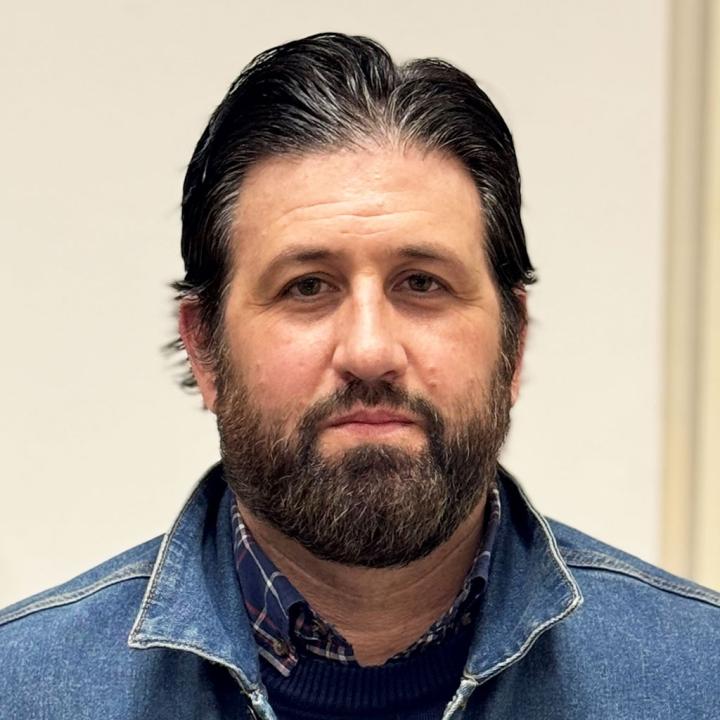
Robert Mundy is an Associate Professor and Chair of the Department of English, Writing, and Cultural Studies at Pace University's Dyson College of Arts and Sciences. He also serves as Director of Composition, where he plays a key leadership role in shaping writing instruction across the institution.
Education:
- BA in English, Stony Brook University
- D.A. (Doctor of Arts) in Composition/Rhetoric, St. John's University
Dr. Mundy’s research lies at the intersection of composition and rhetoric, masculinity studies, and identity politics. His work critically examines how gender, particularly masculinity, is performed, taught, and understood in contemporary cultural contexts. He explores the role of media, popular culture, and pedagogy in shaping male identities in the 21st century. His scholarship also extends into writing program administration and assessment, contributing to institutional frameworks for effective writing instruction.
His recent publications reflect a strong interdisciplinary trend, bridging rhetoric, cultural studies, gender theory, and educational practice. The works emphasize identity, embodiment, and the politics of disclosure in academic and public spheres.
Scientific Awards:
- 2019 International Writing Center Association Book Award for Out in the Center: Public Controversies, Private Struggles
Dr. Mundy is actively involved in academic leadership and creative scholarship. As Department Chair and Director of Composition, he oversees curriculum development, faculty mentoring, and program assessment. He is currently finalizing an edited collection titled Come as You Are: Centering the Self in First-Year Writing and drafting an autoethnographic manuscript on the male body, body modification, and gender conflict. These projects suggest a deep commitment to personal narrative as a scholarly and pedagogical tool.
He is affiliated with a vibrant academic environment at Pace University, where he teaches courses such as Rhetorics of the Body, Language and Gender, and Men and Masculinities, further reinforcing his engagement with identity, discourse, and cultural critique.