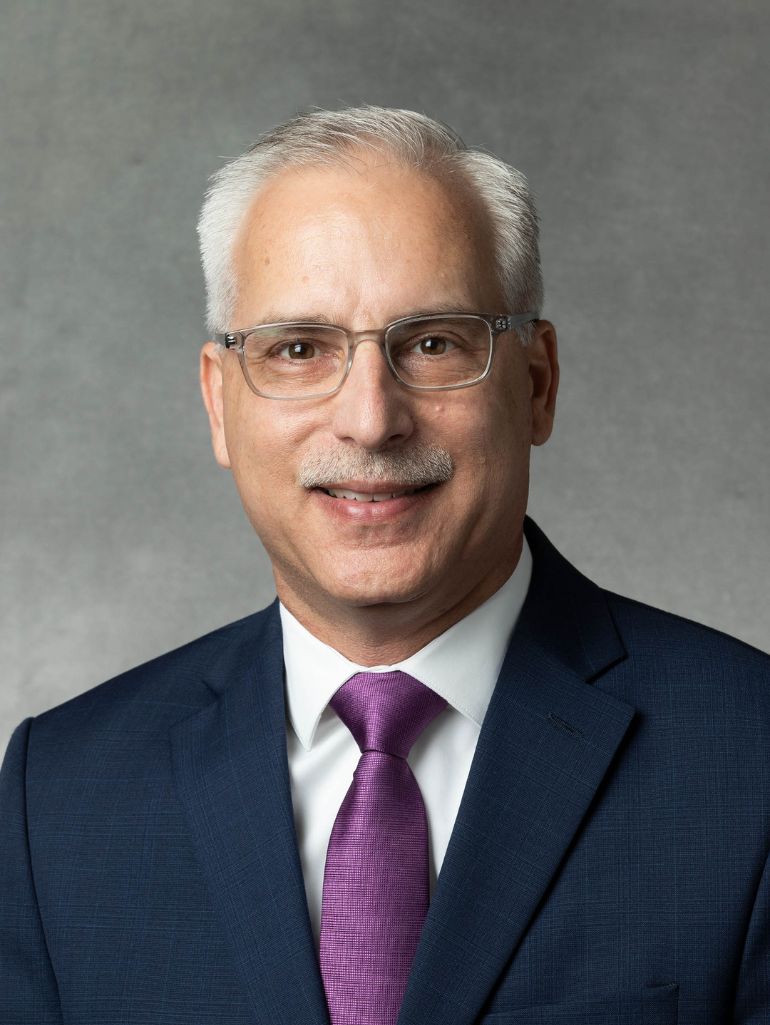
Erjia Yan is an Associate Professor in the Department of Information Science at Drexel University's College of Computing & Informatics. His research focuses on informetrics, scientometrics, scholarly data mining, and knowledge diffusion studies, contributing to understanding scientific activity, innovation propagation, and equitable science policymaking. PhD, Information Science, Indiana University Bloomington Master of Information Science, Indiana University Bloomington Bachelor of Science, Nanjing University Dr. Yan's work integrates network science and data analysis to examine scholarly communication methods, academic mobility patterns, and the impact of software in scientific literature. He has published extensively on topics including HBCU faculty dynamics, open access effects, and biases in citation practices. Recent publications highlight trends in academic mobility, knowledge transfer across sectors, ethical data collection, and the role of software in research. His studies span interdisciplinary collaborations, digital equity, and the evolution of disciplinary vocabularies. Dr. Yan's research has implications for equitable scientific workforce development, transparent policymaking, and enhancing bibliographic information retrieval systems.
Jane Salvage serves as a Visiting Professor at Kingston University's School of Nursing, Allied and Public Health within the Faculty of Health, Science, Social Care and Education since 2013, previously holding the Writer in Residence position. An internationally active nursing and midwifery leadership consultant, she collaborates with organizations including the World Health Organization and serves on the Royal College of Nursing International Committee. Her educational credentials include: BA in English Literature from the University of Cambridge Registered General Nurse (UK) MSc in Sociology of Health and Illness from the University of London Certified Global Nurse Consultant in Health Policy and Nursing Leadership Professor Salvage's work is fundamentally driven by social justice advocacy for women and addressing health inequalities, originating from her nursing practice in London's East End. Her expertise spans nursing/midwifery policy leadership, international development, and health equity, with increasing focus on global health systems through roles at WHO and UK governmental bodies. This trajectory reflects her commitment to transforming nursing's political dimensions into actionable policy. Her publication history reveals evolving engagement with nursing's structural challenges, from the foundational analysis in The Politics of Nursing (1985) to commissioning national policy through Front Line Care (2010), culminating in the globally influential Triple Impact report (2016) that launched the Nursing Now campaign. Collectively, these works demonstrate consistent thematic focus on leveraging nursing leadership for health equity, gender justice, and sustainable development within complex health systems. As policy adviser to the UK All-Party Parliamentary Group on Global Health and former Programme Director of the ICN Global Nursing Leadership Institute (2016-2021), she has shaped international nursing capacity building. Her editorial leadership at Nursing Times and WHO advisory roles further demonstrate extensive knowledge translation across clinical, academic, and policy spheres.
Anne E. Brisendine, DrPH, MPH, CHES is an Assistant Professor at the University of Alabama at Birmingham (UAB) School of Public Health, Department of Health Policy & Organization. She also serves as Deputy Director of UAB's Applied Evaluation and Assessment Collaborative (AEAC) and Associate Scientist at Civitan International Research Center. Education: DrPH in Maternal and Child Health (UAB, 2017) MPH in Maternal and Child Health (UAB, 2013) BA in American Studies (Barnard College, 2009) Research Interests span maternal and child health, autism spectrum disorders, developmental monitoring in early education, statewide health systems development, early childhood mental health, and telehealth implementation. Her work examines social determinants of health, particularly focusing on disparities in pediatric emergency care, telehealth access, and vaccine acceptance. Recent Articles reveal expertise in telehealth utilization patterns, ASD service equity, and community health assessment methodologies. Notably, she investigates racial disparities in healthcare access, Medicaid population challenges, and pandemic-related healthcare delivery innovations. Teaching Activities include courses on Foundations of Maternal and Child Health (HPO605) and Policy and Women's Health (HPO633) at UAB School of Public Health, along with graduate committee memberships. Grants focus on Alabama's maternal and child health initiatives, including Title V Needs Assessment, 988 Suicide Crisis Line capacity building, and statewide developmental monitoring programs.
Amy Carroll-Scott is an Associate Professor and Chair of the Department of Community Health and Prevention at Drexel University’s Dornsife School of Public Health. Her work focuses on urban health inequities, leveraging community-based participatory research to address social and environmental determinants of health. She holds a PhD from UCLA, an MPH from UC Berkeley, and a BA from the University of Pennsylvania. Her research explores place-based interventions, data integration, and cross-sector collaborations to improve health outcomes in underserved urban communities. Current projects include the West Philly Promise Neighborhood initiative, policing reform policy surveillance, and maternal-child health collaborations. She also leads the Urban Health Collaborative’s Policy and Community Engagement Core. Dr. Carroll-Scott’s publications emphasize community engagement strategies, spatial health analysis, and translational research methodologies. Her work bridges academic research with actionable policy, focusing on marginalized populations such as low-income families, justice-involved individuals, and immigrant workers. Advising and grants highlight her role in multi-institutional partnerships addressing systemic inequities. She co-leads initiatives like the Addressing Urban Community Violence Working Group and collaborates with policymakers, hospitals, and community organizations to translate evidence into practice.
Eleni Elia is a Senior Lecturer in Statistics at Oxford Brookes University's School of Engineering, Computing and Mathematics, leveraging expertise from research positions at Harvard University, Boston Children's Hospital, and the University of Leicester to develop AI-driven healthcare solutions that improve patient outcomes through advanced computational methods and biostatistics. Her academic foundation includes: BSc (Hons) in Mathematics MSc in Statistics PhD in Statistics Dr. Elia's research bridges biostatistics and artificial intelligence with clinical applications, focusing on prognosis research and healthcare data analysis . She pioneers computational approaches to transform patient care, particularly in pediatric cardiology and epidemic surveillance, using real-world data to address critical medical challenges through interdisciplinary collaboration. Analysis of her 14 publications (2015-2024) reveals consistent application of statistical modeling to medical domains, with growing emphasis on AI integration in cardiology, biomarker analysis, and epidemic prediction. Her work demonstrates methodological rigor while addressing urgent healthcare needs through pediatric applications and refugee camp disease surveillance. Her scientific recognition includes: Enterprise Champion Award 2022/23 for 'Gamifying entrepreneurship education for mathematics students' Executive Coaching Award 23/24 as a 'Research Leader' Mardia Prize from the Royal Statistical Society for refugee-focused statistical workshops Dr. Elia actively mentors PhD candidates and leads significant research initiatives including 'Infectious disease surveillance in refugee camps', 'Biomechanics interactive database development', and 'Epidemic surveillance systems', while securing substantial university funding for healthcare AI innovation and entrepreneurship programs. She contributes to cutting-edge research through the Artificial Intelligence, Data Analysis and Systems (AIDAS) Institute and Visual Artificial Intelligence Laboratory (VAIL), driving interdisciplinary projects that connect statistical theory with life-saving medical applications.
Carmel Hannan is an Associate Professor at the University of Limerick's Department of Sociology and the Health Research Institute, specializing in family dynamics, child development, and social stratification. She currently collaborates with Prof Ross MacMillan on pandemic-related child mental health research funded by the Health Research Board. Dr. Hannan holds a DPhil from the University of Oxford and has held academic positions at Brasenose College Oxford and the Institute for Social and Economic Research (University of Essex). Her research focuses on family structure, inequality, and child well-being. Key projects include studies on intercultural marriage patterns in Ireland, pandemic impacts on youth mental health, and the effects of family formation on social mobility. She teaches advanced social research methods including multilevel modeling and propensity score matching. Education: PhD in Sociology (University of Oxford, 2009) Masters in Social Science (University College Dublin, 1997) Bachelor of Arts in Sociology & Economics (Maynooth University, 1995) Her awards include the ESRC Award and Irish Research Council grants. Hannan contributes to UN Sustainable Development Goals related to quality education and reduced inequalities through her work on family policies and child development.
Prof. Irmgard Borghouts is an endowed professor of HRM & Social Security at Tilburg University, Netherlands, with an endowment from Instituut Gak. She leads research on inclusive labor markets within the Department of Human Resource Studies at the Tilburg School of Social and Behavioral Sciences. As director of the People Management Center and a visiting professor at University West (Sweden), her work focuses on labor market policy, social security, and inclusive HRM. Her Ph.D. (2012) explored employment security systems across Europe, earning the German Science Prize (2016). She advises on disability insurance systems and sits on boards of organizations like Willem II Betrokken and ETZ Hospital's Supervisory Board. Education: Ph.D. in Employment Security Systems (2012), Tilburg University Research Interests: Her expertise bridges social security and HRM, addressing transitions to employment for vulnerable groups (e.g., disabled individuals) and job-to-job mobility. She emphasizes inclusive practices, policy integration, and employer roles in disability inclusion. Key themes include labor market flexibility, social policy alignment, and digital transformation impacts on work. Grants & Awards: German Science Prize (2016) EU-funded projects on labor market policies Netherlands Ministry of Social Affairs collaborations Labs & Teams: Leads the People Management Center, fostering interdisciplinary research on inclusive labor markets. Collaborates with global institutions on disability inclusion and HRM innovation.
Stephanie Noble is a Professor in Marketing and William B. Stokely Distinguished Scholar at the Haslam College of Business, University of Tennessee. Her research focuses on customer experience management in retail and service settings, examining factors like frontline employee behavior, loyalty programs, and retailer strategies. She holds a Ph.D. in Marketing from the University of Massachusetts (2001) and prior degrees from Arizona State University. Noble has published in top journals such as the Journal of Marketing and Journal of Retailing , and her work addresses modern retail challenges like AI integration and consumer-robot interactions. Her awards include the 2024 AMA Retailing & Pricing SIG Mentoring Award and the 2023 Lifetime Achievement Award. She serves as Editor-in-Chief of the Journal of the Academy of Marketing Science and has advised doctoral students across multiple conferences. Teaching spans undergraduate to Ph.D. levels, emphasizing marketing research, retailing, and services marketing. Consulting clients include Viking Corporation, Hollywood Casino, and Food Lion. Noble advocates for innovative retail technologies and ethical consumer experiences. Key research themes include in-store technology impacts, consumer privacy concerns, and the future of human-machine collaboration in retail. Her articles explore topics like AI-driven customer efficiency, mobile phone effects on shopping, and the digital divide in prosocial behavior. She actively contributes to academic communities through editorial roles and mentoring initiatives.
Robin Ladwig is a Lecturer in Human Resource Management at the University of Canberra's Faculty of Business, Government and Law. They hold a PhD from the same institution and specialize in research intersecting management studies, gender/queer theory, and workforce trends like technology, diversity, and equity. Their work addresses: Trans and gender diverse workplace experiences Technology's impact on workforce transformation Inclusive HRM practices and policy development Social justice and accessibility in employment Organizational culture and structure Robin has received multiple teaching recognitions, including Advanced Higher Education Fellow and HERDSA Associate Fellow status, and actively contributes to Australian Human Resource Institute's ACT DEI Network as Convener. They accept HDR and Honours students in related fields. Scientific awards include: Advanced Higher Education Fellow HERDSA Associate Fellow Commendation for AI integration in teaching
Dr. Shruti Deshpande serves as an Associate Professor and Vincentian Research Fellow in the Department of Communication Sciences and Disorders at St. John's College of Liberal Arts and Sciences, St. John's University. She also holds the leadership position of Director of the Doctor of Audiology Program and was named an ASHA Innovator in 2024. Dr. Deshpande is actively involved in the American Speech-Language-Hearing Association as a board member of the Multicultural Issues Board (2023-2025) and serves as a subject matter expert for the ASHA Practice Portal in Audiology. Her research focuses at the intersection of audiology and social justice, particularly on accessible and affordable hearing health services for diverse and vulnerable populations. Dr. Deshpande has pioneered community-based research approaches, developing innovative service-learning models that address hearing health disparities. Her work emphasizes cultural competence and aims to increase awareness of audiology as a profession among ethnically diverse adolescents through educational interventions. Analysis of Dr. Deshpande's publication record reveals consistent focus on health equity in audiology, with significant attention to representation in clinical research, social media's role in health information dissemination, and innovative approaches to hearing healthcare delivery. Her work spans multiple subfields including tinnitus research, central auditory processing disorders, electrophysiology, pediatric audiology, and cross-cultural assessment tools. ASHA Innovator (2024) Vincentian Research Fellow Faculty Excellence Award in Community-Based Outcomes and Poverty Research (2022) Multiple Faculty Recognition Awards for Excellence in Research & Scholarship (2017, 2019, 2020, 2021) Values and Inclusion Program Honoree (2020-21) Excellence in Teaching Award from National Society of Leadership and Success (2018) Dr. Deshpande has successfully mentored numerous undergraduate and graduate students, with many serving as co-authors on peer-reviewed publications and presenting at conferences. Her grant portfolio demonstrates significant external funding support, including awards from the Faculty Research Consortium, ASHA's Advancing Academic-Research Careers Award, HearX Group, and multiple internal university grants totaling over $25,000. Her current projects focus on hearing health access for diverse communities, community-based hearing assessment approaches, and innovative teaching methods that integrate technology with service learning. As Director of the Doctor of Audiology Program, Dr. Deshpande oversees a robust curriculum that includes specialized courses in Central Auditory Processing Disorder, Electrophysiology, Pediatric Audiology, and Hearing Science. Her community engagement extends beyond the classroom through partnerships with Liberty Partnership Program and other initiatives aimed at increasing awareness of hearing health and audiology careers among underserved populations.
Ulrike Muench is an Associate Professor with tenure in the Department of Social and Behavioral Sciences at the UCSF School of Nursing, with affiliations at the Philip R. Lee Institute for Health Policy Studies and Healthforce Center. She specializes in nursing workforce dynamics, opioid policy, Medicare systems, and disparities in healthcare. Her research leverages large datasets like Medicare claims and the Medical Expenditure Panel Survey. Education & Training: MSN (2005) and PhD (2012) in Nursing from Yale University Postdoctoral Fellowship (2014) at Vanderbilt University School of Nursing Research Interests: Focuses on nurse practitioner roles, prescribing patterns in primary care/nursing homes, dementia care trajectories, and gender-based pay disparities in healthcare. Her work bridges health policy analysis with real-world clinical outcomes, aiming to inform equitable healthcare delivery systems. Awards: 2016 Academy Health New Investigator Award 2018 American Academy of Nursing Fellow 2019 UCSF School of Nursing Mentoring Award Grants & Advising: Leads studies funded by NIH and foundations, mentoring early-career researchers in health services research. Collaborates on projects addressing workforce distribution, rural-urban care disparities, and policy reform. Labs/Teams: Active in UCSF's Healthforce Center, focusing on healthcare workforce analytics and interdisciplinary policy development.
Douglas C. Orzolek is Professor and Department Chair at the University of St. Thomas, where he directs the Graduate Programs in Music Education and serves as Symphonic Band Director. His academic affiliations include the College of Liberal Arts and the Music Department. He holds a Bachelor of Music from Mansfield University, Master of Education from Penn State University, and PhD from the University of Minnesota. His research explores music education methodologies, conducting pedagogy, assessment frameworks, and musical acoustics. Current investigations focus on innovative teaching strategies, ensemble pedagogy, and curriculum development in music education. Recent publications demonstrate strong trends in pedagogical innovation, educational equity, collaborative learning models, and the integration of technology in music education. His scholarly work frequently addresses teacher development, curriculum reform, and inclusive practices. Minnesota Music Educators Association Hall of Fame (2014) Thomas Jefferson High School Fine Arts Hall of Fame (2016) Mansfield University Distinguished Young Alumni Award (2001) Distinguished Educator of the Year (2003) Dr. Orzolek advises graduate students at both master's and doctoral levels, supervising research papers and theses. He maintains active involvement with the Playful Learning Lab and OKGO Sandbox as music education advisor.
Professor Dave O'Brien researches cultural and creative industries at the University of Manchester, focusing on inequalities in cultural work, stratification of cultural consumption, and urban cultural policy. His recent book Culture is bad for you examines structural inequalities in the cultural sector. Current projects include education pathways in creative higher education, downward social mobility research, and museum diversity initiatives. Policy contributions include advising UK parliamentary committees on cultural policy.
Mahasin S. Mujahid is a Professor of Epidemiology at the University of California, Berkeley School of Public Health. She directs the MPH Program in Epidemiology and Biostatistics and holds leadership roles in the American Heart Association. Her research focuses on social epidemiology, particularly neighborhood health effects, cardiovascular disparities, and structural inequities. She has been funded by NIH and RWJF, with publications in top journals. Education: BS in Mathematics (Xavier University), MS/PhD in Biostatistics/Epidemiology (University of Michigan), and RWJ Health and Society Scholar at Harvard. Awards include the Distinguished Faculty Mentor Award and Carol D. Soc Mentoring Award for early-career faculty. She advises numerous doctoral and post-doctoral researchers. Research spans lifecourse approaches to health equity, leveraging longitudinal data to study marginalized populations. Key themes include historical redlining's cardiovascular impacts, gentrification's maternal health consequences, and systemic racism's role in health outcomes. Her work emphasizes transdisciplinary methods and policy interventions. Key grants include NIH-funded studies on neighborhood environments and cardiovascular health. Recent articles (2024-2025) examine structural racism in maternal morbidity, workplace diversity's cardiovascular effects, and perinatal risks from pandemic societal changes.
Dr Lisa Kim is a Senior Lecturer in the School of Psychology at the University of Sydney, Australia. She holds Chartered Psychologist (CPsychol) and Fellow (FBPsS) titles from the British Psychological Society. As Director of the HEART Research Group and WELL Policy Node, her work focuses on teacher effectiveness, wellbeing, and retention. Previously at the University of York, UK, she completed a PhD in Psychology and held academic roles from Postdoctoral Research Fellow to Senior Lecturer. Her research spans educational psychology, organizational psychology, and individual differences. Notable projects include longitudinal studies on teacher experiences during the pandemic, systematic reviews of burnout interventions, and collaborations with UNESCO and UK Government bodies. Awards include recognition as a top researcher in educational psychology (2022) and best paper awards in educational journals. Key grants include the 2024 Sydney Policy Lab Node funding for WELL initiatives, and the University Research Priming Grant for small school collaborations. She advises policymakers on teacher wellbeing through platforms like the UNESCO Teacher Task Force and BBC interviews. Professional activities include teaching courses on personality and educational psychology, and supervising PhD students in related fields.