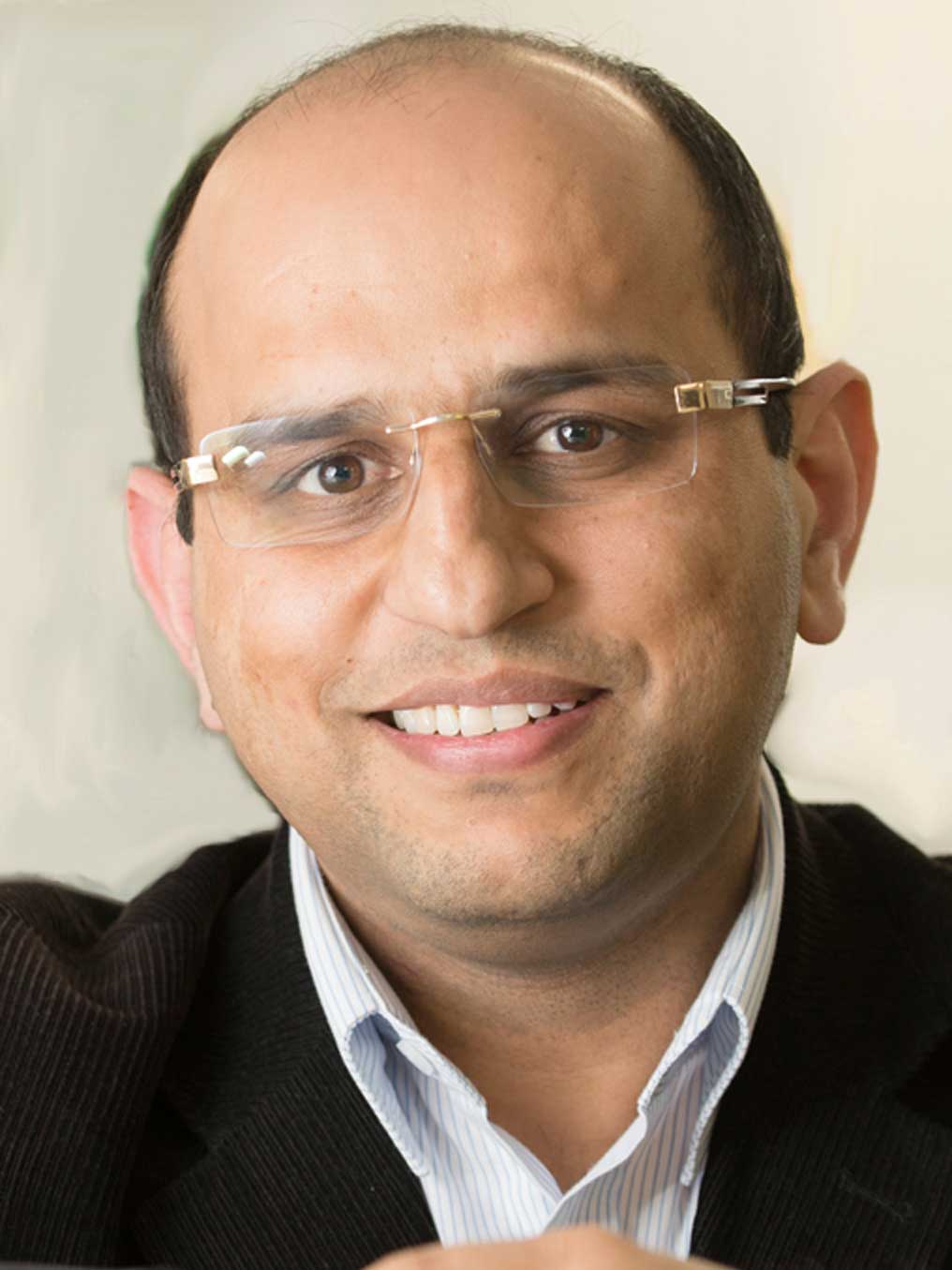
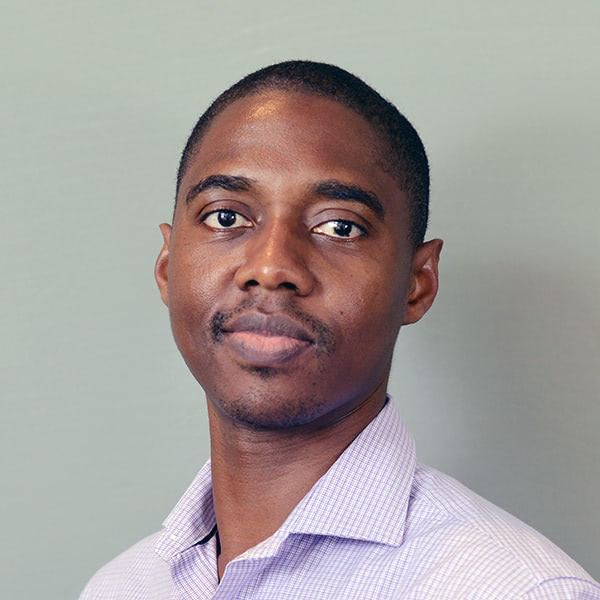
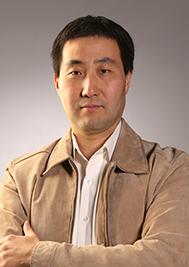
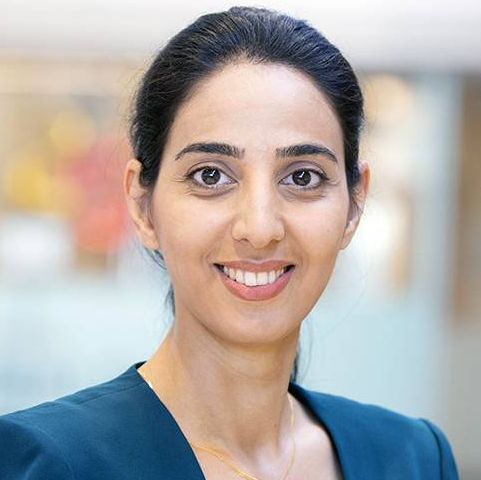
Ravinder Dahiya is a Professor in the Department of Electrical and Computer Engineering at Northeastern University's College of Engineering. He is also an Affiliated Researcher at the Dublin Innovation Institute. His research focuses on flexible printed electronics, soft robotics, electronic skin, and sustainable technologies, emphasizing biodegradable materials and energy-efficient systems. Education: PhD in Microelectronics from the Italian Institute of Technology (2009). Awards include Fellowships from IEEE, The Royal Society of Edinburgh, and The Institution of Engineers in Scotland, alongside the Microelectronic Engineering Young Investigator Award (2016). Research interests span tactile sensing, haptics, and wearable systems, with a lab (BEST Group) developing multidisciplinary solutions for societal challenges like electronic waste reduction. Key projects include self-powered energy harvesters and biodegradable triboelectric nanogenerators. Recent grants include a $230,000 NSF EAGER award for robotic e-skin integration. Media highlights include features in TechXplore and Chemical & Engineering News, along with speaking roles at global summits like the AI for Good Global Summit (2023). Labs/Teams: Bendable Electronics and Sustainable Technologies (BEST) Group, focusing on printed electronics, material science, and robotics.
Christian Eichhorn is an Assistant Professor in the Department of Computer Science at Technical University of Munich, specializing in Human-Computer Interaction, Virtual Reality, and Augmented Reality applications. His research primarily focuses on developing serious games and immersive technologies for healthcare, education, and older adults. He has established a strong collaborative network, particularly with David A. Plecher and Gudrun Klinker, resulting in numerous publications in top HCI and VR venues. Dr. Eichhorn's research interests center around creating accessible and engaging technology applications. His work demonstrates particular expertise in developing serious games for various educational purposes (language learning, history education), healthcare applications (rehabilitation, dementia care), and technologies specifically designed for older adults. His research combines technical innovation in AR/VR systems with practical applications addressing real-world challenges in healthcare and education. Analysis of his recent publications (2022-2025) reveals a consistent focus on practical applications of immersive technologies. His work spans educational tools for programming and language learning, healthcare applications for rehabilitation and clinical training, and specialized technologies for older adults. The research demonstrates a strong interdisciplinary approach, bridging computer science with healthcare, education, and gerontology. His technical contributions include innovations in AR/VR system design, collaborative environments, and novel interaction techniques. Dr. Eichhorn has been actively involved in organizing workshops and contributing to major conferences in the VR/AR field, including IEEE VR and ISMAR. His collaborative approach is evident in his extensive co-authorship network spanning multiple institutions. His laboratory work focuses on developing practical AR/VR applications, with particular emphasis on creating systems that bridge virtual and physical experiences. Current projects include serious games for health behavior change, rehabilitation assessment tools using wearable sensors, and social VR environments for older adults.
Flora Salim is a Professor in the School of Computing Technologies at RMIT University. She serves as co-Deputy Director of the RMIT Centre for Information Discovery and Data Analytics (CIDDA) and an Associate Investigator of the ARC Centre of Excellence in Automated Decision Making and Society. Her research focuses on human behavior modeling, machine learning with time-series and spatio-temporal data, and edge AI applications in IoT and wearables. Flora has secured over $10M in research funding from ARC, industry partners, and government bodies. Notable awards include the 2021 PACM IMWUT Distinguished Paper Award, 2019 Humboldt-Bayer Fellowship, and RMIT's 2018 Research Impact Award. She leads the CRUISE research group and has held visiting professorships at the University of Kassel and University of Cambridge. Editorial roles: Associate Editor of PACM on IMWUT, Area Editor of Pervasive and Mobile Computing Steering Committee member of ACM UbiComp Her work bridges ubiquitous computing and machine learning, with applications in urban analytics, mobility, and health monitoring. Recent projects include self-supervised learning for multimodal data and forecasting with heterogeneous time-series. Supervision areas: Deep learning for sensor data, explainable AI, and wearable-based emotion sensing Teaching programs: Master of Artificial Intelligence and Master of Data Science
Paul Siebert is a Reader in Computing Science at the University of Glasgow, specializing in computer vision and robotics. He leads the Computer Vision and Graphics research group and teaches Digital Image Processing and Computer Systems. His research focuses on 3D vision systems, biologically inspired vision, and cognitive robot vision, with applications in clinical and media domains. He has pioneered commercial 3D surface scanning technology and collaborated with clinical groups such as Glasgow Dental School. Affiliations: University of Glasgow (Computing Science Department) Roles: Reader, Group Leader (Computer Vision and Graphics) Research interests include active binocular robot vision, 2D/3D sensing, and visual perception for robotics. Notable projects include work on driver attention monitoring, virtual character creation, and clinical anatomical imaging. Siebert previously directed the 3D-MATIC Faraday Partnership and served as Chief Executive of the Turing Institute, developing commercial vision systems. Publications span over 140 works, emphasizing applications like rain removal algorithms, continual learning in robotics, and foveated imaging. His work integrates deep learning, biological vision models, and real-world robotics challenges. Awards and recognitions are not explicitly listed, but his contributions to 3D vision commercialization and robotics research highlight significant impact in the field.
Dr. Julian Hough is an Associate Professor of Human-Computer Interaction at Swansea University, affiliated with the School of Mathematics and Computer Science under the Faculty of Science and Engineering. His research focuses on improving human-agent interaction through Natural Language Processing (NLP) and AI, emphasizing ethical and quality outcomes in human-robot collaboration. His work spans Human-Robot Interaction (HRI), dialogue systems, and cognitive applications of speech technology. Notable projects include the FLUIDITY initiative exploring virtual reality platforms for HRI and the ARCIDUCA project annotating dialogue using conversational agents in games. He has secured significant grants, including a £587,000 EPSRC New Investigator Award for FLUIDITY and a £1.09M EPSRC grant for ARCIDUCA. Research interests include multimodal communication, disfluency analysis in dialogue, and applying LLMs to word sense disambiguation. His work often bridges computational linguistics with practical robotics and health technology, such as analyzing wearable sleep-tracker subjectivity and detecting Alzheimer’s through speech patterns. Collaborations span institutions globally, with contributions to workshops and conferences on HRI and dialogue systems. He actively supervises postgraduate research in areas like incremental intention recognition and computational law semantics.
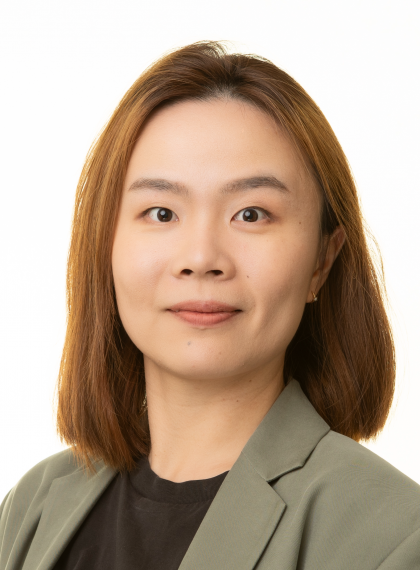
Zhao Zhao is an Assistant Professor at the School of Computer Science, University of Guelph. Her work focuses on wearable systems, human-robot interaction, and gamification for health and education. She holds a PhD from Carleton University (2019) and completed a postdoctoral fellowship at the University of Toronto (2019–2023) before roles at McMaster University and her current position. Education includes a BSc in Computer Science from University of Electronic Science and Technology of China (2011), MSc from Carleton University (2014), and PhD in Electrical and Computer Engineering (2019). Research interests span physiological computing, AI-assisted creativity tools, and adaptive systems leveraging wearable sensors. Key research areas include: 1) Wearable-based gamification for health and education, 2) Emotion sensing via physiological signals, and 3) Human-robot interaction enhanced by wearable data. Her lab uses Empatica EmbracePlus wristbands and Emotiv EEG headsets to analyze real-time physiological responses in diverse interaction scenarios. Recent publications (2020–2025) emphasize personalized exergame systems, child-robot interaction studies, and AI linguistic competency analysis. She actively seeks graduate students and industry partnerships in wearable technology, education tech, and HRI.
Xing-Dong Yang is an Associate Professor of Computer Science at Simon Fraser University (SFU) and holds an adjunct appointment as Assistant Professor at Dartmouth College. He directs the XDiscovery Lab and focuses on Human-Computer Interaction (HCI), particularly in developing interactive systems for smart everyday objects such as wearables, garments, and appliances. His research emphasizes accessibility for visually impaired users and prototyping tools for non-specialists. He earned his PhD from the University of Alberta, following degrees from the University of Manitoba and University of Alberta. Affiliations: Simon Fraser University (School of Computing Science), Dartmouth College (Adjunct) Education: PhD, Computer Science, University of Alberta MS, Computer Science, University of Alberta BS, Computer Science, University of Manitoba His research explores novel interactive systems, including tactile interfaces for education, assistive technologies for visual impairments, and innovative input methods for wearables. Key projects include MakeBronze (cultural preservation through interactive crafts), AccessibleCircuits (inclusive electronics for blind users), and systems like iWood and MicroFluID that merge materials science with HCI. His work has been recognized with awards such as the Best Paper Award at UIST'19 and multiple Honorable Mentions at CHI and UIST conferences. He advises a dynamic team of PhD and MSc students, emphasizing hands-on prototyping and industry collaborations through internships at companies like Google, Microsoft, and Apple. Yang has secured grants including an NSF CRII grant for device modulation and an NSF CSR Large grant for health-focused earpiece technology. His lab fosters interdisciplinary innovation, bridging computer science with design, engineering, and cultural studies.
Kofi M. Odame is an Associate Professor of Engineering at Dartmouth College, leading the Electrical & Computer Engineering program area. His research focuses on ultra-low-power analog integrated circuits for biomedical devices and sensor systems. He holds a BSc, MSc from Cornell University (2002-2004) and a PhD from Georgia Institute of Technology (2008). Education: BSc, Electrical and Computer Engineering, Cornell University, 2002 MSc, Electrical and Computer Engineering, Cornell University, 2004 PhD, Electrical and Computer Engineering, Georgia Institute of Technology, 2008 Research interests include analog IC design for biomedical applications, low-power sensor interfaces, and nonlinear signal processing. His work develops circuits for implantable/wearable devices and next-gen image sensors. Recent projects involve asthma monitoring, cardiac output tracking, and pulmonary imaging. Notable awards include the Jeff Crowe '78 Grand Prize (2019) and Analog Devices Career Development Professorship (2008–2012). He serves on NIH study sections for clinical informatics and holds IEEE Senior Member status. Advising and grants: Leads the Analog Lab, advises on NIH-funded projects, and collaborates with industry via TandemLaunch venture advisement. Courses taught include analog circuit design and biomedical systems. Labs/Teams: Directs the Analog Lab focusing on low-power biomedical circuits and sensor systems.
Ifana Mahbub is an Associate Professor at the Erik Jonsson School of Engineering and Computer Science , University of Texas at Dallas, specializing in Electrical & Computer Engineering . Her research focuses on energy-efficient integrated circuits, wireless power transfer systems for biomedical sensors, and advanced antenna designs for UAV and mm-wave applications. She leads the Integrated Biomedical, RF Circuits and Systems Lab . Education: Ph.D. in Electrical Engineering (2017), University of Tennessee, Knoxville B.S. in Electrical Engineering (2012), Bangladesh University of Engineering and Technology Research interests include: Ultrawideband/mm-wave phased-array antennas Far-field wireless power beaming V2V communication for UAVs Energy harvesting via reverse electrowetting Implantable/wearable sensor systems Recent work highlights advancements in high-efficiency rectennas, beamforming algorithms, and AI-driven metasurface design. Her systems address critical challenges in biomedical telemetry and aerial communication.
Dr. Liang (Leon) Dong is an Associate Professor in the Department of Electrical and Computer Engineering at Baylor University, where he conducts research and teaches in the areas of signal processing, wireless communications, and artificial intelligence. He leads the Laboratory of Signal Processing, Communications, and Artificial Intelligence, fostering innovation in next-generation communication systems, IoT, and AI-driven applications. PhD, Electrical & Computer Engineering, The University of Texas at Austin (2002) MS, Electrical & Computer Engineering, The University of Texas at Austin (1998) BS, Applied Physics with Minor in Computer Engineering, Shanghai Jiao Tong University (1996) Dr. Dong's research focuses on advancing digital signal processing and wireless communications, with strong emphasis on artificial intelligence applications. His work spans NextG wireless systems , IoT and smart cities , cyber-physical system security , and AI in healthcare and industrial automation . He applies deep learning to domains such as autonomous driving and drug discovery, and investigates energy-efficient, secure, and reliable communication protocols. The recent publications highlight a strong trend toward integrating AI into traditional signal processing and communications. Topics include mRNA vaccine stability prediction , smart city infrastructures , secure cyber-physical systems , and deep learning for biomedical and industrial applications . His work bridges theoretical innovation with real-world impact in defense, transportation, and public health. Dr. Dong has earned recognition as a Senior Member of IEEE and a Member of the American Physical Society. He has also served as Faculty Advisor for Baylor University's InterVarsity chapter. Senior Member, Institute of Electrical and Electronics Engineers (IEEE) Member, American Physical Society (APS) He has successfully advised numerous graduate and undergraduate students, many of whom now hold academic and industry positions at institutions like Stanford, Intel, NASA, L3Harris, and Cummins. His research is generously supported by Baylor's VP for Research, the National Science Foundation, NASA, the Department of Defense (TARDEC), the Michigan Department of Transportation, and industry leaders including Intel, L3Harris, ExxonMobil, and Denso. He actively mentors students through research assistantships and senior design projects. Dr. Dong leads the Laboratory of Signal Processing, Communications, and Artificial Intelligence, which provides a collaborative environment for advancing research in signal processing, communications, and AI. The lab supports graduate and post-doctoral researchers and offers opportunities for undergraduate involvement in AI programming, circuit design, and embedded systems.
Reinder Haakma is a University Researcher at Eindhoven University of Technology in the Signal Processing Systems department. His work bridges biomedical engineering and machine learning , focusing on advanced signal processing techniques for healthcare applications. Research interests include: Photoplethysmography (PPG) signal decomposition Cardiovascular monitoring via wearable sensors Anomaly detection in physiological signals Improving pulse arrival time estimation Smartwatch-based cardiac arrest detection systems His contributions to rapid eye movement sleep analysis and heart rate variability align with UN Sustainable Development Goals for health innovation. Notable recognition includes the Best paper full paper award at IE 2018 for his work with Tax, van der Aalst, and Sidorova. Recent publications (2024-2025) demonstrate expertise in predictive coding algorithms, Gaussian modeling, and real-time physiological monitoring. Collaborations span cardiology (Dekker, Vullings) and human-computer interaction (Markopoulos) domains.
Yuerui (Larry) Lu is an Associate Professor at the Australian National University (ANU), serving as Program Manager and Chief Investigator at the ARC Centre of Excellence for Quantum Computation and Communication Technology. He holds a Ph.D. from Cornell University (Electrical and Computer Engineering) and a B.S. from the University of Science and Technology of China (Applied Physics). His research focuses on MEMS/NEMS sensors, nano-manufacturing, renewable energy, and quantum materials integration. Key research interests include 2D quantum materials, optoelectronic devices, energy harvesting for flexible electronics, and biomedical sensors. Lu has authored over 100 peer-reviewed articles, with notable contributions in Nature , Nature Communications , and Chemical Reviews . He is an Associate Editor of Scientific Reports and a reviewer for journals like Advanced Materials and Nano Letters . Awards: ACT Young Tall Poppy (2016), DECRA Fellowship (2014), MRS Graduate Student Award (2012). Leadership: Co-founded the ARC Quantum Centre, leading projects in quantum photonics and nanofabrication. His work bridges fundamental physics and applied nanotechnology, with applications in wearable biosensors, renewable energy systems, and quantum communication devices.
Herbert Shea is a Professor at École polytechnique fédérale de Lausanne (EPFL), where he leads the Microsystems for Space Technologies Laboratory (LMTS) within the School of Engineering and Institute of Microengineering. His research spans soft robotics, electrostatic actuation, and haptic interfaces with significant contributions to wearable technologies and microfabrication techniques. Shea's research focuses on developing novel actuation mechanisms for soft robotics, particularly zipping electrostatic actuators, electroadhesion technology, and dielectric elastomer systems. His work emphasizes miniaturization, energy efficiency, and practical implementation in wearable haptic interfaces for virtual and augmented reality applications. Recent research explores wafer-level microfabrication techniques, stretchable electronics, and novel approaches to fluid manipulation through electrowetting. Analysis of his recent publications reveals a strong trend toward creating more efficient, compact, and versatile soft robotic systems. His research group has made significant advances in reducing actuation voltages while maintaining performance, developing novel fabrication methods for liquid-encapsulated actuators, and creating reliable sensing systems for robotic manipulation. The interdisciplinary nature of his work bridges materials science, electrical engineering, and mechanical design to solve practical challenges in human-robot interaction. Shea collaborates extensively with researchers across multiple institutions, particularly with Samuel Rosset, Vito Cacucciolo, and Florian Hartmann. His research is supported by organizations including the Swiss National Science Foundation and the European Union, reflecting the significance and potential impact of his work in soft robotics and wearable technologies.
Dr. Shideh Kabiri Ameri serves as Associate Professor in the Department of Electrical and Computer Engineering at Queen's University, where she joined in September 2018 after completing postdoctoral research at the University of Texas at Austin. Her interdisciplinary expertise bridges nanomaterials engineering and biomedical applications, with particular focus on developing imperceptible wearable sensors for continuous health monitoring. Her educational foundation includes: PhD in Electrical Engineering (2015) from Tufts University Master's and Bachelor's degrees in Physics (solid state) AS degree in Medical Laboratory Sciences Dr. Ameri's research program centers on 2D material-based electronic devices for wearable bioelectronics, human-machine interfaces (HMI), and mobile healthcare systems . Her lab pioneered graphene electronic tattoos (GETs) that achieve unprecedented skin conformity while recording high-fidelity physiological signals. Current work emphasizes ultrasoft hydrogel-based sensors that eliminate motion artifacts and enable months-long wear without skin irritation, representing a paradigm shift from conventional rigid medical devices toward truly imperceptible health monitors. Analysis of her 40+ publications reveals a strategic evolution from fundamental nanomaterial characterization toward clinically viable systems. Recent work (2021-2025) demonstrates increasing sophistication in multimodal sensing (simultaneous ECG/EEG/temperature), reusable sensor architectures , and wireless power integration . The trajectory shows clear progression from lab prototypes to FDA-pipeline devices, particularly in cardiac and neurological monitoring applications. Her scientific recognition includes: Rising Star in EECE 2017 award Dr. Ameri leads the Ameri Nano Research Group which operates advanced nanofabrication facilities for developing next-generation bioelectronic interfaces. Her research has attracted significant media attention from BBC, IEEE Spectrum, and Phys.Org, highlighting real-world impact in remote patient monitoring. The group actively collaborates with medical institutions to translate innovations into point-of-care diagnostics, with current projects focusing on in-ear physiological monitors and strain-neutralized neural recording systems. The research team maintains strong industry partnerships for commercializing soft bioelectronics, with particular emphasis on creating accessible health monitoring solutions for underserved communities through low-cost manufacturing approaches.
Dr Andrew Starkey is a Reader in the School of Engineering at the University of Aberdeen, where he also completed his PhD in 2001. He holds an Honours degree in Applied Mathematics from the University of St Andrews. He is actively involved in research and currently accepting PhD students in Engineering. His work bridges academia and industry, with a focus on AI applications in engineering, bioinformatics, and geosciences. University: University of Aberdeen School: School of Engineering Academic Rank: Reader Email: a.starkey@abdn.ac.uk Phone: +44 (0)1224 272801 Dr Starkey's research centers on Explainable AI (XAI) , Green AI , and Autonomous AI , with applications in robotics, econometrics, bioinformatics, seismic data analysis, and virtual reality. He has developed novel methods for feature selection, autonomous learning, and knowledge abstraction from agent-environment interactions. His work emphasizes low computational cost and transparency in AI systems. The most recent publications reflect a strong trend in applying AI to complex real-world problems, including digital rock technology, robotic grasping, real-time event detection, and medical data analysis. His interdisciplinary research combines machine learning with domain-specific knowledge in engineering and life sciences, often resulting in practical, industry-ready solutions. Millennium Product Award John Logie Baird Award for Innovation Enterprise Fellowship from Royal Society of Edinburgh and Scottish Enterprise Dr Starkey has supervised multiple research projects and secured funding from major bodies including EPSRC, BBSRC, and industry partners. His past work on the GRANIT project led to the development of AI-based condition monitoring for ground anchorages, resulting in commercialization through BlueFlow Ltd. He has collaborated with researchers across disciplines, including Dr Alasdair MacKenzie (bioinformatics), Dr Anne Schwab (seismic analysis), and Dr David Hazlerigg (genomics). He leads research in AI-driven engineering solutions and is the CEO of BlueFlow Ltd, a spinout company commercializing AI technologies developed at the University of Aberdeen. His lab focuses on developing autonomous, explainable, and environmentally sustainable AI systems for real-world deployment.