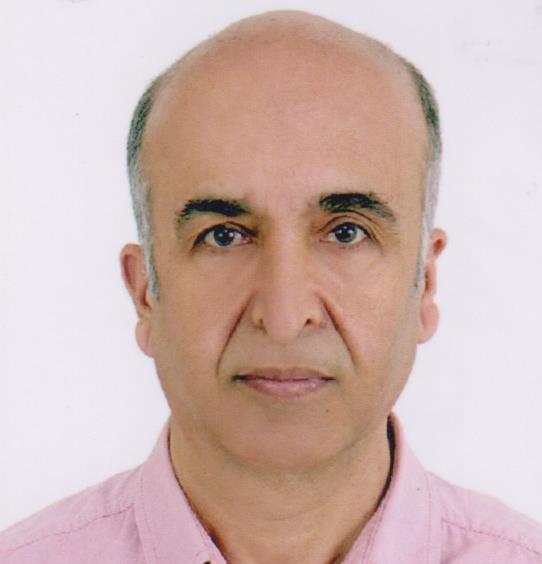
Hong Li is an Associate Professor at the University of California, Davis, specializing in interdisciplinary research at the intersection of food science, engineering, and biotechnology. Their work focuses on innovative food processing technologies, including infrared drying systems, catalytic thermal treatments, and microbial inactivation methods. Li's research also addresses sustainable production of alternative proteins, nutraceuticals, and optimization of agricultural by-products. Key research interests include food safety, energy-efficient processing, and the application of advanced technologies like cold plasma and mathematical modeling in food systems. Li has contributed to advancements in nut drying, fish meat quality, and fungal protein production. Their work emphasizes practical solutions for industrial applications while maintaining nutritional and sensory quality. Publications highlight Li's expertise in food physics, interdisciplinary collaboration, and bridging theoretical models with real-world processing challenges. Despite extensive contributions, no scientific awards or named grants are explicitly mentioned in the text.
Wilfried Andlauer is a Professor at the Institute of Life Sciences within HES-SO Valais-Wallis School of Engineering. His research focuses on bioactive compounds , non-thermal food processing , and bioavailability studies , particularly in agricultural by-products like grape cane, walnut press cake, and Spirulina algae. He has developed advanced methods for solid-state fermentation , cold plasma decontamination , and bioactives fingerprinting . Key projects include optimizing microwave-assisted extraction for stilbenoids, analyzing iron absorption from insect flour , and developing microfluidic antioxidant assays . His work integrates nutraceutical research with practical applications in food safety and sustainable processing . Collaborations span Switzerland and Asia , with expertise in analytical chemistry and bioprocessing .
Filipa Sofia Dinis Reis is a prominent researcher at the Instituto Politécnico de Bragança (IPB), specifically within the Department of Agricultural and Food Engineering at the School of Technology and Management. With over 114 publications in the last decade, she has established herself as a leading expert in food science, natural products chemistry, and sustainable food technologies. Her research spans multiple domains including functional foods, mushroom biochemistry, and food waste valorization. Dr. Dinis Reis completed her Master of Biotechnology at the Instituto Politécnico de Bragança, where she was recognized as the best student of her cohort (2008-2010). She later earned her PhD from the Universidad Complutense de Madrid, receiving the Extraordinary Doctoral Prize for her outstanding work. Her educational background provided the foundation for her current research in food science and natural product chemistry. Her research interests focus on identifying and characterizing bioactive compounds in natural sources, particularly mushrooms and plant byproducts. She investigates the antioxidant, antimicrobial, and antiproliferative properties of these compounds, with special emphasis on food waste valorization through circular economy approaches. Her work on apple pomace, walnut biostimulants, and mushroom extracts has significant implications for sustainable food production and health-promoting ingredients. Analysis of her recent publications reveals a clear trajectory toward sustainable food systems, with increasing focus on circular economy applications, food waste valorization, and natural alternatives to synthetic additives. Her research bridges fundamental chemistry with practical food industry applications, particularly in the areas of natural preservatives and functional ingredients derived from agricultural byproducts. Iacobus Program - Stays (2023) Erasmus+ Programme (STT Staff Mobility) (2023) Ideas with potential for innovative pilot projects (2023) Iacobus Program - Scientific papers (2022) CEECIND - Concurso Estímulo ao Emprego Científico Individual (2022) Extraordinary Doctoral Prize from Universidad Complutense de Madrid (2018) PhD Grant from FCT (2015) As Principal Investigator of the CYPonins project (2022-2028), funded by the Fundação para a Ciência e Tecnologia, Dr. Dinis Reis leads research on cypress saponins as bio-based alternatives for high-mortality rate tumors. Her work attracts significant research funding and has practical applications in both the food and pharmaceutical industries, demonstrating the translational potential of her research. She actively collaborates with international researchers, as evidenced by numerous co-authored publications with scientists from various countries. Her laboratory focuses on advanced analytical techniques for characterizing bioactive compounds in natural sources, with particular expertise in chromatographic methods, antioxidant assays, and antimicrobial testing. The research group works at the intersection of food science, pharmacology, and sustainable technology, developing innovative solutions for food waste reduction and natural product utilization.
Martin Reaney is a Professor and Ministry of Agriculture Strategic Research Program (SRP) Chair in Lipid Quality and Utilization at the University of Saskatchewan's Department of Food and Bioproduct Sciences, within the College of Agriculture and Bioresources. His research focuses on lipid chemistry, sustainable agriculture, and food technology, particularly in biodiesel production, flaxseed bioactives, and novel food products. Key research interests include optimizing lipid quality through refining techniques (e.g., electrostatic field processing, enzymatic degumming), developing functional food ingredients (e.g., aquafaba-based emulsifiers, flaxseed-derived peptides), and enhancing biofuel production. His work bridges agricultural innovation with industrial applications, emphasizing sustainability and nutritional value. Key Projects: Biodiesel optimization, flaxseed lignan extraction, cyanogenic glycoside removal in flaxseed through fermentation, and electrostatic refining of crude oils. Lab/Affiliations: SRP Chair in Lipid Quality & Utilization, affiliated with the University of Saskatchewan's Ministry of Agriculture initiatives. Contact: martin.reaney@usask.ca | 6E02 Agriculture Building. Publications span lipid processing, food safety, and nutraceutical development, with a focus on interdisciplinary approaches to address global food and energy challenges.
Dominic Agyei is an Associate Professor of Food Chemistry at Monash University's School of Chemistry. His research focuses on leveraging bioprocess engineering and computational tools to develop high-value bioactives from novel sources like plant- and insect-based materials. He holds a BSc in Food Science from Kwame Nkrumah University of Science and Technology (2008) and a PhD in Chemical Engineering from Monash University (2014). He previously served as a Postdoctoral Research Fellow at Deakin University (2015–2017) and as a Lecturer in Food Science at the University of Otago. Education: BSc (Honors) in Food Science, Kwame Nkrumah University of Science and Technology, 2008 PhD in Chemical (Bioprocess) Engineering, Monash University, 2014 Alfred Deakin Postdoctoral Research Fellowship, Deakin University, 2015–2017 Postgraduate Certificate in Higher Education, University of Otago, 2023 Research Interests: Combines in silico modelling and bioprocess engineering to study food-derived compounds' structures, properties, and health implications. Key areas include food bioactives, edible insects, biocatalysis, and sustainable food innovation. His work aligns with UN Sustainable Development Goals, particularly addressing food security and environmental sustainability. Publications: Recent work emphasizes functional food development, legume health benefits, and sustainable extraction methods. His 2025 review on aloe vera bioactives highlights innovative applications, while studies on legumes and walnut oil explore nutritional and industrial potential. Awards: Young Researcher Award, International Union of Food Science and Technology (IUFoST), 2022 Advising & Grants: Supervises PhD candidates focusing on protein functionalities and bioactive compounds. Active in early-career scientist advocacy, serving on the Administrative Council of Early Career Scientists for IUFoST. Recognized as a 'Recognized Doctoral Supervisor' under the UK Council for Graduate Education's framework.
Sushil Dhital is an Associate Professor in the Department of Chemical Engineering at Monash University, where he has been since July 2019. His research focuses on the structure-property-function-health relationships of food and food ingredients, particularly leveraging interdisciplinary approaches from physics, chemistry, biology, and engineering. He is actively involved in editorial roles, serving as Editor for Carbohydrate Polymers and on the Editorial Boards of Food Hydrocolloids , Food Chemistry , and Bioactive Carbohydrates and Dietary Fibre . Additionally, he chairs the Australasian Grain Science Association (AGSA), which promotes collaboration among grain scientists, students, and industry professionals. Dr. Dhital holds a PhD in Food Technology from The University of Queensland (2011), an M.Tech in Food Technology from Tribhuvan University (2007), and an MBA from Tribhuvan University (2000). His academic journey includes a research fellowship at UQ, where he studied starch-plant cell wall interactions, before transitioning to Monash. His research interests are centered on plant molecular structures and their macroscopic implications for food, health, and product development. He employs in vitro digestion and fermentation models to investigate nutritional and processing functionalities. Key areas include starch granule structure, enzyme interactions, legume processing, and high-value ingredient extraction from by-products. His work contributes to UN Sustainable Development Goals related to sustainable food systems and improved health outcomes. Dr. Dhital leads multiple research projects as Primary Chief Investigator (PCI), such as the "Digital Twin of Plant Protein Extruder" (2024–2028) and "Walnut processing & by-product utilisation" (2024–present). He also collaborates globally on topics like legume and cereal processing, aiming to bridge nutritional gaps and enhance food sustainability.
Sorour Barekat is a Research Fellow in the Department of Food Science at the University of Arkansas. She holds affiliations with the Director Experiment Station (DREX) and the Food Science Center (FDSC). Her research focuses on advancing food technology through innovative processes such as 3D food printing for bioactive compound encapsulation, protein-based material design, and sustainable utilization of agricultural byproducts. Dr. Barekat also investigates meat tenderization via non-thermal technologies like ultrasonic radiation and enzymatic treatments. Her work bridges food chemistry, biotechnology, and engineering to address functional food development, ingredient optimization, and process innovation. Her research portfolio includes optimizing hydrocolloid systems for gluten-free products, developing extraction methods for natural antioxidants from walnut green husks, and simulating essential oil standardization for industrial applications. She has explored rheological properties of gums and proteins under various processing conditions, contributing to food texture and stability solutions. Dr. Barekat’s interdisciplinary approach integrates analytical techniques with process engineering to enhance food quality and safety. While no academic awards are listed, her extensive publication record (2017–2025) highlights sustained contributions to food science innovation. Her advising and grants remain unspecified in available records. Dr. Barekat’s work is centered in the Food Science Department, contributing to research initiatives at the University of Arkansas.
Dr. Göktürk ÖZTÜRK serves as an Assistant Professor in the Food Processing Department at Kaman Vocational School, Kirsehir Ahi Evran University, Turkey. He has been a full-time academic staff member since 2023, following his previous role as an Instructor at the same institution from 2007 to 2018. Since 2022, he has also held the position of Department Head at Kirsehir Ahi Evran University, demonstrating both academic and administrative leadership. His educational background includes: PhD in Food Engineering from Erciyes University (2012-2018) Master's Degree in Food Engineering from Erciyes University (2009-2012) Bachelor's Degree in Food Engineering from Selçuk University (2001-2006) Associate Degree in Theology from Anadolu University (2017-2020) Bachelor's Degree in Theology Completion Program from Ondokuz Mayıs University (2024) Dr. ÖZTÜRK's research centers on Food Chemistry and Food Technologies, with particular emphasis on bioactive compounds in food systems, sustainable utilization of agricultural byproducts, and functional food development. His work investigates the physicochemical, rheological, and sensory properties of diverse food products including traditional Turkish foods, dairy products, and nut-based formulations. He has made significant contributions to understanding extraction methods for valuable compounds from food waste materials. His publication record reveals a consistent scholarly trajectory focused on food science and technology, with increasing emphasis on sustainable approaches to food processing. Recent work demonstrates sophisticated methodological approaches including PCA, Taguchi method, TOPSIS, and response surface methodology for optimizing food processes and product development. His research shows a clear progression from fundamental studies to applied research with practical implications for the food industry. Dr. ÖZTÜRK has participated as a researcher in two significant projects: 'Production of Phenolic Compound-Rich Extract from Hazelnut Husk Waste and Investigation of Its Potential Use in Food Technology' (2015-2018) and 'Examination of the Physical, Chemical, Functional and Rheological Aspects of Using Certain Vegetable Juices in Ice Milk Production' (2010-2011). He serves on the editorial board of European Food Science and Engineering journal and has performed numerous peer reviews for international scientific publications.
Dr. Sebahattin YILMAZ is a Lecturer in the Department of Garden Plants at the Faculty of Agriculture, Kırşehir Ahi Evran University, Turkey. He has been serving as a full-time academic staff member since 2013 and currently holds the position of Deputy Department Head. His academic career includes significant administrative roles such as Department Head (2015-2024) and Research and Application Center Manager (2015-2020), demonstrating his leadership in academic and research administration. Dr. YILMAZ earned his BSc, MSc, and PhD degrees in Horticulture from Gaziosmanpaşa University, completing his doctoral studies in 2007. His educational background in horticulture has provided a strong foundation for his research in fruit cultivation and breeding, particularly focusing on walnut species. His research primarily centers on walnut cultivation and breeding , with significant contributions to understanding walnut phenology, genetic diversity, and propagation techniques. Dr. YILMAZ has conducted extensive research on walnut germplasm characterization, particularly in regions like Kaman (Kırşehir), Aksaray, and Mucur. His work spans practical horticultural techniques including top-working methods, micropropagation, and seed germination studies, as well as theoretical aspects like phenological modeling and suitability analysis using Geographic Information Systems. His recent publications (2023-2025) show a shift toward broader applications including geographical indication systems for agricultural products and educational innovations in plant production. Dr. YILMAZ has been principal investigator for numerous research projects funded by higher education institutions, with a particular focus on walnut cultivation and development. His research portfolio includes 12 projects spanning from 2012 to 2026, reflecting sustained commitment to advancing walnut production in Turkey. He has served as Erasmus Coordinator since 2014, demonstrating international engagement in academic exchange programs. As an educator, Dr. YILMAZ has supervised numerous graduate students, guiding 8 master's theses and 1 doctoral dissertation to completion. His teaching portfolio includes courses on hard-shelled fruit cultivation, subtropical fruit species, viticulture, and plant biotechnology, reflecting the breadth of his expertise in horticultural sciences.
Andrea Fabbri serves as Full Professor of General Arboriculture and Tree Cultivation at the University of Parma's Department of Food Sciences since 2001, concurrently leading the Degree Course in Gastronomic Sciences and the Master's Program in Territorial Food and Wine Marketing. His institutional roles include PhD program membership in Food Science and Technology, directorship of the Interdepartmental Center for Energy and Environment (2006-2009), and dual-term leadership of the University Botanical Garden (2002-2003, 2008-2012). His research dominion centers on olive cultivation systems, evidenced by seminal work in propagation physiology, pomological characterization, and revival of olive growing in non-traditional regions like Emilia. Secondary expertise spans viticulture, chestnut/walnut germplasm conservation, and abiotic stress responses in fruit trees, consistently bridging fundamental plant science with gastronomic applications through his teaching of Plant-based Raw Materials. Recent publications (2021-2024) reveal intensifying focus on climate resilience in olive cultivation, combining genetic landscape analysis of ancient varieties with physiological studies of drought adaptation. This trajectory extends to hop cultivation research, exploring organic fertilization's impact on bioactive compounds, demonstrating methodological transfer between Mediterranean and temperate crops. His scientific recognition includes: Corresponding Academician of the Italian Academy of Vine and Wine Full Academician of the National Academy of the Olive Full Academician of the Italian Academy of Cuisine Professor Fabbri has supervised numerous doctoral theses while evaluating European research projects and serving on Italy's FIL/COFIN funding committees since 2001. His international engagement spans 30+ years of development projects across Asia, Africa, and Latin America, complemented by editorial leadership in Advances in Horticultural Science since 1993. Operational frameworks include the Botanical Garden conservation initiatives and Interdepartmental Center for Energy and Environment collaborations, where his cryopreservation and substrate utilization research directly informs sustainable agricultural practices.
Prof. Dr. Oğuz Büyükkileci serves as a faculty member in the Department of Food Engineering, specializing in industrial biotechnology and sustainable valorization of agricultural byproducts. His research bridges microbiology, biochemical engineering, and food science to develop value-added products from waste streams. His primary research focuses on bio-based product development through microbial and enzymatic processes, particularly targeting agro-food waste valorization for prebiotics, bioactive compounds, and bioenergy. Key methodologies include organosolv pretreatment, autohydrolysis, and fermentation optimization using strains like Aureobasidium pullulans and Actinobacillus succinogenes . Current work emphasizes colon-targeted drug delivery systems using xylan-chitosan composites and gut microbiome interactions with dietary fibers. Analysis of his 15 most recent publications reveals a consistent focus on lignocellulosic biomass conversion , with 80% addressing waste valorization from hazelnut, corncob, and walnut shells. The research demonstrates strong translational potential in nutraceuticals (65% of articles), sustainable packaging (20%), and bioenergy (15%), characterized by interdisciplinary approaches combining chemical engineering, microbiology, and materials science. Prof. Büyükkileci actively supervises doctoral and master's research, with 13 documented graduate students focusing on waste-to-value conversion technologies. His funded projects include: TÜBİTAK 1001 grant (2021-2024) for deep eutectic solvent-based xylooligosaccharide production TÜBİTAK 1002 project (2018-2019) as Principal Investigator for organosolv pretreatment optimization Multidisciplinary collaborations on pectin extraction and phytochemical analysis His laboratory work integrates bioprocess engineering with gut microbiome studies, maintaining active partnerships through COST Action FP1306 for lignocellulosic biomass valorization.
Selina Wang is a Professor and Department Vice-Chair in Food Science and Technology at the University of California, Davis. Her research focuses on chemical quality, purity, and nutritional parameters in fruit and vegetable post-harvest processing, with an emphasis on olive and avocado oils. She leads the Wang Laboratory, specializing in developing detection methods for adulteration, optimizing processing techniques, and identifying quality markers. Dr. Wang holds a Ph.D. in Physical Organic Chemistry from UC Davis (2008) and a B.A. in Chemistry from UC Santa Cruz (2003). Her work bridges academia and industry, collaborating with growers, processors, and government agencies to address food quality challenges. Her research interests include olive oil quality assessment, phenolic compound analysis, and the development of rapid analytical tools. Recent work explores antimicrobial applications of olive byproducts and oxidation mechanisms in plant oils. She has authored over 150 publications, with a focus on food chemistry, analytical methods, and agricultural product quality. Notable awards include the 2024 Timothy L. Mounts Award from the American Oil Chemists Society and the 2021 Excellence in Research Award from UC Davis. Her extension activities include educational workshops and one-on-one consultations on food quality standards.
Dr. Sonja Veljović serves as an Assistant Professor at the Faculty of Hotel Management and Tourism, University of Kragujevac, specializing in Food Technology. Her work bridges beverage science, food chemistry, and sustainable processing innovations. Current affiliation: Faculty of Hotel Management and Tourism, University of Kragujevac (2022–) Key research areas: Spirits aging, food waste valorization, antioxidant analysis, and medicinal fungi applications Teaching: Food and Beverage Technology, Healthy Food Production, Enogastronomy Projects: RECAP (2022–2025), CREATE A FORTUNE OF SERBIA (2011–2019), and bilateral collaborations Her research explores wood-spirit interactions, functional beverage development, and sustainable food processing technologies. Recent publications focus on antioxidant-rich formulations, waste wood utilization, and innovative extraction methods. Collaborative initiatives span China-Serbia and Montenegro-Serbia partnerships, emphasizing cross-border food technology exchange.
Doçent Remzi Uğur , since 1988, has been a dedicated academician at Gaziantep Üniversitesi within the Nurdağı Meslek Yüksekokulu 's Park ve Bahçe Bitkileri Bölümü . Holding a PhD in Horticulture from Çukurova Üniversitesi (2017) and a Master's in Agricultural Economics from Kahramanmaraş Sütçü İmam Üniversitesi, his career spans over three decades in both academic and governmental agricultural research roles. PhD (2017): Çukurova Üniversitesi - Bahçe Bitkileri (Dr) Master's (2009): Kahramanmaraş Sütçü İmam Üniversitesi - Tarım Ekonomisi (YL) Bachelor's (2007): Kahramanmaraş Sütçü İmam Üniversitesi - Ziraat Mühendisliği His research focuses on rootstock breeding , grafting compatibility , and nutrient transmission in fruit trees, particularly Prunus species . With over 41 peer-reviewed publications and 36 conference presentations, he has pioneered the application of machine learning in agricultural protocols. Key projects include TÜBİTAK-funded rootstock development and Verticillium wilt resistance studies in olives. Recent publications highlight his innovative work in biochemical profiling of walnuts using AI, in vitro sterilization protocols for olive propagation, and phenolic content analysis in figs. His extensive fieldwork spans Eastern Mediterranean crop optimization , including walnut, apricot, and sumac genotypes. He has served as principal investigator for over 20 national agricultural projects.
Taofiq Ayodele Oludemi is a researcher at Instituto Politécnico de Bragança specializing in bioactive compound extraction and cosmeceutical development from agricultural byproducts. With 70 publications (2015-2024), his work focuses on Phenolic compound recovery Mushroom-based bioactives Microencapsulation technology Sustainable resource valorization Research trends reveal expertise in Response surface methodology optimization Plant metabolomics Skin health applications Waste-to-value transformations , particularly with Ganoderma lucidum and Agaricus blazei mushrooms. Scientific recognition includes Young Researcher Awards (2021) IACOBUS Program fellowship (2020) Multiple conference supports (2017-2019) Best student award in Biotechnological Engineering (2015) Contact: taofiq.oludemi@ipb.pt