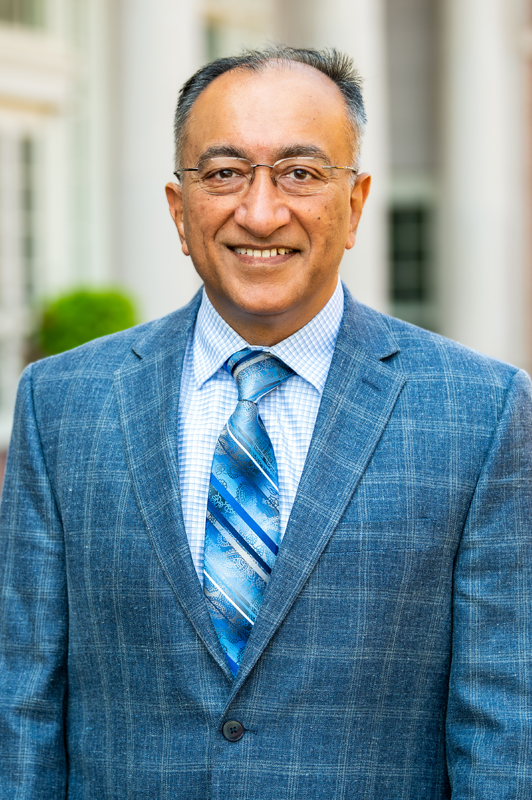
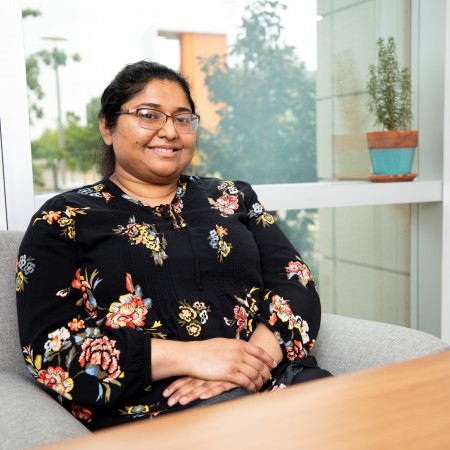
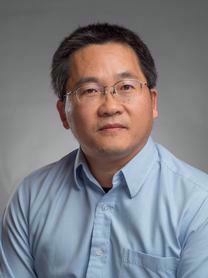
Peter Awakowicz is a Senior Professor and former head of the Chair of Electrical Engineering and Plasma Technology at the Faculty of Electrical Engineering and Information Technology , Ruhr-Universität Bochum . His work focuses on plasma physics and technology, with applications in surface treatment, sterilization, and diagnostics. He is affiliated with the Department of Applied Electrodynamics and Plasma Technology, where he leads interdisciplinary research combining experimental plasma science with technological innovation. Research Interests: Plasma-assisted surface modification and thin-film deposition Dielectric barrier discharges and atmospheric pressure plasmas Plasma sterilization and biomedical applications Plasma-catalysis for environmental and energy applications Advanced plasma diagnostics and optical emission spectroscopy His recent publications demonstrate a strong focus on volatile organic compound (VOC) conversion , NO dynamics in low-pressure plasmas , microdischarge behavior , and plasma-assisted pyrolysis . These works highlight his expertise in both fundamental plasma physics and applied plasma engineering. Contact & Resources: Email: awakowicz@aept.rub.de Faculty Page: https://etit.ruhr-uni-bochum.de/en/faculty/professorships/prof-dr-ing-peter-awakowicz/ Google Scholar: https://scholar.google.de/citations?user=MPKunGAAAAAJ
Professor Thierry Langer is a Full Professor of Pharmaceutical Chemistry at the University of Vienna’s Faculty of Life Sciences (Department of Pharmaceutical Sciences). He leads research in computational drug design, with a focus on pharmacophore modeling, 3D-QSAR analysis, and AI-driven molecular design. His work bridges theoretical and experimental chemistry, addressing targets like viral proteases (e.g., SARS-CoV-2), GABA receptors, and dopamine transporters. Research interests include: Pharmacophore-guided drug discovery for anti-viral and CNS therapies Development of next-generation computational tools (e.g., PharmacoMatch, QPhAR) Protein-ligand interaction modeling using neural networks and graph-based algorithms Recent studies focus on: Inhibitors for herpesvirus nuclear egress complexes, AI-optimized antivirals, and dopamine transporter inhibitors for cognitive enhancement. His lab collaborates on projects like the NeuroDeRisk initiative to de-risk neurotoxic compounds. Publications emphasize drug repurposing, metabolic pathway analysis, and scalable synthesis methods for promising drug candidates.
Pradeep Lall is the MacFarlane Endowed Distinguished Professor and Alumni Professor in the Department of Mechanical Engineering at Auburn University’s Samuel Ginn College of Engineering. He serves as Director of the Auburn University Electronics Packaging Research Institute (EPRI) and holds a joint courtesy appointment in the Department of Electrical and Computer Engineering. A leader in flexible hybrid electronics and harsh environment systems, Dr. Lall has built a world-renowned research program focused on additive manufacturing, electronics reliability, and sustainable materials. Ph.D. in Mechanical Engineering, University of Maryland M.B.A. in Finance and Strategy, Northwestern University M.S. in Mechanical Engineering, University of Maryland B.E. in Mechanical Engineering, Delhi College of Engineering Dr. Lall’s research centers on Flexible Hybrid Electronics (FHE) , Harsh Environment Electronics , Semiconductor Packaging , and Prognostics Health Management . His work leverages additive manufacturing techniques such as Aerosol-Jet, InkJet, and screen printing to develop conformal, robust, and sustainable electronic systems. His innovations include the Flexible Biometric Band for monitoring workers in hazardous environments and additively printed antennas for aerospace applications. His recent focus includes eliminating PFAS from electronics and developing water-based inks for eco-friendly manufacturing. The 15 most recent publications reflect a strong trend toward sustainability , additive manufacturing , and real-world applications in defense, aerospace, automotive, and healthcare. His work bridges fundamental research with industrial realization, particularly through partnerships with NextFlex and federal agencies. Themes include reliability under shock and vibration, sensor development for extreme environments, and workforce training in advanced manufacturing. Dr. Lall has received numerous scientific honors, including: SMTA Founder’s Award (2024) SEMI FlexTech R&D Achievements Award (2023) ASME Avram Bar-Cohen Memorial Medal (2022) IEEE Biedenbach Outstanding Engineering Educator Award (2020) IEEE Sustained Technical Contributions Award (2018) NSF Alex Schwarzkopf Prize (2016) Fellow of ASME, IEEE, NextFlex, and Alabama Academy of Science Dr. Lall has secured over $2 million in annual research funding from SRC, NSF, and NextFlex, leading large-scale projects on sustainable electronics and workforce development. He mentors numerous graduate and undergraduate students and leads the NSF-CAVE3 Center. As founding faculty advisor of the SMTA student chapter, he promotes student engagement in electronics manufacturing. His lab, EPRI, features a full prototyping line for additive electronics and collaborates with industry and government to advance domestic manufacturing capabilities. EPRI, under Dr. Lall’s leadership, partners with the Auburn University Research and Technology Park, the Office of Economic Development, and multiple colleges to drive technology commercialization and workforce education in electronic packaging. The institute is at the forefront of the national effort to reestablish U.S. leadership in semiconductor packaging and advanced electronics manufacturing.
Dr. Anna Baldycheva is a Senior Lecturer in Electronic Engineering at the University of Exeter, within the College of Engineering, Mathematics and Physical Sciences. She leads the interdisciplinary STEMM Laboratory, focusing on applied R&D in smart materials, photonics, AI, and IoT. With prior research experience at MIT, Trinity College Dublin, and Tyndall National Institute, she has established herself as an internationally recognized innovator and entrepreneur in emerging technologies. PhD in Electronic and Electrical Engineering, Trinity College Dublin (2008–2012) BSc (Hons) in Physics, St. Petersburg State University (2003–2008) Postgraduate Certificate in Academic Practice, University of Exeter (2016–2017) Postgraduate Certificate in Technology Management, Smurfit Business School (2009–2010) Her research spans Nano-Engineering, Opto-Electronics, Photonics, AI, and IoT , with a strong emphasis on real-world applications. She pioneers work in fluid opto-electronics , graphene nanocoatings , and AI-driven emotion recognition and early cancer detection . Her lab develops smart composite materials for flexible electronics, e-textiles, and structural applications, integrating machine learning into healthcare, education, and communications systems. The recent publications highlight a strong trend toward applied interdisciplinary innovation , combining materials science with AI and photonics for healthcare diagnostics, energy-efficient computing, and educational technology. Her work frequently bridges fundamental physics with commercialization potential, as seen in spin-out technologies like GSurf and the Electronic-Nose for lung cancer detection. Fellow, Royal Microscopical Society (RMS) Fellow, Higher Education Academy (FHEA) Expert, Future and Emerging Technologies, European Commission Featured in Forbes and Forbes Tech Council Editor-in-Chief, InSTEMM Journal Associate Editor, Nature Scientific Reports and Discover Nano Trustee, Royal Microscopical Society Founder, STEMM Global Scientific Society Founder, It’s Her! Women in STEMM Initiative Dr. Baldycheva actively supervises PhD students and has secured industrial collaborations with organizations such as Qinetiq and Lumentum. She leads multiple outreach initiatives, including STEMM Junior for underprivileged children, and serves on the committee for the Jocelyn Bell Brunel PhD Scholarship. She has raised significant research funding through national and international grants, though specific grant names are not listed. She leads the STEMM Laboratory , a multidisciplinary research group with divisions in Smart Composite Materials, Machine Learning & AI, and Opto-Electronics & Photonics. The lab emphasizes industry collaboration and technology transfer, having produced a university spin-out (GSurf) and multiple media-highlighted innovations.
Gary W. Felton is a Professor and Department Head of Entomology at the Pennsylvania State University's College of Agricultural Sciences. His research focuses on chemical ecology, insect-plant interactions, and induced plant defenses against herbivores. Key Affiliations: Pennsylvania State University, College of Agricultural Sciences, Department of Entomology Research Interests: Dr. Felton investigates how plants perceive and respond to herbivore attacks, with particular emphasis on biochemical mechanisms like flavonoid-mediated defenses, microbial interactions in Lepidoptera, and stomatal regulation of volatile signaling. His work bridges agricultural sustainability and ecological theory. Recent Publications: His 2025 studies explore salinity stress impacts on tomato defenses, microbiome roles in herbivore digestion, and volatile-mediated host plant specialization. Earlier works (2023-2024) examine water stress effects, flavonoid toxicity, and microbial influences on plant-herbivore dynamics. Scientific Awards: Huck Chair of Chemical Ecology (2022) Laboratory Focus: The Felton Lab studies herbivore-induced plant defenses, microbial symbiosis in pest species, and integrated pest management strategies across crops like maize, tomatoes, and sorghum.
Professor Riikka Rinnan (University of Copenhagen) is a leading expert in ecosystem-atmosphere interactions, focusing on volatile organic compounds (VOCs) in Arctic environments. Her groundbreaking discovery of VOCs in permafrost has advanced climate prediction models, revealing complex interactions between climate warming, insect herbivory, microbial activity, and vegetation shifts. Current position: Professor, Department of Biology, University of Copenhagen Major research themes: Permafrost VOCs, Arctic climate feedbacks, plant-insect-microbial interactions International collaborations: China, Germany, Russia Her work combines field expeditions in extreme Arctic conditions with laboratory experiments and advanced VOC analysis. Climate warming experiments show VOC emissions could increase 40-fold with combined warming and insect attacks, while Arctic soils may act as unexpected VOC sinks. Key publications appear in Nature Communications , Nature Geoscience , and Global Change Biology . Riikka Rinnan has received prestigious awards including the EliteForsk Award, European Research Council Consolidator Grant, and Sapere Aude Research Leader. She leads international research teams, advises five PhD candidates, and supervises four postdocs (including two Marie Curie fellows). Her Siberian expedition plans demonstrate commitment to real-world scientific challenges.
Milica Luković is an Associate Professor at the Faculty of Hotel Management and Tourism (University of Kragujevac). Her career spans roles in Natural Resource Management , Ecotourism , and Food and Beverage Management , with a focus on sustainable practices. Education: BSc in Biology, University of Belgrade (2008) MSc in Agriculture, University of Belgrade (2011) PhD in Agriculture, University of Belgrade (2019) Research interests center on sustainable tourism , nature conservation , ethnobotany , and ethnogastronomy , particularly in the context of rural development and biocultural heritage. Her work integrates ecological studies with tourism frameworks for environmental stewardship. Recent publications (2022–2025) explore topics like halophytic vegetation , regenerative tourism in biosphere reserves, and traditional food products in pandemic-era tourism. These span disciplines including Food Science , Ecosystem Services , and Environmental Management . Projects include collaborations with The Rufford Foundation on coastal and saline ecosystem conservation and UNESCO-MaB initiatives related to climate change and biosphere reserves.
Calum Holmes is an Associate Professor at Heriot-Watt University, affiliated with the School of Engineering & Physical Sciences and the Institute of Biological Chemistry, Biophysics and Bioengineering. His research focuses on distilling science, brewing chemistry, and the optimization of malt whisky production processes. Key areas include volatile compound analysis, aroma development, and sustainable agricultural practices in beverage production. Holmes contributes to UN Sustainable Development Goals through his work on resource-efficient distilling methods and heritage grain utilization. Education details are not explicitly provided, but his research aligns with advanced studies in chemical engineering and food science. His recent work explores topics such as ester composition in whisky, tropical aroma profiles, and roasted malt impacts on spirit quality. Holmes is an active member of professional organizations like the Institute of Brewing and Distilling and has delivered invited lectures on topics including heritage barley applications and ancient grain utilization in modern malting. His publications emphasize analytical methodologies and sensory science in alcoholic beverage research. Collaborations span academic and industrial partners, focusing on innovation in distilling processes and product quality. Holmes' research also addresses forensic aspects of alcohol analysis, as seen in his work on Widmark equation uncertainties in beer alcohol content calculations.
Alberta N.A. Aryee, PhD is an Associate Professor in the Department of Human Ecology (Food Science & Biotechnology) at Delaware State University (DSU). She holds a PhD from McGill University and completed postdoctoral research at Agriculture and Agri-Food Canada. Her research focuses on the impact of natural products and bioactive compounds on nutrition, health, and metabolic diseases, with particular emphasis on food processing effects, functional food development, and biofortification strategies. Education: Postdoctoral Research: Agriculture and Agri-Food Canada PhD: McGill University (Dissertation: Enzyme Immobilization and Biodiesel Production) MSc: McGill University (Thesis: Lipase Purification) BSc (Hons): Kwame Nkrumah University of Science and Technology Research Interests: Food science, functional ingredients, nutraceuticals, fermentation science, lipid technology, and sustainable food systems. She explores how processing impacts food matrices, bioavailability of nutrients, and the application of nanotechnology and machine learning in food analysis. Recent Research Trends: Her work spans encapsulation of bioactives, plant-based food innovation, and leveraging AI for nutrient prediction. Studies include optimizing hempseed processing, analyzing fermented cassava chemistry, and designing smart food packaging. Awards: 2020 DSU Faculty Excellence in Research 2018 Hornet Award (Early College High School) Mini Grant for hands-on food science education Advising & Grants: Mentors students in food chemistry and product development. Collaborates on grants focused on value-added food products from agricultural byproducts. Leads experiential learning programs integrating global food challenges. Labs & Teams: Based in DSU’s Baker Annex, her lab focuses on lipid science and functional food formulation. Collaborates with industry partners on sustainable food technologies and nanodelivery systems.
Professor Ji Hyeon Song is a distinguished researcher in the Department of Civil and Environmental Engineering at Sejong University, specializing in air pollution control and environmental engineering. With a Ph.D. from the University of Texas at Austin and extensive research experience, she has established herself as a leading expert in odor treatment technologies and VOCs removal. Her educational background includes: Ph.D. in Environmental Engineering, University of Texas at Austin (2001) M.S. in Environmental Engineering, Seoul National University (1993) B.S. in Environmental Engineering, Seoul National University (1991) Professor Song's research focuses on innovative solutions for air pollution challenges, particularly in biological treatments of air pollutants using microorganisms, advanced oxidation processes including catalytic ozone oxidation and electrochemical oxidation, and combined systems for air pollution control. Her work bridges fundamental science with practical applications for VOCs and odor control technologies. Her research has significant implications for environmental sustainability and public health. An analysis of her recent publications reveals a strong focus on catalytic oxidation processes for VOC removal, hydrogen sulfide treatment in wastewater systems, and innovative combined approaches for simultaneous pollutant removal. Her work consistently emphasizes practical engineering solutions that can be implemented in real-world environmental systems. Professor Song has maintained an active research program with consistent publication output over more than two decades, demonstrating sustained scholarly productivity and impact in her field. Her research group develops and tests various technologies including electrochemical oxidation systems, catalytic ozone processes, and biofiltration methods for air and water treatment applications. Current projects appear to be focused on optimizing catalyst systems for room-temperature pollutant removal and developing integrated approaches for simultaneous treatment of multiple contaminants.
Dr. Massimo Iorizzo is a Professor in the Department of Horticultural Science at North Carolina State University, specializing in plant genetics and genomics. His research focuses on improving small fruit and vegetable crops through genetic approaches, with particular emphasis on phytochemical content and fruit quality traits. He holds a PhD and MS from the University of Naples 'Federico II' in Italy. His work integrates genomic tools, machine learning, and sensory science to enhance crop traits like texture, nutrient content, and bioactive compound accumulation. Recent projects include developing high-throughput phenotyping systems for cranberry and blueberry, mapping genes controlling carotenoid and anthocyanin pathways, and creating standardized ontologies for blueberry breeding. He collaborates on initiatives like VacciniumCAP and VacCAP to advance genetic resources for berry crops. Key contributions span improving flavor compounds in sweetpotato, understanding epigenetic stress responses, and optimizing protein-based delivery systems for plant nutrients. His research bridges basic genetics with applied breeding, aiming to create consumer- and grower-preferred varieties through interdisciplinary approaches.
Dr. Shalini Prasad is the Cecil H. and Ida Green Professor in Systems Biology Science and Associate Professor of Bioengineering at the University of Texas at Dallas (UT Dallas), affiliated with the Erik Jonsson School of Engineering and Computer Science. She also holds an adjunct professorship in Physics at Portland State University. Her research focuses on developing nanomaterial-based biosensors for medical diagnostics, environmental monitoring, and public health applications. She leads the Biomedical Microdevices and Nanotechnology Lab, which has supported over 50 researchers across graduate and undergraduate levels. Dr. Prasad earned her PhD in Electrical Engineering from the University of California, Riverside (2004) and B.E. in Electronics and Communication Engineering from the University of Madras (2000). Her career includes roles at Portland State University, Arizona State University, and Wichita State University. She has received prestigious awards, including the Bomhoff Distinguished Professorship and the Cecil Green Professorship, and holds over 30 peer-reviewed publications. Her research interests emphasize interdisciplinary approaches to create affordable, portable diagnostic tools for diseases like cancer, neurodegeneration, and cardiovascular disorders, as well as environmental sensors for soil health and water quality. Recent work includes wearable devices for monitoring inflammatory bowel disease and asthma, saliva-based THC detection, and low-cost CO₂/humidity sensors. Awards: Graduate Student Research Award (2004) Bomhoff Distinguished Professor of Bioengineering Cecil H. and Ida Green Professorship Advising & Grants: Dr. Prasad’s lab has secured funding from federal agencies and corporate partners, supporting projects like the SWEAT wearable for chronic inflammation tracking and soil health sensors. Her work bridges engineering, biology, and clinical applications, with a focus on translational technologies. Labs/Teams: Director of the Biomedical Microdevices and Nanotechnology Lab, collaborating on interdisciplinary projects with industry and academic partners.
Dr. Congrong He is a Senior Research Fellow at the School of Earth & Atmospheric Sciences, Faculty of Science, Queensland University of Technology (QUT), Australia. He has been affiliated with the International Laboratory for Air Quality and Health (ILAQH) at QUT since 1999, contributing over three decades of research in atmospheric and environmental sciences. BSc in Atmospheric Physics, Nanjing University, China (1982) MSc in Environmental Sciences, Murdoch University, Australia (1999) PhD in Aerosol Sciences, Queensland University of Technology, Australia (2005) His research focuses on atmospheric environment, air quality, aerosol science, particle emissions, indoor air, VOCs, and the building environment . He has extensive experience in monitoring and analyzing airborne particles, their formation, health impacts, and environmental behavior. His work bridges environmental science, public health, and engineering, particularly in urban and indoor settings. The recent publications (2019–2025) highlight a strong trend in aerosol dynamics, bioaerosols, indoor air quality, and pollution control . Key themes include the behavior of printer emissions, secondary organic aerosol formation in urban-forest interfaces, the impact of prescribed burning on light-absorbing carbon, and the use of UV-C for pathogen inactivation. His collaborative work with leading researchers like Morawska and Ristovski underscores his integration into high-impact environmental health research. Dr. He has not received any explicitly mentioned scientific awards in the provided text. He has been actively involved in research grants and collaborative projects, particularly within ILAQH, focusing on air quality monitoring, health impacts of aerosols, and emission sources. While no formal students are listed, his work supports broader research teams and projects. He is based at QUT and continues to contribute to critical environmental and public health research.
Kyusang Lee is an Associate Professor in the Electrical and Computer Engineering and Materials Science and Engineering departments at the University of Virginia. His research focuses on optoelectronic devices, neuromorphic computing, and smart sensors, emphasizing applications in solar energy conversion and flexible electronics. He holds a B.S. from Korea University (2005), M.S. from Johns Hopkins University (2009), and Ph.D. from the University of Michigan (2014). He conducted postdoctoral research at the University of Michigan and MIT. Education: B.S., Electrical Engineering, Korea University, 2005 M.S., Electrical and Computer Engineering, Johns Hopkins University, 2009 Ph.D., Electrical Engineering and Computer Science, University of Michigan, 2014 Postdoctoral Fellowships: University of Michigan (EECS), MIT (Mechanical Engineering) His research interests span thin-film and flexible optoelectronics, neuromorphic computing architectures, and AIoT-enabled smart sensors. Notable contributions include remote epitaxy techniques for semiconductor membrane integration and solar-tracking concentrator designs. His work bridges materials science and device engineering to advance energy-efficient optoelectronics and bioinspired systems. Key Research Themes: Organic/inorganic optoelectronic devices for solar energy Flexible and stretchable electronics Neuromorphic hardware for edge computing Gas sensing and bioinspired sensor systems Lee’s publications reflect interdisciplinary innovation, with recent work on ferroelectric transistors, neuromorphic vision systems, and high-efficiency photovoltaics. He received the NSF CAREER Award (2020) and AFOSR YIP Award (2023).
Maobing Tu is a Professor at the University of Cincinnati, specializing in biomass processing chemistry and biofuel production. His research focuses on biochemical engineering, lignocellulosic biomass conversion, and environmental biotechnology. He holds a PhD from the University of British Columbia (2007) and East China University of Science and Technology (2001). Key research areas include developing sustainable biorefinery processes, mitigating biomass recalcitrance, and enhancing microbial fermentation efficiency. He has secured multiple grants, including an NSF CAREER Award and NSERC Fellowships, supporting projects on lignin valorization, PFAS treatment, and bioprocess engineering. Education: PhD, University of British Columbia, Vancouver, 2007 PhD, East China University of Science and Technology, Shanghai, 2001 Awards: NSF Career Award (2013–2018) NSERC Industry R&D Fellowship (2007–2008) His work spans collaborations on nanocellulose-based materials, microbial fuel cells, and lignin-based piezoelectric materials. Recent grants include federal funding for decarbonizing chemical recovery processes and novel membrane electrolysis systems. Publications highlight advancements in biomass pretreatment, enzyme recycling, and detoxification strategies for biofuel production. Current projects address environmental challenges like PFAS remediation and microbial community dynamics in water systems.