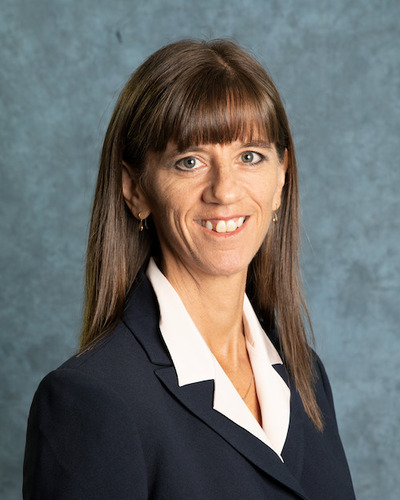
Maryam Bijanzadehمشاهده پروفایل
استاد مدعو
Maryam Bijanzadeh is an Adjunct Professor at the University of San Francisco and currently serves as an Assistant Professional Researcher at UCSF’s Neuroscape Center. Her interdisciplinary work bridges computational neuroscience and affective behavior, focusing on decoding emotional states from neurophysiological data through advanced signal processing and machine learning techniques. Education: PhD in Neuroscience, University of Utah, 2016 MSc in Automatic Systems and Control Engineering, University of Sheffield, 2010 BSc in Electrical Engineering, University of Tehran, 2008 Dr. Bijanzadeh’s research centers on affective neuroscience , neurophysiology , and multi-modal biosensing , with emphasis on intracranial EEG analysis to understand brain-body encoding of emotions. Her methodology integrates computational modeling with clinical applications for mental health diagnostics, particularly in depression screening and mood modulation. Her publication record reveals a trajectory from visual cortex processing (2018) toward naturalistic affective behavior decoding (2022), demonstrating consistent innovation in neurophysiological signal analysis. Key thematic evolution includes transitioning from basic sensory processing to clinical applications of brain stimulation for mood disorders, with increasing focus on wearable biomarker systems for objective mental health assessment. Scientific Awards: Weill-Catalyst Award (2025) for "Towards Objective Depression Screening: Developing a Multimodal Brain Body Wearable Biomarker System" Neuroscience Achievement fellowship, University of Utah (2013-2014) While formal advisee relationships aren’t documented in current materials, her extensive teaching portfolio across UCSF, University of Utah, and San Francisco institutions demonstrates strong mentorship capacity. Her Weill-Catalyst Award represents significant grant success in translating neuroscience research into clinical tools, with future funding likely targeting wearable biomarker validation studies. As a core member of UCSF’s Neuroscape Center, she collaborates within a multidisciplinary team of neuroscientists, engineers, and clinicians developing next-generation brain assessment technologies. Current projects focus on integrating iEEG with peripheral biosensors to create objective depression screening protocols, positioning her at the forefront of computational psychiatry innovation.