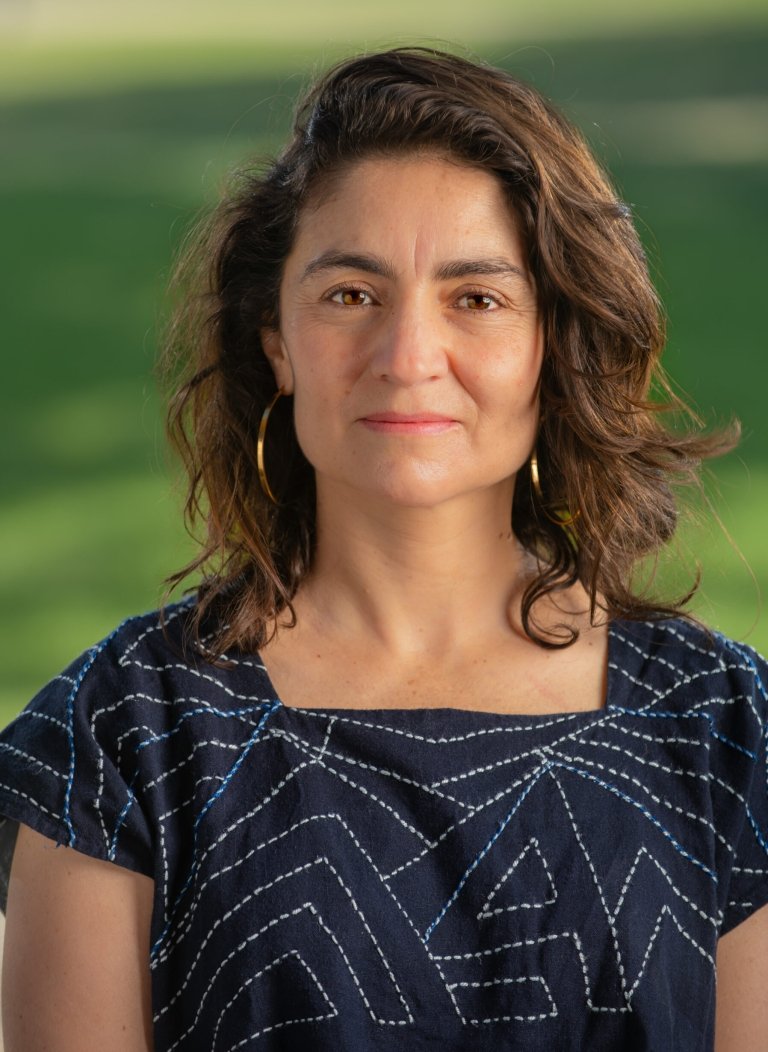
Dr. Juanita Aristizábal is a Professor of Modern Languages, Literatures and Cultures at Pitzer College, where she has served since 2014. She holds dual leadership roles as Associate Dean of Global/Local Initiatives and Programming Director of the Institute for Global/Local Action & Study (IGLAS). Education: BA from Universidad de Los Andes (Colombia), PhD from Yale University Her research focuses on environmental issues in Latin American cultural production, employing ecocritical theory and digital media analysis. She explores violence representation, historical memory, and peacebuilding narratives in contemporary Colombia, while advancing innovative approaches to language acquisition and virtual community learning. Key trends in her scholarly output include: Ecocritical perspectives on Latin American literature and media Analysis of digital platforms in post-conflict societies Exploration of non-anthropocentric narratives in Colombian works Transnational language pedagogy innovations Interdisciplinary studies connecting cultural production with environmental justice As IGLAS Programming Director, she facilitates global-local academic exchanges and community-based learning initiatives. Her conference presentations demonstrate ongoing engagement with Latin Americanist networks, including the Asociación de Colombianistas and Latin American Studies Association.
Robert Alexander O'Dowd is a Full Professor in the Department of Modern Philology at the Faculty of Philosophy and Letters, University of León, Spain. He specializes in English as a Foreign Language and Applied Linguistics, with a strong focus on Virtual Exchange (VE) and telecollaboration in higher education. University: University of León School: Faculty of Philosophy and Letters Department: Department of Modern Philology Area: English Philology Research Group: TRACE (Translation and Censorship) His research centers on the application of Virtual Exchange in international education, exploring how online intercultural collaboration enhances language learning, intercultural competence, and digital literacy. He has investigated equity and inclusion in VE, pedagogical mentoring, and the integration of VE into institutional and governmental policies. O'Dowd has contributed to major European initiatives such as the Erasmus+ VALIANT project and the EVALUATE policy experiment, and has published extensively on teacher training for English Medium Instruction (EMI) and Content and Language Integrated Learning (CLIL). The most recent articles highlight evolving trends in blended mobility, large-scale assessments of VE impact, and theoretical debates around terminology (telecollaboration vs. virtual exchange). His work increasingly examines policy-level implementation, teacher education, and equity issues, reflecting a shift from classroom practice to systemic integration across Europe. O'Dowd has no listed scientific awards in the provided text. He currently coordinates the Erasmus+ European Policy Experiment ‘Virtual Innovation and Support Networks for Teachers’ (VALIANT) and collaborates with international organizations to promote VE in higher education. He has advised on large-scale projects involving multiple institutions and countries, and has published a recent book titled Internationalising Higher Education and the Role of Virtual Exchange (2023, Routledge). His work bridges research, policy, and practice in international education. O'Dowd leads the TRACE research group and is actively involved in the UNICollaboration network, contributing to the development of virtual exchange as a recognized pedagogical approach in higher education.
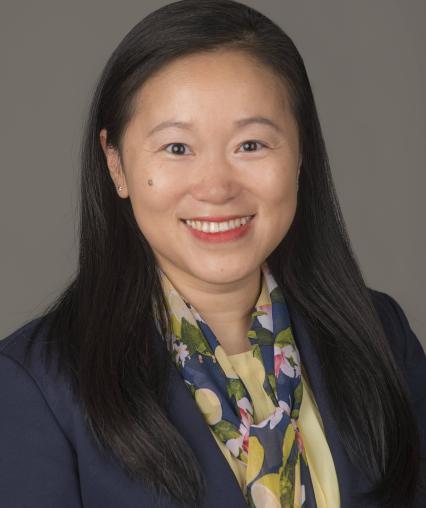
Kaishan Kong is an Associate Professor of Chinese in the Department of Languages at the University of Wisconsin-Eau Claire, College of Arts and Sciences. She serves as the TEFL Advisor and is actively engaged in teaching, research, and community outreach. Her work bridges language and culture, with a strong commitment to intercultural citizenship and social justice in language education. Ph.D. in Second Languages and Cultures Education, University of Minnesota, United States M.A. in Intercultural Communication, University of Sheffield, United Kingdom B.A. in English Education, Zhanjiang Normal University, China Her research focuses on second language acquisition, intercultural communication, study abroad experiences, and teacher education. She explores how language learning intersects with identity, cultural competence, and transformative experiences. Her teaching emphasizes experiential learning, virtual exchange, and the integration of culture in language classrooms. Her recent publications (2018–2023) reflect a strong trend toward intercultural citizenship, social justice, and innovative pedagogies such as virtual exchange and community-based learning. These works span journals and edited volumes in language education, highlighting her contributions to both theoretical and practical aspects of teaching languages. She has been recognized with prestigious awards including the Fulbright U.S. Scholar Award (2020–2021) and the Chancellor Brian Levin-Stankevich University Fellow (2024–2025). Chancellor Brian Levin-Stankevich University Fellow (2024–2025) Fulbright US Scholar (2020–2021) Dr. Kong mentors students and advises the TEFL program. She has led initiatives in study abroad, community engagement, and international collaborations. Her work includes virtual exchanges between the U.S. and Malaysia, outreach to local communities, and professional development for language educators. She has not mentioned specific grants, but her Fulbright and Chancellor’s Fellow awards suggest active grant-supported research and teaching. She is involved in research projects on mediated learning, identity in language learning, and the role of technology in fostering intercultural communication. Her lab or team efforts are reflected in collaborative publications and virtual exchange programs, often involving international partners and interdisciplinary approaches.
Lecturer Dr. Erdal ÖZCAN is affiliated with the Department of Turkish and Social Sciences Education at the Faculty of Education, Sakarya University. He teaches undergraduate courses in Turkish language education, children's literature, drama in education, and teaching practice. His academic email is eozcan@sakarya.edu.tr. His research focuses on Turkish language education, particularly teaching Turkish as a foreign or second language. Key areas include digital technologies in language teaching, textbook analysis, teacher training, and language acquisition. He has published in journals and conference proceedings on topics such as gamification (e.g., ClassDojo), readability of textbooks, and academic Turkish for international students. His recent publications show a strong trend in integrating technology into language pedagogy, with studies on digital reality tools, online learning challenges, and use of apps in motivating foreign learners. He also examines curriculum design across countries and the linguistic challenges faced by bilingual Turkish students. Editor of Türkçenin Eğitimi-Öğretimi Üzerine Çalışmalar (2012) Editor of Türkçenin Eğitimi Öğretimi Üzerine Araştırmalar (2012) Editorial board member, Uluslararası Çocuk Edebiyatı ve Eğitim Araştırmaları Dergisi (2022) Dr. ÖZCAN has supervised teaching practice courses and coordinated academic programs such as the Farabi Exchange Program. He has organized academic events like the 'Dünya Dili Türkçe' symposium (2023) and led the Sakarya University Turkish Education Student Club. He has also contributed to national projects on online Turkish teaching for educators abroad. He is actively involved in curriculum development and teacher education, with no indication of part-time or retired status.
Lauren Labrecque serves as Professor of Marketing and Director of Ph.D. Programs and Research at the University of Rhode Island, specializing in sensory marketing (particularly color psychology) and digital marketing domains including consumer privacy, social media engagement, and parasocial interactions. Her research appears in premier journals such as Journal of Marketing and Journal of Marketing Research, where she also serves as Associate Editor for Journal of Interactive Marketing. Her academic background includes: Ph.D. in Marketing, University of Massachusetts Amherst (2006-2010) MBA Coursework, University of Massachusetts Amherst (2005-2006) M.A. in Digital Media Studies, University of Denver (2001-2003) Post-Graduate Studies in Art History & French, American University of Paris (2000-2001) B.A. in Communications, Worcester State University (1997-1999) Labrecque's research program bridges sensory and digital frontiers, examining how color saturation influences product efficacy perceptions and how digital empowerment reshapes consumer-brand dynamics. Her work consistently explores the psychological mechanisms behind consumer responses to sensory cues and digital interfaces, with recent emphasis on AI privacy concerns and data breach consequences in both B2C and B2B contexts. This dual-focus approach reveals how fundamental sensory principles translate into complex digital environments. Analysis of her publication trajectory shows increasing concentration on digital privacy challenges since 2020, alongside sustained contributions to sensory marketing. The 2024-2025 output demonstrates methodological diversity spanning experimental design (color studies), field research (data breaches), and scale development (DCAS), with strong emphasis on practical managerial implications across all work. As Director of Ph.D. Programs and Research at URI, she oversees doctoral training while maintaining active research collaborations evident in her multi-author publications. Her prior role as Associate Professor at Loyola University Chicago contributed to foundational work in parasocial interactions and sensory marketing before her current leadership position.
Milen Ivanov Chipchanov serves as Assistant Professor at New Bulgarian University's Department of Foreign Languages and Cultures, where he has taught French language and translation since 1999 after previously working at the Institute for Foreign Students (1979-1999). His academic career spans over 45 years with expertise spanning French linguistics, translation studies, and educational technology integration. Bachelor's in French Philology, Sofia University 'St. Kliment Ohridski' (1979) Postgraduate Qualification in 'Computers in Language Teaching' (1987) Doctorate in 'Pedagogical Mediation through Personal Computers in Foreign Language Learning' (2013) Professor Chipchanov specializes in computer-assisted language learning, focusing on digital material development, multimedia integration, and translation technologies. His research bridges traditional linguistic pedagogy with modern technological solutions, particularly examining generational differences in digital learning adoption and strategies for authentic material implementation in language instruction. His methodology emphasizes practical application through audiovisual resources, computer systems, and interactive platforms. His publication portfolio demonstrates consistent evolution from foundational computer-assisted language learning concepts in the 1990s toward contemporary digital pedagogy frameworks, with recent work examining Z-generation learning behaviors and digital material development principles. The research trajectory reveals deepening specialization in digital language learning ecosystems while maintaining core focus on phonetics, translation, and multimedia integration. Professor Chipchanov has directed master's programs and participated in national educational projects including Ministry of Education initiatives for teacher qualification and student internships. His administrative experience includes coordinating language programs and developing digital learning frameworks through projects funded by the European Social Fund. His technical expertise encompasses HTML programming, multimedia content creation, and specialized translation software development. He has contributed to numerous educational projects including the creation of digital learning platforms, video-based instructional materials, and computer-assisted assessment systems for language learning.
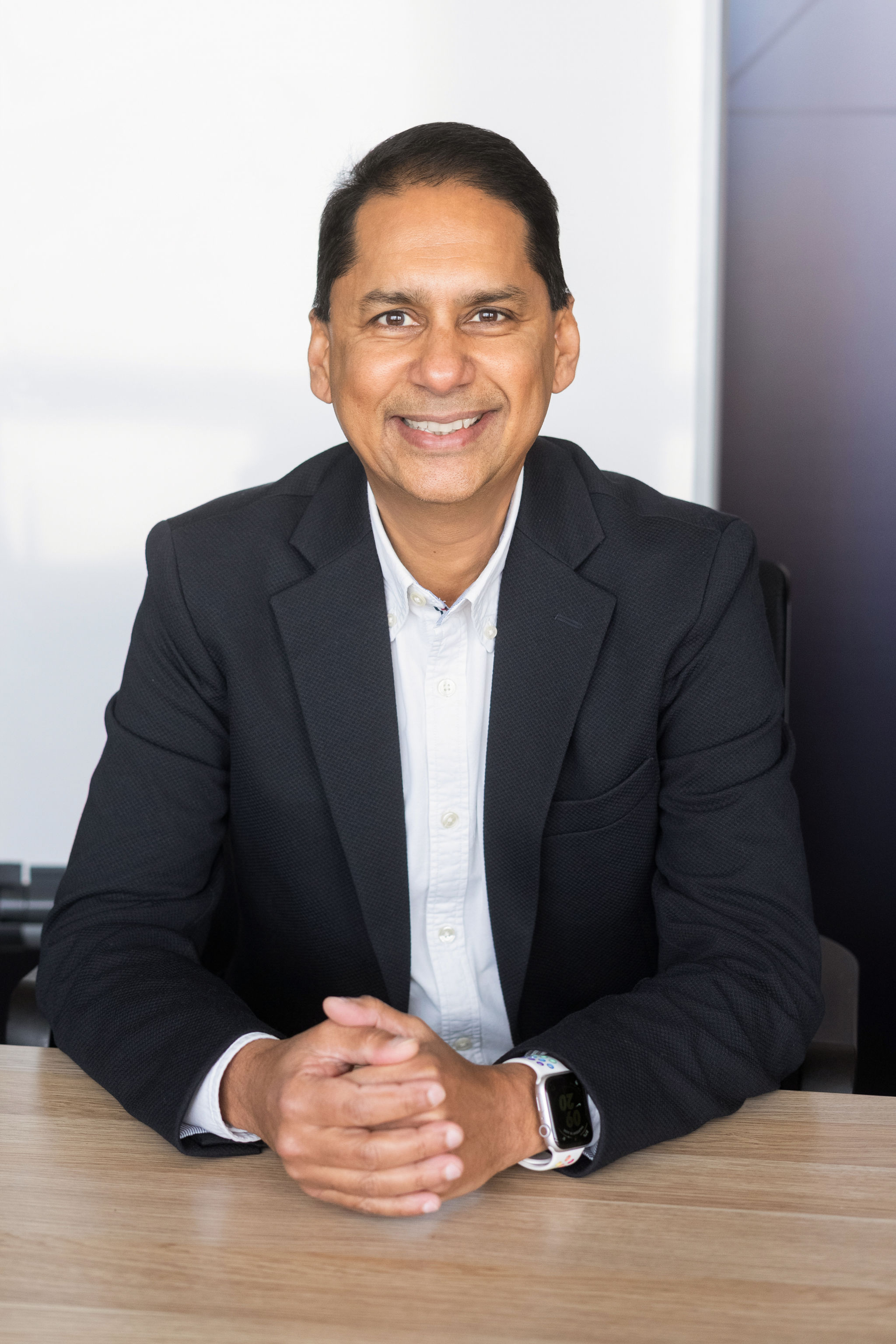
Dr. Pranit Anand is a research fellow at UNSW Sydney, focusing on educational technology, mobile learning, and cross-cultural educational theories. He has contributed to projects such as the Technology Enabled Mentoring framework, Indigenous Orientation Programs , and Contextualized Storytelling in Higher Education . His supervision areas include mobile learning, proximity-based business applications, intercultural theories, and 21st-century skills. His research spans digital education, student transitions, and international curriculum development. Key trends in his publications include AI integration in assessment, digital storytelling in STEM, and post-pandemic pedagogy. He teaches courses like INFS1701 (Networking and Security) and INFS5922 (Cybersecurity Management). Dr. Anand serves on the Executive Committee of HERDSA and advises Critical Front Ltd. His email is pranit.anand@unsw.edu.au . His work emphasizes equity, technology-driven education, and global citizenship.
Iris Ludewig-Rohwer serves as a Lecturer in German Studies within the Discipline of European Languages and Cultures at the School of Humanities, The University of Western Australia. With over two decades of teaching experience, she instructs German at all proficiency levels across various educational settings throughout Western Australia and serves as an accredited examiner overseeing Goethe-Institut language examinations in the region. Her educational background includes studies in Education, Sign Language, and Business at the University of Hamburg, followed by a PhD in German Studies and Language Learning at UWA. Her doctoral research focused on the use of online role-plays as a method for language acquisition. Ludewig-Rohwer's research centers on innovative language education methodologies, particularly the application of online role-plays in language acquisition, and the history of German-speaking migrants to Western Australia. She strongly advocates for foreign language learning as a foundation for multicultural exchange and mutual understanding, with passionate commitment to facilitating student learning and well-being. Analysis of her publications reveals a consistent focus on interactive language learning techniques, particularly examining how role-playing and performance methods enhance language acquisition. Her work bridges educational theory with practical classroom applications, emphasizing student engagement through creative, technology-enhanced methodologies. Award for Outstanding Contributions to Student Learning (2024) As an active community stakeholder, Ludewig-Rohwer maintains strong connections with German-speaking language and cultural clubs, businesses, and teacher associations throughout Western Australia. Her volunteer work includes multiple committee positions and a lengthy tenure as chair of the Goethe Society WA, demonstrating her commitment to fostering cultural exchange beyond the classroom. She operates at the intersection of academic instruction and community engagement, applying her research on language acquisition methods directly to both university teaching and broader community language initiatives across Western Australia.
Claudia Quevedo-Webb is an Assistant Professor of Instruction in Spanish at Northwestern University. She holds a BA and MA in Spanish Language and Literatures from Complutense University of Madrid, and a Ph.D. in Spanish Linguistics. Her career began at Harvard University (2017) as a language instructor and teaching assistant before transitioning to the University of Chicago where she became an Assistant Instructional Professor in Spanish (2020). Current Role: Co-director of DEI-SLT, an open educational resource focused on bridging language teaching and social justice Principal Investigator: Study on VR's role in fostering critical cultural engagement in Spanish classrooms Collaborations: Virtual Reality Exchange Project with the Down Syndrome Foundation of Cantabria Her research emphasizes new technologies like VR in language education and DEI initiatives. In 2024, she organized VR exchanges between Northwestern students and the Down Syndrome Foundation through partnerships with MADS lab and IT Media teams.
Dr. Beate Mueller is a Senior Lecturer at the TD School, University of Technology Sydney (UTS). Her expertise spans higher education teaching and learning, with a focus on global work-integrated learning (WIL), career development, intercultural communication, and diversity and inclusion. She holds a PhD from Macquarie University (Sydney) and prior degrees from Friedrich-Schiller University in Germany. Currently, she convenes the Innovation Internship A+B program and teaches subjects including Work-Integrated Learning, Intercultural Communication, and Graduate Capabilities. Dr. Mueller’s service roles include Associate Editor for the Journal of University Teaching and Learning Practice and Board Membership in the Australian Collaborative Education Network (ACEN). Research Interests: Dr. Mueller’s work centers on pedagogical strategies for inclusive education, compassionate teaching practices, online WIL adaptation during the pandemic, and student perceptions of international studies. Her research bridges theory and practice, emphasizing authentic learning experiences and social justice in higher education. Teaching & Supervision: She leads courses in WIL, career development, and intercultural communication. Her supervision focuses on graduate capstone projects and international internship frameworks. Languages: Fluent in German, Spanish, French, and English. Proficient in academic peer review and intercultural business communication.
Leticia Villamediana Gonzalez is an Associate Professor in Hispanic Studies at the University of Warwick's School of Modern Languages and Cultures (SMLC), where she serves as Head of Hispanic Studies. She joined Warwick in 2014 after completing her doctoral studies at Queen's University, Belfast, where she also taught previously. As a Senior Fellow of the Higher Education Academy (SFHEA) and WIHEA Alumni Fellow, she is actively engaged in pedagogical research, particularly in the Learning Circles focusing on Pedagogic Research in Higher Education and Internationalisation. PhD in Hispanic Studies, Queen's University, Belfast, 2013 MA in Hispanic Studies, Queen's University, Belfast, 2009 MA in Interculturalidad en textos y contextos de ámbito occidental, University of Valladolid, 2008 BA (Hons) in English Philology, University of Valladolid, 2006 Instituto Cervantes DELE Examiner, 2014 Her research focuses on 18th and 19th-Century Spanish literature and culture from the perspective of Anglo-Spanish relations, with particular interest in textual and material exchanges between both countries and the periodical press of the period. She is also deeply engaged in innovative approaches to teaching the pre-modern Hispanic world, organizing the interdisciplinary workshop 'Approaches to Teaching the #EarlyModernHispanicWorld to 21st-Century Students' in 2023. Her scholarship demonstrates a strong commitment to decolonizing the Spanish language curriculum and embedding intercultural perspectives in language teaching. Analysis of her recent publications reveals a consistent focus on Anglo-Spanish literary relations during the Enlightenment and Romantic periods, with particular attention to periodical press, textual exchanges, and cultural representations. Her work bridges historical scholarship with contemporary pedagogical concerns, reflecting her dual commitment to research excellence and innovative teaching practices. The interdisciplinary nature of her work spans literary studies, cultural history, gender studies, and language pedagogy. Warwick Award for Teaching Excellence (2021) 2017 BSECS Teaching Prize for 'Images and Representations of 18th-Century Spain' Senior Fellow of the Higher Education Academy (SFHEA) WIHEA Alumni Fellow Professor Villamediana Gonzalez leads multiple pedagogical projects, including virtual intercultural exchange programs with Universidad Pontificia Javeriana (Bogotá) and Universidad de Valladolid, and co-created the 'Decolonising Babel' project focused on multilingual and inclusive language pedagogies. She is an active member of the ELE-UK SIG 'Decolonising the Teaching of Spanish Language in HE the UK' and collaborates on the Exploratory Pedagogic Inquiry (EPI) project with colleagues across Warwick faculties. Her grant-funded work demonstrates a commitment to internationalizing teaching and learning through innovative partnerships. As Head of Hispanic Studies at Warwick, she plays a central role in shaping the department's academic direction and curriculum development, with particular emphasis on decolonizing approaches and international perspectives. Her leadership extends to organizing interdisciplinary workshops and contributing to institutional initiatives on teaching excellence and curriculum innovation.
Sami Safadi is an Associate Professor at the University of Minnesota School of Medicine with dual appointments in the Department of Medicine and Division of Nephrology and Hypertension. His clinical and academic work bridges nephrology and critical care medicine through innovative research and education initiatives. His primary research domains include: Mechanical ventilation education and assessment methodologies Acute kidney injury biomarkers and prevention strategies Ultrasound applications in critical care hemodynamics Precision medicine frameworks for nephrology Artificial intelligence integration in ventilator management Medical education technology and simulation-based training Analysis of his 2020-2025 publications reveals a dominant focus on optimizing critical care education through comparative studies of teaching modalities (web-based vs. traditional simulators), knowledge retention research, and AI-driven ventilator monitoring. Concurrently, his nephrology work emphasizes early AKI detection systems and precision medicine approaches using multidimensional data integration. No information was provided regarding scientific awards, student advising relationships, research grants, or laboratory affiliations.
Kristina Krohn, MD, is an Associate Professor in the Department of Medicine at the University of Minnesota School of Medicine, affiliated with the Division of Hospital Medicine. Her academic work focuses on medical education, gender equity in healthcare, combating medical misinformation, and global health initiatives. Her research explores critical areas such as Addressing gender disparities in academic medicine through micro-recognitions Improving faculty wellbeing through departmental and disability-inclusive policy reforms Enhancing medical student training in misinformation detection using "lateral reading" techniques Advancing global health equity through resource-limited pediatric care strategies Revising race-based clinical algorithms in nephrology Developing physician communication skills via media fellowships Analysis of her 15 most recent publications reveals a strong emphasis on health equity (gender, linguistic, racial), medical education innovation , and systemic improvements in healthcare delivery . While her earlier work in organometallic chemistry demonstrates a multidisciplinary background, recent studies highlight her transition to medicine-focused research and education. She contributes to academic discourse through publications on medical curriculum development and participates in programs addressing health disparities.
Nevine Abraham is an Associate Teaching Professor and Coordinator of Arabic Studies in the Department of Languages, Cultures & Applied Linguistics at Carnegie Mellon University's Dietrich College of Humanities and Social Sciences. She has been at CMU since 2012, initially as a French instructor before transitioning to her current role as a faculty member specializing in Arabic language and cultural studies. As Coordinator of the Arabic Studies program (2024-2027), she has developed comprehensive curricula including the first-semester online Arabic program that integrates Modern Standard Arabic with Egyptian and Levantine dialects. Abraham earned her PhD in Twentieth Century French Literature and Culture from The Ohio State University, an MA in French Literature from Kent State University, and her BA from Ain Shams University in Egypt. She is also a certified OPI Tester for Arabic. Her scholarly work is positioned at the intersection of literary-cultural studies, indigeneity, and issues of social justice and minoritization in the Arabic-speaking world. Abraham examines minorities in the intellectual, social, and political history of the Middle East and North Africa, with particular focus on Coptic studies and how institutions of power have marginalized groups. Her research illuminates how diasporic communities craft counter-narratives that subvert hegemonic systems while expanding understanding of minority groups in relation to the majority and the state. She has developed innovative approaches to teaching that integrate research into classroom practice, emphasizing cross-cultural literacy and critical examination of dominant narratives about the Arab world. Analysis of Abraham's publications reveals consistent thematic threads across her scholarly output: examination of Coptic identity within Egyptian national frameworks, exploration of diasporic memory and resistance, and culinary studies as sites of national reimagination. Her work consistently challenges reductionist cultural paradigms and examines how marginalized communities navigate complex power structures through literature, film, and food cultures. The interdisciplinary nature of her scholarship bridges literary analysis, cultural studies, and political theory to provide nuanced understandings of minority experiences in the Arab world. The Simon Initiative Seeds Grant (2023) The Maurice and Laura Falk Foundation Grant (2023) Harnessing Innovation through Virtual Exchange for Enhanced Results (HIVE/HIVER) (2018-2024) College of Arts and Sciences Online Course Initiative (2007) Ohio5 Technology Foreign Language (2001-2002) Abraham actively integrates her research into teaching practice, developing innovative courses that challenge students' preconceived notions about the Arab world. She has established interdisciplinary collaborations across CMU, notably co-teaching the Dietrich College Grand Challenge First-Year Seminar on Palestinian and Israeli Food Cultures with Michal Friedman from the Department of History. Her service extends to coordinating the Arabic Studies program, serving on the Artists and Scholars at Risk (ASAR) Program Committee, and co-moderating the Deeper Conversations series on topics like 'The Possibility of Peace' regarding the Israel-Hamas conflict. She also mentors graduate students teaching Arabic and serves as a mentor in the AAC Faculty-Student program. Abraham has cultivated extensive campus engagement through cultural programming, organizing events that bridge Arab and Jewish cultures including cooking workshops, film festivals, and conversations on food and national identity. Her 'Discover the Unexpected: Arabic-Hebrew CommUNITY' series and related programming demonstrate her commitment to building intercultural understanding through shared cultural experiences, particularly focusing on culinary traditions as sites of connection and dialogue.
Jayoung Choi is a Professor in the Department of Inclusive Education at Kennesaw State University , Georgia, USA. Her research focuses on unpacking how language, culture, identity, agency, power, and ideology affect learning and teaching for immigrant multilingual learners in diverse educational contexts. Ph.D. in Teaching and Learning - Language and Literacy Education from Georgia State University’s College of Education M.A. in Applied Linguistics and ESL from Georgia State University’s College of Arts and Sciences Research Interests : Second Language Education Bi/tri-lingual education and tri-literacy development Multilingual/Multimodal Adolescent Literacy Practices and Identity ESL/Language Teacher Education Multicultural Education Recent Publications analyze trilingual education, teacher identity, translanguaging, and heritage language practices. Her work has appeared in journals such as International Journal of Bilingual Education and Bilingualism , Journal of Early Childhood Literacy , and TESOL Quarterly . Scientific Awards : BCOE Outstanding Partnerships & Community Engagement Award (2024-2025) BCOE Outstanding Student Success Award (2024-2025) BCOE Outstanding Innovation Award (2023-2024) BCOE Outstanding Senior Research Award (2022-2023) Madhuri and Jagdish N. Sheth Faculty Award for Distinguished International Achievement (2021) BCOE Outstanding International Engagement Award (2021-2022) Grants include over $2.5 million in National Professional Development Program Grants for expanding multilingual teacher pathways, along with multiple internal BCOE grants for projects on dual language education, student success, and global collaborations.