Dominik Schörkhuber is a PreDoc Researcher at the Vienna University of Technology (TU Wien) in the Computer Vision department. With a background in Informatics (BSc, Dipl.-Ing.), he focuses on computer vision applications for autonomous driving, robotics, and human-machine interaction. His work spans driver action recognition, pedestrian prediction, and adaptive lighting systems. Current projects: Empathic Vehicle (2024–2026), SyntheticCabin (2021–2025), SmartProtect (2020–2025) Research themes: Video transformers, synthetic data transfer learning, multi-task learning, and sensor-lighting integration Specializes in 3D sensing, nighttime driving analysis, and mobile video creation tools
Professor Thierry Langer is a Full Professor of Pharmaceutical Chemistry at the University of Vienna’s Faculty of Life Sciences (Department of Pharmaceutical Sciences). He leads research in computational drug design, with a focus on pharmacophore modeling, 3D-QSAR analysis, and AI-driven molecular design. His work bridges theoretical and experimental chemistry, addressing targets like viral proteases (e.g., SARS-CoV-2), GABA receptors, and dopamine transporters. Research interests include: Pharmacophore-guided drug discovery for anti-viral and CNS therapies Development of next-generation computational tools (e.g., PharmacoMatch, QPhAR) Protein-ligand interaction modeling using neural networks and graph-based algorithms Recent studies focus on: Inhibitors for herpesvirus nuclear egress complexes, AI-optimized antivirals, and dopamine transporter inhibitors for cognitive enhancement. His lab collaborates on projects like the NeuroDeRisk initiative to de-risk neurotoxic compounds. Publications emphasize drug repurposing, metabolic pathway analysis, and scalable synthesis methods for promising drug candidates.
Professor Matthew Jonathan Rosseinsky holds the Chair of Inorganic Chemistry at the University of Liverpool, a position he has occupied since October 1999. His career includes significant appointments at the University of Oxford (1992-1999) and Bell Laboratories in New Jersey (1990-1992), following his DPhil at Merton College, Oxford. As a Fellow of the Royal Society and recipient of numerous prestigious awards, Professor Rosseinsky maintains an active research program and leadership roles in the international chemistry community. Professor Rosseinsky's educational background includes a First Class Honours degree in Chemistry with Quantum Chemistry from the University of Oxford (1987) and a DPhil in "Physical Properties of Superconducting Oxides and Radical Cation Salts" completed in 1990 under Professor P. Day FRS. His research focuses on the synthesis of new materials with applications in energy storage and generation, communications, separation, and catalysis. The Rosseinsky Group employs a broad range of synthesis and characterization techniques, including neutron and synchrotron X-ray diffraction, combined with computational methods in collaboration with Dr. George Darling. Current research areas include Dynapore, CO2 fuels, SOLBAT, and CATMAT projects that target specific material challenges. Professor Rosseinsky's publication record is exceptional, with 304 papers including 11 in Nature, 6 in Science, and 3 in Nature Materials, accumulating over 15,000 citations and an h-index of 56 as of 2012. His work demonstrates consistent excellence across materials chemistry, with particular emphasis on porous frameworks, electronic materials, and solid-state chemistry. Among his numerous accolades are the Harrison Memorial Prize (1991), Corday-Morgan Medal (2000), Royal Society Wolfson Research Merit Award (2002), De Gennes Prize (2009), and the prestigious Hughes Medal from the Royal Society (2011). He also holds an ERC Advanced Investigator Grant and has delivered distinguished lectures worldwide. Professor Rosseinsky has served in numerous editorial and advisory capacities, including as Associate Editor for Chemical Sciences, membership on the Royal Society Conference and Travel Grant Committee since 2007, and as a member of the International Advisory Board for the Max Planck Institut for Solid State Research since 2011. His professional activities extend to international review committees for research institutions in France, South Korea, and Saudi Arabia. The Rosseinsky Group operates within the Department of Chemistry at the University of Liverpool, collaborating extensively with researchers including Dr. John Claridge, Professor Andrew Cooper, and Professor Paul Chalker. The group maintains strong international partnerships and utilizes advanced facilities for materials synthesis and characterization to drive innovation in functional materials development.
Bettina Kubicek is Professor of Work and Organizational Psychology at the University of Graz, Faculty of Natural Sciences, where she leads research in the Smart Regulation profile area and contributes to the Human Factor in Digital Transformation and Brain and Behavior research networks. Her work bridges psychological theory with practical organizational challenges in contemporary workplaces. Her research spans work psychology, organizational psychology, and economic psychology with emphases on flexible work arrangements, work intensification, and human-robot collaboration. She investigates cognitive demands of flexible work, work-home interface dynamics, and digital transformation impacts through diary studies and experimental designs. Recent work explores telework challenges, AI in HR, and trust mechanisms in human-robot teams during disaster response. Analysis of her recent publications reveals growing focus on human-robot interaction in Industry 4.0, cognitive aspects of telework, and cross-cultural validation of work addiction scales. Her methodology combines intensive longitudinal designs with physiological measures, increasingly incorporating VR interfaces and AI-driven personnel selection experiments. Scientific awards include: Wirtschaftskammerpreis for project 'Flexible Arbeitsbedingungen und die Vereinbarkeit von Beruf und Familie' (2015) Innovationspreis der Universität Wien (2012) Multiple research stipends for University of Wisconsin-Madison stays (2005-2008) She has secured significant competitive grants including FWF-funded 'Cognitive demands of flexible work: Risks and challenges' (2017-2022) and FFG-supported 'Enabling and Assessing Trust when Cooperating with Robots in Disaster Response' (2021-2023), examining trust calibration and cognitive load in human-robot teams. Current projects address evidence-based guidelines for ICT use in work-life boundaries. As core member of the Human Factor in Digital Transformation network, she collaborates with engineers, computer scientists, and healthcare professionals to develop human-centered technological solutions, particularly in healthcare robotics and disaster response systems.
Stephan Schlögl is a Full Professor at MCI - The Entrepreneurial School in Austria, leading research and teaching in Human-Computer Interaction (HCI), Artificial Intelligence (AI), and Information Systems. He holds editorial roles at journals like the Springer Discover Artificial Intelligence Journal and MDPI Multimodal Technologies and Interaction Journal. His work spans over two decades, with key roles including Postdoctoral Research Fellow at Télécom ParisTech (2012–2013) and PhD Researcher at Trinity College Dublin (2008–2012). Schlögl’s research focuses on HCI, AI-driven conversational systems, and assistive technologies for aging populations. Education includes a PhD in Computer Science from Trinity College Dublin, an MSc in Human-Computer Interaction from University College London, and a Mag.(FH) in Applied Informatics & Management from MCI. His teaching spans Software Engineering, Business Intelligence, and Research Methods. Research interests emphasize natural language interfaces, AI ethics, and technology’s societal impact. Notable projects include the EU-funded EMPATHIC initiative (2017–2021), developing an empathic virtual coach for elderly care, and the CRYSTAL project (2024–present) on conversational systems for emotional support. Schlögl has supervised numerous theses on AI applications, chatbots, and UX design. He co-organized major conferences like CUI (Conversational User Interfaces) and received awards for best papers in AI-HCI and CHIRA. His work bridges academia and industry, addressing challenges in AI adoption, digital well-being, and ethical technology design.
Dr. Annika Ahrens-Schwabe is a researcher affiliated with the Faculty of Philology and Cultural Studies (Institute of German Studies) and the Faculty of Psychology (Institute for Psychology of Cognition, Emotion and Methods) at an unspecified university. Her work bridges literary theory, media studies, and cognitive psychology. Education: BSc, BA, M.Sc. Research Interests: Annika investigates how digital media (audiobooks, screen-based reading) impacts reading experiences, cognitive engagement, and educational equity. Key themes include: Digital transformation of literary reception Equal opportunity in higher education Virtual reality and social attitudes Lockdown effects on reading habits Media modality and motivation Phonograph technology's historical influence Publications Trends: Recent work (2022-2025) focuses on empirical frameworks for audiobook reception, digital divide implications, and pandemic-related shifts in reading behavior. Earlier studies (2017-2022) explored meta-analytical approaches and cognitive modeling of digital text engagement. Collaborations: She co-organized the DFG-Netzwerk Leseforschung workshop and participated in interdisciplinary projects with Günther Stocker, Hajo Boomgaarden, and Lukas Kosch. Her research has been referenced in policy debates and shared across social media platforms. Grants: Currently leads the 2023-2025 project "Literature to Listen to: Literary Experience with Audiobooks" with research funding support.
Univ.-Prof. Günther Stocker (b. 1966) is a Full Professor at the Institute of German Studies , University of Vienna, specializing in Modern German Literature and Cold War Cultural Studies . His research bridges postwar Austrian literature (1945–present), 19th–21st century Austrian cultural history , and digital reading practices . Current Research: Listening to Literature (audiobook studies), Books on Screen (digital literacy), and Internationalization of Vienna's Literary Networks (1960–1990) Key Projects: Virtual Library Internationale Zone , Die Welten des Peter Henisch (2025), and Academic Reading in Digital Age (2022) His Google Scholar profile reveals 15+ recent publications analyzing: Social media reading (2025) and digital vs print cognitive impacts (2024) Cold War literary transfer (2025) and postwar Austrian identity (2020) Screen-based reading challenges (2023) and audiobook engagement (2024) Scientific Recognition: 1997 Salzburg Kulturfonds Prize for literary research 2001–2004 APART Stipendium (Austrian Academy of Sciences) Contributor to Österreichische Akademie der Wissenschaften projects Teaching Leadership: 2022– Vice-Head of German Philology Study Programme , University of Vienna 2025W: Courses on Antikriegsliteratur and Contemporary Austrian Fiction 2025S: Austrian Cultural History and Digital Reading Culture
Christopher Höhn is a PhD student and University Assistant at the Department of Psychology, Paris-Lodron-University of Salzburg, Austria. He is associated with the FWF-funded Doctoral College 'Imaging the Mind' and collaborates with the Centre for Cognitive Neuroscience and the SCI-TReCS at Christian-Doppler-Clinic. His research focuses on sleep, memory consolidation, and the impact of smartphone use on circadian rhythms. Education: Master's in Psychology (graduation with distinction), Bachelor's in Psychology (graduation with distinction) His scientific work explores the interplay between sleep physiology and cognitive performance , particularly examining effects of short-wavelength light exposure from digital devices and electrophysiological markers like spectral slope complexity. Recent studies analyze smartphone usage patterns and their influence on adolescent sleep and declarative memory . Key awards include merit scholarships for academic excellence and the Young Investigators Award of the Österreichische Alzheimer Gesellschaft. He has presented 15+ times at international conferences including World Sleep Society Congress and ESRS. His technical expertise spans EEG data processing (Brainvision Analyzer), statistical analysis (R, SPSS), and computational neuroscience tools.
FH-Prof. Dr. Markus Wagner is a full-time Professor at St. Pölten University of Applied Sciences, specializing in Industry 4.0, Data Visualization, and Cybersecurity. He holds a Dr. techn. from TU Wien (2017), an MSc in Game Engineering and Simulation from Technikum Wien (2013), and a BSc in Industrial Simulations from FH St. Pölten (2011). He leads the Josef Ressel Center for Knowledge-Assisted Visual Analytics for Industrial Manufacturing Data and serves as the Continuing Education Coordinator for Media and Digital Technologies. His roles include course leadership in programs like Agricultural Management and Technology, Data Intelligence, and UX Development. Research focuses on Visual Analytics , Cybersecurity , and Human-Computer Interaction , with notable contributions to knowledge-assisted systems for malware analysis, industrial data visualization, and second-screen applications. Projects include the Industrial Data Lab , SENSITRACK , and KAVA-Time . He is a member of the University’s board (2023–2026) and contributes to military ICT expertise at the BMLV. Key projects include developing tools for air traffic control visualization, privacy-aware IoT systems, and virtual reality driving simulations. His work bridges academic research with industrial applications, emphasizing user-centered design and cross-platform solutions.
Mario Parra Rodriguez is a Professor in the Department of Psychology at the University of Strathclyde, United Kingdom. He is actively engaged in research, supervision, and international academic collaboration, with a focus on cognitive neuroscience and dementia. He is accepting PhD students and has a strong presence in global brain health initiatives. University: University of Strathclyde School: Faculty of Humanities and Social Sciences Department: Department of Psychology Academic Rank: Professor His research centers on Alzheimer's disease, memory assessment, EEG biomarkers, and the application of virtual reality and remote technologies in cognitive evaluation. He investigates the continuum from normal aging to dementia, aiming to develop affordable, scalable, and multimodal neurocognitive tools for early detection. The recent articles reflect a strong trend toward digital and technology-driven approaches in dementia research. Themes include EEG-based biomarkers, virtual reality assessments, remote cognitive testing, and international cohort studies. His work bridges clinical neuropsychology with cutting-edge technology, emphasizing real-world applicability and global health equity. Scientific awards include recognition from the Latin American and Caribbean Consortium on Dementia (LAC-CD), Global Brain Health Institute (GBHI), and multiple honors for innovation in cognitive assessment and neurocognitive biomarkers. These reflect his international impact and leadership in the field. Mario Parra Rodriguez has supervised PhD students and research projects, with 39 funded projects and extensive academic activities including invited talks, conference organization, and editorial roles. His work is supported by international collaborations and grants focused on brain health, aging, and dementia prevention. He is involved in key networks such as the LAC-CD and GBHI, and collaborates with institutions in Colombia, Ireland, and beyond. His lab and team focus on developing and validating novel cognitive paradigms and digital tools for neurodegenerative disease detection and intervention.
Verena Bader is an Associate Professor at the Interdisciplinary Institute for Behavioral Science-Oriented Management, Vienna University of Economics and Business (WU). She holds a doctorate from Bundeswehr University Munich and has been a visiting scholar at Cornell University (ILR School) and Vrije Universiteit Amsterdam. Her research focuses on three interconnected areas: HR analytics and algorithmic decision-making, codetermination/employee participation, and HR innovations in organizational design. Her work examines how digitalization transforms workplaces, addressing tensions between autonomy and control, human judgment and algorithmic governance. Recent publications explore accountability in HR analytics, trust dynamics in hybrid work environments, and the evolution of HR professions through data analytics. She co-leads the research projects HRAIC: HR Analytics in Context (since 2022) and Workplace Analytics: Optimization through Algorithmic Control . Awards recognizing her contributions: Best Paper Award (2023) Strategy Practice Best Impact Paper Award (SMS 2021) Research Prize of Bundeswehr University Friends (2020) At WU, she co-teaches Behavioral Science-Oriented Management and participates in master's thesis committees. Her interdisciplinary team collaborates on projects examining algorithmic HRM, future work scenarios, and stakeholder engagement in digital transitions.
Ya Chen is affiliated with the Department of Pharmaceutical Sciences at the Faculty of Life Sciences. Their research focuses on computational approaches in drug discovery, including virtual screening, metabolic pathway analysis, and machine learning applications. Key areas include natural product-based drug design, receptor modulation, and enzyme inhibition mechanisms. Notable contributions involve developing predictive models for drug metabolism and exploring chemical spaces for therapeutic targets like the glucocorticoid receptor. Ya Chen has presented work at international conferences and contributed to interdisciplinary projects combining cheminformatics and biological systems. Research interests emphasize the intersection of artificial intelligence with pharmaceutical sciences, particularly in optimizing drug design workflows and understanding metabolic processes. Their work spans enzyme inhibition studies (e.g., CYP19A1, InsP3Kinase), nuclear receptor ligand discovery (RORγ, LXR), and the development of open-source tools for cheminformatics (e.g., Scikit-Mol). Collaborative efforts involve international teams and focus on advancing methodologies for natural product screening, site-of-metabolism prediction, and chemical library design. Ya Chen’s activities highlight a commitment to bridging computational techniques with experimental pharmacology to address challenges in drug development and toxicology.
Gabriele Karner serves as Professor, Academic Director of Dietetics (BA), and Course Director of Applied Nutritional Therapy at the Department of Health Sciences within the Institute of Health Sciences at St. Pölten University of Applied Sciences. With extensive experience in both academic and clinical settings, she combines theoretical knowledge with practical application in dietetics and nutritional medicine. Her professional journey includes roles as Deputy Head of Study Program in Dietetics, Lecturer at the Austrian Academic Institute for Nutritional Medicine Vienna, and clinical positions at various healthcare institutions including St. Pölten State Hospital. Dr. Karner's research interests focus on clinical nutrition, dietetics, and nutritional therapy with particular emphasis on specialized dietary approaches including vegan and vegetarian nutrition, bariatric nutrition, and climate-friendly eating patterns. Her work bridges the gap between scientific research and practical application, developing assessment tools like the Bariatric Nutritional Assessment (BNA) and exploring innovative educational methods such as game-based learning for nutrition education. She has made significant contributions to understanding nutrient requirements across different populations, from children to elderly patients, and has developed practical resources for everyday healthy eating that also consider environmental sustainability. Her recent publications demonstrate a clear trend toward integrating environmental considerations with nutritional science, exemplified by her 2024 work on climate-friendly recipes and the 2023 BMSGPK recommendations for a healthy and climate-friendly plate for Austria. She has also maintained consistent research on specialized dietary needs, including vegan nutrition for children, bariatric nutritional assessment, and eating disorder screening in obese adults. Her methodological contributions to nutrition research and education, particularly through game-based learning approaches, show her commitment to innovative knowledge transfer. As Academic Director of Dietetics, Professor Karner oversees the development and implementation of curriculum for dietetics education, ensuring alignment with current scientific evidence and professional practice standards. She has contributed to numerous educational resources and tools for both students and practitioners in the field of dietetics. Her leadership extends to developing assessment frameworks like the Bariatric Nutritional Assessment and screening tools for eating disorders in obese adults, demonstrating her commitment to evidence-based practice in clinical nutrition. Professor Karner's work spans multiple settings including academic instruction, clinical practice, research, and public health initiatives. She has collaborated extensively with government agencies like the Federal Ministry of Social Affairs, Health, Care and Consumer Protection (BMSGPK) and has contributed to national dietary guidelines. Her research often involves interdisciplinary teams, reflecting the complex nature of nutrition science that intersects with medicine, psychology, environmental science, and public policy.
Elke Humer is an Associate Professor at the Department for Psychosomatic Medicine and Psychotherapy, University for Continuing Education Krems. Her research focuses on psychotherapy efficacy, mental health in high-stress professions (veterinarians, farmers), and the impact of digital technology on mental health. She leads multiple projects including 'Mental Health in the Agricultural Profession' and 'Symptom Burden and Help-Seeking Behavior in the Austrian General Population.' Current Projects: Investigating therapeutic relationships, mental health in veterinary medicine, and smartphone usage effects. Publications: Over 20 peer-reviewed articles in journals like Frontiers in Psychiatry and BMC Medicine , focusing on outcome measures, crisis mental health trends, and digital interventions. Her work emphasizes practical applications of psychotherapeutic methods in crisis contexts and integrates innovative approaches like virtual reality and nature-based therapies. She has contributed to policy-relevant studies on smartphone addiction and mental health interventions.
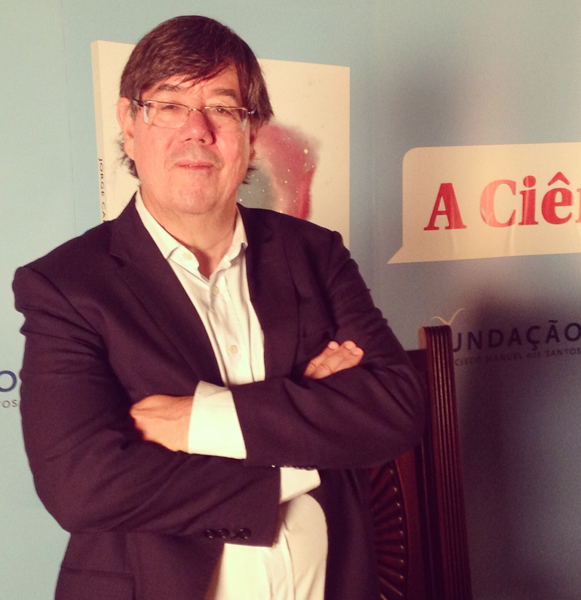
Carlos Fiolhais is a distinguished Full Professor of Physics at the Department of Physics, University of Coimbra, where he has served since achieving this rank in 2000 after progressing through Associate and Assistant Professor positions at the same institution. Born in Lisbon in 1956, he graduated in Physics from the University of Coimbra in 1978 and earned his PhD in Theoretical Physics from Goethe University in Frankfurt/Main, Germany in 1982. His academic career includes sabbatical leaves at Tulane University in New Orleans (1991 and 1997) and professorships in the United States and Brazil. Fiolhais's research interests span three primary areas: Computational Condensed Matter Physics, History of Science, and Physics Education. As founder and director of the Center for Computational Physics at the University of Coimbra, he championed the installation of Portugal's largest computer for scientific computing. His work extends to science communication and public engagement through his direction of the 'Rómulo - Ciência Viva Center of the University of Coimbra' and regular contributions to the national newspaper 'Público.' Analysis of his publication record reveals a diverse scholarly output with significant contributions across multiple domains. His work demonstrates a consistent pattern of bridging theoretical physics with historical context and educational applications. The articles reflect strong interdisciplinary connections between computational methods, historical analysis, and pedagogical innovation, with increasing emphasis on digital approaches to physics education in recent years. Major Awards and Honors: Latin Union Prize for scientific translation (1994) União Latina - JNICT Prize for scientific translation (2005) Gold Globe of Merit and Excellence in Science (SIC TV channel) (2005) Order of Henry the Navigator (2005) Rómulo de Carvalho Prize (University of Évora) (2006) Innovation Prize by Third Millennium Forum (2006) BBVA Prize for the best article in teaching Physics in the Ibero-American space (2012) Innovation Prize Manuel Pinto de Azevedo Júnior (2012) Throughout his career, Fiolhais has demonstrated exceptional leadership in academic administration, having served as Director of the Computer Center of the University of Coimbra, Chairman of the Interdisciplinary Research Institute, Director of the General Library, and member of the Scientific Board of the Foundation for Science and Technology. His supervisory work includes mentoring numerous M.Sc. and Ph.D. students, though specific names aren't documented in the available sources. He has also coordinated multiple research projects and contributed significantly to science policy through his involvement with the Francisco Manuel dos Santos Foundation, where he created the GPS - Global Portuguese Scientists network. Fiolhais has established several notable institutional structures including the Center for Computational Physics, the Rómulo - Ciência Viva Center, and the Integrated Library Service of the University of Coimbra (SIBUC), along with digital repositories 'Estudo Geral' and 'Almamater.' His entrepreneurial spirit is evident in co-founding Coimbra Genomics and maintaining the blog 'De Rerum Natura.'