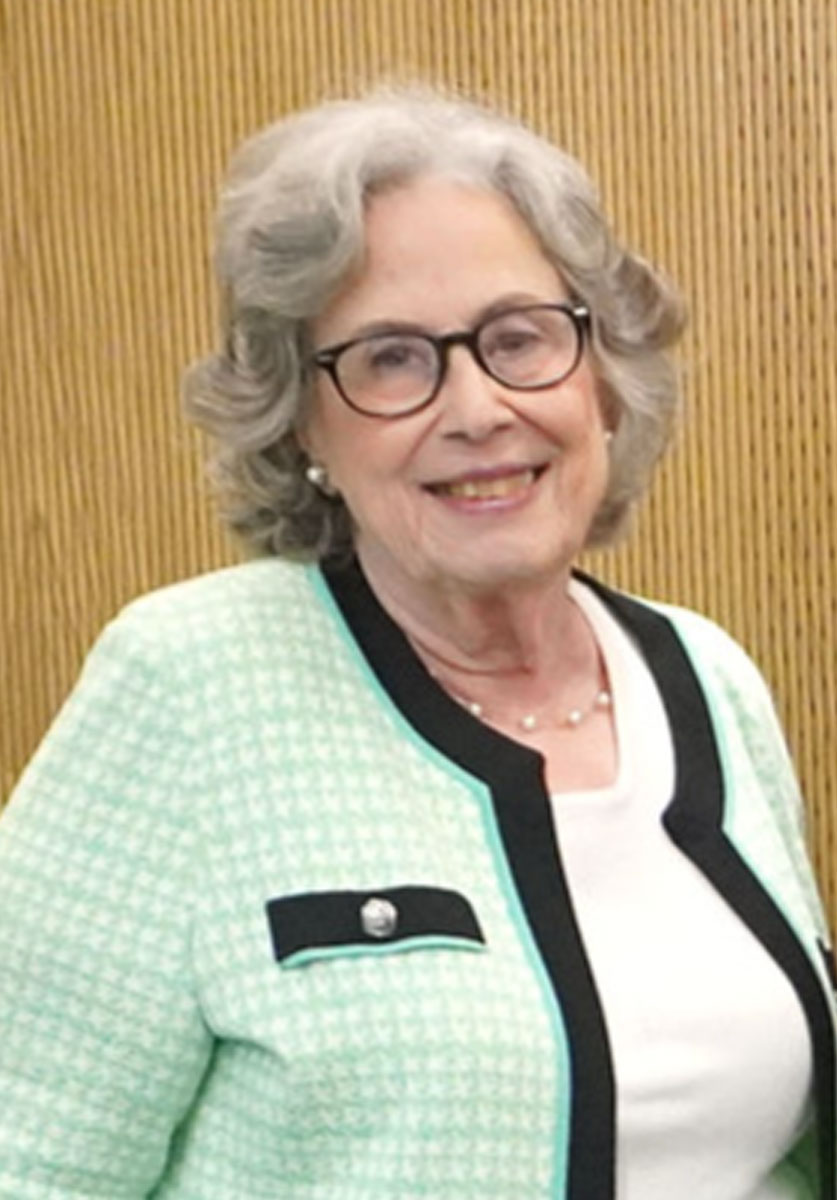
Ana Cleveland is a Regents Professor and Sarah Law Kennerly Endowed Professor at the University of North Texas (UNT), directing the Health Informatics Program. She holds leadership roles in Discovery Park and has expertise in health informatics, medical librarianship, and disaster information management. Education: Ph.D. and M.S. from Case Western Reserve University, B.S. from University of Texas. Her research focuses on health information-seeking behaviors, medical literature indexing, and academic library innovation. She leads the UNTIIA Lab and participates in TREC clinical trial research initiatives. Key areas include disaster informatics, health sciences librarianship, and precision medicine information systems. Her work bridges digital health resources with real-world applications in public health and clinical practice. Notable contributions include evaluating AI-driven medical data tools, analyzing pandemic response strategies, and advancing educational programs for health information professionals. Her research spans over four decades with a focus on improving healthcare information accessibility and quality.
Dr. Clifford De Raffaele is a Senior Lecturer in Computer Science and Programme Leader for the Computer Science programme at Middlesex University. He holds a PhD in Computer Science from Middlesex University, an MSc in ICT from the University of Malta, and a degree in Electrical Engineering from the same institution. He has previously held senior academic leadership roles, including Associate Director for Academia and Research at Middlesex University Malta and Director for Research and Innovation at MCAST. PhD in Computer Science, Middlesex University (2019) MSc in ICT, University of Malta BSc in Electrical Engineering, University of Malta His research focuses on innovative applications of technology in education, particularly through Tangible User Interfaces (TUIs), knowledge management in micro-enterprises, AI in learning, and biomedical devices. He explores how physical interaction can enhance the understanding of abstract computing concepts such as multi-threading, robotics, and network principles. His work bridges human-computer interaction with pedagogical innovation. His recent publications (2016–2024) demonstrate a consistent focus on educational technology, with recurring themes in TUIs, student engagement, knowledge systems, and adaptive learning. His research often involves collaboration with colleagues such as S. Smith, O. Gemikonakli, and G. Attard, and is published in IEEE, ACM, and Springer venues. A notable achievement includes winning the Best Technical Paper award at the 2020 SGAI International Conference on Artificial Intelligence. Best Technical Paper, 2020 SGAI International Conference on Artificial Intelligence Dr. De Raffaele actively supervises PhD researchers, including Stephen Hall and Antony Kruger, and has led multiple national and EU-funded research projects as principal investigator or lead researcher. He contributes to strategic research policy at the national level and is an executive member of the IEEE Malta Section, indicating strong engagement in both academic and professional communities. He is involved in the development of toolkits like TangiBoard to lower the barrier for TUI implementation in education and continues to innovate in the space of active learning frameworks. His work is centered on making complex computer science topics more accessible through physical and interactive means.
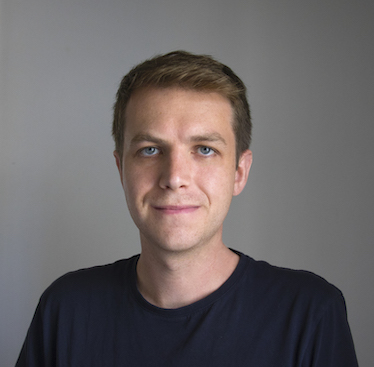
William Kavanagh is a Lecturer in the Department of Games Technology and Mathematics at Abertay University, where he has been teaching and conducting research since 2021. He leads the Competitive Game Lab, focusing on player behavior, game accessibility, and competitive gaming. His interdisciplinary work bridges computer science, game design, and social impact. Education: PhD in Computer Science, University of Glasgow (awarded 2022) His research centers on enhancing player experience through data-driven methods. He explores competitive gaming , game balancing via formal methods , and the use of games for health , particularly in dementia care through VR-based reminiscence therapy. He is also deeply engaged in computer science education , innovating in programming pedagogy and assessment. His recent publications reflect a strong trend in applying analytical models to gaming—from xGoals-inspired performance metrics in FPS games to procedural content generation and peer learning in programming education. These works span game design, AI, education, and social impact. Scientific Recognition: Invited speaker at Alzheimer Scotland's Annual Conference (2024) Featured in media coverage for the launch of the Competitive Games Lab Contributions recognized in student-led research on esports access and educational assessment William supervises multiple research students working on AI in games, accessibility, and procedural generation. He has contributed to projects involving game-based solutions for healthcare and education. His work aligns with UN Sustainable Development Goals in education and well-being. He is actively involved in the Competitive Game Lab, which promotes inclusive and accessible competitive gaming through technological and social research. The lab supports a research agenda focused on fairness, engagement, and widening access to esports.
Lluís Fàbrega Soler is an Associate Professor in the Department of Computer Architecture and Technology at the University of Girona (UdG), where he has been a faculty member since 2008. He is affiliated with the Institute of Informatics and Applications and is an active member of the Research Group on Communications and Distributed Systems. His educational background includes a degree in Telecommunications Engineering and a Master's in Mobile Communications from Universitat Politècnica de Catalunya, followed by a PhD in Computer Science from the University of Girona in 2008. Dr. Fàbrega's research focuses on the design and optimization of computer networks, particularly in the areas of routing, traffic engineering, and Quality of Service (QoS). He also investigates connection-oriented networking technologies and virtualization-based network architectures, contributing to advancements in distributed and scalable communication systems. His work spans theoretical and applied aspects of modern networking, with a strong emphasis on performance, reliability, and efficient resource management in complex network environments. He has participated in various research projects and conferences, though specific publications and awards are not detailed in the available information. PhD in Computer Science – University of Girona (2008) MSc in Mobile Communications – Universitat Politècnica de Catalunya (1996) BSc in Telecommunications Engineering – Universitat Politècnica de Catalunya (1995) Dr. Fàbrega advises students and contributes to academic mentoring within his research group, though no named students are listed. He has been involved in research grants and collaborative projects related to communications and distributed systems. He is a member of the Research Group on Communications and Distributed Systems at the Institute of Informatics and Applications, where he collaborates on network design, virtualization, and distributed computing technologies.
Remedy Calm Puig is an Associate Professor in the Department of Computer Science, Applied Mathematics and Statistics at the University of Girona, where she has been a faculty member since 1992. She is affiliated with the Institute of Computing and Applications and leads research in interval analysis and its applications in engineering and biomedical systems. She is a member of the Modeling and Intelligent Control Engineering (MiceLab) research group and collaborates with the Girona Biomedical Research Institute (IdIBGi). BSc in Mathematics, Universitat Autònoma de Barcelona (UAB), 1987 PhD in Mathematics, Universitat Politècnica de Catalunya (UPC), 2005 Her research focuses on modal interval analysis , uncertainty modeling , and biomedical simulation , particularly in glucose-insulin dynamics for diabetes management. She develops mathematical tools for reliable computing and applies them to physiological systems and control engineering. Her work bridges applied mathematics with real-world biomedical and industrial applications. The recent publications highlight a strong trend in interdisciplinary research combining applied mathematics , biomedical engineering , and clinical technology . Key themes include uncertainty quantification, virtual patient modeling, and glucose monitoring validation. Her work appears in specialized journals like Reliable Computing and Journal of Diabetes Science and Technology , reflecting both theoretical and translational impact. She has co-directed PhD research and contributed to national and institutional research projects. Her technology transfer efforts include collaborations with National Instruments and Medtronic , focusing on virtual patients and glucose monitor evaluation. Organizing Committee, Qualitative Systems and Diagnosis Conferences Organizer, XLV Spanish Mathematical Olympiad (2009) Participant, 'Innovem Junts' – ICT Research for Business Innovation She is actively involved in the MiceLab research group, which specializes in interval-based modeling and control systems, and continues to advance methods for handling uncertainty in complex systems.
Malihe Javidi serves as a Research Fellow on Computer Vision in Medicine at the Usher Institute within the College of Medicine and Veterinary Medicine, University of Edinburgh. She concurrently holds an Assistant Professor position in the Computer Engineering Department at Quchan University of Technology, Iran, where she has maintained official cooperation since 2018. Previously, she worked as a Research Associate Fellow in Biomedical Signal and Image Processing at Heriot-Watt University. Her academic credentials from Ferdowsi University of Mashhad, Iran include: Bachelor's in Computer Engineering (2006, with honors) Master's in Computer Engineering (2008, with honors) Ph.D. in Artificial Intelligence (2018) Dr. Javidi's research centers on applying computer vision and deep learning to medical diagnostics, with emphasis on ophthalmology and cardiology. She develops AI-driven tools for retinal image analysis, ECG interpretation, and virtual histology staining, targeting early detection of ocular, cardiovascular, and neurodegenerative diseases through advanced image processing techniques. Her recent publications reveal a cohesive focus on medical image synthesis and disease prediction systems. Key contributions include synthetic ECG datasets for cardiac monitoring, community-based retinal repositories for multi-disease forecasting, and fluorescence lifetime imaging innovations for virtual pathology. These works consistently bridge computational methods with clinical applications to enhance diagnostic precision. Affiliated with the Centre for Medical Informatics at the Usher Institute, she participates in interdisciplinary teams advancing data-driven healthcare solutions through medical informatics and artificial intelligence research.
Michael Oppermann is a researcher, data visualization developer, and co-founder of Viaduct, currently affiliated with the Austrian Institute of Technology (AIT) . His work integrates visualization, machine learning, and human-centered design to create interactive tools for data exploration and communication. He holds a PhD in Computer Science from the University of British Columbia (2021), where he collaborated with Tamara Munzner's InfoVis Group, and a Master of Business Informatics from the University of Vienna (2017). Expertise in interactive visualization, mixed-methods research, and web development Previously served as a visiting research fellow at Harvard University's Visual Computing Group Industry experience at Tableau Software and Virtual Identity as a data science consultant His research spans human-data interaction, haptics, and spatiotemporal data analysis. Publications include top venues like CHI , IEEE VIS , and EuroVis . He has contributed to projects such as VizSnippets , Haptipedia , and Bike Sharing Atlas . Awards include the Accenture Campus Innovation Challenge first place in Austria (2016) and recognition in the NaturTalente High Potential Program (2016). Michael also has extensive teaching experience, having restructured large undergraduate courses and served as a teaching assistant for human-computer interaction and visualization topics.
Prof. Dr.-Ing. Thomas Leich holds the Volkswagen Financial Services Endowed Professorship for Business Informatics, specifically Requirements Engineering, at Harz University of Applied Sciences. He is affiliated with the Faculty of Automation and Information, focusing on software variability and configurable systems. University: Harz University of Applied Sciences School: Faculty of Automation and Information Academic Rank: Professor Research Interests span software product line engineering, IT security, Industry 4.0, and feature-oriented programming. His work bridges academic innovation with industrial applications, particularly in secure and scalable systems for automotive and enterprise contexts. Recent Publications emphasize security in configurable systems, empirical software engineering studies, and automotive platform management. Articles often involve collaborations with teams at Otto von Guericke University and international institutions. Scientific Awards include the Hugo Junkers Research Award (2013), the Wissenschaftspreis der Wernigeröder Stadtwerkestiftung (2017), and the 2012 Faculty Research Award from the University of Magdeburg. Supervision of over 20 theses since 2008, spanning topics in ERP security, program comprehension, and embedded systems. He leads the EXPLANT project, funded by DFG, and contributes to FeatureIDE , an extensible framework for feature-oriented development.
Dr. Frederick Graham (BNurs, PhD) is a Senior Lecturer at the University of Queensland's Faculty of Health, Medicine and Behavioural Sciences and a Senior Research Fellow with the Centre for Health Services Research. He serves as clinical lead for the Dementia and Delirium Nursing Service at Princess Alexandra Hospital, where he has worked for over 15 years as a clinical expert in dementia and delirium care. Senior Lecturer, University of Queensland Senior Research Fellow, Centre for Health Services Research Clinical Nurse Consultant, Princess Alexandra Hospital His research focuses on reorganizing hospital care environments and building workforce capacity for therapeutic care in vulnerable cohorts, emphasizing knowledge translation through experiential learning, environmental design, and pain-related symptomology. Key projects include developing special care units for dementia patients and creating pain assessment tools for cognitively impaired individuals. Recent publications span topics like hospital readmission reduction (2025), interprofessional delirium protocols (2025), pain recognition in dementia (2024), and implementation science in age-friendly care (2021). His work has been recognized with the QUT Outstanding Doctoral Thesis Award (2021). Queensland Health Early Career Nursing Fellowship Metro South Health Future Research Leader Fellowship Multiple research grants (2023-2025) As an emerging research leader, he supervises two higher research nursing students and mentors a nurse practitioner student at UQ, advocating for research pathways in clinical nursing careers. His collaborations with organizations like the Australian Frailty Network and Queensland Digital Health Centre position him at the intersection of clinical practice and translational research.
Sara Antinozzi is a Researcher at the Department of Civil Engineering, University of Salerno, where she previously obtained her PhD in "Risk and Sustainability in Civil, Architectural and Environmental Engineering Systems". She holds a degree in Building Engineering-Architecture and is actively engaged in research related to cultural heritage documentation and accessibility. Her educational background includes a PhD in Risk and Sustainability in Civil, Architectural and Environmental Engineering Systems from the University of Salerno and a degree in Building Engineering-Architecture. Dr. Antinozzi's research focuses on the intersection of digital technologies and cultural heritage preservation, with particular emphasis on accessibility solutions for diverse audiences. She specializes in 3D modeling techniques, photogrammetry applications for small artifacts, and developing visuo-tactile tools for architectural communication. Her work bridges traditional architectural documentation methods with innovative digital approaches to enhance the understanding and accessibility of cultural heritage sites. She has conducted significant research on structured-light scanning for ornament digitization, HBIM (Historic Building Information Modeling) applications, and developing low-cost solutions for detailed cultural heritage documentation. Her recent publications demonstrate a clear trend toward developing practical, accessible technologies for cultural heritage documentation. The research spans from high-resolution scanning of small artifacts using USB microscopes to creating tactile reproductions of religious heritage for visually impaired visitors. A significant portion of her work addresses the challenges of documenting complex surfaces and reflective materials, developing specialized methodologies to overcome these obstacles. Her research also shows strong alignment with Horizon Europe initiatives, particularly in developing digital-based communication strategies to break down cultural barriers in museum settings. Dr. Antinozzi is associated with the Modeling Laboratory at the University of Salerno's Fisciano Campus, where she conducts her research and holds reception hours for students. Her work involves interdisciplinary collaboration with various research teams focused on cultural heritage documentation and accessibility solutions.
Frank Heidmann is a Research Professor for Design of Software Interfaces at the University of Applied Sciences Potsdam, where he serves as Program Director for the Master's degree program in Design. He leads the Interaction Design Lab (IDL) and holds leadership roles including membership in the Research and Transfer Commission and Ethics Committee of FH Potsdam, and serves as Ombudsperson for good scientific practice. His educational background includes: PhD in Applied Physical Geography (1999, University of Trier) Studies in Applied Physical Geography with cartography focus (1988-1994, University of Trier) Heidmann's research spans human-computer interaction, usability engineering, and interface design, with evolving focus from cartographic communication to XR interfaces and mental health applications. His work integrates eye-tracking, tangible interfaces, and user-centered design methods, particularly addressing aging society needs and social anxiety disorders. Recent projects emphasize collaborative XR learning and neurofeedback systems. His publication trends reveal consistent contributions to HCI conferences (CHI, DIS, NordiCHI) with growing emphasis on: Immersive technologies (XR/VR) Mental health applications Collaborative interaction paradigms Critical design approaches Heidmann actively supervises design education initiatives and leads significant projects including DISA (Digital Inclusion for Social Anxiety), FUX-XR@FH:P (Extended Reality), and international partnerships with National Taipei University of Technology. As project manager at IDL, he implements research on human-technology interaction, interface design for aging populations, and user-centered design integration. His leadership extends to curriculum development projects like Design '0815' for adapting design education to digital workplaces.
Matthew Might is a Professor of Internal Medicine and Computer Science at the University of Alabama at Birmingham's Heersink School of Medicine, where he serves as Director of the Hugh Kaul Precision Medicine Institute and Co-Director of the Center for Precision Animal Modeling. He also holds a position as Senior Lecturer in the Department of Biomedical Informatics at Harvard Medical School. His career spans academia, government service at The White House (2016-2018), and industry as co-founder of Pairnomix, LLC and Q State Biosciences, Inc. Might's research program uniquely bridges computer science and precision medicine, born from his personal quest to diagnose his son Bertrand who was the first identified case of a novel genetic disorder. His work applies data science, artificial intelligence, machine learning, and formal reasoning to accelerate biomedical science in service of patients. His broader interests include oligonucleotide therapeutics, model organisms, drug screening, and medicinal chemistry. As Director of the Precision Medicine Institute, he oversees a comprehensive research portfolio that includes significant bench science targeted at tailoring therapeutics to individual patients. Analysis of Might's recent publications reveals a strong focus on rare genetic disorders, particularly NGLY1 deficiency, with extensive work on disease modeling using induced pluripotent stem cells (iPSCs). His research spans multiple disciplines including genomics, proteomics, neurology, and drug discovery, with a notable emphasis on the Undiagnosed Diseases Network. Recent work has also addressed the COVID-19 pandemic through computational drug discovery and investigations into viral pathogenesis. Throughout his career, Might has maintained a dual focus on theoretical computer science and practical medical applications. His early work included significant contributions to programming language theory, abstract interpretation, and control-flow analysis, which he has successfully translated into biomedical applications. He has been instrumental in developing computational approaches to rare disease diagnosis and matchmaking patients with similar conditions. Might has been actively involved with the Undiagnosed Diseases Network, contributing to numerous collaborative studies that have advanced understanding of rare genetic conditions. His work emphasizes patient-centered approaches to precision medicine, with projects focused on genomic healthcare empowerment and family communication of genetic results. He has also developed innovative computational methods for RNA-seq analysis and drug screening. His leadership extends to directing research teams working on multiple fronts of precision medicine, including laboratory-based investigations of genetic disorders, computational approaches to drug discovery, and patient matchmaking strategies for rare disease communities. Might's interdisciplinary approach has created bridges between computer science theory and practical clinical applications, demonstrating how computational methods can directly impact patient care for those with rare and undiagnosed conditions.
Dr. Roslyn Mattukoyya is a Senior Lecturer and Deputy Head of the School of Nursing at Anglia Ruskin University (ARU). A registered critical care nurse since 1998, she joined ARU in 2013 with extensive experience in nursing education, research, and management across India, Nepal, Saudi Arabia, and the UK. She leads ARU's Simulation team and has designed innovative simulation models for nursing education. Academic Affiliation: Faculty of Health, Medicine and Social Care, ARU Research Leadership: Health and Care Workforce Research Group member International Collaboration: Royal College of Nursing and UK-REACH networks Her research focuses on patient safety , empowerment of internationally-educated nurses , and cultural competence in healthcare education . Through grants from Health Education England (HEE), ARU, and Manchester Metropolitan University, she investigates structural empowerment and speaking-up cultures in NHS hospitals. Recent research outputs include digital collaboration frameworks during pandemics and cultural competence development in nursing education. Her work spans virtual training programs and international nurse integration studies. Scientific Awards : Shortlisted for RCN Education Awards 2022, Global Medical Excellence Award 2021 Leadership Roles : External Examiner at University of Manchester, Critical Friend for NHS England research projects Expertise : Clinical simulation, workforce research, patient safety culture Roslyn supervises pre- and post-registration nursing research projects and speaks Tamil, Telugu, Malayalam, Kannada, Hindi, Arabic, and Nepali.
J. Dustin Tracy is an Assistant Professor in the Department of Health Management, Economics, & Policy at Augusta University's School of Public Health. His academic appointment focuses on health economics research and teaching, with particular emphasis on experimental methodologies to evaluate health policies. His educational background includes a Ph.D. in Economics from Georgia State University (2018), an M.A. in Economics from Vanderbilt University (2012), and a B.A. in Psychology from Tufts University (1996). Prior to academia, he worked as a licensed mental health counselor. Tracy's research centers on health economics and behavioral economics, investigating how market institutions shape healthcare decisions. His work employs laboratory experiments to test policy interventions, with focus areas including health insurance design, health disparities, credence goods markets, and the impact of disclosure requirements. He has developed virtual environments to simulate life-course health decisions and utilizes accelerometry data for health metrics research. His publication trends reveal consistent contributions across health economics (45%), experimental methodology (30%), and behavioral economics (25%), with increasing focus on health disparities and policy evaluation in recent years. Reviewer for Journal of Economic Behavior and Organization (2022, 2024) Reviewer for Journal for the Measurement of Physical Behaviour (2022) Committee Member for Department Search Committee (2025-present) Committee Chair for Research Grant Forum (2022-2023) Member of USA-Scotland Rural Health Converge Collaborative (2024-present) Tracy directs laboratory research examining how behavioral principles affect health decisions, including projects on loss-framed incentives, reputation systems in healthcare markets, and physical activity measurement. His teaching portfolio includes Behavioral Economics and Research Methods courses, emphasizing critical analysis of scientific literature and classroom experiments to demonstrate economic principles.
Dr. Haewoon Kwak is an Associate Professor at the Luddy School of Informatics, Computing, and Engineering at Indiana University Bloomington. He co-directs the Soda Lab research group with Prof. An, focusing on investigating social phenomena through large-scale data and computational tools to address significant societal challenges. His research spans multiple interdisciplinary fields including network science, machine learning, and computational social science. His work examines online social networks, social media dynamics, game analytics, computational journalism, and human-computer interaction. His research has been widely recognized, most notably for the highly cited paper 'What is Twitter, a social network or news media?' (WWW 2010) which has received over 9,500 citations. Dr. Kwak's research portfolio demonstrates consistent innovation across multiple domains. His recent publications show a strong focus on computational journalism, deep learning applications for media analysis, and understanding toxic behavior in online spaces. His work often bridges theoretical insights with practical applications for understanding information flow and social dynamics in digital environments. Outstanding PhD thesis award in Computer Science Department, KAIST Best paper award at IMC '07 for 'I Tube, You Tube, Everybody Tubes' Best paper award at SocInfo 2019 for 'Gender and Racial Diversity in Commercial Brands' Advertising Images on Social Media' Highly cited paper 'What is Twitter, a social network or news media?' (WWW 2010) with over 9,500 citations Dr. Kwak has served on program committees for major computer science and computational social science conferences. His work has been featured in prominent media outlets including Nature News, ACM Tech News, BBC, The Times, The Economist, Slate, and Scientific American. His Soda Lab at Indiana University continues to produce influential research at the intersection of computing and social science.