معرفی
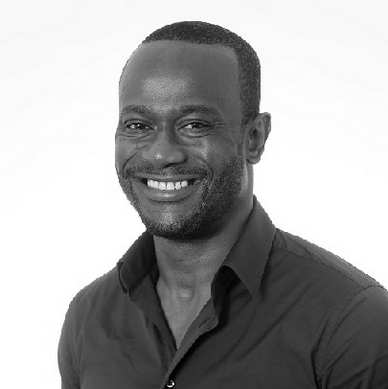
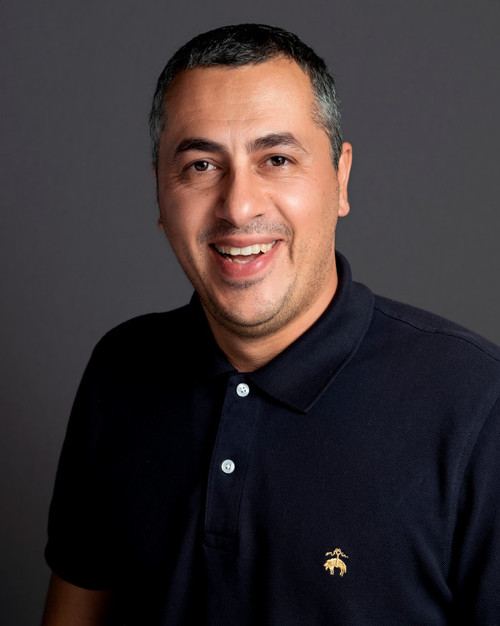
Dr. Clifford De Raffaele is a Senior Lecturer in Computer Science and Programme Leader for the Computer Science programme at Middlesex University. He holds a PhD in Computer Science from Middlesex University, an MSc in ICT from the University of Malta, and a degree in Electrical Engineering from the same institution. He has previously held senior academic leadership roles, including Associate Director for Academia and Research at Middlesex University Malta and Director for Research and Innovation at MCAST.
- PhD in Computer Science, Middlesex University (2019)
- MSc in ICT, University of Malta
- BSc in Electrical Engineering, University of Malta
His research focuses on innovative applications of technology in education, particularly through Tangible User Interfaces (TUIs), knowledge management in micro-enterprises, AI in learning, and biomedical devices. He explores how physical interaction can enhance the understanding of abstract computing concepts such as multi-threading, robotics, and network principles. His work bridges human-computer interaction with pedagogical innovation.
His recent publications (2016–2024) demonstrate a consistent focus on educational technology, with recurring themes in TUIs, student engagement, knowledge systems, and adaptive learning. His research often involves collaboration with colleagues such as S. Smith, O. Gemikonakli, and G. Attard, and is published in IEEE, ACM, and Springer venues. A notable achievement includes winning the Best Technical Paper award at the 2020 SGAI International Conference on Artificial Intelligence.
- Best Technical Paper, 2020 SGAI International Conference on Artificial Intelligence
Dr. De Raffaele actively supervises PhD researchers, including Stephen Hall and Antony Kruger, and has led multiple national and EU-funded research projects as principal investigator or lead researcher. He contributes to strategic research policy at the national level and is an executive member of the IEEE Malta Section, indicating strong engagement in both academic and professional communities.
He is involved in the development of toolkits like TangiBoard to lower the barrier for TUI implementation in education and continues to innovate in the space of active learning frameworks. His work is centered on making complex computer science topics more accessible through physical and interactive means.