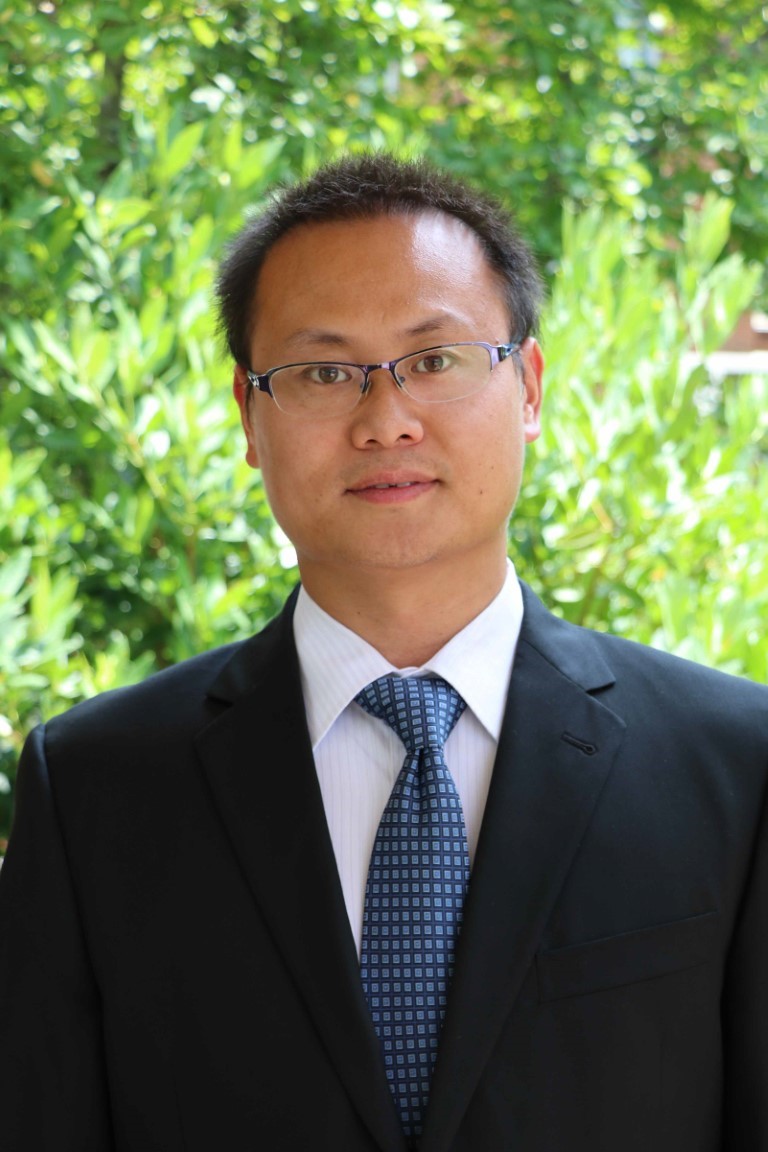
Hauke Smidt is a Personal Professor at Wageningen University & Research, affiliated with the Molecular Ecology group within the Faculty of Veterinary Medicine and Animal Sciences. His research focuses on microbial ecology, particularly gut microbiota dynamics, antibiotic resistance, environmental microbiology, and the One Health framework. Smidt has supervised over 50 PhD students and contributed to 519 publications, including studies on microbiome resilience, fermented food impacts, and bioremediation strategies. Education and affiliations include leadership roles in projects addressing antimicrobial resistance, pig health, and drinking water microbiology. His work spans collaborations across Europe and Asia, with notable contributions to understanding microbial community responses to environmental stressors and dietary interventions. Smidt is actively involved in public outreach, as seen in media contributions discussing microbiome research and health benefits. Key projects include aquifer treatment for drinking water, microbiome simulation models, and combating plant pathogens. His awards and recognition are not explicitly listed, but his extensive publication record and project leadership highlight significant academic impact.
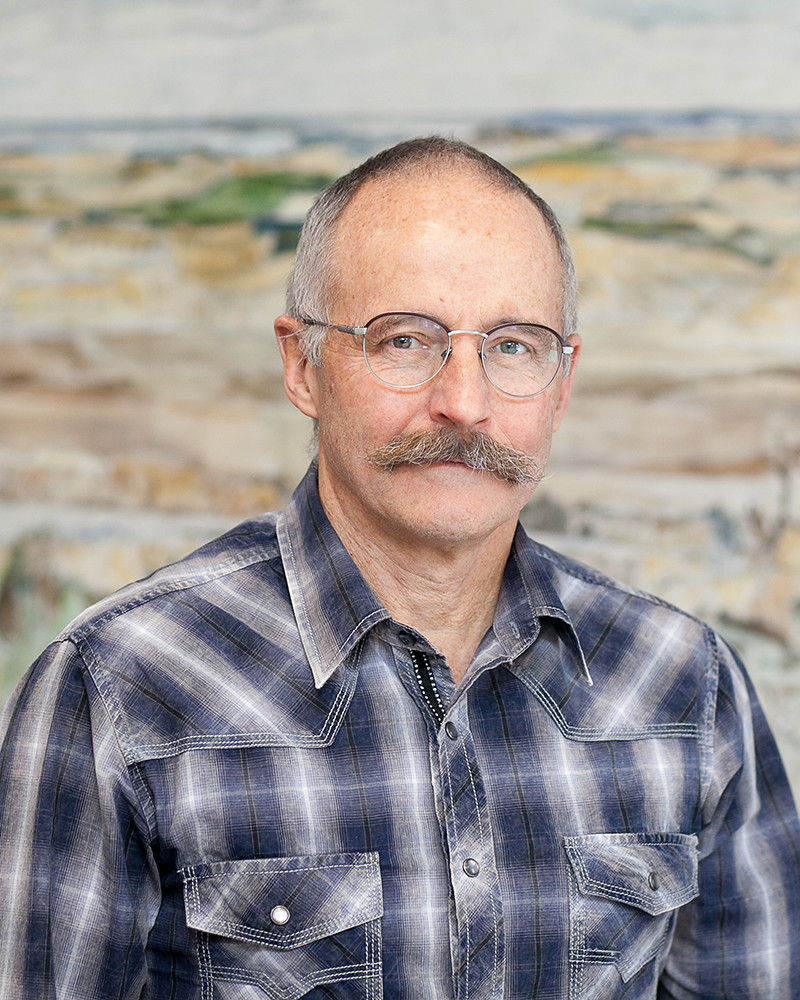
Alexandra Horowitz is a Senior Research Fellow and Adjunct Associate Professor at Barnard College. She has been teaching since 2004, specializing in dog cognition and olfactory research. Her academic roles span the Departments of English and Psychology, reflecting her interdisciplinary focus on animal behavior and human-animal interactions. Education: M.S. and Ph.D. in Cognitive Science from UC San Diego; B.A. in Philosophy from the University of Pennsylvania. Research interests include naturalistic observations of dog social play, testing anthropomorphic assumptions, and characterizing canine olfactory abilities. She has authored influential books like Inside of a Dog and Being a Dog , exploring how dogs perceive the world. Her work frequently appears in top journals and media outlets, including the New York Times and TED-Ed. Recent articles highlight studies on dog navigation, play behavior, and olfactory perception. She has been recognized as among the Top 2% of Cited Authors globally. Her presentations and lectures span academic conferences, museums, and public forums, emphasizing science communication.
Jillian Bohlen is an Associate Professor at the University of Georgia within the College of Agricultural & Environmental Sciences , specifically the Department of Animal and Dairy Science . Her work focuses on dairy cattle reproduction, teaching, and youth development in agricultural sciences. Education: B.S. in Dairy Science, University of Georgia (2003) M.S. in Dairy Science, University of Georgia (2005) Ph.D. in Animal Sciences, Clemson University (2012) Dr. Bohlen's research emphasizes applied reproduction in cattle , including synchronization techniques, ultrasound applications in reproductive programs, and embryo competency. She integrates students into all research projects despite lacking a formal research appointment. Her teaching interests span dairy cattle production , reproductive management , and contemporary agricultural issues , with courses like ADSC 3620 (Dairy Cattle Production), ADSC 4010 (Issues in Animal Agriculture), and ADSC 4410 (Applied Reproductive Management). Scientific awards include: Student Career Success Influencer Award (2024) Russell Award for Excellence in Undergraduate Teaching (2023) UGA Creative Teaching Award (2022) CAES Early Career Teaching Award (2022) Hoard's Dairyman Youth Development Award (2021) Larry Benyshek Teaching Award (2017) She actively promotes agricultural education through programs like the Commercial Heifer Project , Dairy Cattle Judging , and Dairy Quiz Bowl . Additionally, she participates in funded projects related to methane emissions , heat stress mitigation , and antibiotic alternatives in dairy farming.
Dr Dominic McCafferty is a Senior Lecturer in Physiology, Ageing & Welfare at the University of Glasgow, based at the Scottish Centre for Ecology and the Natural Environment. He holds academic roles including Editor-in-Chief of the Journal of Thermal Biology and previously Ibis . His research focuses on thermal adaptation, behavioral thermoregulation, and urban wildlife ecology, particularly using thermal imaging techniques. He has a Ph.D. and BSc in Ecological Science from the University of Edinburgh (1989–1993 and 1985–1989). His work spans physiological studies in mammals, birds, and marine species, emphasizing conservation applications. Notable projects include habitat suitability modeling for urban water voles and thermal physiology studies in elephant seals. His educational background includes advanced studies in ecological science, complemented by post-doctoral research at institutions like the British Antarctic Survey (1993–1998). He has contributed to over 99 publications, advancing methodologies in non-invasive wildlife monitoring and ecological field studies. His editorial roles reflect expertise in thermal biology and avian science. McCafferty has led projects on carrion dynamics, stress physiology, and behavioral adaptations in diverse species, with a focus on applying findings to conservation challenges. Labs/Teams: Scottish Centre for Ecology and the Natural Environment (SCENE), part of the broader University of Glasgow's ecological research network. Collaborations include the Muséum National d’Histoire Naturelle in France and the National Trust for Scotland.
Maher Elshakankiri is an Assistant Professor, Teaching Stream at the University of Toronto's Faculty of Information. He holds a Ph.D. in Computer Engineering from Ain Shams University (Egypt), followed by a postdoctoral fellowship at the University of Regina. His research focuses on IoT, Wireless Sensor Networks (WSN), and pedagogical integration of technology and gaming. He has supervised over 100 student projects and authored a book on WSNs. Education: Ph.D. in Computer Engineering, Ain Shams University, Egypt M.Eng., B.Eng. in Engineering, Ain Shams University, Egypt Postdoctoral Fellowship, University of Regina, Canada Research Interests: IoT in healthcare, agriculture, and sports Active learning classrooms and technology in education Wireless communication protocols (V2V, UAV, RFID) Leadership & Grants: Director, Bachelor of Information (BI) Program (2024–present) Coordinator, Information Systems and Design (ISD) Concentration (2023) SSHRC Grant: 'Gaming in teaching towards a more inclusive class' (2022–2023) Professional Activities: Member, SCC IoT & Digital Twins Standards Committee Reviewer for journals including Wireless Networks , Telematics and Informatics , and Computational Intelligence Technical Program Committee member at multiple conferences Teaching: Courses include INF1340 (Programming for Data Science), INF1005/1006 (IoT Workshops), and INF452 (Information Design Coding).
Larissa Schlegel-Pape serves as a Scientific Associate at the Department for Ornamental and Pedigree Poultry within the Farm Animal Clinic of Freie Universität Berlin's Faculty of Veterinary Medicine. Her work focuses on developing innovative methods for assessing chicken welfare through the creation of the "Stressed Chicken Scale," which aims to systematically identify stress indicators in poultry. Her research interests center on animal welfare science, specifically stress assessment in chickens using both behavioral observation and computer vision technology. She investigates how body posture, movement patterns, and other visual indicators can reliably signal discomfort or stress in poultry, with the goal of creating practical assessment tools for veterinarians and poultry farmers. Her work bridges veterinary medicine, ethology, and technological innovation, contributing to refinement research (one of the 3Rs principles) in animal husbandry. Analysis of her publications reveals a strong focus on developing and validating the Stressed Chicken Scale across multiple contexts. Her work spans methodological development, practical implementation studies, and technological integration with computer vision systems. The research demonstrates progression from conceptual framework to validation studies and practical application, with increasing sophistication in assessment techniques and broader implications for animal welfare standards in poultry farming. Schlegel-Pape actively collaborates with the Federal Institute for Risk Assessment (BfR) and participates in interdisciplinary projects involving artificial intelligence applications in agriculture. She presents her findings regularly at major German veterinary conferences including the DVG (Deutsche Veterinärmedizinische Gesellschaft) events, DACh Epidemiology conferences, and specialized poultry medicine gatherings. Her work contributes significantly to advancing animal welfare assessment methodologies and promoting refinement in poultry husbandry practices.
Marina von Keyserlingk is a Professor in Applied Biology within the Faculty of Land and Food Systems at the University of British Columbia (UBC). She serves as Director of the UBC Dairy Education and Research Centre and leads the renowned UBC Animal Welfare Program, one of the largest and most respected animal welfare science programs globally. Her work has significantly influenced dairy farming practices worldwide, particularly in the areas of dairy cow and calf welfare. Dr. von Keyserlingk's research focuses on animal behavior, housing, and management practices and how these contribute to the health and welfare of dairy cattle. Her work spans multiple dimensions of animal welfare science, including: Dairy cattle behavior and cognition Cow-calf separation practices Pain assessment and management in farm animals Public perceptions of farm animal welfare Alternative dairy farming systems Welfare assessment methodologies Her most recent research examines pain responses in calves, lameness assessment techniques, effects of environmental enrichment on calf cognition, and public attitudes toward dairy farming practices. This work demonstrates a strong trend toward integrating scientific assessment of animal welfare with public values and perceptions, recognizing that sustainable animal agriculture must address both scientific and societal concerns. Dr. von Keyserlingk has received numerous prestigious awards for her contributions to dairy science and animal welfare: Elanco Award for Excellence in Dairy Science (2013) Metacam Bovine Welfare Award (2013) Canadian Animal Industries Award in Extension & Public Service (2012) 26th Annual World Buiatrics Congress Keynote Speaker (2010) She has supervised numerous graduate students, including Dr. Lexis Ly who recently completed her PhD in 2025. Dr. von Keyserlingk also teaches undergraduate courses including "Animals and Society" and "Research Methods in Applied Animal Biology." Her research program has secured significant funding that supports multiple postdoctoral fellows, graduate students, and research staff working within the UBC Animal Welfare Program. The UBC Animal Welfare Program, which she helps lead, is currently recruiting PhD students interested in improving the lives of dairy cattle and the people who care for them. The program continues to be at the forefront of animal welfare science, conducting research that has practical applications for improving animal care worldwide.
Dr. Lilong Chai serves as an Associate Professor & Engineering Specialist in the Department of Poultry Science at the University of Georgia's College of Agricultural and Environmental Sciences, with affiliate status at the UGA Institute of Integrative Precision Agriculture. His work integrates engineering principles with animal science to advance sustainable poultry production systems through climate-resilient practices and precision farming technologies. His academic foundation includes a Ph.D. in Agricultural and Bio-environmental Engineering from China Agricultural University (2005-2011), B.S. from Anhui Agricultural University (2001-2005), joint Ph.D. studies at Purdue University (2008-2010), and postdoctoral research at Iowa State University (2015-2018) and Agriculture and Agri-Food Canada (2012-2015). Dr. Chai's research program centers on precision poultry farming, climate-smart animal production, and animal welfare enhancement. He pioneers applications of deep learning, computer vision, and environmental engineering to develop real-time monitoring systems for poultry behavior, health indicators, and housing conditions. His work addresses critical industry challenges including floor egg management, footpad dermatitis detection, air quality control, and disease prevention in cage-free systems, emphasizing practical solutions that balance productivity with ethical animal husbandry. Analysis of his 2023-2025 publications reveals dominant themes in AI-driven behavioral monitoring (dustbathing, perching, foraging), thermal imaging for welfare assessment, and sustainable waste management. These studies consistently bridge agricultural engineering, veterinary science, and data analytics to create scalable precision farming tools applicable across commercial poultry operations. His scientific recognition includes 20 major awards such as: Educational Aids Blue Ribbon Award from ASABE (2024) NACAA Communications Award for Precision Poultry Farming Education (2023) Georgia Research Alliance's Georgia Greater Yield selection (2023) ASABE Outstanding Associate Editor Award (2022) Dr. Chai has secured $5 million through 40 competitive grants from USDA-NIFA, NSF, and international agencies as PI/Co-PI. He actively translates research into practice through leadership roles including Coordinator of the Georgia Precision Poultry Farming Conference, Chair of ASABE's Environmental Air Quality Committee, and reviewer for major research foundations. His extension work directly impacts industry stakeholders through annual training programs serving Georgia's poultry sector. His research infrastructure operates within UGA's Poultry Science Department and the Institute of Integrative Precision Agriculture, where he collaborates with interdisciplinary teams to develop next-generation monitoring systems integrating robotics, thermal imaging, and foundation models for real-world poultry applications.
Trent K. Bollinger is a Professor in the Department of Veterinary Pathology at the University of Saskatchewan's Western College of Veterinary Medicine (WCVM), and serves as Regional Director for the Western/Northern Region of the Canadian Wildlife Health Cooperative (CWHC). His academic credentials include a BSc (Honours) from the University of Saskatchewan (1984), a DVM (Distinction) from the University of Saskatchewan (1988), and a DVSc in Pathology from the Ontario Veterinary College (1992). Dr. Bollinger's research focuses on the pathology and epidemiology of diseases in wildlife and fish, with particular emphasis on chronic wasting disease in deer/elk and white-nose syndrome in bats. He has conducted extensive studies on disease transmission dynamics, wildlife population health, and the ecological impacts of emerging pathogens. His work bridges veterinary science, ecology, and conservation biology. His publications demonstrate expertise in viral and bacterial zoonoses, fungal pathogens affecting bats, and spatial epidemiology of wildlife diseases. Recent research highlights include investigating sylvatic plague in prairie dogs, coronavirus persistence in hibernating bats, and landscape connectivity's role in chronic wasting disease spread. His studies often combine molecular diagnostics, field observations, and ecological modeling. Dr. Bollinger collaborates with national and international wildlife agencies, contributing to disease surveillance and management strategies for endangered species. His work emphasizes the interconnectedness of wildlife health, ecosystem health, and public health concerns.
Associate Professor Anna Waterhouse is a Robinson Fellow and Head of the Cardiovascular Medical Devices Group at the Charles Perkins Centre, School of Medical Sciences, University of Sydney. Her research focuses on developing antithrombogenic materials and bioinspired medical devices to address cardiovascular diseases. She holds affiliations with the University of Sydney Nano Institute and the Australiasian Society for Biomaterials and Tissue Engineering as Treasurer and Secretary. Education includes a BSc (1st class hons) in Cell Biology from the University of Manchester and a PhD in bioengineering from the University of Sydney. She completed postdoctoral training at Harvard University’s Wyss Institute. Research interests span biomaterials, thrombosis prevention, and medical device engineering. Key projects include liquid-infused surfaces for anti-thrombotic coatings and biomimetic in vitro models. Her work integrates bioengineering, nanotechnology, and surface modification to improve medical device compatibility. Scientific awards include the Robinson Fellowship and CPC Mid-Career Researcher Support Award. Grants funded by ARC, Heart Foundation, and NSW Health support projects like slippery nano-coatings for medical devices. She advises PhD students in biomolecular nanotechnology, endothelial cell studies, and DNA nanostructures. Labs and collaborations involve Sydney Nano Institute and Charles Perkins Centre, focusing on translational research in cardiovascular and biomedical engineering.
Julia Lawton is Professor of Health & Social Science at the Usher Institute , University of Edinburgh, where she leads the Edinburgh Qualitative Health Research Group (EQual) . Her work focuses on improving healthcare delivery through qualitative research, particularly in chronic condition self-management and health inequalities. Education: PhD and BA in Social Anthropology from University of Cambridge Research Themes: Diabetes self-management, health technology adoption, inequities in healthcare access, process evaluations of complex interventions Key Projects: UNBIASED (diabetes technology disparities), REDUCE (diabetic foot ulcers), CL4P-CF (cystic fibrosis-related diabetes), AiDAPT (pregnancy diabetes management) Her recent publications highlight innovations in diabetes care, including closed-loop systems, structured education, and addressing disparities in technology access for underserved populations. She collaborates extensively with NHS entities and international institutions.
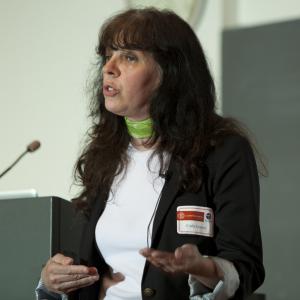
Dr. Chelsey Holden is an Associate Professor of Child and Family Sciences at the School of Child and Family Sciences, University of Southern Mississippi. She holds licenses as a Licensed Marriage and Family Therapist (LMFT) and Licensed Professional Counselor (LPC), with certifications in Telemental Health and National Certification as a Counselor. Her academic journey includes a Ph.D. in Counselor Education (2017) from Mississippi State University, an MS in Marriage and Family Therapy (2013) from the University of Southern Mississippi, and a BS in Human Environmental Sciences (2011) from Troy University. Dr. Holden's research focuses on wellness for helping professionals, college students, and romantic couples, with emphasis on financial wellness, mental-physical health connections, and digital training methods. Her recent work explores imposter syndrome, perfectionism, and telehealth advancements, reflecting interdisciplinary interests in psychology, family systems, and technology. Her publications span journals like Contemporary Family Therapy and Journal of College Student Retention, addressing burnout, resilience, and behavioral dynamics in therapeutic and familial contexts. She teaches courses in counseling ethics, family theories, and marriage therapy, while maintaining affiliations with professional bodies such as the Mississippi Association for Marriage and Family Therapy.
Marcella D Ridgway serves as Clinical Professor and Assistant Head for Curriculum and Instruction in the Department of Veterinary Clinical Medicine at the University of Illinois College of Veterinary Medicine, with additional affiliation at the Veterinary Teaching Hospital. Her research expertise spans: Veterinary diagnostics with emphasis on canine health Serum and Untargeted Metabolomics techniques Clinical presentations of metabolic disorders Breed-specific medicine for working dogs Exocrine Pancreatic Insufficiency diagnostics Dr. Ridgway's scholarly work demonstrates consistent innovation in applying metabolomics to veterinary clinical problems. Her recent publications reveal a strategic focus on understanding serum metabolite profiles across different species and conditions, with particular attention to pre-analytical variables that impact diagnostic accuracy. The research trajectory shows increasing specialization in working dog medicine, with comprehensive reviews covering herding and hunting breeds alongside metabolic health assessment. With 22 total research outputs including 18 articles, 3 review articles, and 1 book chapter, her work appears in respected journals including PLOS ONE and Animals, with international collaboration networks extending across multiple research territories.
Carla P. Gomes is a Professor of Computer Science at Cornell University with joint appointments in the Department of Computer Science and the Dyson School of Applied Economics and Management. She holds a PhD in computer science from the University of Edinburgh and an M.Sc. in applied mathematics from the University of Lisbon. Her research focuses on artificial intelligence, constraint reasoning, optimization, and computational sustainability. As Director of the Institute for Computational Sustainability (ICS) and co-director of the Cornell University AI for Science Institute, she leads efforts to integrate AI with sustainability challenges. Her research themes include the integration of constraint reasoning, machine learning, and operations research to solve large-scale problems. She pioneered the field of Computational Sustainability, addressing environmental, economic, and societal challenges through AI. Gomes directed two NSF Expeditions in Computing awards and established CompSustNet, a large-scale sustainability research network. Key awards include the 2021 ACM–AAAI Allen Newell Award, AAAI Feigenbaum Prize, and fellowships from AAAI, ACM, and AAAS. Her work spans over 200 publications, with contributions to AI, sustainability, and materials discovery. She advises numerous PhD students and oversees postdocs in AI, sustainability, and interdisciplinary projects. Gomes' lab focuses on AI for scientific discovery, including autonomous materials synthesis and crystal-structure phase mapping. She collaborates with institutions like JCAP and the Materials Project, advancing AI-driven solutions for energy and environmental challenges. Current projects include Schmidt AI in Science postdoc initiatives and AI-driven materials discovery platforms like DRNets and SARA.
Santiago F. González is a Group Leader at the Institute for Research in Biomedicine (IRB) in Bellinzona, Switzerland, and an extraordinary professor at the University of Italian Switzerland (USI). He earned dual PhDs in microbiology (University of Santiago de Compostela, Spain) and immunology (University of Copenhagen, Denmark), followed by postdoctoral work (2007–2011) at Harvard Medical School's Immune Disease Institute under Michael Carroll. PhD in Microbiology, University of Santiago de Compostela PhD in Immunology, University of Copenhagen His research focuses on immune system dynamics during respiratory viral infections, vaccination, and cancer metastasis. Key areas include influenza recognition , lymph node inflammation , and immune cell behavior in vivo. He pioneered studies on C-type lectin receptors (e.g., SIGN-R1) in viral immunity and epigenetic modulators for inflammation. Recent publications highlight his work in epigenetic drug development , nanovaccines , and computational tools for immune cell tracking. His group uses two-photon intravital microscopy and spatial-temporal modeling to dissect immune responses. Scientific awards include three EU Marie Curie Fellowships (2004–2013), enabling his transition to independent research. His collaborations span Harvard, USI, and European institutions, with grants from the EU and Swiss research bodies. His lab at IRB, established via the 2013 Marie Curie Career Integration Grant , develops novel imaging approaches and therapeutic strategies for infectious and immune-mediated diseases.