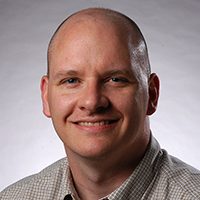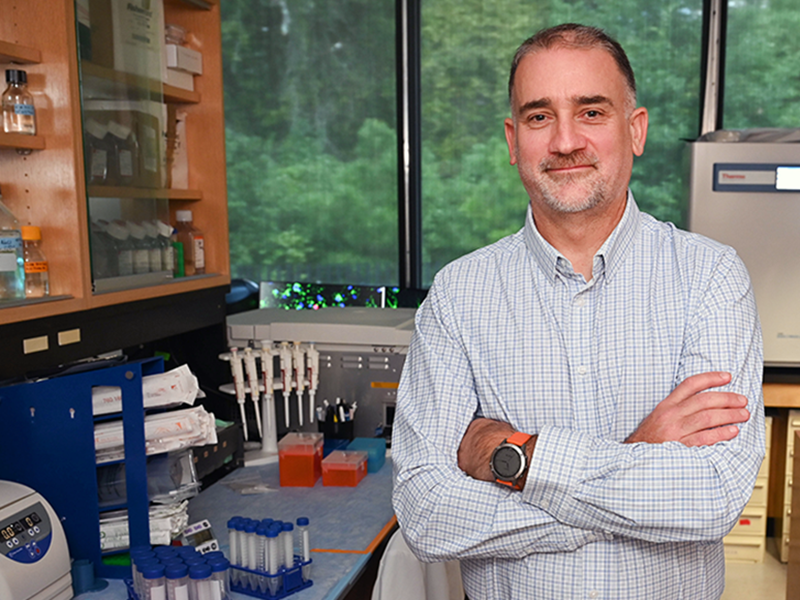
Dr. Paul T. Leisnham is a Professor and Chair in the Department of Environmental Science & Technology at the University of Maryland's College of Agriculture and Natural Resources (AGNR). His research focuses on socio-ecological systems, mosquito ecology, and watershed health, with an emphasis on invasive species management and public health implications. Leisnham holds a PhD from the University of Otago (2005), along with MSc and BSc degrees in Zoology from the same institution. His interdisciplinary work integrates ecology, public health, and policy to address challenges like vector-borne disease control and urban stormwater management. He collaborates with researchers, extension professionals, and community partners on federally funded projects (NSF, USDA, EPA, NOAA). Key research areas include mosquito invasion dynamics, watershed sustainability, and the socio-ecological drivers of disease risk in urban environments. Leisnham teaches courses on invasive species ecology, emerging environmental threats, and ecosystem health. He leads the Leisnham Lab, exploring intersections between human and environmental health through studies on urban mosquito populations and stormwater management practices. His work has been featured in outlets like Scientific American , CNN , and the NSF, highlighting findings on mosquito biodiversity in low-income urban areas and stormwater hydrocitizenship. Publications span mosquito genetics, urban greening inequities, and hydrosocial relationships in water management. He advises graduate students and mentors undergraduates, emphasizing fieldwork and participatory research methods. Recent grants include studies on BMP implementation and climate adaptation in Chesapeake Bay watersheds.