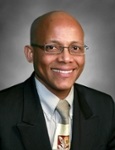
Dr Tanya Tierney serves as Assistant Dean, Clinical Communication at the Lee Kong Chian School of Medicine, Nanyang Technological University. She is a资深 medical educator specializing in patient-centered communication and simulation-based teaching methodologies. Previously, she held roles at Imperial College London, including Course Leader for Clinical Communication and Head of Year for Graduate Entry Medicine students. Her expertise includes simulated patient (SP) training, curriculum development, and student welfare initiatives. Dr Tierney holds a PhD in Neuroendocrinology from the National Institute for Medical Research (1998) and transitioned to medical education research in 2004. Her work focuses on simulation-based learning, ethnographic approaches to non-technical skills development, and stress management in healthcare settings. Key contributions include developing assessment tools like the Imperial Stress Assessment Tool (ISAT) and advancing hybrid simulation methodologies. Her research portfolio spans over two decades, with recent emphasis on empathy development in healthcare professionals, global perspectives on equity in medical education, and optimizing simulated participant programs. She has authored numerous studies on clinical communication, surgical training, and interprofessional collaboration.
Vanessa Nomellini, MD, PhD is an Associate Professor in the Division of Burn, Trauma, Acute and Critical Care Surgery at UT Southwestern Medical Center. She joined UT Southwestern in 2023 as the director of research for her division and leader in the Critical Care Outcomes Research Translation (CORT) group. Education: Dr. Nomellini earned her MD and PhD in Cellular and Molecular Biochemistry from Loyola University. She completed her general surgery residency at the University of Wisconsin and Surgical Critical Care fellowship at the University of Pennsylvania. Research Interests: Her work focuses on immune dysfunction in critically ill patients, particularly sepsis and trauma-induced immunosuppression. She leads studies on immune recovery mechanisms and develops the ICU Recovery Program for long-term patient management. Her NIH-funded research (R35 NIGMS) investigates immune suppression through both animal models and human observational studies. Publications Trends: Her recent work emphasizes sepsis pathophysiology, coagulopathy management, and clinical improvements in critical care. Key areas include immunomodulatory therapies, biomarker utility, and optimizing ICU protocols. Scientific Awards: Recipient of NIGMS R35 grant (2019-current) Advising & Grants: Leads a multi-institutional research team and holds leadership roles in CORT. Her grants focus on translational immunology and critical care outcomes. Labs & Teams: Directs research at UT Southwestern's Critical Care Division, collaborating with Drs. Levi and Carlson in CORT initiatives.
Timothy B. Curry, M.D., Ph.D., is a Professor of Anesthesiology and Assistant Professor of Physiology at Mayo Clinic, Rochester, Minnesota. He holds academic roles including Vice Chair for Clinical Practice in the Department of Anesthesiology and Perioperative Medicine, and leads initiatives in individualized medicine through the Center for Individualized Medicine. His research focuses on autonomic nervous system regulation of cardiovascular and metabolic functions, employing advanced techniques such as microneurography and glucose clamping. Key interests include perioperative outcomes, environmental physiology, and hyperbaric medicine. Education: B.A. in Molecular Biology & Biochemistry (Middlebury College) M.D./Ph.D. via Medical Scientist Training Program (SUNY Buffalo) Residency in Anesthesiology (Mayo Clinic) Research Interests: Dr. Curry’s work spans autonomic nervous system physiology, metabolic syndrome mechanisms, and perioperative glycemic control. He leads the Human Integrative Physiology and Clinical Pharmacology Laboratory and collaborates globally on microneurography studies. Recent projects include investigating cerebral oxygen metabolism under hypoxia and developing genomic medicine training programs (COGENT). Awards: Emerald Award for Excellence (2015) Mayo Excellence in Leadership Award (2009) Multiple research and teaching accolades Grants & Leadership: Co-director of Mayo’s Clinomics Program, Team Leader for Perioperative Glucose Management, and Chair of multiple committees overseeing clinical practice and research. Labs & Teams: Directs the Human Integrative Physiology Lab and collaborates with the Clinical Research Unit. Active in multidisciplinary teams addressing autonomic dysfunction and precision medicine.
James O'Malley is a Professor at The Dartmouth Institute for Health Policy and Clinical Practice and Professor of Biomedical Data Science at the Geisel School of Medicine, Dartmouth College. He holds the prestigious Peggy Y. Thomson Professorship in the Evaluative Clinical Sciences and serves as an Adjunct Professor of Computer Science, demonstrating his interdisciplinary expertise spanning statistics, healthcare policy, and computer science. Dr. O'Malley earned his B.Sc. (Hons) in Statistics from the University of Canterbury, New Zealand (1994), M.S. in Applied Statistics from Purdue University (1999), and Ph.D. in Statistics from the University of Canterbury (1999), followed by a Postdoctoral Fellowship in Biostatistics at Harvard Medical School (2001). His research spans statistical methodology and healthcare applications, with methodological contributions in statistical inference for social networks , multivariate hierarchical models , comparative effectiveness research , and Bayesian analysis . These methods address critical healthcare problems including health-social network relationships , healthcare quality measurement , medical technology diffusion , and comparative effectiveness in vascular surgery, cardiology, and mental health . His work bridges theoretical statistics with practical healthcare challenges through collaborations with physicians, epidemiologists, and health services researchers. Dr. O'Malley's recent publications reveal a strong emphasis on healthcare network analysis, comparative effectiveness research, and methodological innovations. His work examines physician networks and patient outcomes, evaluates surgical interventions, identifies healthcare disparities, and develops novel statistical approaches for complex healthcare data, with significant contributions appearing in high-impact journals across multiple disciplines. Mid-career Excellence award from the Health Policy Section of the ASA Elected fellow of the ASA (2012) ISPOR Award for Excellence in Methodology (2019) Peggy Y. Thomson Professorship (2021) 2025 Research Excellence Award for Senior Faculty in the Foundational Sciences As a dedicated mentor, Dr. O'Malley has supervised numerous post-doctoral fellows and PhD students across multiple programs. He currently leads major research initiatives including NIH/NLM R01LM014233 on Geographic Variations in Health Care, serves as PI for cores in NIH/NIA projects on healthcare inequity in Alzheimer's Disease and Rural Health Care Delivery Science, and contributes to multiple substantial grants totaling millions of dollars. He previously chaired the Health Policy Statistics Section of the ASA and co-chaired the 2011 International Conference on Health Policy Statistics. Dr. O'Malley co-organized the Dartmouth Interdisciplinary Network Research (DINR) seminar series (2014-2020) and serves as an Associate Editor for Statistics in Medicine and Observational Studies, demonstrating his commitment to advancing methodological research and fostering interdisciplinary collaboration in health services research.
Maria Pau Ginebra Molins is a Professor in the Department of Materials Science and Engineering at the Barcelona East School of Engineering (EEBE), Polytechnic University of Catalonia (UPC). She leads the BBT Research Group focused on Biomaterials, Biomechanics and Tissue Engineering and is affiliated with the Institute of Research and Innovation in Health. Her educational background, while not explicitly detailed in the provided text, reflects extensive expertise in materials science with a specialization in biomaterials, evidenced by her substantial research portfolio spanning over three decades. Professor Ginebra Molins' research spans biomaterials development, bone tissue engineering, and advanced manufacturing techniques. Her work focuses on calcium phosphate-based materials, 3D printing technologies for bone scaffolds, hydrogel systems, and surface modifications of biomaterials to enhance biological responses. She has pioneered approaches in vat photopolymerization, direct ink writing, and the development of stimuli-responsive biomaterials. Analysis of her recent publications (2024-2025) reveals a strong emphasis on translational research with clinical applications. Her work bridges fundamental materials science with practical medical solutions, particularly in bone regeneration, dental implants, and antimicrobial biomaterials. The publications demonstrate expertise in advanced characterization techniques, including spectroscopy and nanoindentation for biomaterial evaluation. Multiple competitive R&D projects including CEX2023-001300-M Maria Maetzu Centre Ciència i Enginyeria Multiescala 17 documented awards and recognitions Leadership in the Inspiring the next generation of innovators project Patents related to 3D-printed bone grafts Professor Ginebra Molins actively supervises doctoral students, with Johansson, L. completing a thesis on 3D-printed biomimetic bone grafts. Her research group (BBT) collaborates extensively with industry and clinical partners to translate laboratory findings into medical applications. She participates in numerous competitive research projects funded by national and European programs, demonstrating the high impact and relevance of her work in the biomaterials field.
Dr. Sarah Jones is an Associate Professor in Thrombosis and Haemostasis at Manchester Metropolitan University, serving as Deputy Director of Research for the Department of Life Sciences. She leads the Thrombosis Group and holds an honorary Reader position at the University of Manchester. Academic Affiliation: Manchester Metropolitan University Secondary Appointment: University of Manchester (Honorary Reader) Over 20 years, Dr. Jones has pioneered research on platelet signaling pathways and their role in thrombosis. Her current work focuses on platelet-endothelial crosstalk in disease states, with emphasis on in vitro thrombosis modeling to replace animal testing. This research, funded by BBSRC, NC3Rs, and BHF, addresses cardiovascular disease mechanisms and translational antithrombotic testing. Her scientific publications demonstrate expertise in platelet biology (Pim kinase signaling, SIRT1 regulation, proteoglycan interactions) and thrombosis modeling. Recent work includes placental perfusion studies for pregnancy-related cardiovascular complications. Grants & Projects: UKRI (NC3Rs) Partnership and Impact Award (2025-2026) UKRI BBSRC/NC3Rs grant for human haemostasis models (2023-2025) British Heart Foundation collaborations (2021-2025) Dr. Jones supervises PhD students (Mishaal Reyman, Poppy White, etc.) and teaches on Biomedical Science, Cellular Science, and Clinical Haematology programs. She has developed innovative endothelialised in-vitro thrombosis models that reduce animal usage in cardiovascular research.
Roger Tam is an Associate Professor in the School of Biomedical Engineering (SBME) at the University of British Columbia (UBC), with a joint appointment in the Department of Radiology. He is also the Associate Director of Graduate Studies. His research focuses on machine learning and computer vision applied to medical imaging, particularly in personalized medicine and quantitative image analysis. Tam earned his PhD in computer science from UBC in 2004, specializing in computational geometry and visualization. Education: PhD in Computer Science, UBC (2004) MSc in Computer Science BSc (Honors) Research Interests: Medical imaging biomarkers Machine learning applications in healthcare Quantitative image analysis Personalized medicine His work bridges computer science and clinical medicine, emphasizing translational approaches to improve diagnostic accuracy and patient outcomes. Recent Research Trends: Focus on myelin content analysis in neurological disorders (e.g., multiple sclerosis) Development of efficient machine learning models for medical image classification Impact of physical activity on white matter health Labs & Programs: Directs the Engineers in Scrubs program, which integrates engineering principles into biomedical education. Active in collaborative research initiatives like the Centre for Brain Health and the Canadian Prospective Cohort Study (CanProCo).
Jozien Goense is an Associate Professor at the University of Illinois at Urbana-Champaign (UIUC), holding joint appointments in the Department of Psychology and Department of Bioengineering. She is also affiliated with the Beckman Institute for Advanced Science and Technology and the Neuroscience Program. Her primary research focuses on biomedical imaging, particularly functional MRI (fMRI) and its applications in understanding neurovascular coupling and cortical layer-specific activity. She is recognized for contributions to high-resolution fMRI methodology and laminar imaging techniques. Her work integrates advanced MRI techniques with neurophysiological studies, often using non-human primate models to validate findings in human studies. She has pioneered layer-specific fMRI approaches to map activity across cortical layers, particularly in the motor and visual cortices. Her expertise includes ultra-high field MRI (7T+), BOLD signal modeling, and software development for neuroimaging analysis (e.g., LayNII). Key research themes include the physiological basis of BOLD responses, neurovascular coupling mechanisms, and the application of laminar fMRI to study brain function in health and disease. She has collaborated extensively with neuroscientists, engineers, and clinicians to advance imaging technologies and their translational potential. Publications highlight her contributions to understanding dopamine and acetylcholine effects on neurovascular responses, resting-state gamma-band abnormalities in schizophrenia, and the development of high-resolution imaging protocols. Her work bridges basic science and clinical applications, including studies on vascular contributions to dementia and neuropharmacology. She has received the Beckman Seed Grant as part of a Bioengineering Faculty team, supporting innovative research initiatives. Her lab employs cutting-edge imaging tools and multidisciplinary approaches to unravel brain function at cellular and systems levels.
James Lacefield is a Professor in both the Department of Electrical and Computer Engineering and the Department of Medical Biophysics at Western University. He serves as Director of the School of Biomedical Engineering and maintains his research laboratory in the Amit Chakma Engineering Building. His academic appointments span multiple disciplines, reflecting the interdisciplinary nature of his work in biomedical ultrasound imaging. Dr. Lacefield earned his Ph.D. and B.S.E. in Biomedical Engineering from Duke University. His educational background established the foundation for his current research program that bridges engineering principles with medical applications. His research focuses on the physical acoustics and signal processing aspects of ultrasound imaging, with particular emphasis on quantitative vascular imaging applications. Dr. Lacefield's laboratory develops novel methods for color Doppler, power Doppler, and contrast-enhanced ultrasound imaging, with primary applications in cancer research. Current projects include optimization of high-resolution ultrasound systems for tumor vascular characterization and development of methods to quantify spatial blood flow distribution in tumors. Analysis of his recent publications reveals a strong focus on quantitative ultrasound techniques for cancer applications, with particular attention to tumor perfusion assessment using contrast-enhanced ultrasound. His work demonstrates increasing sophistication in speckle analysis methods to improve the reliability of perfusion measurements in preclinical tumor models. Associate Editor, IEEE Transactions on Ultrasonics, Ferroelectrics, and Frequency Control Member, Council of Chairs of Bioengineering and Biomedical Engineering Member, College of Reviewers, Canadian Institutes of Health Research Dr. Lacefield maintains active collaborations with multiple research groups including the Imaging Research Laboratories at Robarts Research Institute. His professional activities include editorial work for major ultrasound journals and participation in national review panels for biomedical research funding.
Jacob Young, MD, is an Assistant Professor in the Department of Neurological Surgery at the University of California, San Francisco (UCSF) School of Medicine and a Principal Investigator in the UCSF Brain Tumor Center. His clinical practice focuses on neurosurgical management of adult brain tumors including gliomas, metastatic tumors, and meningiomas, utilizing advanced brain mapping techniques to preserve critical motor, language, and sensory functions during resection. Dr. Young's educational background includes a BS in Neuroscience from Duke University (2012), an MD from the University of Chicago Pritzker School of Medicine where he was elected to Alpha Omega Alpha Honor Medical Society (2017), and a neurosurgery residency at UCSF (2017-2024). His research program integrates laboratory investigations with clinical trials to address fundamental challenges in brain tumor treatment. His primary research interests center on understanding glioblastoma immune microenvironment dynamics and developing innovative therapeutic strategies. Key focus areas include: First-in-human clinical trials of novel immunotherapies Focused ultrasound-mediated blood-brain barrier disruption to enhance drug delivery Longitudinal molecular profiling of tumor evolution during treatment AI-driven tools for patient care navigation and clinical trial assessment Prospective outcomes research through the RANO resect group and NeuroPoint Alliance His work bridges fundamental tumor biology with translational applications to overcome treatment resistance. Analysis of Dr. Young's 15 most recent publications (2023-2025) reveals a strong emphasis on surgical innovation, tumor immunology, and molecular characterization. Key trends include: development of prognostic classification systems for resection extent, investigation of glioma-neuronal circuit interactions driving immunosuppression, and optimization of drug delivery strategies. His collaborative work within the RANO consortium establishes evidence-based surgical guidelines while his lab's focus on microenvironmental factors informs next-generation immunotherapies. Dr. Young has received significant recognition including: Chan-Zuckerberg Physician Scientist Fellowship (2021-2022) ASCO Young Investigator Award (2022-2023) Andrew J. Lockhart Focused Ultrasound Fellowship (2023) Multiple Harold Rosegay Teaching Awards from UCSF Howard Naffziger Award for Clinical Excellence His research is supported by NIH, NCI, Focused Ultrasound Foundation, and AANS grants. As lab director, Dr. Young mentors a diverse team including PhD candidates like Edward Valenzuela (DSCB program) and specialists in immunology and neuro-oncology. His lab participates in the RANO resect group, ENCRAM research program, and NeuroPoint Alliance to advance clinical protocols. Current projects include developing intraoperative focused ultrasound prototypes, single-cell analysis of tumor evolution, and AI tools for patient navigation through care pathways. Future work focuses on translating microenvironment discoveries into combination therapies targeting treatment resistance mechanisms.
Dr. Soo J. Rhee is a Clinical Assistant Professor of Surgery in the Department of Surgery at Weill Cornell Medical College, Cornell University, and an Assistant Attending Surgeon in the Division of Vascular and Endovascular Surgery at NewYork-Presbyterian/Weill Cornell Medical Center. Board-certified in vascular and general surgery, she co-directs the Comprehensive Vein Program specializing in venous disorder treatments. Her educational background includes: B.A. from Princeton University (1996), graduating cum laude M.D. from New York University School of Medicine (2000) Dr. Rhee's research focuses on vascular interventions with expertise in minimally invasive varicose vein treatments (endovenous laser, radiofrequency, mechanochemical ablation) and spider vein sclerotherapy. She clinically manages deep vein thrombosis, venous ulcers, and pelvic vein disorders through the Comprehensive Vein Program. Her publication record emphasizes gender-specific outcomes in peripheral artery disease, carotid stenting safety profiles, and lesion complexity impacts on intervention success, demonstrating consistent contributions to evidence-based vascular surgery practices. Key recognitions include: W.L Gore research grant for basic science (2007) Third Prize at Montefiore Young Investigators' Symposium (2003) Third Prize in Resident Presentation Forum at New York Society of Colon and Rectal Surgeons (2003) Cum Laude Honors from Princeton University (1996) As co-director of the Comprehensive Vein Program, Dr. Rhee leads clinical innovation in venous disorder management while maintaining active surgical practice and research. Her work bridges translational research with direct patient care in vascular medicine. The Comprehensive Vein Program under her co-direction integrates advanced imaging and minimally invasive techniques to treat complex venous conditions from varicose veins to chronic venous insufficiency, serving as a regional referral center for venous disorders.
Fabio Zanini is an Associate Professor at the University of New South Wales (UNSW) , leading a research group focused on computational biology , single-cell approaches , and transcriptomic analysis across diseases like severe dengue , neonatal lung disease , cancer , and marine biology . He previously conducted postdoctoral research at Stanford University (2016-2019) and earned a PhD in Bioinformatics from the Max Planck Institute for Developmental Biology and the University of Tuebingen (2015). Current Affiliation: Group leader, UNSW Previous Training: Postdoc (Stanford), PhD (Max Planck/University of Tuebingen) His research spans single-cell RNA sequencing , computational virology , developmental cell biology , and bioinformatics tool development , with recent work on: Severe dengue progression (viral-host interactions, immune signatures) Lung development (endothelial cell diversity, hyperoxia-induced injury) Cancer genomics (mutant HSC clones, AZA therapy response) Marine biology (plankton transcriptomics, evolutionary analysis) Bioinformatics (HTSeq 2.0, northstar algorithm) Recent scientific awards include grants from the Chan Zuckerberg Initiative ($270,000), NIH R01 (multiple), ARC Discovery Grant , and NHMRC Ideas Grant . Notable contributions include: Northstar - Cell classification algorithm SpectralSeq - Hyperspectral-transcriptomic integration Tabula Muris - Mouse aging atlas He has supervised research into hematopoietic stem cell regulation , lung vascular development , and autophagy in viral infections , with collaborations across Stanford , University of Sydney , and Harvard .
William Mayhan is a Professor in Biomedical Sciences at the University of South Dakota . His research focuses on cerebral microcirculation and vascular biology , particularly examining endothelial cell function in disease states like diabetes and alcohol consumption. Education: PhD in Biomedical Sciences, University of Nebraska Medical Center (1983) Post-Doctoral Fellowship, University of Iowa (1985) BS in Biology, Creighton University (1977) His work investigates blood-brain barrier permeability and cerebral vasculature responses to hypertension, diabetes, and alcohol. Key findings include mechanisms of nitric oxide synthase (NOS) dysfunction and oxidative stress in diabetic and alcoholic models. Recent publications analyze prenatal alcohol exposure effects on cerebral arterioles and CB2 receptor agonists for vascular protection in diabetes. His studies span in vivo models, potassium channel dynamics , and inflammatory mediators in stroke pathogenesis.
Dr. Kibret Mequanint is a full Professor at Western University's Department of Chemical and Biochemical Engineering, with cross-appointments in Biomedical Engineering. Holding a PhD from University of Stellenbosch and postdoctoral experience at Technical University of Darmstadt and McMaster University, his research bridges polymer science, materials engineering, and life sciences with applications in Biomaterials , Tissue Engineering , and Regenerative Medicine . His work spans both fundamental and translational research in cell-material interactions , polymer biomaterial design , and therapeutic radiation dosimeters , with technologies transferred to commercial applications. Leading scholar and educator with awards from NSERC, CIHR, and Western University Fellow of: American Institute for Medical and Biological Engineering (AIMBE), Ethiopian Academy of Sciences, International Union of Societies for Biomaterials Science and Engineering, Canadian Academy of Engineering Extensive editorial and panel service for NSERC, CIHR, and international journals His research program has produced over 170 refereed publications, focusing on conductive hydrogels , bioadhesives , and vascular tissue engineering . Recent work on endoscopy-deliverable bioadhesives and snake venom-derived hemostatic gels has attracted global media attention. He has served in leadership roles at the Canadian Biomaterials Society and university governance bodies including Senate and Board of Governors.
Alex V. Levin, M.D., M.H.Sc., serves as Professor in the Department of Ophthalmology at the University of Rochester School of Medicine and Dentistry, holding the Adeline Lutz - Steven S.T. Ching, M.D. Distinguished Professorship. He concurrently holds joint appointments in the Center for Visual Science and the Department of Pediatrics, Genetics. As Chief of the Flaum Eye Institute's Pediatric Ophthalmology and Ocular Genetics team and Chief of Clinical Genetics at URMC, he leads cross-functional teams comprising ophthalmologists, optometrists, pediatric specialists, geneticists, nurses, and genetic counselors. Medical Degree: Jefferson Medical College Residency: Pediatrics at Children's Hospital of Philadelphia Residency: Ophthalmology at Wills Eye Hospital Fellowship: Pediatric Ophthalmology and Strabismus at Toronto's Hospital for Sick Children Masters of Health Science in Bioethics: University of Toronto (2001) Dr. Levin's research spans ocular genetics and gene therapy, children's vision screening, pediatric glaucoma/cataract/uveitis, ocular manifestations of child abuse, and bioethics. His work integrates clinical expertise in pediatric anterior segment eye conditions with scientific investigation into genetic eye diseases. He maintains the only simultaneous US Board Certifications in pediatrics, ophthalmology, and child abuse pediatrics worldwide. Analysis of his 15 most recent publications reveals predominant focus on genetic eye disorders (73%), with significant emphasis on retinal hemorrhage patterns in trauma (13%) and pediatric glaucoma (7%). His research demonstrates consistent translational application from basic science to clinical practice, particularly in ocular genetics and abusive head trauma diagnostics. Resident Guardian Award (2022) Edward A. Jaeger and John B. Jeffers Citizenship Award (2020) Albert Marquis Lifetime Achievement Award (2018) Al Biglan Medal in Pediatric Ophthalmology (2014) Ray E. Helfer Society Award for Child Abuse Research (2011) With over 35 years of experience and hundreds of peer-reviewed publications, Dr. Levin has secured funding from the National Institutes of Health, Canadian Institute of Health, and private foundations. His research portfolio demonstrates exceptional continuity in pediatric ophthalmology and ocular genetics, with recent emphasis on deep learning applications for retinal hemorrhage analysis and international registry development for childhood glaucoma. He has established comprehensive vision screening programs for underserved urban populations and pioneered ethical frameworks for genetic testing in pediatric ophthalmology. Dr. Levin directs the Ocular Genetics Program at URMC, which provides multidisciplinary care through the Pediatric Ophthalmology and Ocular Genetics team. His laboratory investigations focus on nascent chromatin structure in fibrosis and protein modeling for inherited retinal diseases, with active collaborations across the Montalcino Aortic Consortium and Sturge-Weber Foundation research networks.