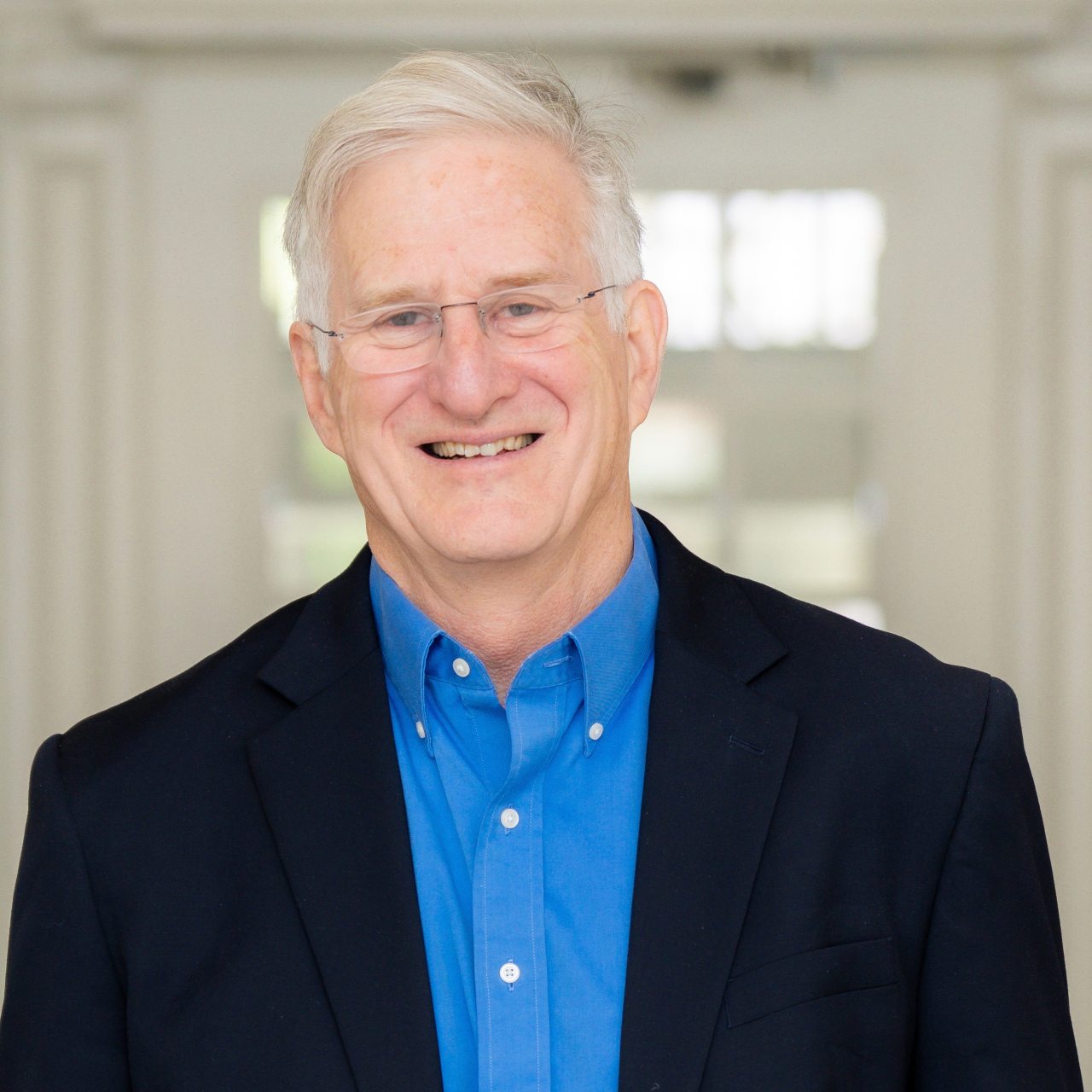
Lori E. Seward serves as a Teaching Professor and Faculty Director of MBA Programs at the Leeds School of Business, University of Colorado Boulder. She has been a valued member of the faculty since 1998, bringing both academic expertise and industry experience to her roles in the Strategy, Entrepreneurship and Operations department. Education: Bachelor of Science in Industrial Engineering, Virginia Tech Master of Science in Industrial Engineering, Virginia Tech Ph.D., Virginia Tech Before joining academia, Dr. Seward worked as a reliability and quality engineer in the paper and automotive industries, providing practical experience that informs her teaching approach. Her research and teaching interests focus on developing technology-enhanced pedagogy to create collaborative learning environments in statistics education. She has authored the widely used textbook Applied Statistics in Business and Economics , now in its fourth edition, which has become a standard resource in business statistics courses. Dr. Seward has published scholarly work across multiple disciplines, with publications ranging from manufacturing systems to statistics education. Her research demonstrates a consistent focus on practical applications of statistical methods in business contexts and innovative approaches to teaching quantitative subjects. As an academic leader, she has coordinated the undergraduate core business statistics course and currently teaches the core MBA statistics course. She also oversees the undergraduate program in Operations Management and served as chair of the INFORMS Teachers' Workshop for the 2004 annual meeting.
Daniel Meißner is a researcher at the Chair of Mathematics XII at Ruhr University Bochum. His work bridges mathematical physics and educational technology, with a focus on digital learning tools for higher mathematics instruction. Pioneered digital mathematics tasks using the STACK system Developed interactive web applications with JSXGraph Conducted research on Gibbs measures in statistical mechanics In educational research, he has led projects like DigStat and STACKrate to create open educational resources (OER) for stochastics and engineering mathematics. His publications reflect dual expertise in probability theory and pedagogical technology development. He teaches "Higher Mathematics C" courses for engineering students and contributes to the Bernoulli-IMS World Congress in probability and statistics.
Odile DE SURREL DE SAINT JULIEN is an Associate Professor at KEDGE Business School , specializing in Strategy, Sustainable Development, and Entrepreneurship . With a doctoral degree in Management Sciences and graduate degrees from SKEMA Business School and Esa-Grenoble, she brings extensive academic credentials to her role. Her career spans founding a biotechnology research lab in South Africa, creating incubators like Silicon Africa, and supporting startups in India and Mozambique. She co-leads the KEDGE Health & Innovation Center of Expertise and serves as the PEPITE National Status educational referent for student-entrepreneurs in Toulon. Education : Doctorate in Management Sciences, Research Master (Esa-Grenoble), PGE SKEMA Business School. Professional Experience : CEO of South African biotech lab, founder of Silicon Africa incubators, and creator of innovation support programs globally. Research Interests focus on innovation ecosystems in life sciences , high-tech transfer , and entrepreneurial support systems . Her work bridges academic theory with practical applications in digital entrepreneurship, biotechnology, and sustainable development. Recent Publications highlight trends in digital business models for BoP entrepreneurs , corporate knowledge systems , and design-driven innovation . These span case studies, academic chapters, and books published with institutions like CCMP, Edward Elgar Publishing, and World Scientific. Leadership Roles : Active in entrepreneurial project evaluation committees (COPIL PEPITE Paca-Est), and instrumental in creating incubation centers in Singapore and India.
Anastasia Pantazopoulou is a Visiting Assistant Professor of Classics at Carleton College since 2023. She teaches courses including Greek Drama in Performance, Ancient World in Popular Culture, and Elementary Greek. Her work bridges classical scholarship with contemporary social issues through digital humanities approaches. Her educational background includes: PhD from University of Florida MA from Aristotle University of Thessaloniki BA from Aristotle University of Thessaloniki Pantazopoulou is a classical philologist whose research centers on classical Athenian drama, classical reception, and digital humanities, with specific focus on identity performance, otherness, and inclusivity in fifth-century BCE Athens and contemporary North America. She aims to communicate academic work with audiences both inside and outside academia to create spaces for social change. Her current research project focuses on creating an interactive open-access resource mapping the multicultural reception of Euripides' Medea on the modern theatrical stage. Her scholarly output reveals a consistent thematic thread examining how marginalized identities navigate social constraints across time. She frequently analyzes how classical texts like Euripides' works resonate in contemporary contexts from The Hunger Games to Gone Girl, emphasizing spatial dynamics and the concept of the 'stage' as a site for identity formation and social commentary. Her work demonstrates how ancient narratives continue to inform modern discussions of justice, gender, and cultural identity. As a dedicated educator, Pantazopoulou serves as a mentor for Mellon Mays Undergraduate Fellows at Carleton College. She has developed innovative outreach programs to introduce school-age children to Classics, emphasizing the practical skills and civic values taught through humanities education. She is actively involved in creating sustainable initiatives through collaboration with graduate students, faculty, and administrators. Pantazopoulou contributes to multiple scholarly communities as a Steering Committee Member of Theater in Greece and Rome, Source Database Committee Member of Antiquity in Media Studies, and member of professional organizations including the Society for Classical Studies, The Women's Classical Caucus, Pacific Ancient and Modern Language Association, and Classical Association of Minnesota.
Patrice Farand is a Lecturer in the Department of Chemical Engineering at Polytechnique Montréal, where he also serves as the Director of the Chair of Innovation in Active Learning Pedagogical Methods for Engineering (IMPACTᴳ). He holds a Bachelor of Engineering from Polytechnique Montréal and a Master of Education from the University of Montreal. His academic focus centers on engineering education innovation, particularly in active learning pedagogies and curriculum development. Dr. Farand's research explores: Development and assessment of active learning methodologies Concept inventories for curriculum evaluation Teacher-student relationship measurement tools Digital platforms for pedagogical innovation Engineering education during disruptive events (e.g., COVID-19) Integration of oral assessment in technical education His publications demonstrate a consistent focus on pedagogical innovation in engineering education, with recent works emphasizing assessment methodologies, flipped classroom effectiveness, and technological integration in teaching. The research employs both quantitative analysis of learning outcomes and qualitative examination of educational dynamics. Awards and Honors: Teaching Excellence Award from Polytechnique Montréal (2018) As Director of the IMPACTᴳ Chair, Dr. Farand leads initiatives to develop and implement innovative teaching methods across engineering disciplines. His work includes creating digital tools like Polyfolio for skills monitoring and developing platforms aggregating active learning strategies.
Richard Weissbourd is a Senior Lecturer on Education at the Harvard Graduate School of Education, where he focuses on moral development, vulnerability and resilience in childhood, parenting, and effective schools and services for children. He directs the Making Caring Common Project, a national effort to prioritize moral and social development in child-raising, and leads the Turning the Tide initiative that has engaged over 300 college admissions offices to reform the college admissions process. His work spans research, policy, and practical interventions aimed at improving children's well-being and educational outcomes. Dr. Weissbourd received his Ed.D. from Harvard University in 1987. His academic journey has focused on understanding and addressing the complex challenges facing children and youth in America's educational and social systems. Dr. Weissbourd's research interests center on moral, civic, and ethical education, with particular emphasis on how to cultivate caring, ethical, and socially responsible young people. His work explores vulnerability and resilience in childhood development, examining how family dynamics, school environments, and community contexts shape children's emotional and moral growth. He investigates how parenting practices can either support or undermine children's moral development, challenging conventional wisdom about achievement culture and its effects on youth well-being. His research also addresses educational inequality, college access, and mental health challenges among adolescents, with recent work focusing on loneliness and social connection in the post-pandemic era. His recent publications demonstrate a consistent focus on moral development, social-emotional learning, and educational reform. Across his body of work, Weissbourd emphasizes the importance of cultivating empathy, ethical reasoning, and social responsibility in young people. His research spans practical parenting guidance, school-based interventions, and systemic reforms in college admissions. A recurring theme is how to balance achievement expectations with moral development, addressing how excessive pressure for success can undermine children's emotional health and ethical growth. His work increasingly addresses contemporary challenges like pandemic-related social isolation, political polarization, and the crisis in youth mental health. Dr. Weissbourd has received significant recognition for his contributions to education and child development: Runner Up, National Awards for Education Reporting 2012 for "Promoting Moral Development in Schools" Awarded One of Top 10 Education Books of All Time by American School Board Journal for "The Vulnerable Child" Best Editorial Award from Association of Educational Publishers for "The 'Quiet' Troubles of Low Income Children" Book "The Parents We Mean to Be" selected by New Yorker reviewers as one of the top 24 nonfiction books of 2009 As director of the Making Caring Common Project, Weissbourd has secured significant funding from organizations including the Entertainment Industry Foundation, Einhorn Collaborative, Rockefeller Philanthropy Advisors, and the Walton Family Foundation. His current sponsored projects focus on addressing youth mental health crises, cultivating moral development on college campuses, and expanding the Choose Kindness Project to reach underserved communities. These initiatives reflect his commitment to translating research into practical resources for educators, parents, and policymakers. Dr. Weissbourd founded several impactful interventions including ReadBoston and WriteBoston, city-wide literacy initiatives led by Mayor Menino, and co-founded the Lee Academy, a pilot school in Boston serving children from age 3. Through Making Caring Common, he has established a robust research and practice framework for promoting caring and ethical development in schools and communities, creating resources that have been adopted by educational institutions nationwide.
Hale Ann Tufan is an Associate Professor at Cornell University's School of Integrative Plant Science, Plant Breeding and Genetics Section. She leads the Equitable Agricultural Research (EQUAL) Lab and serves as Associate Director for the Feed the Future Innovation Lab for Crop Improvement, while co-leading the Gender Responsive Researchers Equipped for Agricultural Transformation (GREAT) project and the Muhogo Bora cassava initiative in Tanzania. 2019 Norman Borlaug Field Award 2024 Kathy Druckman Berggren Diversity and Inclusion Award 2023 Einhorn Center Engaged Learning Fellowship 2023 PCCW Affinito Stewart Award Her research focuses on integrating gender equality into agricultural systems through three key areas: developing frameworks for inclusive crop improvement, creating participatory research tools that bridge plant breeding with gender analysis, and examining intrahousehold dynamics in seed systems. Recent publications demonstrate her work in participatory breeding programs, intersectional gender analysis, and data-driven approaches to address smallholder farmers' heterogeneous needs. Her educational background includes a PhD in Biology (John Innes Centre, UK), MSc in Molecular Biology and Genetics (Bogazici University), BSc in Biochemistry with Chemistry minor (Colorado State University), and a Certificate in Africa and International Development (University of Edinburgh). She actively contributes to university governance through multiple diversity and inclusion committees and serves as Faculty Fellow at Clara Dickson Hall. 2024-25: Cornell-led $4.8M cassava seed system expansion in Tanzania 2023-24: CTI workshop series on teaching innovation 2022-2023: Leadership in NextGen Cassava and RTB Breeding projects
Ali Gordon serves as a Lecturer in the Nursing Department within the Rueckert-Hartman College for Health Professions at Regis University. She implements a student-centered teaching philosophy focused on creating safe, supportive, and respectful learning environments to prepare nurses for excellence in patient care while emphasizing self-care and community care practices to prevent burnout. Her professional work centers on nursing education methodologies integrating Jesuit principles including Cura Personalis (holistic care for the whole person) and Magis (pursuit of excellence). Gordon actively applies these values in classroom instruction, student mentorship, and community service through her faculty advisor role for the Student Nurses Association, aiming to transform healthcare through reflective practice and compassionate professional development. No scientific awards were documented in the available information. Gordon provides academic guidance as faculty advisor to the Student Nurses Association, fostering student leadership and professional engagement in nursing practice. Her approach combines contemplative learning with actionable healthcare strategies to cultivate resilient nursing professionals committed to ethical patient care and systemic improvement.
Giuseppe Ugazio is an Edmond de Rothschild Chaired Associate Professor at the Geneva Finance Research Institute (GFRI) within the Geneva School of Economics and Management (GSEM) at the University of Geneva. He directs the Behavioral Philanthropy Lab, which investigates social decision-making with a specific focus on philanthropic behavior from a multidisciplinary perspective. His work integrates methods from behavioral economics and finance, cognitive psychology and neuroscience, and artificial intelligence and big-data to understand the neuro-psychological mechanisms driving human social behaviors. Dr. Ugazio holds two Doctorates from the University of Zurich: Ph.D. in Philosophy Ph.D. in Neuroeconomics His research focuses on understanding how affective, cognitive, and behavioral control mechanisms compete and interact to drive choices related to philanthropy. He is developing AI approaches to disclose motivations for engaging in prosocial endeavors, with special attention to the role of emotions and moral values. His work spans neuro-finance, moral philosophy, and behavioral science, examining how moral and financial values interact in the brain to influence decision-making. Recent research includes virtual reality applications for fundraising and mapping the Swiss philanthropic landscape through big-data analytics. Dr. Ugazio's publications appear in prestigious journals including Proceedings of the National Academy of Sciences, Science, and Social Cognitive and Affective Neuroscience. His 2017 work on using brain stimulation to increase honesty received significant international attention. As director of the Behavioral Philanthropy Lab, Ugazio supervises multiple PhD candidates across neuroscience, economics, and international relations. The lab investigates how grant programs impact charitable giving, develops virtual reality tools for fundraising, and creates natural language processing algorithms to map philanthropic landscapes. The interdisciplinary approach draws methods from consumer behavior, behavioral finance, and cognitive psychology to understand human decision-making in philanthropic contexts.
Prof. Dr. Pınar GÖKTAŞ serves as a Professor in the Department of Human Resources Management at Suleyman Demirel University's Faculty of Economics and Administrative Sciences. With over 15 years of academic experience, she specializes in the intersection of digital transformation, entrepreneurship, and human resources management, particularly focusing on generational dynamics and emerging technologies like the Metaverse. Her educational journey includes: Associate Degree in Public Relations from Anadolu University (2006) Licence in Business Administration from Dokuz Eylul University (2006) Master's Degree in Total Quality Management from Suleyman Demirel University (2010) Doctorate in Business Administration from Suleyman Demirel University (2015) Her research focuses on Leadership, Communication, Generation Y/Z dynamics, Human Resources Management, and Digital Entrepreneurship . She examines how technological advancements reshape workplace structures, leadership approaches, and educational methodologies, with particular emphasis on Metaverse applications and generational value systems. Her methodological expertise lies in qualitative research examining real-world business and educational challenges. Analysis of her 15 most recent publications reveals a strong trajectory toward digital entrepreneurship ecosystems, Metaverse business applications, and generational leadership studies. Her work consistently bridges theoretical frameworks with practical applications, especially in Turkish business contexts. Key emerging themes include virtual business environments, digital literacy's impact on entrepreneurial success, and psychological implications of technology adoption. She actively mentors graduate students and leads significant research initiatives including the Metaverse Entrepreneurship Studio and EU-funded digital tourism projects. Her supervisory work spans digital entrepreneurship competencies, women entrepreneurs' digital literacy, leadership in gaming communities, and internet addiction studies. Prof. Göktaş directs the Metaverse Entrepreneurship Studio and Start-Up School initiatives, creating practical platforms where students develop entrepreneurial skills through technology-driven projects. These programs emphasize hands-on learning in virtual environments and real-world business incubation, positioning Suleyman Demirel University at the forefront of digital entrepreneurship education in Turkey.
Jon Bertilsson is a Senior Lecturer at the Department of Marketing, Faculty of Economics, Lund University, and an affiliated researcher at the Centre for Retail Research. His research bridges branding, consumption studies, and sustainability, with a focus on post-growth marketing and public sector brand dynamics. Active in marketing scholarship since 2009 Specializes in qualitative methods (interviews, netnography) Key themes: degrowth, climate crisis adaptation, and consumer expertise His research examines how ordinary consumption becomes culturally cultivated and how public sector branding creates value tensions. He advocates pedagogical pluralism in teaching, integrating lectures, seminars, and student-led activities across undergraduate, postgraduate, and PhD levels. Recent publications emphasize post-growth marketing frameworks and urban branding for social solutions. He actively contributes to public discourse through Swedish media and societal organizations like Rotary clubs. Scientific Awards Per Østergaard Award (2025) Bertilsson's work aligns with UN Sustainable Development Goals, particularly in business administration and sustainability. He supervises multiple PhD projects and participates in cross-border research networks like the Cross Öresund Workshop.
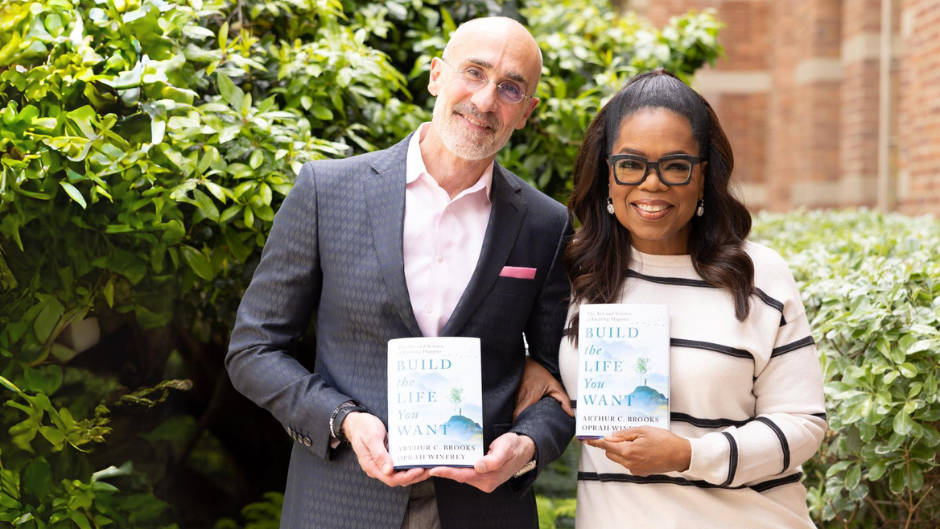
Arthur Brooks is the Parker Gilbert Montgomery Professor of the Practice of Public and Nonprofit Leadership at the Harvard Kennedy School and Professor of Management Practice at the Harvard Business School , where he teaches courses on leadership and happiness. He holds a PhD in public policy analysis from the Rand Graduate School alongside an MPhil, MA in economics, and BA through distance learning. Education: PhD (Public Policy), MPhil (Public Policy), MA (Economics), BA (Distance Learning) His research spans happiness science , social entrepreneurship , public policy , and leadership development . Brooks explores intersections between behavioral science, neuroscience, philosophy, and policy-making to create actionable frameworks for personal and organizational well-being. His scientific contributions focus on happiness trends, loneliness epidemics, and the impact of technology on human connection. Brooks has received seven honorary doctorates and was recognized by Fortune Magazine as one of the 50 World’s Greatest Leaders. As a New York Times bestselling author with 15 books, including collaborations with Oprah Winfrey , Brooks combines academic rigor with practical advice through columns in The Atlantic and podcasts like The Art of Happiness . His work addresses modern challenges like digital isolation, emotional management, and existential purpose.
Professor Clio Padovani is a Professorial Fellow (Education) at the Winchester School of Art, part of the Faculty of Arts and Humanities at the University of Southampton. Previously serving as Deputy Head of School (Education) from 2019 to 2022, she has maintained a distinguished career spanning academic, artistic, and research domains with a focus on textile heritage and sustainable innovation. Her educational background includes a 1st class honours BA from the Tapestry programme at Edinburgh College of Art, an MA from the Royal College of Art, and a PhD addressing links between innovation, craft skills, and heritage titled 'Banal and Splendid Form: revaluing textile makers' social and poetic identity as a strategy for textile manufacturing innovation.' Padovani's research explores how cloth functions as a repository of personal narratives and material histories, developing an original visual language where video images are informed by textile methodologies including folding, weaving, layering, quilting, and lace. Her work investigates how public policy can help retain textile manufacturing heritage and how the creative social capital of skilled textile communities enables growth in EU textile and fashion SMEs. She examines how narratives of textile construction engage with social values, policy agendas, and entrepreneurial environments supporting creative industries. Her recent publications reveal a strong focus on environmental sustainability within creative sectors, textile heritage preservation, and the social dimensions of craft communities. The research demonstrates a clear trajectory from examining textile heritage to developing practical tools for measuring environmental impact in creative industries. Collaborative Award for Teaching Excellence (CATE) (2018) Senior Fellow of the Higher Education Academy (2012) As an academic supervisor, Padovani currently advises PhD students Xiaotong Wang (PhD Fine Art) and Rezia Begum Wahid (PhD Design). Her research has been supported by competitive funding including EurotexId (EU Culture Programme, 2008-2010) as Academic Project Leader and Plustex (Interreg IVC project, 2011-2014) as Research Fellow. She maintains active involvement with the Creative Industries Federation, Creative Skillset, and Westminster Media Forum, working with SMEs to develop educational accreditation for upskilling fragile local communities. Padovani's work bridges academic research, artistic practice, and industry engagement, creating a unique ecosystem where textile heritage informs contemporary innovation, policy development, and sustainable manufacturing models.
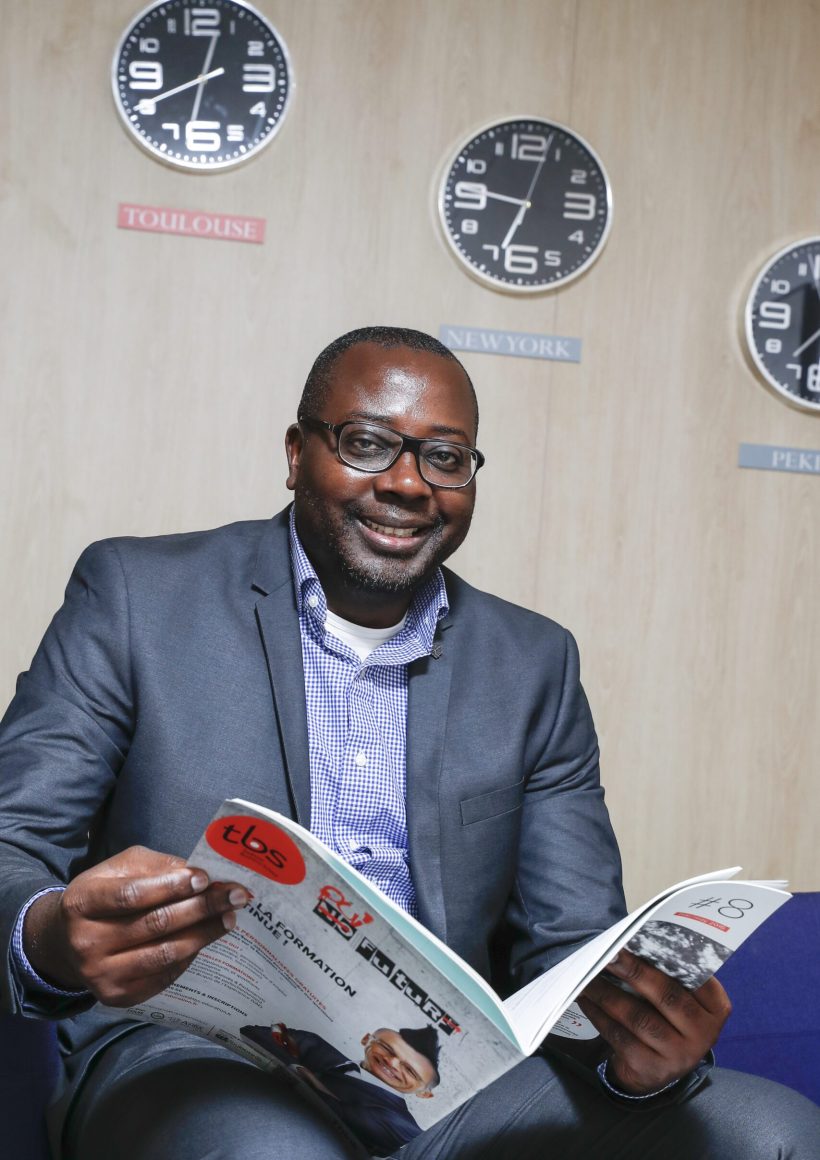
Samuel Fosso Wamba serves as Professor of Information Systems and Data Science and Director of Research at TBS Education. He leads the Artificial Intelligence and Business Analytics Center of Excellence, which comprises 13 researchers and offers an MSc program in Artificial Intelligence & Business Analytics. His academic work spans cutting-edge research in AI applications for business operations, supply chain management, and digital transformation. Professor of Information Systems and Data Science at TBS Education Director of Research at TBS Education Head of Artificial Intelligence and Business Analytics Center of Excellence (since 2019) Professor Fosso Wamba's research focuses on the transformative potential of artificial intelligence, data science, and digital technologies in business contexts. His work examines how AI systems like ChatGPT revolutionize operations management, supply chain resilience, and commercial efficiency. He investigates practical applications of blockchain technologies including NFTs, and explores sustainable solutions for circular economy challenges, particularly in emerging markets. His research bridges theoretical frameworks with real-world business applications, emphasizing data-driven decision-making capabilities. His publication portfolio reveals a strong emphasis on AI's role in 21st century business transformation, with recent articles analyzing generative AI's impact on supply chains, data-driven commercial operations, and educational technologies. The research demonstrates interdisciplinary connections between computer science, operations management, and sustainability studies, with particular attention to practical implementation challenges in resource-constrained environments. Clarivate Highly Cited Researchers (Top 1% globally) - 2020, 2021, 2022 Stanford University/Elsevier Top 2% Most Influential Researchers Worldwide Published in Academy of Management Journal, European Journal of Information Systems, International Journal of Production Economics Professor Fosso Wamba teaches courses on Big Data, Data Science, Artificial Intelligence, and Digital Transformation. As head of the AI and Business Analytics Center, he oversees research initiatives that directly inform the MSc curriculum, creating a seamless integration between academic research and practical business education. The center's work with 13 researchers focuses on advancing knowledge in AI applications while training the next generation of data-savvy business leaders. His leadership has positioned TBS Education as an emerging center for AI research and education in Europe. The Artificial Intelligence and Business Analytics Center functions as an interdisciplinary hub where researchers investigate emerging technologies while simultaneously developing educational content. This dual focus creates a feedback loop between theoretical research and practical business applications, with particular emphasis on solving real-world operational challenges through data-driven approaches.
Nedialko Nedialkov is a Professor in the Department of Computing and Software at McMaster University, Faculty of Engineering. His research centers on differential-algebraic equations (DAEs) , interval methods , and computational science , with a focus on rigorous numerical solutions and structural analysis. Contact: nedialk@mcmaster.ca Teaching: Courses include Scientific Computing, Advanced Topics in Computing and Software, and Principles of Programming. Research Highlights: Nedialkov has developed symbolic-numeric methods for DAEs, improved verified ODE integration, and created tools like DAETS for structural analysis. His work spans applications in hybrid systems , control theory , and biomedical computing . Publications Trends: Over the past 15 years, his scholarship emphasizes DAEs, validated numerical methods, and computational modeling. Key subfields include Port-Hamiltonian systems , block triangularization , interval constraints , and automatic differentiation . Labs & Teams: Collaborates with McMaster Experts and contributes to open-source projects for validated numerical computing.