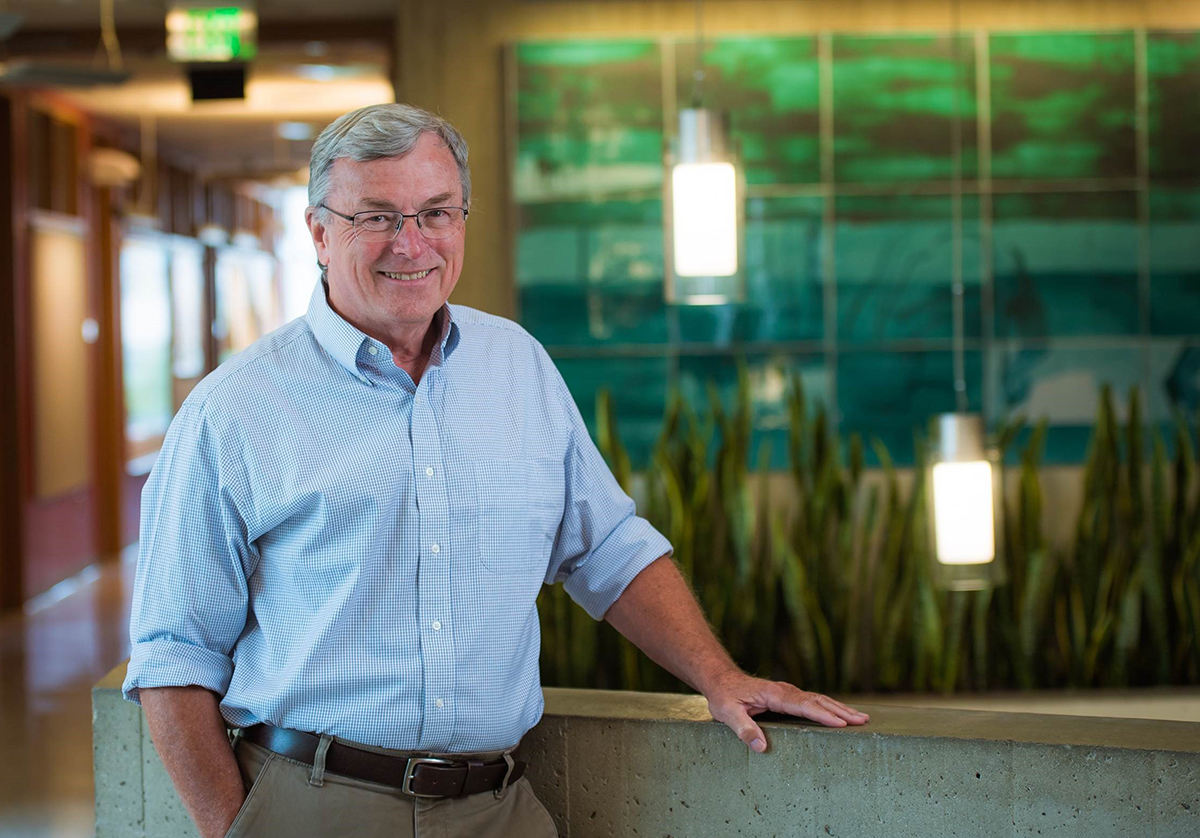
Syed S.H. Rizvi is a Professor of Food Process Engineering at Cornell University's Department of Food Science, affiliated with the College of Agriculture and Life Sciences. He holds the title of International Professor and advises over 65 graduate and 70 undergraduate students. His expertise spans food engineering, processing, and international development. Education: Ph.D., The Ohio State University (1976) MEng, Chemical Engineering, University of Toronto (1988) B.Tech., Panjab University (1968) Research Focus: Physical, chemical, and engineering aspects of food and biomaterials Supercritical fluid technology, liposome synthesis, and sustainable processing International value-chain developments and food security Articles Trends: Recent works emphasize supercritical fluid extrusion, liposome encapsulation, and novel food processing innovations. Key themes include material characterization, functional food development, and sustainable technologies. Awards: Distinguished Professor (2017), Chinese Academy of Agricultural Science Excellence in Teaching Award (2014) Stanley Watson Award (2012) Advising & Grants: Mentor to numerous students globally. Collaborates internationally under sponsorships like FAO, UNIDO, and World Bank. Teaches courses on food engineering, international agriculture, and bioprocessing systems. Labs/Teams: Leads the Rizvi Lab, focusing on novel food processes and engineering. Active in developing sustainable technologies for bioactive delivery and food security.
Dr. Qing Jin is an Assistant Professor of Food Science at the School of Food and Agriculture, College of Natural Sciences, Forestry and Agriculture, University of Maine. Her research focuses on economically-viable and environmentally-friendly food system innovation, with emphasis on value-added utilization of food waste and by-products through advanced processing technologies. Education: Ph.D. (2020) from Virginia Tech She teaches courses on food engineering principles (FSN 485), food engineering lab (FSN 486), food preservation (FSN 502), and co-teaches an advanced graduate seminar (AVS 633/FSN 671). Supported by the Maine Agricultural and Forest Experiment Station, her current Hatch project (ME022423) explores sustainable food industry solutions through biorefinery approaches. Her work spans food waste valorization, biofuels, bioproducts, and techno-economic analysis. Recent publications highlight her expertise in dietary fiber modification, fermentation optimization, biochar development, and polyphenol extraction from agricultural waste streams. She actively seeks undergraduate and graduate research assistants for her lab. Contact: qing.jin@maine.edu | Office: 109 Hitchner Hall | Phone: 207-581-1687
T. Alan Hatton is a distinguished Professor in the Department of Chemical Engineering within the School of Engineering at the Massachusetts Institute of Technology (MIT). His career spans over four decades with significant contributions to electrochemical separation processes and sustainable engineering solutions. Current research focuses on developing next-generation electrochemical systems for critical environmental challenges. Education: Ph.D., University of Wisconsin, 1981 M.Sc. Eng, University of Natal, Durban, South Africa, 1976 B.Sc. Eng, University of Natal, Durban, South Africa, 1972 Professor Hatton's research centers on electrochemically-mediated separation processes , specifically targeting carbon capture from diverse sources (post-combustion flue gas, ambient air, and ocean water) and advanced water purification systems. His work integrates fundamental transport phenomena with innovative electrochemical engineering to create energy-efficient solutions. Key methodologies include redox-active materials, electro-swing adsorption, and molten salt electrochemistry, with strong emphasis on scalability and real-world implementation. Recent breakthroughs involve oxygen-stable quinone systems for direct air capture and marine carbon dioxide removal technologies. Analysis of his 15 most recent publications (2024-2025) reveals a concentrated focus on electrochemical CO 2 capture and conversion , with 87% of works directly addressing carbon management. Dominant themes include redox-active material design (particularly quinones and iron complexes), process thermodynamics optimization, and novel reactor architectures like fiber sorbents and photoelectrochemical systems. The research demonstrates consistent progression toward practical implementation, with increasing attention to marine carbon removal and integration with renewable energy sources. Scientific Awards: Founding Fellow, AIMBE, 1992 Merck Faculty Development Award, 1989 Class of '22 Career Development Chair, 1988 Presidential Young Investigator Award, NSF, 1985 Everett Moore Baker Award for Excellence in UG Teaching, MIT, 1983 Professor Hatton leads an active research group developing electrochemical separation technologies with significant industry and environmental impact. His laboratory operates at the intersection of fundamental electrochemistry and applied environmental engineering, securing sustained funding for projects targeting carbon capture scalability and water purification innovation. Current efforts focus on translating electro-swing adsorption technology to commercial applications through startup ventures, while maintaining strong educational contributions through MIT's chemical engineering curriculum. The research team maintains collaborations with national laboratories and industry partners to accelerate technology deployment.
Dr. Alfred Chong is an Associate Professor in the Department of Actuarial Mathematics and Statistics at Heriot-Watt University (HWU). Previously, he served as an Assistant Professor at the University of Illinois at Urbana-Champaign (UIUC) and co-founded the Illinois Risk Lab. His research focuses on Actuarial Science, Financial Mathematics, and Quantitative Risk Management, addressing emerging risks like cyber, pandemic, and climate risks, leveraging machine learning, optimization, and stochastic control. He holds a PhD from The University of Hong Kong and King's College London, and is an Associate of the Society of Actuaries. Chong actively contributes to academic governance, including roles in the EPSRC Mathematical Sciences Early Career Forum and the Maxwell Institute's Data and Decisions research theme. Education: PhD in Actuarial Science, University of Hong Kong & King's College London Research Interests: Chong explores risk sharing mechanisms, forward preferences in insurance, and mitigation strategies for large-scale risks. His work integrates data analytics and machine learning to solve decision-making challenges, such as cybersecurity risk assessment, pandemic resource allocation, and climate risk modeling. Recent projects include incident-specific cyber insurance design and delegated investment strategies for retirement savings. Awards: Michael V. Colla Prize for Mathematics Related to Medicine (2022) Best of 2020 in the Annual Meeting of the Casualty Actuarial Society (2021) Advising & Grants: Chong supervises PhD students in holistic risk management, forward preferences, and reinforcement learning applications. He has secured grants supporting interdisciplinary research in risk modeling and insurance innovation. Labs & Teams: Co-founder of the Illinois Risk Lab (UIUC), now leading research at HWU's Actuarial Mathematics & Statistics department. Engaged with the International Centre for Mathematical Sciences for knowledge exchange initiatives.
Shintaro Okazaki is a Professor of Marketing at King’s Business School, King’s College London. He holds a PhD from the Autonomous University of Madrid and has over 20 years of industry experience, including roles at a multinational corporation in Tokyo. His research focuses on marketing communications, digital marketing, social issues in marketing, international marketing strategies, and tourism marketing. He has authored over 100 articles and chapters, with a strong emphasis on advertising, AI ethics, sustainability, and consumer behavior. Research Interests: Marketing Communications: Advertising, Branded Entertainment, Cross-Cultural Advertising, Emotions in Advertising Digital Marketing: AI, Mobile Marketing, Social Media Marketing, Digital CSR Social Issues: Diversity, LGBTQ+ Inclusion, Disaster Resilience, Media Addiction, Sustainability International Marketing: Deglobalisation, Global Brand Positioning, Marketing Standardisation Travel & Tourism: Sustainable Tourism, Greenhushing, Peer-to-Peer Accommodation Awards & Roles: Former Editor-in-Chief of Journal of Advertising (2014–2019) Past-President of the European Advertising Academy Editorial Board Member for Journal of Public Policy & Marketing , International Marketing Review , and others Recipient of multiple awards, including the 2010 Journal of Advertising Best Article Award Grants & Conferences: Grant panelist for over 20 international organizations Organized/chaired 30+ academic conferences globally Labs & Teams: Research Lead of the Department of Marketing at King’s Business School, leading interdisciplinary projects on AI ethics, crisis communication, and sustainable marketing strategies.
Dr Andrew Coles is a Reader in Artificial Intelligence at the Department of Informatics, King's College London, within the Faculty of Natural, Mathematical & Engineering Sciences. His research focuses on temporal and numeric planning, explainable planning, and human-robot collaboration. He leads and co-investigates multiple research projects funded by EPSRC, the Royal Academy of Engineering, and the European Commission. His research interests include Artificial Intelligence, Temporal and Numeric Planning, Planning with Rich Domain Models, Explainable Planning, Human-Robot Interaction, Autonomous Systems, Heuristic Search, and Decision-Making. He has published extensively in top-tier AI and robotics conferences such as ICAPS, IROS, HRI, AAAI, and IJCAI. His recent publications demonstrate a strong trend toward explainable AI in human-robot collaboration, with a focus on multimodal sensing (e.g., eye tracking), user needs for explanation, and adaptive planning. His work integrates planning algorithms with human-centered evaluation and real-world applications in robotics. Scientific Awards: International award for PhD thesis on assistive robots (2020) Advising and Grants: Dr Coles has supervised multiple students, including Lara Wachowiak, Guillem Canal, and Petra Tisnikar. He has led or co-investigated several major research projects, including: COHERENT (EPSRC): Collaborative Hierarchical Robotic Explanations Plan and Goal Reasoning for Explainable Autonomous Robots (Royal Academy of Engineering) ADE (European Commission): Autonomous Decision Making in Very Long Traverses ERGO (European Commission): European Robotic Goal-Oriented autonomous controller Labs and Teams: He is affiliated with the Reasoning and Planning research group and the Trusted Autonomous Systems Hub at King's College London, focusing on developing trustable autonomous systems through robust planning and human-centered AI.
Prof. Dr. Bernd Skiera is a leading Marketing Professor at Goethe University Frankfurt since 1999 and a member of the managing board of the efl - The Data Science Institute. His work bridges information systems and marketing, with a focus on data-driven decision making and digital transformation.
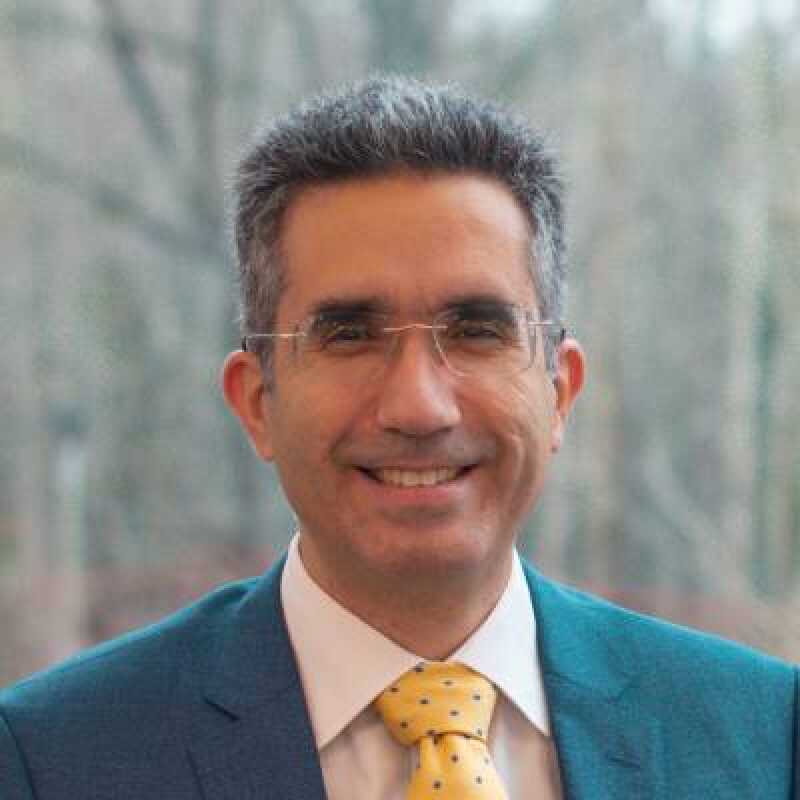
Professor Thanos Papadopoulos is a faculty member at the University of Kent , serving as Deputy Dean and Head of the Department of Analytics, Operations & Systems. He is affiliated with the Centre for Logistics and Sustainability Analytics (CeLSA) . PhD : Warwick Business School, University of Warwick MSc : Informatics, Athens University of Economics and Business Diploma : Computer Engineering and Informatics, Patras University His research focuses on Operations and Information Management , with emphasis on digital technologies in supply chains , resilience , and sustainability . Recent work explores AI, metaverse, and data-driven strategies. He has authored 150+ peer-reviewed publications and collaborates with journals like British Journal of Management as Associate Editor. Awards include Stanford's Top 2% Researchers and Clarivate Highly Cited distinctions. Professor Papadopoulos supervises students in supply chain management , big data , and sustainability . His projects address geopolitical disruptions and digital transformation in manufacturing and retail.
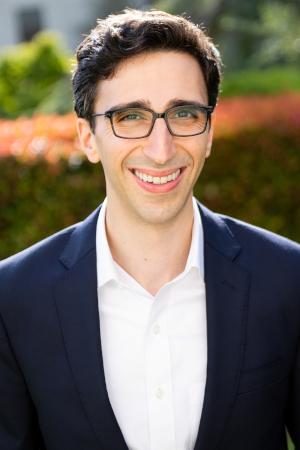
Danny Yagan is a Researcher at the University of California, Berkeley Department of Economics, with expertise in public economics, taxation, and income inequality. He contributes to the National Bureau of Economic Research (NBER) and the Conference on Research in Income and Wealth. His research focuses on fiscal policy, including deficit sustainability and the "growth dividend" concept. He has extensively studied pass-through business entities' impact on labor income share and inequality, using administrative tax data to analyze wealth distribution and taxation of top earners. Recent work examines spatial inequality trends, place-based redistribution, and the role of colleges in intergenerational mobility. Collaborations with scholars like Raj Chetty, Emmanuel Saez, and Owen Zidar highlight his interdisciplinary approach. Yagan's publications span topics including tax reform, capital taxation, and household investment behavior. He is actively involved in policy analysis and empirical economic research.
Professor Chee Yew Wong is a leading academic in supply chain management at Leeds University Business School (LUBS), where he holds the position of Professor and serves as Director for Research & Innovation in the Analytics, Technology and Operations department. He previously held a Chair in Logistics and Supply Chain Management at Hull University Business School and has served as a visiting professor in Thailand and China. His work bridges academia and industry, with over nine years of professional experience in operations and supply chain roles across multinational corporations and SMEs. His educational background includes a PhD in Supply Chain Management from Aalborg University, Denmark; an MSc in Manufacturing Management from Linköping University, Sweden; a BEng in Mechanical Engineering from the University of Technology, Malaysia; and a PG Certificate in Higher Education from Hull University, UK. Professor Wong's research centers on intelligent, responsible, and sustainable solutions for global supply chains. Key interests include digital supply chains, supply chain analytics, green logistics, human rights in supply chains, resilience, and circular economy models. He leverages technologies such as blockchain, machine learning, and IoT to enhance transparency, integration, and performance in complex supply networks. The analysis of his recent publications reveals a strong trend toward digital transformation, sustainability, and ethical governance in supply chains. His work increasingly emphasizes data-driven decision-making, environmental and social risk assessment, and the role of technology in enabling responsible global sourcing. Many projects focus on real-world applications in industries such as healthcare, fashion, retail, and manufacturing, often through Knowledge Transfer Partnerships with industry leaders. Best Reviewer Award, Operations and Supply Chain Management Division, Academy of Management Conference, Chicago, USA (2018) Prof. Xiande Zhao's Best Paper Award, International Conference on Operations and Supply Chain Management, Kaifeng, China (2017) Finalist for the Jack Meredith Best Paper Award, Academy of Management Conference, Anaheim, USA (2016) Emerald Best Paper Award, Supply Chain Management: an International Journal (2006) Professor Wong has successfully supervised 10 PhD students and 4 post-doctoral researchers, and has examined over 15 PhD dissertations internationally. He leads multiple research grants, including projects funded by Innovate UK, UKRI, ESRC, and the British Council, focusing on digital transformation, human rights, and green supply chain innovation. His collaborations span academia, government, and industry, demonstrating a strong commitment to impactful, applied research. He is actively involved in the Centre for Operations and Supply Chain Research, the Adaptation Information Management and Technology group, and the Centre for Decision Research at LUBS. These research groups support interdisciplinary work in analytics, digital technologies, and sustainable operations, fostering innovation and knowledge exchange across sectors.
Tridas Mukhopadhyay is the Deloitte Consulting Professor of e-Business at Carnegie Mellon University's Tepper School of Business, where he has served on the faculty since 1986. His academic journey at CMU progressed from Instructor of Information Systems (1986-1987) to Assistant Professor (1987-1993), Associate Professor (1993-1997), Professor (1998-present), and Deloitte Consulting Professor of e-Business (2000-present). He also served as Director of the MS in Electronic Commerce program from 1999-2004. Ph.D. in Computer and Information Systems, University of Michigan–Ann Arbor, 1987 M.B.A. in Computer and Information Systems, Indian Institute of Management Calcutta, 1981 B. Tech. in Electrical Engineering, Indian Institute of Technology Kharagpur, 1978 Professor Mukhopadhyay's research spans multiple critical areas in information systems and technology management. His work on strategic IT use examines how organizations derive business value from information technology investments. He has conducted extensive research on business-to-business commerce, particularly focusing on e-procurement systems, web-based marketplaces, and electronic intermediation models. His cybersecurity research investigates the economic aspects of cyber security, including liability mechanisms and patch release strategies. In software engineering, he has studied productivity, quality metrics, and offshore software development contracts. His most recent publications reveal several key trends in his research trajectory. There's a growing focus on digital platform economics, examining advertising models, virtual currency systems in gaming, and sharing economy dynamics. His work increasingly incorporates behavioral aspects, studying how users respond to personalized content and how backers exert control in crowdfunded projects. Methodologically, his research employs sophisticated analytical approaches including hierarchical Bayesian models, structural equation modeling, and natural experiment designs. CART Research Frontier Award, Carnegie Mellon, 2005 Distinguished Ph.D. Alum, Michigan Business School, 2004 Best Paper, International Conference on Information Systems, 2001 Best Paper, MIS Quarterly, 1995 Xerox Research Chair, Tepper School of Business, 1988-1989 Information Systems Society Distinguished Fellow, 2012 Professor Mukhopadhyay has served on numerous editorial boards including Information Systems Research (1994-2003), Management Science (1999-2003), and MIS Quarterly (1997-1999), demonstrating his significant contributions to the field. His consulting work with major organizations including Alcoa, Chrysler, Ford, General Motors, IBM, and governmental agencies like the United States Post Office and Pennsylvania Turnpike has provided practical insights that inform his academic research. He has been actively involved in university governance through committee service including the Business Technology Faculty Search Committee and the CMU Faculty Senate. His research has been supported through various industry partnerships and academic grants, though specific grant details aren't provided in the source material. His teaching focuses on Business Computing and Strategic IT courses, reflecting his expertise in both foundational information systems concepts and strategic applications of technology in business contexts.
Luke Miratrix serves as Assistant Professor at Harvard Graduate School of Education and affiliate faculty in Harvard Department of Statistics. His methodological expertise centers on causal inference applications in educational research, particularly treatment effect heterogeneity and cluster-randomized trial evaluation. His academic background includes a Doctorate in Statistics from University of California, Berkeley (2012), Master of Science in Computer Science from M.I.T., Bachelor of Science in Computer Science from California Institute of Technology, and Bachelor of Arts in Mathematics from Reed College. Prior to academia, he spent seven years as a high school teacher and tutor. Miratrix's research prioritizes minimal-assumption statistical approaches to validate data-driven arguments. Key interests include developing methods for characterizing variation in treatment impacts, analyzing post-treatment subgroups, and applying high-dimensional techniques to text summarization in legal, journalistic, and educational contexts. His work consistently bridges theoretical statistics with practical implementation challenges in real-world settings. Analysis of his recent publications (2023-2025) reveals three dominant trends: advancement of matching methodologies (e.g., synthetic controls, caliper matching), refinement of heterogeneous treatment effect estimation across multisite trials, and integration of machine learning with human coding for efficient text-based inference in educational assessments. These efforts demonstrate increasing focus on scalable, accessible tools for applied researchers. He contributes to methodological infrastructure through the CARES Lab and software packages like 'matchMulti' and 'textreg', providing practical implementation guides for complex statistical techniques. His work emphasizes translating advanced causal inference methods into usable frameworks for education researchers and policymakers.
Jooyeoun Jung is an Assistant Professor in the Department of Food Science & Technology at Oregon State University. She holds affiliations with the university's Food Science and Techno Headquarters and has been part of the OSU Main Campus since 2016. Her career includes roles as a Senior Researcher and Assistant Professor of Practice at the University of Nebraska-Lincoln (2018-2021) before returning to Oregon State in 2022. Educated at Oregon State University with a Ph.D. in Food Science & Technology, her research focuses on sustainable food processing, value-added food product development, and innovative food packaging solutions. Key areas include edible coatings using nanocellulose, antimicrobial packaging technologies, and utilization of agricultural byproducts for eco-friendly materials. Her work emphasizes enhancing food shelf-life through advanced coating technologies, improving packaging functionality, and addressing challenges in food preservation such as mold control, lipid oxidation, and microbial inhibition. She has pioneered studies on hazelnut processing, blueberry anthocyanin stabilization, and fruit pomace valorization. Jung teaches courses like Introduction to Sustainable Food Processing (FST327) and collaborates on interdisciplinary projects involving food safety, material science, and agricultural engineering. Her research has led to innovations in molded pulp packaging, radiofrequency pasteurization, and functional food film development. Professional affiliations include the Institute of Food Technologists, reflecting her commitment to advancing food science through industry collaboration and academic rigor.
Luisa Sievers is a Researcher at the Fraunhofer Institute for Systems and Innovation Research ISI, where she has worked since 2010. She holds a PhD in Economics from the Universität der Bundeswehr München (2020) and a Diploma in Physics and Environmental Economics from Humboldt University Berlin and Heidelberg University. Her research focuses on economic impact assessments of long-term strategies in transport, climate, and technology, with expertise in Input-Output Modelling and System Dynamic Modelling. Key areas include structural change in the mobility sector, regional and social distribution effects of energy transitions, and employment impacts of sustainable mobility. Her work spans projects such as the Ariadne project on energy system transformation, climate protection scenarios for 2050, and the National Cycling Plan 2030. She has received the IKU Innovation Award for Climate and Environment, recognizing her contributions to environmental and climate policy research. Publications highlight her analysis of Germany’s energy transition, employment effects of sustainable transport, and the macroeconomic implications of renewable energy expansion. She collaborates extensively with institutions like the German Federal Environment Agency and the Hans-Böckler-Stiftung, contributing to policy-relevant studies on socio-economic impacts of climate policies and energy systems.
Chris Adrian is a Senior Lecturer in the Department of Accounting at Monash University, specializing in corporate governance, financial accounting, and auditing. His research explores intersections between environmental factors (e.g., climate change, natural disasters) and corporate financial practices, alongside political influences on capital markets. Prior to Monash (since 2017), he held a Lecturer position at Macquarie University. Chris earned his PhD in 2015, focusing on corporate governance stakeholder perceptions. His work has been published in journals like Journal of Business Ethics and International Journal of Auditing , with recent studies examining audit fee dynamics during natural disasters, political connections in audit committees, and pandemic resilience through sustainability disclosures. Education: PhD (2015) Professional Affiliations: American Accounting Association (AAA), European Accounting Association (EAA), Accounting and Finance Association of Australia and New Zealand (AFAANZ) His research projects include applying large language models to sustainability reporting standards and analyzing charity performance during climate disasters. He is currently accepting PhD students and serves as an ad-hoc reviewer for multiple accounting journals. Key themes in his articles include audit risk mitigation during political shifts, disaster-driven corporate tax behaviors, and pandemic impacts on firm valuation. His work consistently bridges financial reporting practices with broader socio-environmental challenges.