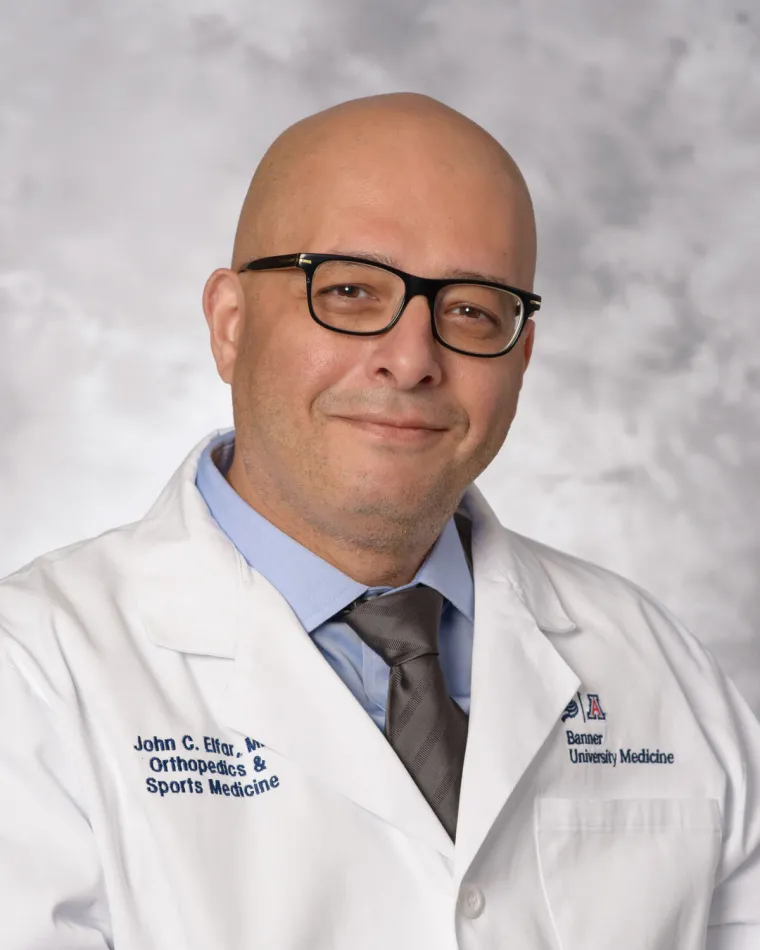
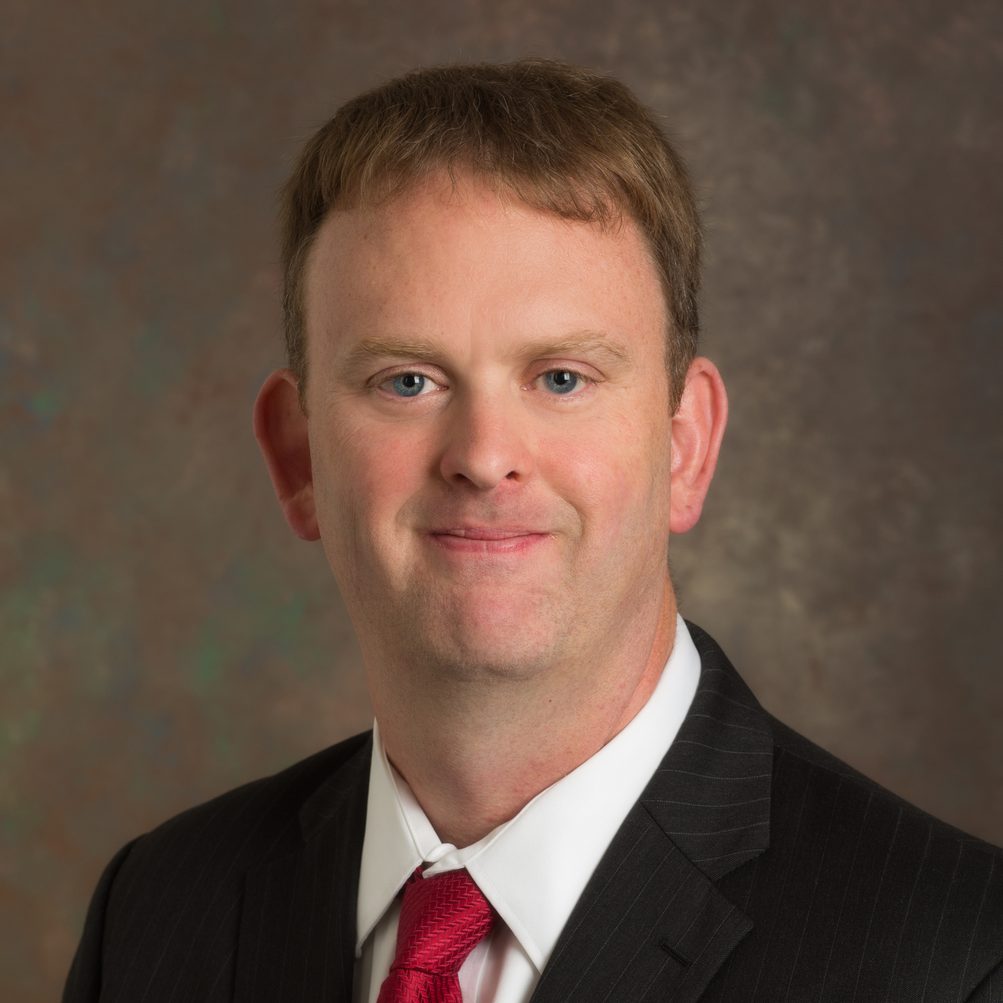
John C. Elfar, MD, is a Tenured Professor in the Department of Orthopedics at Banner University Medicine. His clinical focus includes orthopedic surgery, sports medicine, and complex reconstructions of the upper extremity, shoulder, elbow, wrist, hand, and fingers. Education Medical Education: Harvard Medical School Gordon Hall of Medicine (2002) Residency: Orthopedic Surgery, University of Rochester Medical Center - Strong Memorial Hospital (2007) Fellowship: Hand Surgery, University of Cincinnati College of Medicine (2008) Research & Clinical Focus Dr. Elfar’s research explores trauma-related injuries, drug repurposing for multi-tissue regenerative medicine, and translational clinical trials. His team investigates applications beyond traditional orthopedics, such as erythropoietin for pediatric gastrointestinal disorders and 4-aminopyridine for wound healing. Board Certifications Hand Surgery (2011) Sports Medicine (2011) Orthopedic Surgery (2010) He practices at Banner - University Medicine locations in Tucson, Arizona, and emphasizes patient advocacy through evidence-based surgical care and personalized treatment options.
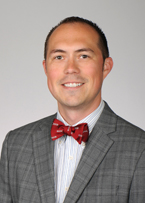
Kenneth W. Donohue, MD, MS is an Assistant Professor at Yale University's School of Medicine , affiliated with the Department of Orthopaedics & Rehabilitation . He specializes in shoulder, elbow, wrist, and hand surgery , with dual fellowships in shoulder & elbow surgery and hand surgery , and additional training in advanced elbow surgery at Mayo Clinic. His clinical focus includes rotator cuff repair , shoulder replacement , and upper extremity trauma . Georgetown University (MD, Physiology MS) Drexel University (Orthopedic Residency) Cleveland Clinic (Shoulder & Elbow Fellowship) Baylor College of Medicine (Hand Surgery Fellowship) Mayo Clinic (Advanced Elbow Surgery) Dr. Donohue's research explores shoulder arthroplasty , patient-specific implant design , and outcomes in diabetic surgical patients , with recent studies on semaglutide's impact on surgical outcomes . He emphasizes nonoperative treatment and patient-specific approaches in his clinical practice. His work is published in leading journals including The Journal of Bone and Joint Surgery and JSES International . Dr. Donohue actively contributes to Yale's 3D Collaborative for Medical Innovation , integrating medical device design into clinical applications. He is board-certified in Hand Surgery (Orthopedics) and Orthopedic Surgery by the American Board of Orthopaedic Surgery.
Linda B. Horn, PT, DScPT, MHS is an Assistant Professor and Director for Academic Affairs in the DPT Program at the University of Maryland Baltimore School of Medicine's Department of Physical Therapy & Rehabilitation Science. Previously an adjunct instructor for 17 years, she now holds a full-time position with clinical expertise spanning acute care, outpatient, and home settings. Education: BS in Physical Therapy, University of Maryland Baltimore (1984) Master of Health Science, University of Indianapolis Krannert School of Physical Therapy (2003) Doctor of Science in Physical Therapy, University of Maryland Baltimore (2007) Research Focus: Her work centers on neurological and geriatric rehabilitation, specifically: vestibular dysfunction quantification, fall risk mitigation in older adults, interprofessional education models, and post-stroke motor recovery. She integrates clinical neurophysiology with rehabilitation methodologies to develop evidence-based interventions for balance disorders. Clinical Certifications: Neurologic Certified Specialist (ABPTS, 1993; recertified 2003/2013) Geriatric Certified Specialist (ABPTS, 2015)
Prof. Dr. Öznur BÜYÜKTURAN is a full-time Professor at the School of Physical Therapy and Rehabilitation , Kırşehir Ahi Evran University , Turkey. She has been a faculty member since 2009, progressing from Research Assistant to Professor. She also serves as the Head of the Department and has held administrative roles such as Vice Director of the School and member of the Quality Board and Institute Administrative Board. Education: PhD in Physical Therapy and Rehabilitation, Hacettepe University (2011–2014) MSc in Physical Therapy and Rehabilitation, Abant İzzet Baysal University (2010–2011) BSc in Physiotherapy and Rehabilitation, Süleyman Demirel University (2004–2008) Research Interests: Her work spans orthopedic rehabilitation , neurological rehabilitation , scoliosis management , geriatric rehabilitation , and exercise therapy . She focuses on evidence-based interventions for spinal deformities, post-stroke rehabilitation, and musculoskeletal disorders. Publications & Trends: She has authored 231 publications, including 91 journal articles and 115 conference papers. Her recent work emphasizes randomized controlled trials comparing therapeutic techniques for scoliosis, post-stroke rehabilitation, and the impact of physical activity during pandemics. Scientific Projects: Principal Investigator: Scolio-Shirt Design (2024) Lead Researcher: Adolescent Idiopathic Scoliosis and Dynamic Balance (2018–2019) Co-Researcher: Sporcu Sağlığı Araştırma, Uygulama ve Termal Rehabilitasyon (SAUTER) Merkezi (2018–2026) Student Supervision: She has supervised 17 master’s and PhD students in physiotherapy and rehabilitation, focusing on scoliosis, stroke, and musculoskeletal disorders. Labs & Teams: While no specific lab is named, she leads research teams within her department and collaborates on national and international projects including TÜBA, TÜBİTAK, and university-funded studies.
Leanne Sakzewski is an Associate Professor at the Queensland Cerebral Palsy and Rehabilitation Research Centre, Faculty of Medicine, The University of Queensland. She serves as a Principal Research Fellow at the Child Health Research Centre and is affiliated with the Queensland Cerebral Palsy Rehabilitation and Research Centre. Her research is primarily focused on randomized clinical trials in cerebral palsy and childhood brain injuries, with particular emphasis on upper limb rehabilitation and motor training interventions. Dr. Sakzewski's research interests include upper limb training approaches for infants and children with unilateral cerebral palsy; intensive models of motor training to improve gross motor and manual abilities for children with bilateral cerebral palsy; participation-focused interventions to increase physically active leisure for children with cerebral palsy; and social skills group-based programs for adolescents with brain injuries. Her work demonstrates a strong commitment to evidence-based rehabilitation approaches that translate into practical clinical applications. Her recent publications show a consistent focus on intervention efficacy, with numerous randomized controlled trials examining various therapeutic approaches for children with cerebral palsy. The research spans multiple domains including motor function, social skills development, physical activity promotion, and early intervention strategies. Her collaborative work with multidisciplinary teams demonstrates the comprehensive nature of her research program. Dr. Sakzewski has received recognition for her research, including a Dean's Commendation for outstanding Research Higher Degree following completion of her PhD in 2010 from The University of Queensland. Her work has been published extensively in high-impact journals across rehabilitation science, pediatrics, and neurology. With over 100 journal articles to her name, Dr. Sakzewski has established herself as a leading researcher in pediatric rehabilitation for children with cerebral palsy. Her research bridges clinical practice and scientific investigation, with a focus on developing and testing interventions that can be readily implemented in clinical settings to improve outcomes for children with neurological conditions.
Dr. Filiz EYÜBOĞLU is a Lecturer at Uskudar University's Faculty of Health Sciences, Department of Physiotherapy and Rehabilitation. With academic degrees from Hacettepe University (BSc 2009, MSc 2013, PhD 2023), she focuses on respiratory/cardiac rehabilitation, exercise physiology, and yoga-based interventions. Her roles include Deputy Head of Department (2025-present), Lab Coordinator (2021-present), and Student Advisor. BSc: Hacettepe University, Physiotherapy (2009) MSc: Hacettepe University, Cardiopulmonary Rehabilitation (2013) PhD: Hacettepe University, Cardiopulmonary Rehabilitation (2023) Her research explores tele-yoga applications for obstructive sleep apnea, shoulder proprioception post-surgery, and functional outcomes in respiratory/musculoskeletal conditions. Recent projects include TÜBİTAK-funded studies on inspiratory muscle warm-up protocols in volleyball athletes and respiratory muscle training effects in low back pain patients. Publications span Scopus-indexed journals like Heart and Lung and Orthopaedic Journal of Sports Medicine , alongside national journals. Her work integrates exercise physiology principles with clinical rehabilitation, emphasizing telehealth delivery and neuromuscular assessments . She serves as a project head for TÜBİTAK-funded studies and holds editorial roles in physiotherapy textbooks. Her teaching portfolio includes graduate courses in clinical decision-making and undergraduate instruction in cardiopulmonary rehabilitation.
Michael Holmes is an Associate Professor and Canada Research Chair in Neuromuscular Mechanics and Ergonomics at Brock University's Faculty of Kinesiology. His research integrates neurophysiology and biomechanics to study upper extremity disorders, aiming to improve worker performance and reduce injury. He holds adjunct roles at the University of Ontario Institute of Technology and the Canadian Memorial Chiropractic College. Education: PhD in Kinesiology. Research Interests: Biomechanics, Ergonomics, Neuromechanics. His lab focuses on optimizing human interaction with tools and environments to prevent workplace injuries. Awards & Grants: Tier 2 Canada Research Chair NSERC Discovery Grant CFI/ Ontario Research Fund Teaching: Teaches KINE 4P01: Occupational Ergonomics. Supervises graduate and undergraduate students in lab and industry partnerships. Lab Facilities: The Holmes Lab features advanced equipment like Vicon motion capture systems, EMG systems, and the WristBOT haptic robot. Research spans occupational biomechanics, neuromechanics, and sport biomechanics.
Dr. Kelly Strifling serves as a Teaching Assistant Professor in the Department of Mathematical and Statistical Sciences at Marquette University, located in Milwaukee, WI. She is based in Cudahy Hall, Room 326, and can be reached via email at kelly.strifling@marquette.edu. Her role emphasizes teaching, including courses like Pre-Calculus, Calculus 1, Calculus 2, and Nature of Mathematics. Her research interests focus on biomechanical analysis of upper extremity joint dynamics and kinetics, particularly in children with cerebral palsy. She investigates how assistive devices like walkers influence gait and joint mechanics to inform rehabilitative strategies. Her work integrates quantitative methods and mathematical modeling to address clinical challenges in mobility and musculoskeletal dynamics. Strifling’s publications between 2009 and 2011 highlight a consistent focus on biomechanics applied to clinical contexts, emphasizing pediatric populations and assistive technologies. No scientific awards or grants are explicitly listed in the provided materials. While affiliated with the Department’s research laboratories, her specific lab or team is not detailed here. She has no listed advisees or students in the provided data.
Dr. Leia B Bagesteiro is an Associate Professor in the Department of Kinesiology at San Francisco State University. She specializes in biomechanics and motor control, with expertise in analyzing human movement through kinematics, kinetics, and electrophysiology. Her academic background includes a B.Eng. and M.Eng. in Mechanical Engineering and Biomechanics from the Universidade Federal do Rio Grande do Sul, Brazil, and a Ph.D. in Biomedical Engineering from the University of Surrey, England. She also completed postdoctoral research at Penn State University’s Movement Neuroscience Laboratory and Columbia University’s Motor Performance Laboratory. Her research focuses on interdisciplinary applications of biomechanics and biomedical engineering, including prosthetics control, ADHD diagnosis via EEG signals, and pediatric motor control analysis. She teaches advanced courses such as Biomechanics, Advanced Biomechanics, and independent study modules. Notable research trends include the use of machine learning (e.g., random forests, spiking neural networks) for signal classification and the development of adaptive systems for prosthetics. Her work bridges clinical diagnostics, rehabilitation engineering, and educational methodologies, emphasizing practical applications of biomechanical principles. Dr. Bagesteiro has collaborated on projects involving gait analysis on compliant surfaces, interlimb coordination in children, and the effects of aging on motor control. Her contributions span experimental biomechanics, computational modeling, and clinical validation of movement-related technologies.
Vicki Galea is an Associate Professor (Part-Time) in the School of Rehabilitation Science within the Faculty of Health Sciences at McMaster University. With an extensive publication record spanning from 1989 to 2024, her work focuses on neurophysiology, motor control, and rehabilitation science, particularly in the areas of musculoskeletal disorders, cerebral palsy, and neck disorders. Dr. Galea's research interests center on understanding sensory and motor function in various patient populations. Her work explores neurophysiological mechanisms underlying movement disorders, pain perception, and rehabilitation outcomes. She has made significant contributions to understanding motor unit behavior in neurological conditions, sensory testing methodologies, and biomechanical assessment of movement patterns in both healthy and clinical populations. Her research bridges basic neurophysiology with clinical application, developing assessment tools that translate laboratory findings into practical clinical use. Analysis of her recent publications reveals a consistent focus on clinical assessment tools, particularly for neck disorders and upper limb function. Her work bridges basic neurophysiology with clinical rehabilitation, developing and validating assessment methods that can be used in clinical practice. There's a strong emphasis on understanding the relationship between sensory function, motor control, and pain in various conditions including arthritis, cerebral palsy, and chronic neck pain. Her publications span high-impact journals across rehabilitation science, neurophysiology, and orthopedics. Current Perception Threshold Test development and validation Motor unit estimation in neurological conditions Biomechanical analysis of movement disorders Cerebral palsy rehabilitation approaches Hand function in arthritis Dr. Galea has been actively involved in teaching, having instructed courses including 'Foundational Knowledge I' and 'Foundational Knowledge II' in the occupational therapy program. Her collaborative research network is extensive, with notable co-authors including Pierrynowski, McComas, MacDermid, and Gross across numerous publications. Her scholarly impact is evident through citations across multiple platforms, with her work being referenced on social media, included in clinical guidelines, and attracting readership on academic platforms like Mendeley.
Candace Alyse Bailey Mason, M.D., is an Assistant Professor of Orthopedic Surgery at Baylor College of Medicine and St. Luke's Medical Center. She specializes in hand and upper extremity disorders, including nerve injuries, fractures, degenerative conditions, and Dupuytren's contracture. Her training includes an MD from the University of Texas Medical Branch, Orthopedic Surgery residency at the University of Southern California, and a Hand Surgery fellowship at UC San Diego. Education: BS in Biomedical Engineering, University of Southern California (2012) MS in Engineering Management, University of Southern California (2013) MD, University of Texas Medical Branch (2017) Certifications: Texas and California Medical Licenses Research focuses on hand/wrist trauma, nerve pathology, and imaging techniques. She has contributed to peer-reviewed studies on infectious tenosynovitis and fibular variance analysis. Awards: Alpha Omega Alpha, Gold Humanism Honor Society Active in professional organizations like the American Society for Surgery of the Hand (ASSH) and the American Academy of Orthopaedic Surgeons (AAOS). Fluent in Spanish.
Thomas A. Buckley is a Professor in the Department of Kinesiology and Applied Physiology at the University of Delaware's College of Health Sciences, where he directs the Concussion Research Laboratory. His work focuses on multidisciplinary concussion research examining postural control deficits, recovery timelines, and long-term neurological consequences of repetitive head impacts. His educational background includes: Ed.D. in Applied Physiology from Columbia University, Teachers College M.S. in Athletic Training from Indiana State University B.S. in Athletic Training from Springfield College A.S. in Sports, Fitness, Leisure Studies from Dean Junior College Dr. Buckley's research program investigates: (1) impairments in postural control/balance following concussion; (2) determination of post-concussion recovery; (3) relationships between return-to-participation and subsequent musculoskeletal injuries; and (4) long-term effects of concussion in aging populations. His work emphasizes dual-task cognitive challenges on balance performance and leverages large-scale consortium data from NCAA athletes and military cadets. Analysis of his 2021-2025 publications reveals dominant trends in machine learning for injury risk prediction, sex-specific recovery patterns, and comorbidity impacts (ADHD, obesity, mental health). His research integrates biomechanics, neuroscience, and clinical sports medicine to advance concussion assessment protocols and identify modifiable risk factors for persistent symptoms. As a key investigator in the NCAA-DoD CARE Consortium, Dr. Buckley contributes to one of the largest concussion studies globally. His Concussion Research Laboratory examines persistent balance deficits linked to subsequent injuries in student-athletes and investigates how repetitive head impacts affect neurological health across the lifespan through longitudinal cohort analysis.
Daniel L. Brinton, PhD, MHA, MAR, is Associate Professor of Healthcare Leadership and Management at the Medical University of South Carolina, College of Health Professions. He specializes in advanced quantitative methods for health-services and observational research, leveraging large-scale electronic health records and administrative data to improve patient outcomes and inform policy. Education: Doctor of Philosophy (PhD) Master of Health Administration (MHA) Master of Arts in Religion (MAR) Research Interests: Dr. Brinton’s work centers on missing-data methodologies that enable robust inference from real-world clinical datasets. He applies these techniques to pediatric health-services research , examining access, quality, and cost of care for asthma, Kawasaki disease, firearm injury, and autism spectrum disorder. A second major strand explores critical-care outcomes , using machine-learning and natural-language-processing to phenotype acute respiratory distress syndrome (ARDS) and optimize ventilator management. He also investigates orthopaedic surgery quality , opioid-prescribing patterns, and efficiency of global clinical trials. Recent Research Trends: Across 34 publications from 2018-2025, Brinton has increasingly integrated machine learning and big-data analytics to address clinical questions that were previously infeasible at scale. Studies range from predictive modeling of ARDS and neonatal acute kidney injury to economic evaluations of extended VTE prophylaxis and pediatric asthma adherence interventions. Scientific Awards: No awards explicitly listed in the provided materials. Advising & Grants: While individual student names are not disclosed, Dr. Brinton mentors graduate students and junior investigators in the Department of Healthcare Leadership and Management. His research has been supported by federal and foundation grants focusing on comparative effectiveness, health economics, and informatics, although specific grant identifiers are not provided. Labs & Teams: Dr. Brinton collaborates with multidisciplinary teams at MUSC, including the College of Health Professions’ Healthcare Leadership and Management research group, critical-care investigators, pediatric specialists, and external partners utilizing national EHR networks such as the Pediatric Health Information System (PHIS).
Donald P. Goldsmith, MD, is a Professor of Pediatrics at Drexel University College of Medicine and Chief of the Section of Rheumatology at St. Christopher's Hospital for Children in Philadelphia. His career spans over three decades, focusing on pediatric rheumatology and immunology. Board certified in pediatrics, rheumatology, and allergy/immunology Developed the Childhood Health Assessment Questionnaire (CHAQ), a globally utilized tool for juvenile idiopathic arthritis Described NOMID (now recognized as a primary autoinflammatory disorder) His research interests include autoinflammatory diseases, therapeutic agents for juvenile arthritis, and neurological complications of rheumatic disorders. Recent work emphasizes hyper IgD periodic fever syndrome (HIDS) and PFAPA syndrome. Dr. Goldsmith has received numerous accolades, including: Master of the American College of Rheumatology (2012) Distinguished Academic Achievement Award, University of Vermont College of Medicine (2017) Joseph Lee Hollander Award (2006) Multiple 'Top Doctor' recognitions by Philadelphia magazine He has served as a role model for pediatric residents, organized the PEDS consortium for academic collaboration, and contributed extensively to the Journal of Clinical Rheumatology as a pediatric editor.
Roghayeh Barmaki is a researcher with extensive publications in virtual reality, augmented reality, and educational technology. Her work spans rehabilitation systems, autism therapy, and neuroimaging analysis using fNIRS. She collaborates with institutions including Georgia Institute of Technology and University of Florida. Key Collaborators : Anjana Bhat, Jicheng Li, Shayla Sharmin, Vuthea Chheang Research Themes : Wearable sensors, LSL framework, movement synchrony, multimodal learning analytics Research Interests She focuses on immersive technologies for education and therapy, with expertise in: Functional Near-Infrared Spectroscopy (fNIRS) for cognitive engagement Wearable sensor integration in rehabilitation Gender perspectives in AR/VR education Multimodal affect analysis for autism Privacy-preserving behavioral analytics 3D visualization for anatomy training Publication Trends Recent work emphasizes fNIRS applications in gaming environments and hybrid deep learning models for cognitive analysis. Earlier studies focused on gesture recognition, movement synchrony estimation, and autism intervention datasets. Impactful Projects She developed the MMASD dataset for autism research and contributed to VR therapy systems. Her collaborations include: Georgia Tech's Autism Technology Research University of Florida's TeachLivE virtual classroom Germany's AIxVR conference contributions International collaborations on sensor systems