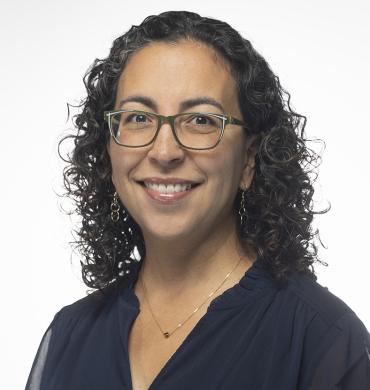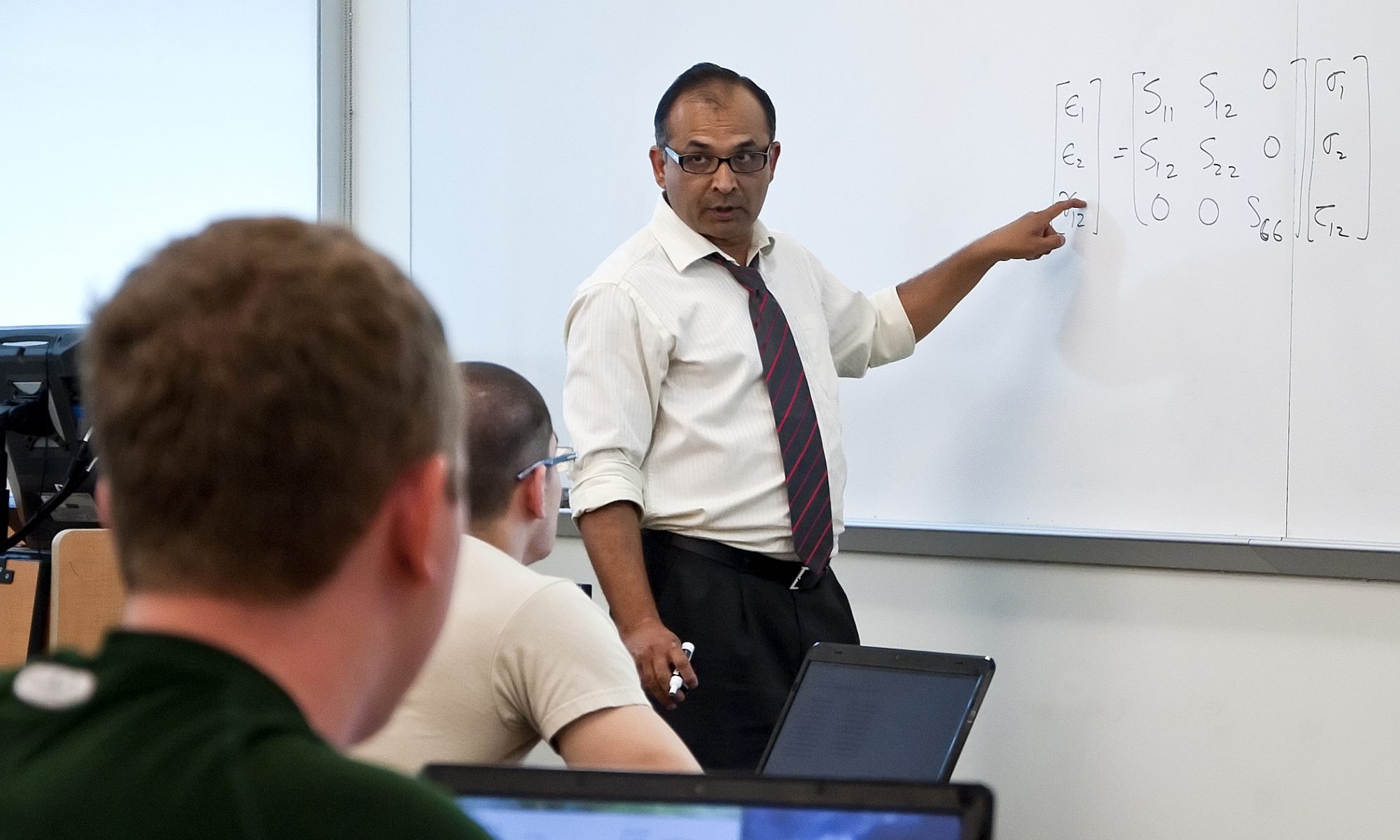
Autar Kaw is a Professor of Mechanical Engineering at the University of South Florida's College of Engineering. He is nationally recognized for excellence in undergraduate education and engineering pedagogy, having received the 2012 U.S. Professor of the Year Award. His work bridges mechanical engineering and transformative educational practices, with a strong emphasis on accessibility, equity, and innovation in learning. Education: B.E. (Honors) in Mechanical Engineering, Birla Institute of Technology and Science (BITS), India, 1981 M.S. in Engineering Mechanics, Clemson University, 1984 Ph.D. in Engineering Mechanics, Clemson University, 1987 Professor Kaw’s research and teaching focus on engineering education , adaptive learning , flipped classrooms , and open educational resources . He champions Universal Design for Learning (UDL), integrating multiple platforms, assessment methods, and engagement strategies to support diverse learners. His work extends to mechanical engineering topics such as fracture mechanics , composite materials , and bascule bridge design . He emphasizes evidence-based pedagogy and student-centered learning. The recent articles highlight his focus on innovative assessment and metacognitive strategies in engineering education. Trends show a consistent effort to enhance student motivation, cognitive engagement, and equitable learning outcomes through structured, repeatable, and inclusive teaching practices. Scientific Awards: 2012 U.S. Professor of the Year 2011 ASEE National Teaching Award 2004 ASME Curriculum Innovation Award 1991 SAE Ralph-Teetor Award 2025 ASEE Mechanical Engineering Division Best Paper Award Semi-Finalist, Robert Foster Cherry Award (2024) Professor Kaw has led numerous funded research projects, primarily through the National Science Foundation, focusing on adaptive learning and open courseware. He has advised or mentored multiple students, though specific names are not listed. His leadership in the Numerical Methods open courseware project has impacted over a million learners annually. He actively contributes to educational discourse through op-eds and media appearances. He leads the development of the Numerical Methods Guy initiative, including a blog, YouTube lectures, and open-access course materials. This team-based effort involves national collaborators in refining and assessing online learning tools. His work continues to evolve with AI integration, adaptive platforms, and equitable classroom preparation strategies.