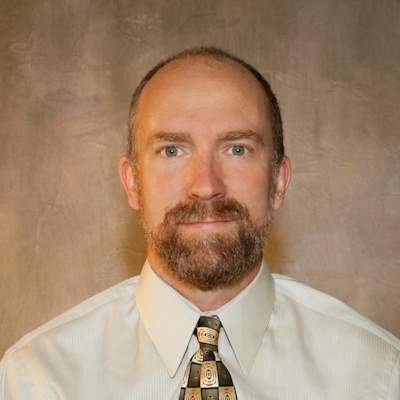
Cory Garms is a Courtesy Faculty member in the Department of Forest Engineering, Resources & Management at the College of Forestry. His research focuses on remote sensing technologies, lidar-based forest inventory, climate change impacts on tree species, and sensor calibration for environmental monitoring. Collaborating with Dr. Bogdan Strimbu since June 2024, his work bridges technical innovation with ecological applications. Key research areas include spectral imaging systems, tree physiology under environmental stress, and sustainable forest management strategies. His studies often integrate cutting-edge sensors like lidar and unmanned aircraft systems to improve accuracy in forest inventories and ecological assessments. Publications from 2024 emphasize advancements in airborne imaging performance metrics and collaborative military-environmental projects, while earlier work (2020-2021) explores tree morphology, climate adaptation, and disease resistance in species like Douglas-fir and Pinus strobiformis. No scientific awards or grants are explicitly listed in the provided texts. Collaborative projects and institutional affiliations remain central to his academic profile.
Tamatha R. Barbeau, Ph.D. , is an Associate Professor in the Department of Biology at Francis Marion University, where she also coordinates the Veterinary Studies Program and the Program for Undergraduate Research (PURE). She has been a dedicated faculty member since 2004, teaching courses such as Human Anatomy, Human Physiology, and Senior Seminar. Education: Ph.D. in Zoology, University of Florida, 2004 M.Sc. in Zoology, University of Florida, 2001 B.S. in Biology, SUNY Oswego, 1992 A.A.S. in Veterinary Technology, SUNY Canton, 1990 Her research interests focus on amphibian and reptile ecology, reproductive endocrinology, and the impact of environmental contaminants such as nitrates on vertebrate physiology. She investigates how pollutants disrupt hormonal systems in ectotherms, contributing to global amphibian decline. Her work combines field ecology with laboratory analysis of reproductive anatomy and hormone levels. The publication trends in her recent work show a strong emphasis on environmental toxicology, amphibian physiology, and science education. She has authored lab manuals and peer-reviewed studies on nitrate exposure, steroidogenesis, and skin physiology in frogs, reflecting both her research and pedagogical commitments. Scientific Awards: FMU Award for Excellence in Teaching (2008–2009) Honorable Mention, Aubrey Gorbman Award (2004) She has mentored over 40 undergraduate students in independent research projects, many of whom have pursued advanced degrees in veterinary, medical, and environmental sciences. She has secured multiple grants from FMU and external foundations to support student research and technology integration in teaching. Her service includes committee leadership, textbook reviewing, and community outreach in science education. Dr. Barbeau also leads research labs focused on amphibian reproductive physiology and environmental contaminant effects , involving students in hands-on, inquiry-based learning. Her fieldwork includes monitoring reptile and amphibian diversity in disturbed habitats and studying contaminants in aquatic ecosystems.
Chief Assistant Professor Ivan Todorov Evtimov, PhD, is affiliated with the Faculty of Forestry at the University of Forestry in Sofia, Bulgaria. He holds the academic rank of Assistant Professor and works within the Department of Dendrology. Education: Master of Science in Forestry (1998) from the University of Forestry, Sofia His research focuses on: Forest Genetics Tree breeding and improvement Population and evolutionary genetics He teaches courses in Forest genetics and tree breeding , Biodiversity protection , and Tree improvement . Contact details include office 234, Building A, at 10 Kliment Okhridsky Blvd., Sofia, with telephone numbers (+359 2) 91 907/389 and email evtimov.i@ltu.bg.
Dr. Dayton Wilde is a Professor in the Department of Horticulture at the University of Georgia , affiliated with the College of Agricultural & Environmental Sciences and the Institute of Plant Breeding, Genetics and Genomics . His research focuses on molecular genetics applied to ornamental plants, with expertise in gene editing, mutagenesis, and biotechnological approaches to improve floral traits. Key research areas include: Molecular Genetics of Ornamental Plants CRISPR Technology for Disease Resistance Genetic Transformation of Woody Species Bioinformatics in Plant Architecture Analysis Cryopreservation for Genetic Conservation Somatic Embryogenesis in Horticultural Crops Recent publications highlight advancements in gene editing systems for Gerbera, mutagenesis for disease resistance, and somatic embryogenesis for ornamental tree propagation. His work bridges molecular biology with practical horticultural applications.
Dr. Uğur ERCAN is currently serving as an Associate Professor at Akdeniz University's Department of Informatics. He holds a PhD in Econometrics from Akdeniz University (2016) and a master's degree in Mathematics (2008), with a bachelor's degree in Computer Engineering from Mersin University (2003). PhD in Econometrics (Akdeniz University, 2016) MSc in Mathematics (Akdeniz University, 2008) BSc in Computer Engineering (Mersin University, 2003) His research focuses on statistical analysis, machine learning, data mining, and optimization, with notable applications in agriculture, public health, and consumer behavior. Recent work includes machine learning models for predicting crop quality, alcohol consumption patterns, and energy systems optimization. Scientific output trends show interdisciplinary applications of machine learning across agricultural engineering, health economics, and renewable energy. Publications include predictive models for fruit characteristics, econometric analyses of household expenditures, and optimization algorithms for solar energy systems. He has contributed to 51 publications (Scopus) and maintains active research in quantitative methods, with expertise in neural networks, regression analysis, and ensemble learning techniques. His work aligns with UN Sustainable Development Goals for responsible consumption and production.
Prof. Korbinian Schneeberger is a full Professor of Computational Genetics and Genome Plasticity at the Ludwig Maximilian University of Munich , embedded within the Graduate School of Life Science Munich (LSM) . He leads a multidisciplinary team of bioinformaticians, biologists, and biotechnologists, all driven by a shared curiosity in genomic technologies and plant genome evolution. Contact: k.schneeberger@lmu.de . Research Focus: Genome plasticity and mutational dynamics across plant species Development and refinement of next-generation sequencing and assembly pipelines Comparative genomics, pan-genome construction, and structural variation Epigenetic regulation and transposon biology in plant genomes Meiotic recombination and crossover patterning in holocentric plants Application of single-cell and single-nucleus technologies to dissect gamete-level variation His laboratory develops widely-used bioinformatics tools—including SHOREmap , findGSE , SyRI , and plotsr —that enable the community to assemble, compare, and interpret plant genomes at unprecedented resolution. Recent work advances understanding of centromere evolution, adaptation to extreme soils, layer-specific somatic mutation patterns in fruit trees, and large-scale Arabidopsis population genomics. Scientific Output & Impact: Since 2015, Prof. Schneeberger has published more than 60 peer-reviewed articles, many appearing in top-tier journals such as Nature Genetics , Nature Plants , and Genome Biology . His 2025 studies already tackle the mutational landscape of Arabidopsis centromeres, scalable eQTL mapping in gametes, and the phased pan-genome of tetraploid potato, underscoring a trajectory at the forefront of plant genomic science. Funding & Collaborations: Research in the Schneeberger Lab is supported by multiple national and international grants, providing resources for high-throughput sequencing, computational infrastructure, and interdisciplinary training. The group actively collaborates with leading plant research centers worldwide, sharing data and tools to accelerate discoveries in crop improvement and evolutionary biology. Team & Environment: The lab operates as a vibrant, international environment with state-of-the-art wet-lab and computational facilities. Trainees and staff benefit from the rich ecosystem of LSM, including structured doctoral programs, career mentoring, and access to cutting-edge core facilities.
Abhilash Chandel serves as an Assistant Professor of Precision Agriculture Technologies and Data Management in the Department of Biological Systems Engineering at Virginia Tech, holding a 50% research and 50% extension appointment since December 2021. His work bridges advanced data analytics with practical agricultural solutions, focusing on optimizing crop production through technological innovation. Dr. Chandel's academic foundation includes: Ph.D. in Biological and Agricultural Engineering from Washington State University (2021) M.Tech. in Farm Machinery and Power Engineering from IIT Kharagpur (2015) B.Tech. in Agricultural and Food Engineering from IIT Kharagpur (2015) His research program centers on precision agriculture technologies, specializing in aerial and satellite remote sensing, machine learning applications for crop monitoring, and data-driven water stress detection. Key innovations include AI-enabled mobile tools for real-time field diagnostics, multispectral imagery analysis for disease identification, and evapotranspiration mapping systems for irrigation optimization. His work addresses critical challenges in water management, yield prediction, and sustainable crop production across diverse agricultural systems. Analysis of Dr. Chandel's publication record reveals consistent advancement in UAS-based crop monitoring, with increasing emphasis on AI integration for real-time decision support. His research spans multiple cropping systems including soybeans, peanuts, wheat, and specialty crops, demonstrating particular expertise in thermal-RGB fusion techniques for physiological stress assessment and machine learning frameworks for yield prediction. Recent work shows expanding applications in disease detection (anthracnose, nematodes) and precision nutrient management. Dr. Chandel's contributions have been recognized through multiple awards including: Graduate Student Leadership Award (WSU, 2021) Walter and Vinnie Hinz Outstanding Graduate Student Award (2020) Winner of Microsoft-WSU Digital Ag-Athon (2020) Multiple travel awards and departmental recognitions during graduate studies Through his extension appointment, Dr. Chandel develops practical resources for Virginia farmers including VCE publications on drone-based nematode assessment, peanut maturity mapping, and multispectral disease diagnosis. His work demonstrates strong collaboration with agricultural stakeholders to translate research into field applications, though specific details of graduate student mentoring or major grant funding were not documented in available sources.
Francesco Scollo is a Research Fellow at the Department of Agriculture, Food and Environment (Di3A) of the University of Catania. His work focuses on molecular characterization of plant genetic resources, particularly olive and carob trees, and DNA-based traceability in food matrices like extra virgin olive oil. He pioneered the use of droplet digital PCR (ddPCR) for DNA quantification in olive oil and has published extensively on genetic diversity and sustainable agricultural practices. Research Areas: Genetic improvement, molecular traceability, Mediterranean agriculture Techniques: AFLP, SSR, SNPs, HRM, ddPCR Award: 2018 Antico Fattore Award for olive oil DNA quantification Recent publications (2025–2022) emphasize germplasm conservation in carob trees, water management in olive orchards, and agrochemical residue reduction in table grapes. His work bridges plant genetics and food security in Mediterranean ecosystems.
Dr Stephanie Kerr is a Researcher in the School of Biology & Environmental Science at Queensland University of Technology (QUT), specializing in plant biology, biochemistry, and horticultural production. She holds a PhD from the University of Queensland and currently leads projects on flowering and precocity in horticultural trees, aiming to advance agricultural productivity. Her work intersects with the National Tree Genomics Program and involves developing tools for improving tree crops globally. Education: Doctor of Philosophy (University of Queensland), with undergraduate and postgraduate studies focused on strigolactone’s role in shoot architecture in garden pea. Research Interests: Her studies center on hormonal regulation (e.g., strigolactone signaling), plant development, and genetic mechanisms controlling flowering. She employs genomic and molecular tools to enhance crop breeding efficiency. Projects include investigating epigenetics in alternate bearing in mango and leveraging nanotechnology for genetic manipulation in macadamia. Awards: Notable recognitions include the 2022 Science and Innovation Award, Minister for Agriculture Award, and Advance Queensland Women's Research Assistance Program funding. She also received the QUT Faculty of Science ECR/MCR Researcher of the Year 2022. Advising & Grants: Supervises multiple PhD projects on tree genomics and epigenetics, including investigations into citrus juvenility, mango cultivar defenses, and genomic approaches to accelerate breeding. Her grants include Future Leaders funding for projects on mango alternate bearing and macadamia genetic tools. Labs & Teams: Active in the Centre for Agriculture and the Bioeconomy at QUT, contributing to interdisciplinary efforts in agricultural innovation and sustainable agrifood systems.
Megan Kennelly is a Professor and Department Head in the Department of Plant Pathology at Kansas State University. She specializes in diseases of horticultural crops, including turfgrasses, trees, ornamentals, fruits, and vegetables. Her roles encompass research, extension, diagnostics, and collaboration on new zoysiagrass varieties. Education: Ph.D. in Plant Pathology, Cornell University (2005) B.S. in Botany, University of Wisconsin-Madison (1999) Research Focus: Practical disease management strategies for specialty crops, with emphasis on integrated approaches for sustainable agriculture. Collaborative efforts include breeding resistant turfgrass varieties. Extension & Diagnostic Services: Leads educational programs for Kansas' commercial horticulture sectors, providing diagnostic support for plant health issues. Awards & Grants: No specific awards listed, but her work aligns with institutional priorities in agricultural extension and crop science. Labs & Teams: Oversees research programs within the Department of Plant Pathology, coordinating faculty and staff resources.
Dr. Bronson P. Bullock is a Professor at the University of Georgia's Warnell School of Forestry and Natural Resources and Director of the Plantation Management Research Cooperative (PMRC). He previously held positions at North Carolina State University. His research focuses on forest biometrics, silviculture, and quantitative timber management, with expertise in growth and yield modeling, spatial tree relationships, and Bayesian statistical methods. Education: PhD (2002), MS Biometrics (1998), MS Statistics (2000), and BS (1996) from Virginia Tech and Rutgers. His work bridges biometrics and practical forest management, emphasizing precision forestry and carbon dynamics. Research Interests: Volume equations, statistical sampling, silvicultural impacts, spatial matrix correlations, genetic homogeneity effects, diameter distributions, and carbon stock dynamics. He has published extensively in Forest Science , Forest Ecology and Management , and others. Labs/Centers: Harley Langdale Jr. Center for Forest Business and PMRC. Notable collaborations include studies on hurricane impacts and carbon sequestration in southern pine plantations.
Associate Professor David Lee is an academic at the University of the Sunshine Coast (UniSC), specializing in plant genetics and forest research. He leads genetic improvement programs for tree species like Acacia, Corymbia, Eucalyptus, and Santalum, focusing on disease resistance, biomass assessment, and carbon sequestration. His work has influenced hardwood plantation development in Australia, South Africa, and Brazil. He holds a PhD in Plant Genetics from James Cook University and a BAgricSc(Hons) from the University of Melbourne. Lee’s research integrates molecular technologies (e.g., resistograph, NIR spectroscopy) to enhance tree breeding efficiency. He manages over $9 million in grants from bodies like ACIAR, FWPA, and MLA. His projects include Myrtle rust resistance screening, sandalwood domestication for Indigenous communities, and carbon sequestration modeling in tropical forests. He has supervised 10+ PhD students, contributing to studies on Corymbia hybrids, pest-pathogen interactions, and forest biomass estimation. Current projects emphasize ginger disease resistance and bioenergy potential from sandalwood residues. Lee collaborates with institutions like DAF, CSIRO, and international partners, advancing sustainable forestry practices globally. His expertise spans forest genetics, agroforestry, and environmental adaptation, with over 30 peer-reviewed papers and book chapters. He is affiliated with UniSC’s Forest Industries Research Centre and Tropical Forests and People Research Centre, driving interdisciplinary research to address climate change and biodiversity challenges.
Russell D. Dawson is a Professor of Avian Ecology in the Department of Ecosystem Science & Management at the University of Northern British Columbia. With a Ph.D. from the University of Saskatchewan, he has established himself as a prominent researcher in avian reproductive biology, particularly using tree swallows as a model system. His laboratory investigates the intricate relationships between environmental factors, physiological constraints, and reproductive strategies in birds. Dawson's research interests center on reproductive effort and success in birds, grounded in life-history theory. His work examines trade-offs involving costs of reproduction, including studies on nest microclimate effects, mate choice mechanisms, plumage as quality indicators, seasonal declines in reproductive success, parasite-host interactions, and phenotypic indicators of quality. His laboratory employs experimental approaches to unravel the proximate and ultimate factors influencing avian reproductive strategies. Analysis of his recent publications reveals a strong focus on tree swallow ecology, with significant contributions to understanding how environmental variation, parasite load, plumage characteristics, and migration patterns influence reproductive success. His work frequently employs stable isotope analysis, experimental manipulations, and large-scale collaborative studies across North America. The research demonstrates consistent attention to both fundamental ecological questions and conservation implications for aerial insectivores facing population declines. Dawson has supervised numerous graduate students, with thesis topics spanning avian reproductive ecology, parasite-host interactions, plumage signaling, and environmental impacts on bird populations. His laboratory continues to investigate key questions in avian ecology, with current projects examining egg shape variability, air quality effects on foraging, nest architecture, and microplastic movement through food webs. As an educator, Dawson teaches courses including Animal Diseases and Parasites, Evolutionary Biology, and Ecology, contributing to both undergraduate and graduate education at UNBC. His commitment to student mentorship is evident in the diverse research projects he has guided throughout his career.
Will Nash is an Honorary Lecturer in the School of Biological Sciences at the University of East Anglia (UEA), where he teaches Vertebrate Biodiversity and Data Science & Bioinformatics. He is currently employed as a Bioinformatician at the Natural History Museum, London, working remotely with Prof Ian Barnes, and previously spent eight years as a Postdoctoral Researcher at the Earlham Institute. His academic journey includes a PhD in evolutionary biology from UEA, an MRes in Entomology from Imperial College London, and a BSc in Zoology from the University of Sheffield. PhD, University of East Anglia (2011–2015) MRes Entomology, Imperial College London (2010–2011) BSc Zoology, University of Sheffield (2006–2009) Will's research centers on evolutionary and comparative genomics, with a focus on insect biodiversity. His key interests include landscape genomics, the functional non-coding genome, and the use of museum DNA to study historical population trends. He is actively involved in large-scale genomics consortia such as the Darwin Tree of Life (DToL) and the European Reference Genome Atlas (ERGA), contributing to the assembly and analysis of reference genomes for non-model species. His recent work explores adaptive evolution in insects, particularly bumblebees, using cutting-edge bioinformatic methods to analyze genome-wide data from both modern and historical specimens. The analysis of his recent publications reveals a strong trend in conservation genomics and environmental adaptation. His studies span insect activity under climate stress, genome assembly of ecologically important species, DNA preservation in museum specimens, and genomic introgression in aquaculture. These works highlight his interdisciplinary approach, combining field ecology, genomics, and computational biology to address pressing questions in biodiversity and conservation. Will has extensive supervisory experience with PhD, MRes, and undergraduate students on bioinformatics and ecology projects. While no formal scientific awards are mentioned, his datasets have received broad attention in academic and public spheres, including coverage by numerous news outlets and engagement across social media platforms. He has also contributed to research with significant policy and conservation implications. At the Earlham Institute, Will served as Accessibility Champion on the DEI committee, where he led initiatives to improve physical accessibility and support neurodiverse researchers. He identifies as neurodivergent and is passionate about making STEM more inclusive. His work in IDEA (Inclusion, Diversity, Equity, and Accessibility) in STEM reflects a deep commitment to fostering equitable research environments.
Sokratis Stergiadis is a Professor in the Department of Animal Science within the School of Natural and Environmental Sciences at Newcastle University . His research focuses on sustainable livestock systems, particularly in dairy and ruminant nutrition, with an emphasis on reducing environmental impacts such as methane emissions and improving milk quality through alternative feeding strategies. His research interests span animal nutrition , dairy science , methane mitigation , organic and low-input farming systems , and the use of seaweed, insects, and agro-industrial by-products as novel feed ingredients. He employs advanced methodologies including in vitro fermentation, omics technologies, and spectroscopy to analyze rumen function, milk composition, and environmental sustainability. His extensive publication record from 2025 to 2011 demonstrates a consistent focus on key themes: improving milk fatty acid profiles , assessing mineral and phytoestrogen content in milk , evaluating nitrogen use efficiency , and developing sustainable feed additives . These studies often involve collaborations with European research networks and utilize both experimental and meta-analytical approaches. Professor Stergiadis has supervised and collaborated with numerous early-career researchers and PhD students, including N. Qin, E. E. Newton, and S. Ormston, indicating an active role in academic mentorship. His work is frequently presented at major conferences such as the European Association of Animal Production (EAAP) and the British Society of Animal Science. He is involved in interdisciplinary research teams exploring silvopastoral systems , insect-based feeds , and seaweed supplementation , often in partnership with institutions across the UK and Europe. These projects aim to develop practical, scalable solutions for sustainable livestock farming.