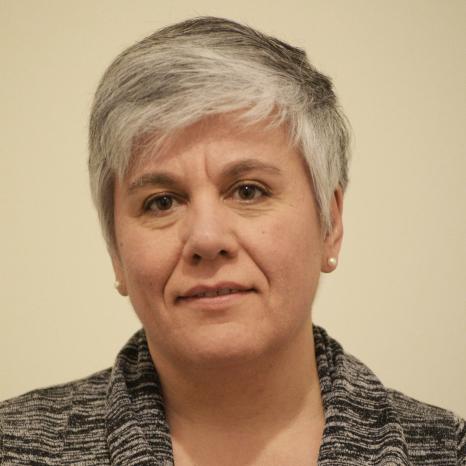
Lucile Couronné is an Associate Professor (MCU-PH) at the University of Paris Cité, where she leads a research team focused on the pathophysiology of rare lymphomas at the Imagine Institute (U1163). Her laboratory is part of the "Cellular and molecular mechanisms of hematological disorders and therapeutic implications" unit led by Professor Hermine, and she is affiliated with the doctoral school "Hematology - Oncogenesis - Biotherapies" (ED n°561). She also collaborates with SIRIC CARPEM, the LYSA cooperative group, and is a member of the Carnot Institute CALYM. Dr. Couronné's research focuses on understanding oncogenesis mechanisms in rare lymphomas, with particular emphasis on NK/T-cell lymphoma and low-grade digestive T-cell lymphoproliferations. Her work spans multiple areas including tumor microenvironment characterization, identification of therapeutic targets, development of preclinical models, and molecular characterization of lymphomas associated with immune deficiencies. She employs advanced techniques such as optical genome mapping, spatial transcriptomics, multiplex immunofluorescence, and multi-omics approaches to investigate these rare malignancies. Her research bridges basic science with clinical applications through national multidisciplinary meetings (RCP) dedicated to rare lymphomas. Her publication record demonstrates consistent contributions to lymphoma research since 2011, with recent work focusing on NK-cell lymphoma modeling, genetic profiling of driver genes, and novel therapeutic approaches. Her research often involves cross-species validation, including the development of feline models for human intestinal T-cell lymphoma, highlighting her innovative approach to studying rare diseases. Dr. Couronné leads a research team that includes PhD students, research engineers, and Master's students, working in close collaboration with multiple national and international partners across hematology, immunology, and veterinary medicine. Her laboratory maintains active partnerships with the LYSATOMIC network of LYSA, the Imagine Institute researchers, and international collaborators including Professor Keisuke Kataoka in Tokyo.