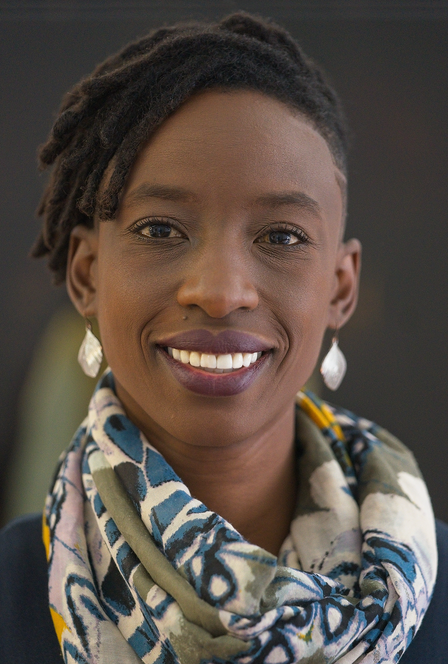
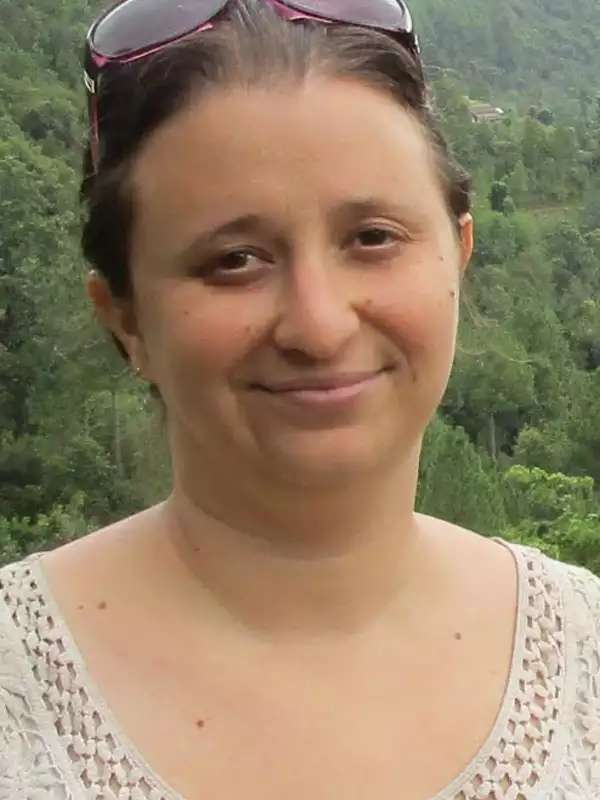
Mateo Cruz (he/him) is an Assistant Professor in the Management Department at Bentley University. His work bridges organizational behavior, diversity, equity, and inclusion (DEI), and social justice, focusing on unconscious dynamics that shape workplace outcomes for historically excluded groups. He teaches courses on organizational theory, group dynamics, and change leadership across undergraduate, graduate, and executive programs. Education: Ph.D. in Social/Organizational Psychology, Columbia University M.Phil. in Social/Organizational Psychology, Columbia University M.A. in Social/Organizational Psychology, Columbia University B.A. in Social Work and Psychology, University of Portland His research investigates covert workplace dynamics affecting DEI, with a focus on stereotype threat, inclusive leadership, and organizational change. His publications span top management and psychology journals, emphasizing LGBTQ+ integration and equity in STEM. He received the New Educator Award from the Management & Organizational Behavior Teaching Society (MOBTS) in 2025 and Bentley’s Presidential Faculty Fellowship in 2024. Scientific awards include the Joseph M. Cronin Award for Academic Advising, the Dr. Earl L. Avery MLK Leadership Award, and multiple Innovation in Teaching Awards. He advises the Center for Women and Business at Bentley and serves on the GLSEN National Executive Board, advocating for LGBTQ+ education. His consulting practice addresses inclusive leadership and organizational culture change.
Prof. Dr. Abdullah KARATAY is a distinguished academic and practitioner in social work, currently serving as a Professor at the Department of Social Work, School of Social Services, Üsküdar University. With a career spanning both civil service and academia, he earned his BSW from Hacettepe University (1986), MA in Sociology from Middle East Technical University (1992), and PhD in Public Administration, Politics, and Social Sciences from Marmara University (2007). He received his associate professorship in 2013 and professorship at Üsküdar University in 2018. Educational Background: Bachelor of Social Work, Hacettepe University (1986) Master of Arts in Sociology, Middle East Technical University (1992) Doctorate in Public Administration, Politics, and Social Sciences, Marmara University (2007) His research focuses on child welfare , social policy , migration studies , and human rights . His recent publications explore refugee integration, child well-being indicators, and historical child protection policies. A key trend in his work is the intersection of public administration and grassroots social challenges, particularly in urban contexts. He has supervised four graduate theses, including studies on non-marriage dynamics and street children’s social policies. Administrative roles include Department Head (2015-2018), Establishment Director (1999-2014), and current Student Club Consultancy at Üsküdar University. His teaching portfolio covers Social Policy , Ethics in Social Work , and Human Rights , among others.
Madelaine Adelman is a Professor of Justice and Social Inquiry at Arizona State University's School of Social Transformation. She holds affiliations with the Mary Lou Fulton College for Teaching and Learning Innovation, Institute for Social Science Research, Jewish Studies, and Center for the Study of Religion and Conflict. Her work bridges cultural anthropology, law, and education with a focus on gender violence, LGBTQ+ rights, and social justice in schools. Adelman earned her Ph.D. in Cultural Anthropology (1997) and A.B. in Anthropology and Political Science (1989) from Duke University. Her research examines domestic violence policies, school climate reforms, and transnational social movements. Notable works include Battering States: The Politics of Domestic Violence in Israel (2017) and co-edited Jerusalem: Conflict and Cooperation (2014). Her interdisciplinary studies address anti-LGBTQ bullying interventions, gaps between workplace equality and safe schools policies, and legal frameworks impacting marginalized groups. She co-founded GLSEN Phoenix and advised Arizona's education policies through the Morrison Institute. Adelman's research spans topics like transdisciplinary approaches to gender violence, Middle Eastern conflict studies, and U.S. education justice. Her over 30 peer-reviewed articles and book chapters emphasize policy advocacy, ethnographic methods, and intersectional analysis.
Shari Trewin is a prominent researcher in accessibility and human-computer interaction at IBM Research with over 25 years of scholarly contributions. Her work focuses on making digital technologies accessible to people with disabilities, particularly in web and mobile contexts. She has published extensively in top-tier venues including ACM SIGACCESS conferences (ASSETS, W4A) and journals, CHI, and other leading HCI publications. Dr. Trewin's research interests span web accessibility, mobile accessibility for users with physical and cognitive disabilities, inclusive design methodologies, and the application of artificial intelligence to improve accessibility. Her work addresses both theoretical foundations and practical implementations of accessible technologies, with particular emphasis on user-centered design approaches and evaluation methodologies. She has made significant contributions to understanding how people with disabilities interact with digital interfaces and how to design systems that accommodate diverse user needs. Her publication record shows a clear progression from foundational work on input devices and keyboard accessibility in the 1990s to contemporary research on AI fairness for people with disabilities. Recent publications demonstrate her leadership in addressing emerging challenges at the intersection of AI and accessibility, particularly around algorithmic fairness and inclusive design practices for AI systems. Among her notable contributions are editorial work for ACM Transactions on Accessible Computing and co-editing conference proceedings for the ASSETS conference. She has collaborated extensively with leading researchers in the field including Vicki L. Hanson, Gregg Vanderheiden, and Calvin Swart. Dr. Trewin has advised junior researchers including Jessica J. Tran, and her work has influenced both academic research and industry practices in accessibility. Her research has practical implications for web developers, designers, and policy makers working to create more inclusive digital experiences.
Dr. Laura Estill is a Canada Research Chair in Digital Humanities (Tier 2) at St. Francis Xavier University, appointed in 2018 and renewed in 2024. Her work focuses on leveraging digital resources to advance humanities research, particularly in early modern literature and Shakespeare studies. She co-edits The Routledge Companion to Digital Humanities in Practice and leads the development of the Canadian Certificate in Digital Humanities, expanding training across Atlantic Canada and beyond. Her research team applies digital methods to build interdisciplinary communities and resources for understanding cultural history. Her research interests include digital pedagogy, manuscript studies, and the intersection of technology with early modern texts. Notable projects include Digital Shakespeare and investigations into early modern readership practices via dramatic extracts in manuscripts. Estill advocates for open scholarship and collaborative knowledge creation, exemplified through Wikipedia integration in university courses and global DH training initiatives. Awards: Canada Research Chair Tier 2 (SSHRC-funded) Grants: Supported by the Social Sciences and Humanities Research Council Estill’s work bridges historical research with modern digital tools, emphasizing accessibility and community-building in humanities scholarship. She actively contributes to conferences and editorial projects, shaping the future of digital humanities education and practice.
Tuula Juvonen is a Senior Lecturer in Gender Studies at the Tampere University , Faculty of Social Sciences, Unit of Social Research. Since 2020, she has taught the Master's Thesis Seminar (SSR.GEN.110) and coordinated/acted as examiner for English courses like YKT.215 (Gender Theories), YKT.228 (Body and Intersectionality), and YKT.YKE.501 (Genders/Sexualities). Research Fields: Queer Studies Lesbian Studies Queer History Affective Inequalities Intimate Relationships Archival Practices Feminist Pedagogy Recent Publications focus on queer historical methodologies, archival activism, affective spaces in LGBTQ+ communities, and interdisciplinary analyses of gender/sexuality discourses. Key themes include theorizing queer temporalities , resisting heteronormativity , and documenting marginalized histories . Scientific Awards: State Award for Public Information (2024, Ministry of Education) YKY Community Award (2015, with Leena Rodriguez) Good Teacher Award (2012, student-voted) Archival Deed of the Year (2012, honor mention) Grants and Projects: Leads the Affective Activism project (2021-2025, Academy of Finland), and has directed/led multiple funded initiatives including Queer Narratives (2012-2017) and Thinking Archives (2005-2006). Her work bridges academic research with community-based queer history preservation through roles in organizations like Friends of Queer History (Chair 2020-2024).
Jih-Fei Cheng is Associate Professor and Chair of the Department of Feminist, Gender, and Sexuality Studies at Scripps College, where he teaches and researches at the intersection of science, media, surveillance, and social movements. He holds a PhD in American Studies and Ethnicity with an emphasis in Visual Studies from the University of Southern California, an MA in Asian American Studies from UCLA, and a BA in Communication from UC San Diego. His interdisciplinary scholarship engages feminist, queer, and decolonial theories to analyze the political economies of virology, global health, and racial capitalism. His research centers on the historical and transnational entanglements of science, empire, and social justice. Key areas include the institutionalization of queer politics, the geopolitics of HIV/AIDS, and the racialized foundations of virology. His co-edited volume AIDS and the Distribution of Crises (Duke UP, 2020) rethinks the pandemic as a network of overlapping crises shaped by colonialism and neoliberalism. He is currently working on a book project titled Materialist Virology , which historicizes virology within Euro-American empire. Cheng’s recent publications span journals such as History and Technology , Radical History Review , and GLQ , with 2025 articles on financial contagion and reservoirs signaling his continued engagement with interdisciplinary frameworks linking finance, disease, and history. His work often collaborates with artists and activists, exemplified by writings on Candice Lin’s art and co-organized dialogues on care and intravention during the pandemic. He has been recognized with multiple awards, including the Lavender Graduation Award (2023, 2016), Professional Development Grants (2019–2020, 2016–2017), and fellowships from USC and the American Antiquarian Society. His teaching and service reflect a deep commitment to LGBTQIA inclusion, racial justice, and community-based scholarship. Lavender Graduation Award for providing safe and inclusive spaces for LGBTQIA students, Queer Resource Center, The Claremont Colleges (2023) Professional Development Networks Grant at The Claremont Colleges (2019–2020) Diversity Teaching Award Nominee, The Claremont Colleges (2018) EnviroLab Asia Research and Conference Award (2017–2018) Lavender Graduation Award (2016) Professional Development Networks Grant (2016–2017) Research Fellow, Summer Institute for the Center for Historic American Visual Culture, American Antiquarian Society (2014) Visual Studies Summer Research Award, USC (2014) New Directions Fellow, USC Center for Feminist Research (2011–2012) Tritia Toyota Fellowship (2001–2002) Cheng has advised and collaborated with numerous scholars and activists, though no formal advisees are listed. His work is deeply rooted in community engagement, having previously worked in HIV/AIDS social services and served on the Board of Directors at the HIV League. He was managing editor of American Quarterly (2010–2013) and has taught at UCLA and Hunter College. His research is supported by interdisciplinary networks and collaborative projects, including digital humanities initiatives and art-theory praxis. He is involved in multiple collaborative research and publishing projects, often working with artists like Candice Lin and scholars such as Alexandra Juhasz and Nishant Shahani. His recent special issue on 'Reservoirs' brings together scholars from anthropology, media studies, and philosophy to rethink historical and ecological crises. His lab-like collaborative environments include feminist media praxis collectives and interdisciplinary workshops on crisis, care, and decolonial knowledge.
Joëlle Rouleau is an Associate Professor at Université de Montréal's Faculty of Arts and Sciences, Department of Art History, Cinema and Audiovisual Media. Her academic career spans queer theory, gender studies, film studies, and research-creation methodologies. Department: Art History, Cinema and Audiovisual Media Research Focus: Intersectional Representation in Quebec Cinema, Queer TV Studies, Feminist Approaches Her research explores queer and trans media representation , intersectional film analysis , and gender-sensitive health studies . Recent projects include queer television conferences and disability representation studies in cinema. Notable trends in her 2014-2022 publications include: analysis of Queer TV seriality , gender metrics in health research , and intersectional feminist film pedagogy . She has secured multiple Canadian federal grants (SSHRC, CIHR, FRQSC) for her queer media studies. 3 SSHRC-funded research projects 1 CIHR/IRSC medical gender study 1 FRQSC research-creation grant Rouleau supervises master's students on topics including: queer cinema pedagogy, neuroqueer emancipation, and cinematic power dynamics. She leads Labo Télé UdeM and contributes to disability art research initiatives.
Laura Horak is Professor of Film Studies at Carleton University and director of the Transgender Media Lab and Transgender Media Portal. Her research investigates transgender and queer film history across the United States, Canada, and Sweden, establishing her as a pioneer in trans cinema and media studies. A white cis queer settler scholar, she leverages institutional resources for social justice through public-facing scholarship and community collaboration. Her educational background includes: BA from Yale University MA and Ph.D. from UC-Berkeley Horak's research centers on how cinema shapes gender and sexuality from early 20th-century silent films to contemporary trans YouTube content, with emphasis on cross-dressing women, trans filmmaking practices, and feminist/queer media historiography. She bridges transgender studies, film history, and digital humanities to recover marginalized narratives and challenge heteronormative film canons. Her recent publications (2018-2024) demonstrate three key trends: 1) Development of trans digital humanities through special issues on queer/trans DH and cinematic bodies; 2) Feminist film archiving focused on silent cinema's 'nasty women' and cross-dressing histories; 3) Trans media activism via film festivals, erotic curation, and community-centered platforms like the Transgender Media Portal. This work consistently prioritizes intersectionality, international collaboration, and public accessibility. Horak's scholarly impact has been recognized with: Huffington Post Best Film Books of 2016 for Girls Will Be Boys Choice Outstanding Academic Title (2016) Richard Wall Memorial Award Finalist (2016) Kraszna-Krausz Best Moving Image Book Longlist (2016) She mentors emerging scholars in film studies and digital humanities while securing major research funding, including an SSHRC Insight Grant (2020-2025), Ontario Early Researcher Award (2019-2024), and SSHRC Partnership Development Grant for Cinema’s First Nasty Women . Her work integrates academic rigor with public engagement through film programming and digital tool development. Horak founded the Transgender Media Lab as a physical and virtual hub for trans media scholarship and created the Transgender Media Portal to democratize access to trans film history. She collaborates with international film archives, festivals, and scholars to preserve trans cinematic heritage and foster community connections through projects like the 99-film Cinema’s First Nasty Women collection praised by The New York Times as a 'mind-expanding endeavour'.
Noémie Ndiaye serves as Associate Professor of Renaissance and Early Modern English Literature in the Department of English Language and Literature at the University of Chicago. Her research sits at the intersection of early modern literary studies, critical race studies, theater and performance studies, and comparative literature, with specific focus on racial, gender, and identity formation processes. She has taught at UChicago since 2019 after earning her PhD from Columbia University in 2017 (with prior studies at École Normale Supérieure, Paris). Her research interests revolve around theatrical representations of race across early modern Western Europe, particularly examining how performance culture transformed blackness into a racial category. She employs transnational, comparative, and transhistorical frameworks to analyze racialization through cosmetic, vocal, and kinetic techniques of impersonation. Additional research threads include visual culture, gender and sexuality studies, translation practices, and the intersections of race with capitalism and globalization in early modern contexts. Ndiaye's publications reveal consistent focus on racial triangulation and transnational performance networks , with recent work expanding beyond Blackness to examine representations of Muslim, Jewish, Indigenous, Romani, and Asian characters in European theater. Her scholarship demonstrates methodological innovation through contrapuntal theater history and visual culture analysis, often connecting early modern racial formations to contemporary structures of white supremacy. 2023 Bevington Award from the Medieval and Renaissance Drama Society 2023 Rose Mary Crawshay Prize from The British Academy 2023 Shakespeare’s Globe Book Award 2024 PROSE Award for Art Exhibitions 2022-2023 William Nelson Prize for best article in Renaissance Quarterly Ndiaye actively collaborates with visual artists and theater makers through UChicago's Black Baroque programming and co-curated the 'Seeing Race Before Race' exhibition at the Newberry Library. Her teaching spans undergraduate courses on Black Shakespeare, representations of Islam in early modern England, and graduate seminars in Early Modern Critical Race Studies, emphasizing intersectional trans-inclusive feminism and transnational approaches.
Janelle Joseph, PhD, is an Associate Professor in the Department of Health Sciences and Sport Management at Brock University, Ontario. She is the Founder and Director of the IDEAS Research Lab, focusing on Indigeneity, Diaspora, Equity, and Anti-racism in Sport. Her work bridges Black Studies, Health Sciences, and Sport Management to address systemic barriers in movement cultures. Dr. Joseph has secured over $4 million in research grants and authored over 50 publications and three books on social justice in sport. Key Research Themes: Racial justice, decolonial praxis, and structural barriers in sport and health Awards: 2023 Canada’s Top 100 Black Women, Royal Society of Canada membership Professional Roles: Past President of the Black Canadian Studies Association, Co-Editor of the Globalizing Sport Studies series Her research emphasizes community-based methodologies and has influenced policy reforms in sport governance and EDI frameworks. The IDEAS Lab actively supports graduate students and early-career researchers through embodied decolonial praxis.
Teresa TRUA is an Associate Professor at the Department of Earth Sciences, University of Parma, where she has been employed since 1998. She teaches Petrography (12 ECTS) for the Geological Sciences (L-34) program and holds additional teaching appointments in Geothermal Energy and Active Magmatic Systems. Her academic career includes a Ph.D. in Earth Sciences (University of Pisa, 1997) and a geological sciences degree from the University of Calabria (1990). 1967: Born in Genova, Italy 1990: Degree in Geological Sciences, University of Calabria 1997: Ph.D. in Earth Sciences, University of Pisa Her research focuses on petrology and geochemistry of magmas in back-arc basins (Southern Tyrrhenian), rift areas (Ethiopian Rift; Hyblean Plateau), and post-collisional settings (Carpathian Arc), aiming to decipher magma petrogenesis and geodynamic relationships. She specializes in melt inclusions in olivine phenocrysts and crystal textural/chemical analysis as petrogenetic tools for plumbing system reconstruction. Recent publications (2024) analyze back-arc plumbing systems, carbonatite signatures in Southern Italy, and time scales of mush-dominated magmatic processes, building on 34+ international journal publications with 753 citations (h-index: 14, i10-index: 17 as of 2018). Collaborations include ISMAR-CNR (Bologna), IGG-CNR (Pisa, Padova, Pavia), DiBEST (University of Calabria), and CNRS-IRD (France). Teaching spans Petrography (I & II) at both first and second cycle degrees in Earth Sciences and Geological Sciences Applied to Environmental Sustainability (2013-2025). Her work integrates field-based volcanic rock studies, geochemical data, and experimental petrology to unravel mantle dynamics and crustal magma evolution.
Professor Catherine Lee MBE is a leading academic and administrator at Anglia Ruskin University (ARU), serving as Pro Vice Chancellor and Dean of the Faculty of Arts, Humanities, Education and Social Sciences and a Visiting Professor at Bishop Grosseteste University . With a career spanning over two decades, she has transformed educational practices through her work on LGBTQ+ inclusion , teacher well-being, and leadership development . PhD in Education (UCL Institute of Education, 2013) National Teaching Fellow (2021) MBE recipient (2023) for services to equality in education Her research focuses on equity in educational institutions , particularly examining how heteronormativity , homophobic policies , and Section 28 have shaped teacher identity and student experiences. Through autoethnographic methods and narrative inquiry , she has produced groundbreaking work on LGBTQ+ teacher visibility and leadership challenges . Her publications and media presence (including a 2023 BAFTA-nominated film based on her memoir Pretended: Schools and Section 28 ) demonstrate a consistent pattern of policy-influencing scholarship across teacher training , gender identity , and institutional change . Recent articles analyze trans inclusion in schools , LGBTQ+ leadership , and social work interventions for queer youth. Scientific Recognition Named in Independent Newspaper’s Pride Power List (2019) Finalist for British Diversity Award (2020) Recipient of Emerald Global Real Impact Awards (2020) As an adviser to the UK Department for Education and founder of the UK's first LGBTQ+ leadership development program , Lee has significantly influenced national educational strategies. Her 15 most recent publications (2023-2017) cover critical areas including teacher identity , LGBTQ+ leadership , and policy reform in both school and university settings.
Anna C. Korteweg is a Professor of Sociology at the University of Toronto Mississauga (UTM). Her research focuses on Muslim citizenship in European/North American societies, including debates on headscarves, 'honour-based' violence, Sharia law, and LGBTQ+ refugee politics. She currently leads SSHRC-funded research on ISIS returnees to Europe and Canadian refugee sponsorship implications. Korteweg holds a PhD in Sociology from UC Berkeley (2004) and has held visiting positions at the University of Bielefeld and University of Amsterdam. She served as Chair of UTM’s Department of Sociology from 2015–2020 and co-edits Social Politics: International Studies in Gender, State & Society . Her work bridges academic research with public engagement, including co-authoring monographs such as The Headscarf Debates: Conflicts of National Belonging (Stanford UP, 2014) and edited volumes on Sharia law arbitration. Her publications address intersectional marginalization, transnational policy comparisons, and the co-construction of borders in refugee politics. Korteweg’s research has been supported by SSHRC, DAAD, and CERIS grants, emphasizing empirical rigor and interpretative methods. Her current projects explore: 1) the reintegration of ISIS returnees into European societies; 2) LGBTQ+ refugee claimants' border negotiations; and 3) the citizenship dimensions of Canada’s private refugee sponsorship system. She collaborates with the Peel Social Lab, translating research for broader public impact through interdisciplinary approaches.
E. Mara Green serves as an Assistant Professor of Anthropology at Barnard College, where she teaches anthropological theory, linguistic anthropology, disability studies, and South Asian cultures through the lens of deaf, queer, and feminist frameworks. Her research program investigates the ethical foundations of communication, emphasizing that mutual understanding requires both linguistic resources and social commitment to connection. Green's ethnographic work in Nepal examines deaf communities using Nepali Sign Language (NSL) and natural sign systems, revealing how communication practices intersect with caste, ethnicity, and bodily experience. Current projects explore NSL signers' parenting experiences and communicative strategies of queer and trans Nepalis across modalities, employing methodologies including video ethnography, participant observation, and linguistic analysis to document embodied interaction. Her 10 publications (2014-2024) demonstrate consistent theoretical innovation at the intersection of linguistic anthropology and deaf studies, challenging Western linguistic frameworks by centering Nepali signers' own theories of language. Key contributions include analyses of gesture pragmatics, sign language ideologies, and moral dimensions of international deaf encounters, culminating in the 2024 monograph Making Sense: Language, Ethics, and Understanding in Deaf Nepal . At Barnard, Green advises anthropology majors and mentors linguistics special majors through petition processes. While specific grant details are unreported, her inclusion in Barnard's 2020 faculty awards announcement suggests institutional recognition of research excellence through mechanisms like Fulbright support.