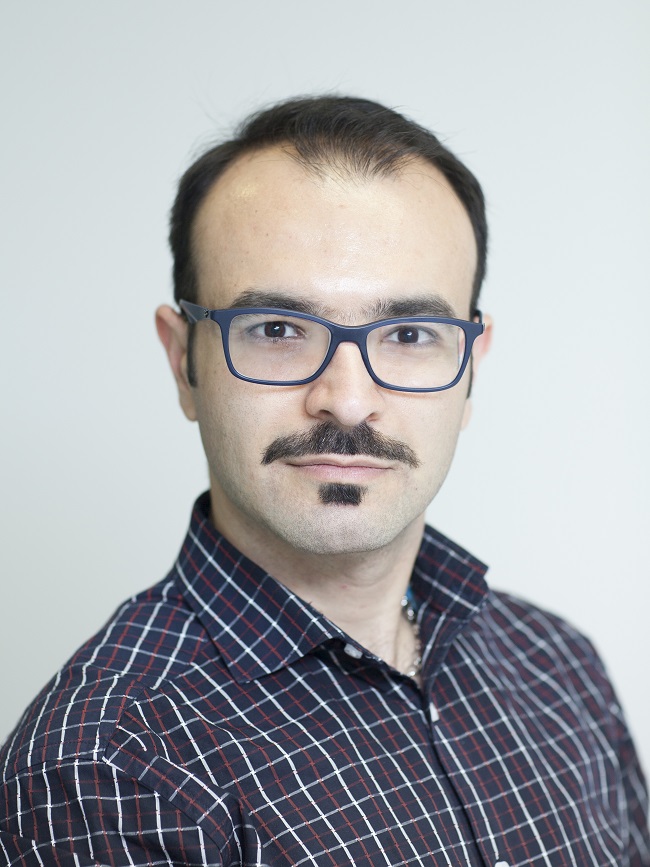
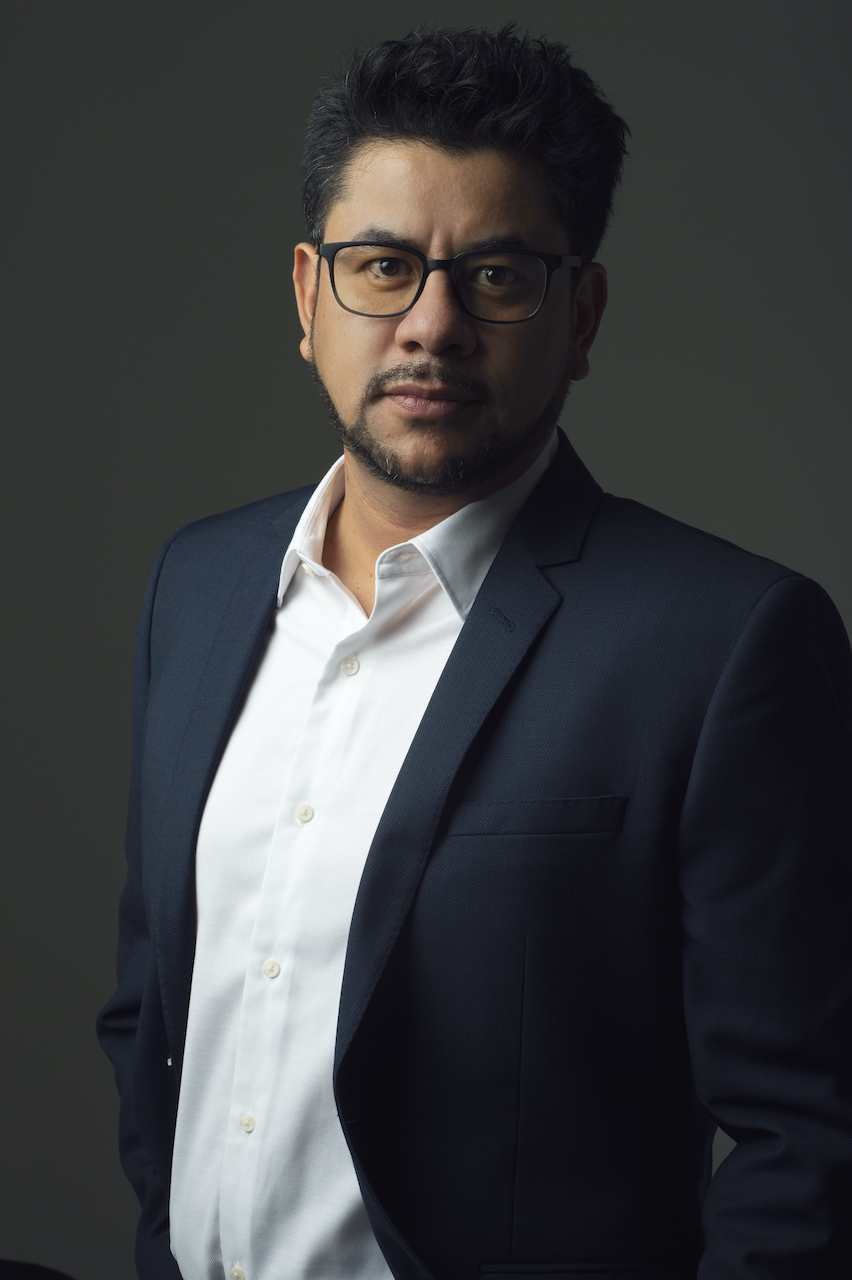
Roberto Martinez-Maldonado is an Associate Professor in the Department of Human Centred Computing at Monash University's Faculty of Information Technology. He holds a PhD in Human-Computer Interaction and Educational Data Mining from the University of Sydney. His research focuses on Learning Analytics, Artificial Intelligence in Education, and Collaborative Learning, with applications in healthcare and classroom settings. Prior to Monash, he worked at the Connected Intelligence Centre (CIC) and as a lecturer at the University of Technology, Sydney. His academic journey includes a Master's in Information Technology from Universidad Tecmilenio and a Bachelor's in Computer Systems Engineering from Instituto Tecnológico de Mérida. Key research projects include developing analytics dashboards for healthcare simulations, teamwork analytics for professional education, and AI-driven tools for reflective practice. His innovations include the HuCETA framework and the Data Storytelling editor, which enhance educational data visualization and teacher-student interaction. He has received multiple awards, including the 2022 Best Student Paper and 2020 Best Paper Award. His work contributes to UN Sustainable Development Goals related to quality education. He supervises PhD students in Multimodal Teamwork and Classroom Analytics. Roberto is actively involved in academic conferences, serving on program committees for LAK and AIED. Media engagements include ABC Radio interviews discussing classroom design and AI in education.
Sarah Howard is an Honorary Professor at the School of Education, University of Wollongong, and concurrently holds roles such as Visiting Professor at Vrije Universiteit Brussel. Her research focuses on leveraging new technologies and data science to understand classroom practices, teacher change, and technology integration. Key areas include cultural and individual factors influencing teachers' digital technology use, blended learning environments, and automated classroom observation systems. She leads projects like national app use studies in primary schools and data/video mining methods for digital-physical space integration. Her academic roles include supervision of higher-degree research students across multiple institutions. Funding includes ARC grants and internal university schemes exploring rural student potential, generative AI in education, and flexible learning spaces. Her work emphasizes innovative educational technologies, teacher professional development, and systemic educational change. Recent publications span AI in education, blended learning frameworks, and teacher readiness for online instruction. She collaborates internationally, with a focus on integrating theoretical and practical insights to drive educational innovation.
Rosemary Giuriato is an Associate Professor and Head of the Department of Chiropractic at Macquarie University. She holds a PhD in Anatomy from the University of New South Wales (2013-2022), a Master of Science from UNSW (1992-1994), and degrees in Osteopathy, Chiropractic, and a BSc from the University of Sydney (1981-1983). Her research focuses on chiropractic education, anatomical sciences, curriculum development, and clinical proficiency. She leads the 'Vestibular rehabilitation and manual therapy intervention' project (2025-2026) and has contributed to studies on anatomy knowledge among chiropractors and student preparedness for clinical practice. Giuriato received the 2023 Education Excellence Award for her contributions to teaching innovation. Her work emphasizes evidence-based practice, interprofessional collaboration, and improving educational standards in healthcare programs. Education: PhD in Anatomy, University of New South Wales (2013-2022) MSc, University of New South Wales (1992-1994) Doctor of Osteopathy, Sydney College of Chiropractic and Osteopathy (1986-1987) Graduate Diploma in Chiropractic, Sydney College of Chiropractic Ltd (1983-1985) BSc, University of Sydney (1981-1983) Research Interests: Anatomy education, clinical diagnosis in chiropractic, curriculum design, evidence-based practice, and interprofessional collaboration. Recent Projects: Leading a pilot trial on vestibular rehabilitation for mild traumatic brain injury (2025-2026) Developing digital health education programs (2016-2017) Evaluating chiropractic curricula (2018-2018) Awards: Education Excellence Award 2023
Dr. Michael (Miek) Dunbar is a Lecturer in Communication Design at RMIT University's School of Design , specializing in interaction and service design for regenerative futures. He co-leads the Greater Melbourne City Portrait initiative with Regen Melbourne, focusing on creating safe social and ecological urban frameworks. His work challenges anthropocentric data practices while developing digital public tools for urban decision-making. Key research areas include: Regenerative Design, More-than-human Data Sets, Collaborative Design Teams Teaching: Master of Communication Design program, Service Design, Work Integrated Learning His publications address urban data infrastructures, collaborative design methods, and regenerative practices. Projects like Australia's first Housing Monitor demonstrate his focus on civic data systems and urban sustainability. Current research explores: Relational ontologies in data visualization Multi-species sensing apparatuses Expanded participatory data governance
Kirsty Kitto is an Associate Professor at the University of Technology Sydney in the Learning Design and Technology Unit. With a background in theoretical physics and computer science, her research focuses on developing quantum-inspired models of contextuality to understand complex human behavior in educational systems. She explores the intersection of Artificial Intelligence (AI) , Learning Analytics , and Educational Theory , seeking to bridge the divide between big data and pedagogical frameworks. Current Appointments : Associate Professor (2020-present), Senior Lecturer (2017-2020) Past Academic Roles : Senior Research Fellow (QUT), Senior Lecturer (QUT), Associate Lecturer (Flinders University) Her funded research includes projects on: Quantum models in cognitive systems (ARC Fellowship DP1094974) AI literacy in digital workplaces (IEEE Transactions study) Contextual learning analytics (DVC Education and Students Division) Skills passports for lifelong learning (UMAP 2024 paper) Kitto's recent work examines human-AI interaction in writing assessment, data storytelling for teacher-centered analytics, and causal modeling to strengthen educational theory-data connections. She actively supervises Masters and PhD students and contributes to policy debates through government submissions on generative AI in education. Her methodology combines mathematical formalism with sociotechnical analysis to address educational complexity.
Sally Male is an Adjunct Professor at The University of Western Australia and holds a position as Professor and Director of the Teaching and Learning Laboratory at The University of Melbourne. Her research focuses on engineering education, gender inclusivity, and industry engagement, with a particular emphasis on curriculum development and student experience improvement. She has led multiple national projects funded by organizations like the Australian Government Office for Learning and Teaching and the National Centre for Student Equity in Higher Education. Her educational background includes a PhD examining industry perceptions of engineering graduate competencies. She has extensive teaching experience, including supervising PhD students, coordinating engineering design projects, and developing workshops on curriculum design. Her work aligns with UN Sustainable Development Goals, particularly in fostering inclusive and equitable education systems. Research Interests: Engineering Education, Gender Inclusivity, Threshold Concepts, Work Integrated Learning, Industry-Academia Collaboration Grants: National Centre for Student Equity in Higher Education (2017) Australian Government Office for Learning & Teaching (2015–2013) UWA Education Research Seed Funding (2013) Awards: AAEE Award for Engineering Education Research Design (2021), Best Student Paper (2020) Her contributions extend to editorial roles, including serving as Editor-in-Chief of the Australasian Journal of Engineering Education . She actively promotes STEM education equity and has published over 90 research outputs, emphasizing practical solutions for enhancing student capabilities and societal impact.
Suzanne C. Hopf is a Senior Lecturer and Course Director for the Master of Speech Pathology at Charles Sturt University, Australia, within the School of Allied Health, Exercise and Sports Sciences. Based in Nadi, Fiji as an Australian-Fijian citizen, she leads the blended online Master of Speech Pathology program and serves as Discipline Lead for Speech Pathology. Her work bridges academic leadership with on-ground clinical innovation in Pacific Islander communities. Her educational background includes: BAppSc (Speech Pathology) Hons Cert TESOL AdCert TEYL GradCertLTHE (Graduate Certificate in Learning and Teaching in Higher Education) PhD in 'Supporting Fijian children's communication' Dr. Hopf's research centers on equity in communication disability services, examining how individual, community, and societal factors create barriers and facilitators in underserved regions. She developed the Communication Capacity Research and Culturally Responsive Teamwork frameworks to guide evidence-informed, culturally responsive service development. Current projects focus on Fijian children's oral/written communication acquisition and culturally appropriate pre-school interventions, with strong emphasis on Pacific Islander contexts and multilingual populations. Her work directly contributes to UN Sustainable Development Goals for health equity and quality education. Analysis of her recent publications reveals consistent thematic focus on culturally responsive practice across 111 research outputs, with accelerating productivity (21 publications in 2024). Key trends include innovative arts-based methodologies for child voice research, decolonizing clinical frameworks, and virtual work-integrated learning models addressing global workforce shortages. The research demonstrates strong interdisciplinary connections across speech pathology, early childhood education, and Pacific Islander health equity. Scientific recognition includes: 2021 Charles Sturt Executive Dean’s Teaching Award for blended online Master of Speech Pathology 2021 Staff Excellence Award: Successful Graduates 2022 Research Excellence Through Partnership Award 2023 Excellence Awards: Research (Early Childhood Interdisciplinary Research group) 2023 Excellence Awards: Social Responsibility (Highly Commended) As an educator and supervisor, Dr. Hopf has guided PhD and Honours students to timely completion while fostering collaborative publication opportunities. Her student-centered approach maximizes engagement through innovative learning spaces, recognized through departmental teaching awards. Current grants support Fijian communication capacity building and virtual study abroad placements, with active partnerships including the Frank Hilton Organisation's Technical Governance Team. Dr. Hopf co-leads the Children's Voices Centre and Social Equality Intersectionality & Inclusion Research Group, while contributing to the Early Childhood Interdisciplinary Research group. Her Pacific-focused work involves community co-design through initiatives like the Fiji National Consultation on Assistive Technology, ensuring research directly addresses local needs while building sustainable service capacity.
Dr. Fenton O'Leary is a Professor in the Department of Paediatrics at the University of New South Wales, specializing in Paediatric Emergency Medicine and Medical Education . His work focuses on simulation-based training, resuscitation protocols, and improving child health outcomes through innovative clinical tools. Paediatric Emergency Medicine Simulation Training Resuscitation Research His recent publications (2022-2024) analyze pandemic impacts on healthcare, simulation fidelity, and educational technologies. Collaborations with institutions like the Children's Hospital at Westmead highlight his commitment to practical, scalable solutions in paediatric care. Dr. O'Leary co-developed the RESUS4KIDS program to standardize paediatric resuscitation training, emphasizing interdisciplinary teamwork and real-world scenario preparation.
Dr. Arash Khatamianfar is a Lecturer in the School of Electrical Engineering and Telecommunications at the University of New South Wales (UNSW), specializing in Control Engineering and Robotics. With a strong background in both academia and industry, he has made significant contributions to engineering education and control systems research. His educational background includes a B.Sc. in Electrical Engineering (Electronics major) from Iran (2005), an M.Sc. in Electrical Engineering (Control Engineering and Robotics major) from Iran (2008), and a Ph.D. in Electrical Engineering with focus on Control Systems and Robotics from UNSW (2015). Dr. Khatamianfar's research spans two primary domains: educational technologies in engineering education and advanced control systems. In engineering education, he has focused on developing effective online laboratory practices, managing hands-on labs during the pandemic, and comparing online versus in-person teamwork. In control engineering, his work centers on overhead crane systems, model predictive control, and applications in renewable energy systems. His publications reveal a clear trajectory from theoretical control methods to practical industrial applications, with recent work emphasizing educational technologies alongside continued contributions to control theory. Best Lab Demonstrator Award in the School of Electrical Engineering and Telecommunications at UNSW (2014) Nominated for Best Lab Demonstrator Award at UNSW (2015) Nominated for Best Lecturer Award in the Faculty of Engineering at UNSW (2018) Dr. Khatamianfar has demonstrated significant commitment to teaching excellence, earning the first-ever Best Lab Demonstrator Award in his school based on student satisfaction. His industry experience includes work at Buildings Alive Pty. Ltd. as a Systems and R&D Engineer, where he developed methods for improving energy consumption in commercial buildings, and professional training in SIEMENS PLC systems. He has been active in the Systems and Control group at UNSW, particularly in running teaching laboratories and collaborating in research laboratories. His work environment includes the Systems and Control Research laboratories at UNSW, where he has supervised undergraduate thesis students and contributed to developing advanced control methodologies with practical industrial applications.
Gloria Milena Fernandez Nieto is a Research Fellow in the Faculty of Information Technology at Monash University. She holds a master's in Systems and Computer Engineering from Universidad de Los Andes (Colombia) and a PhD in Learning Analytics from the University of Technology Sydney. Her research focuses on Teamwork Analytics, learning feedback mechanisms, and educational technology, particularly in designing tools to support teacher and student reflection. She contributed to the UN Sustainable Development Goals through her work in education technology. Her collaborations span institutions globally, including the Connected Intelligence Centre. Notable outputs include co-designing knowledge management tools for educators and developing learning analytics dashboards. She received the Best Paper Award (2020) for collaborative research. Her articles emphasize multimodal learning analytics, dashboard design, and data storytelling. Projects like the 'Data Storytelling Editor' and 'Evidence-based Multimodal Learning Analytics' highlight her focus on bridging educational theory and practical tool development.
Steven Walker is an Associate Professor in the Department of Experiential Development and Graduate Education at Monash University's Faculty of Pharmacy and Pharmaceutical Sciences. His roles include Intern Programs Manager, overseeing units such as PHR5061 and PHR5162, and academic lead for undergraduate units like PHR2042 and PHR3042. His expertise spans clinical pharmacy, education research, and interprofessional collaboration, with a focus on therapeutic reasoning, competency-based education, and work-integrated learning. Education Background: Walker holds a Doctorate by Research (Pharmacy and Pharmaceutical Sciences Education) from Monash (2019) and a Bachelor of Pharmacy (Honours) from the same institution (2010). Research Interests: His work bridges education and practice, addressing therapeutic reasoning models, interprofessional education, and pharmacy practice innovations like antibiotic allergy management and febrile neutropenia treatment. He has contributed to national initiatives such as the Australian Pharmacy Council's Workplace-Based Assessment training and the Society of Hospital Pharmacists Australia's Education Pharmacist framework. Notable Achievements: Recognized with multiple teaching awards, including the Monash Student Association Faculty Teaching Excellence Award (2019, 2020), and the 2022 Citation for Outstanding Contribution to Student Learning. His research has informed curriculum design and assessment methods in digital health and interprofessional collaboration. Collaborations: Active in national and international networks, including collaborations with the Australian Pharmacy Council and SHPA. His projects include framing postgraduate digital health curricula and advancing workplace-based training programs.
Louise Luff serves as a Senior Lecturer in the Discipline of Accounting, Governance & Regulation at the University of Sydney Business School, where she also directs Academic Integrity initiatives. Her industry background includes senior management roles at a Big 4 accounting firm and technical leadership at a major Australian financial institution, which informs her practical teaching approach in courses like ACCT3011 Reporting on Business Groups and ACCT6001 Financial Reporting and Analysis. Her research spans financial reporting, accounting education innovation, and academic integrity, with emphasis on authentic learning through immersive technologies. Recent projects like the Immersive 360 Case Study (2019) and Reimagining First Year Accounting (2023) demonstrate her commitment to bridging classroom theory with professional practice. She co-authors authoritative textbooks including multiple editions of Accounting for Corporate Combinations and Associations , contributing significantly to accounting pedagogy. Publications reveal a clear trajectory toward technology-enhanced learning, with 2021-2024 works focusing on 360-degree videos, Excel integration, and community-based interactivity. These span educational technology, accounting pedagogy, and curriculum design, highlighting her dual expertise in financial reporting standards and innovative teaching methodologies. Luff has earned significant recognition for teaching excellence: 2023 University of Sydney Educational Innovation Highly Commended Award 2023 Dean's Toolbox and Innovators Award 2021 Dean's award for FFT 2020 Dean’s Award for Teaching She leads multiple funded projects including the 2024 Introducing Professional Decision Making in the Accounting Major and 2023 Reigniting the Live Lecture initiative, collaborating with colleagues like J. Coupe and K. Ji. Her work with Chartered Accountants Australia and New Zealand extends her impact beyond the university through CA program development and professional publications. As Academic Integrity Director, she shapes institutional policies while maintaining active participation in educational communities, reflecting her holistic commitment to ethical accounting education and student professional readiness.
Bhavani Sridharan is an academic researcher affiliated with the Faculty of Law and Business. Her work focuses on e-learning, collaborative learning, peer assessment, and curriculum development in higher education. She has contributed extensively to understanding sustainable e-learning ecosystems, competency assessment frameworks, and social learning communities. Researcher at Faculty of Law and Business Specializes in e-learning, peer assessment, and higher education pedagogy Research Interests: Bhavani’s research explores collaborative learning , knowledge management , and technology integration in education. Her studies examine how peer assessment and student engagement impact learning outcomes, alongside frameworks for dynamic curriculum design and responsible management education . Publications: Her recent work includes studies on blockchain applications in education, cognitive and social learning factors , and the role of AI in cyber education . She has published in journals such as Studies in Higher Education and Journal of Business Research .
Dr. Paulo Santos is a Senior Lecturer at Flinders University's College of Science and Engineering, specializing in Artificial Intelligence with a focus on explainable AI systems. He holds a PhD from Imperial College London (2003) and has over 20 years of research experience in spatial reasoning, machine learning, and robotics. His work bridges knowledge representation with deep learning to enhance transparency in AI decision-making. Dr. Santos has led research groups in Brazil, collaborated internationally, and secured funding from organizations like the British Council and EU. His expertise spans robotics, computer vision, and cognitive science. Notable achievements include the British Computer Science Machine Intelligence Prize (2004) and the Santander Prize for Science and Innovation (2006). Research interests include reinforcement learning for autonomous underwater vehicles (AUVs), scene graph generation in computer vision, and spatial reasoning for multi-robot systems. Recent work emphasizes sim-to-real transfer learning and fault recovery in underwater robotics.
Dr. Eduardo Benitez Sandoval is a social robotics researcher at UNSW Sydney, affiliated with the School of Arts, Design & Architecture. His work focuses on reciprocity in Human-Robot Interaction (HRI), robots in education and healthcare, and ethical implications of social robotics. He holds a PhD in Human Interface Technology from the University of Canterbury (2016) and a Master's in Industrial Design from UNAM (2012). He has received notable awards including the 1st Place Video HRI Award (2016) and recognition as one of Mexico's 30 Promising Young Mexicans (2015). His research explores decision-making in HRI, robot design principles, and the societal impact of AI. He emphasizes 'robot ergonomics' and 'human-centric design' in creating socially meaningful machines. Current supervision includes two master’s students at UNSW's School of Computer Science and availability to mentor PhD candidates in HRI, social robotics, and interaction design. Teaching includes 'Research Foundations' and 'Human Centred Design' courses. Key research themes include addiction to robots, conflict mediation via robots, and cultural preservation through robotic agents (e.g., Robot Maori Haka project). He advocates for robots 'in the wild' testing, combining quantitative and qualitative HRI evaluation. Collaboration opportunities exist in multidisciplinary projects blending robotics, psychology, and design. His work has led to over 50 publications including designs/architecture works like the 3D-printed social robot prototype (2020). Awards reflect both academic excellence (e.g., Alfonso Caso Medal) and innovation (e.g., Startup Weekend recognition). He actively engages in public discourse via media appearances and maintains professional profiles on LinkedIn, ResearchGate, and Google Scholar.