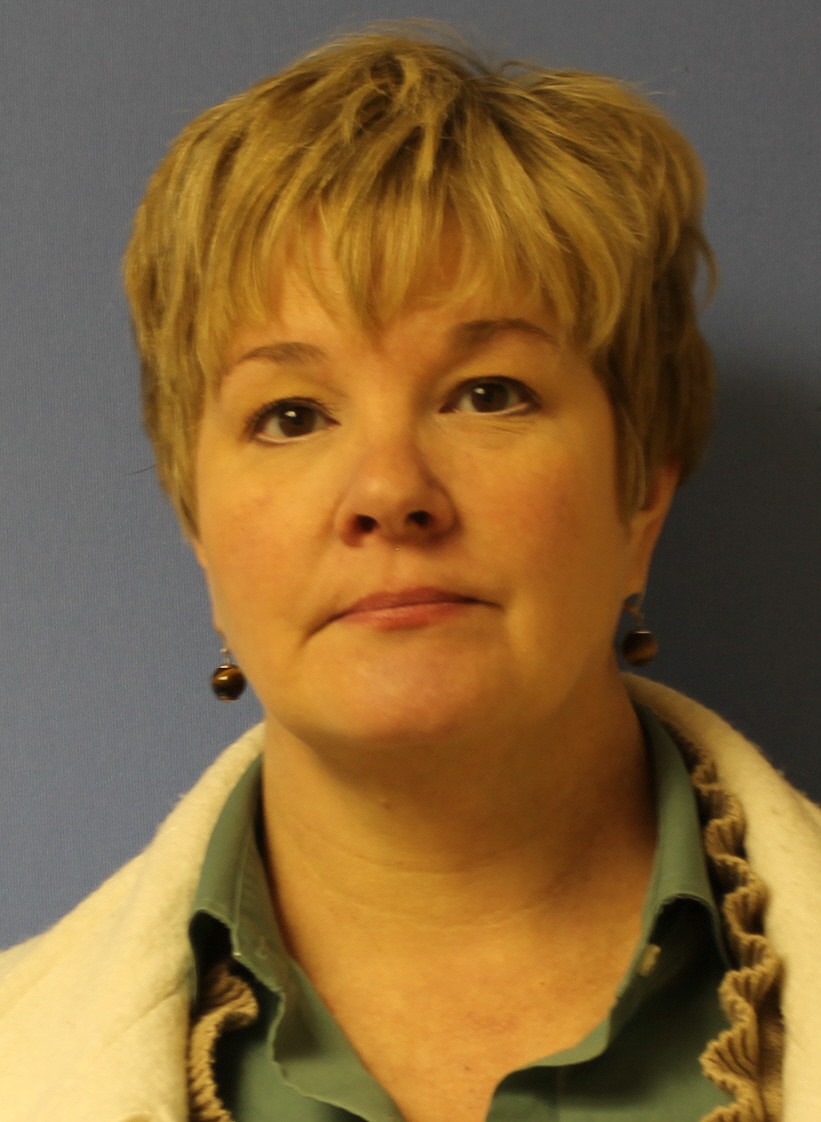
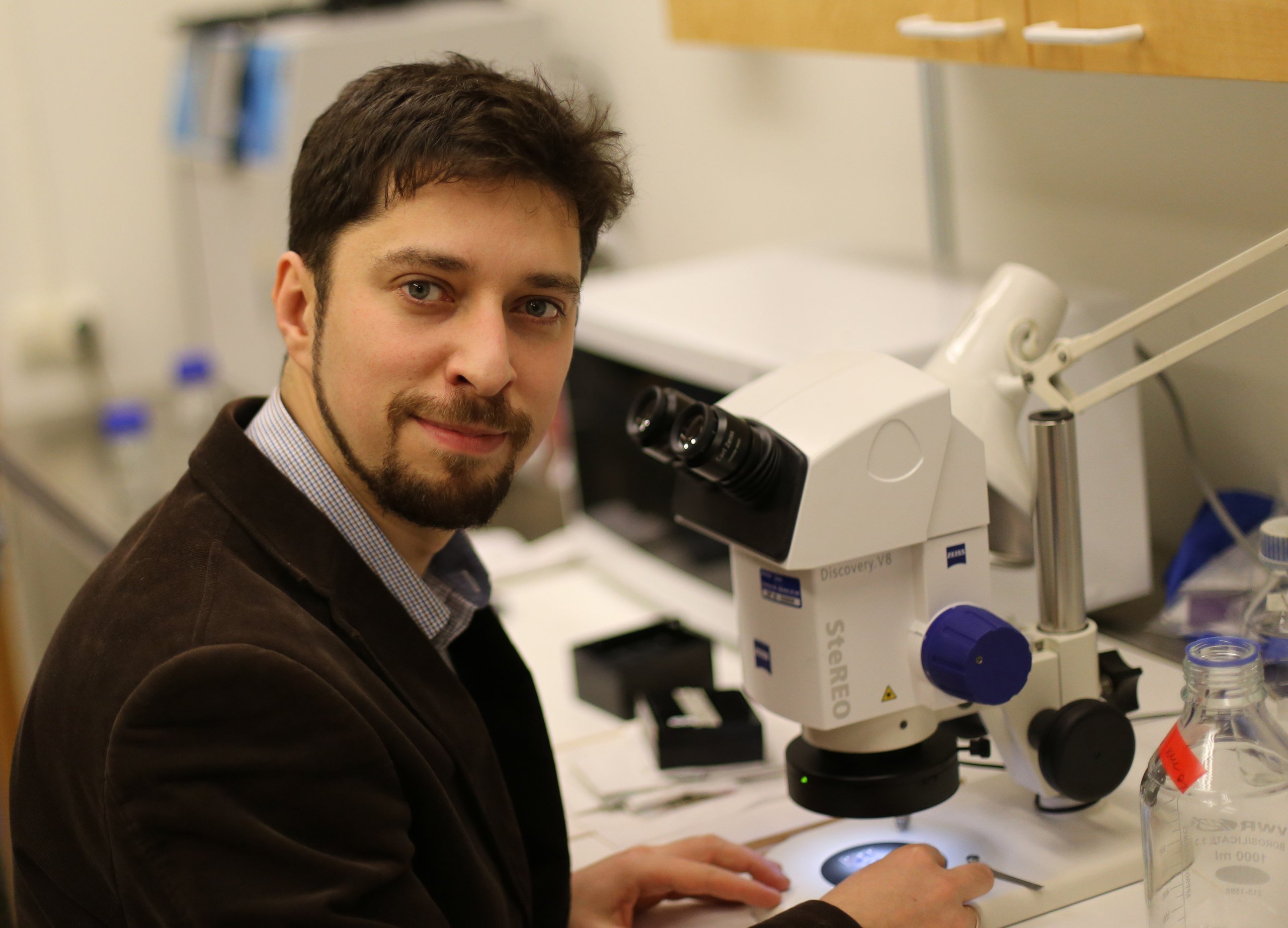
Suzanne Rozema-de Vette is a Lecturer at the University of Twente (UTwente) and a researcher affiliated with the Division of Radiation Oncology at The University of Texas MD Anderson Cancer Center. Her work focuses on developing and validating Normal Tissue Complication Probability (NTCP) models using deep learning and medical imaging to predict radiation therapy toxicities in head and neck cancer patients. Key research areas: Head and Neck Cancer, Radiation Therapy, Deep Learning Applications Primary affiliations: MD Anderson Cancer Center, UTwente Her research addresses SDGs related to good health and well-being through precision oncology advancements. She has presented her work internationally, including at MD Anderson Cancer Center, and contributes to multi-institutional studies like PREDMORN. Recent publications demonstrate expertise in predicting late dysphagia, xerostomia, and osteoradionecrosis using 3D dose distributions and CT imaging. Collaborations span institutions in Europe and the U.S., emphasizing global integration of radiation therapy models.
Lynnette McCluskey is a Professor at the Medical College of Georgia, with academic appointments in the Department of Neuroscience and Regenerative Medicine, Department of Neurology, and Department of Physiology. She is an active faculty member contributing to graduate education and research in neural systems and regenerative medicine. Education: Ph.D. in Physiological Psychology/Psych, University of Virginia, 1996 MA in Physiological Psychology/Psych, University of Virginia, 1995 BA in Physiological Psychology/Psych, Florida State University, 1990 Her research focuses on the neural and immunological mechanisms underlying taste function, particularly in disease models such as inflammatory bowel disease and genetic knockouts involving ACE2 and IL-1 signaling. She investigates taste bud regeneration, sex differences in sensory morphology, and nerve recruitment in regenerative contexts, bridging neuroscience, immunology, and regenerative physiology. Her recent publications highlight a strong trend in neuroimmunology and peripheral sensory neuroscience, particularly in how inflammatory and genetic disruptions affect taste system structure and function. The work often employs mouse models and integrates molecular, cellular, and systems-level analyses. Scientific Awards: Distinguished Teacher Award, GRU Graduate School, 2015 Distinguished Service Award, GRU Graduate School, 2014 Ajinomoto Young Investigator in Gustation, Association for Chemoreception Sciences, 2006 National Multiple Sclerosis Society Fellow, 1999 National Research Service Award, 1999 Dr. McCluskey has been actively involved in academic service, having chaired the Molecular Medicine Graduate Education Committee and served on the IACUC and NSF review panels. She teaches key neuroscience courses such as NURO 9300 (Research in Neuroscience) and BIOM 8080 (Neuroscience I), mentoring students through undergraduate and graduate research. While specific grants are not listed, her receipt of competitive awards like the National Research Service Award indicates a history of external funding. She also contributes to professional societies, particularly the Association for Chemoreception Sciences. Her work is closely tied to the Brain & Behavior Discovery Institute and involves interdisciplinary collaboration across neuroscience, immunology, and regenerative medicine, though no formal lab name is specified.
Sofie Zehentner is a Researcher at the Institute of Physiological Chemistry within the Faculty of Chemistry, specializing in the molecular mechanisms of taste perception and chemotherapy-induced taste disturbances. Her work bridges physiological chemistry and clinical pharmacology through innovative cellular modeling. Her educational background includes: BSc MSc Zehentner's research centers on bitter taste receptor physiology, particularly investigating how chemotherapeutic agents trigger bitter phantom taste (phantogeusia) in cancer patients. She pioneered the use of human gingival fibroblasts as cellular models to study interleukin-6 release correlations with taste thresholds, and explores natural compounds like homoeriodictyol for bitterness mitigation. Her work intersects immunology, oncology, and sensory neuroscience through rigorous in vitro experimentation. Recent publications (2023-2024) reveal three dominant research trajectories: 1) Development of cytokine-based cellular models for taste threshold prediction, 2) Pharmacological countermeasures against chemotherapy-induced taste distortion, and 3) Mechanistic studies of bitter receptor agonism/antagonism. These efforts consistently employ gingival fibroblasts and SH-SY5Y neuronal cells to map taste receptor signaling pathways. No scientific awards are documented in the provided materials. Zehentner actively mentors through the ASER Project (evidenced by her 2025 lecture on serotonin modulation), though formal student advisement isn't specified. Her research is supported by institutional frameworks within the Institute of Physiological Chemistry, with emphasis on translational applications for cancer patient quality-of-life improvement. She leads the ASER Project investigating pungent compound interactions with neuronal cells, and collaborates extensively with Veronika Somoza's team on taste receptor pharmacology. Current work focuses on hepatocyte growth factor pathways and interleukin-6-mediated taste signaling, with planned 2025 studies examining serotonin release mechanisms in chemosensory models.
Dr. Igor Adameyko is a Professor and Department Chair at the Center for Brain Research, Medical University of Vienna, and a group leader at Karolinska Institutet. His research focuses on developmental biology, stem cells, and regenerative medicine, particularly the role of Schwann cell precursors in generating diverse cell types during development and adulthood. He has pioneered studies demonstrating the multipotency of neural crest-derived cells, including their contributions to parasympathetic neurons, neuroendocrine cells, and mesenchymal stem cells. **Education**: PhD in Biochemistry (2006), Lobachevsky University, Russian Federation M.Sc. in Biochemistry (2002), Lobachevsky University, Russian Federation Visiting PhD student at Dartmouth Medical School (2002–2006) **Research Interests**: Adameyko’s work explores how neural crest-derived progenitors contribute to tissue formation and regeneration. Key areas include the role of nerves as developmental niches, the origin of congenital diseases and pediatric cancers (e.g., neuroblastoma), and the application of single-cell transcriptomics and spatial genomics. **Awards**: ERC Synergy Grant (2020, coordinating neuroblastoma research) Hans Wigzell Prize (2017) EMBO Young Investigator (2016) **Grants & Collaborations**: Leading the EU-funded NEUcrest network (Horizon 2020) Developing spatial transcriptomics methods (MERFISH, Slide-seq) **Lab Focus**: His lab investigates neural crest cell biology, cancer origins, and regenerative strategies. They collaborate with institutions globally, advancing therapies for diseases like Hirschsprung’s and neuroblastoma.
Kurt Hankenson is a Professor in the Department of Orthopaedic Surgery at the University of Michigan, leading the Hankenson Laboratory. His research focuses on bone formation mechanisms, utilizing genetically modified mice and mesenchymal stem cells to uncover novel regulators of osteoblastogenesis and fracture healing. Academic Rank: Professor Email: kdhank@umich.edu Location: 2001 Biomedical Sciences Research Building, Ann Arbor, MI Research Interests: The Hankenson Laboratory investigates molecular pathways governing skeletal repair and regeneration, emphasizing Notch signaling, immunometabolism, and extracellular matrix interactions. Current projects explore thrombospondin regulation in wound healing, genetic determinants of bone density, and biomaterials for tissue engineering. Recent Publications (2025-2024): Studies span osteoblast differentiation, GWAS-informed bone genetics, immunometabolic cues in implant response, and R-spondin 2's role in tissue regeneration. The lab also develops advanced scaffolds for bone repair and examines CD47's role in progenitor cell proliferation.
Barbara Zielinski is a Professor in the Department of Biological Sciences at the University of Windsor, Canada, and affiliated with the Great Lakes Institute for Environmental Studies. Her research focuses on chemosensory systems in fish, particularly sea lampreys (Petromyzon marinus), and their ecological impacts in the Great Lakes. She investigates olfactory and gustatory mechanisms driving behavior, invasive species management, and environmental toxicology. Her work integrates neurobiology, physiology, and ecology to understand sensory-driven behaviors such as pheromone communication, locomotion responses to chemical cues, and adaptation to environmental pollutants. Key contributions include mapping neural pathways linking olfactory inputs to motor outputs, characterizing pharyngeal taste bud function, and developing tools for invasive species control. Dr. Zielinski’s research emphasizes interdisciplinary approaches, collaborating with institutions like the Great Lakes Fishery Commission and training students through programs like FishCAST. Her studies address critical issues in aquatic conservation, fisheries management, and the ecological consequences of invasive species.
Moira Crosier is a developmental geneticist based at Newcastle University whose research programme integrates human embryology, ocular genetics, neurodevelopmental biology and mitochondrial genetics to unravel the molecular basis of congenital disease. Research Interests Human embryonic and fetal development, focusing on organogenesis of the eye, heart and brain Ocular genetics and neuro-ophthalmology, particularly nystagmus and retinal development Mitochondrial DNA segregation during early human development Genomic mechanisms underlying intellectual disability and neurodevelopmental disorders Single-cell and spatial transcriptomics of developing human tissues Publication Trends Across >25 peer-reviewed papers (1999-2024) Crosier’s work demonstrates a sustained focus on gene discovery and developmental mechanisms, progressing from early chromosomal mapping studies to cutting-edge single-cell and spatial transcriptomic analyses. Her recent outputs (2021-2024) emphasise multi-omics integration in human embryonic tissues, uncovering novel regulators of ocular, cardiac and neural development. Collaborations & Teams Crosier consistently collaborates with Newcastle colleagues including Professor Bob Anderson, Dr Simon Bamforth, Dr Gavin Clowry, Dr Janet Kerwin and Emerita Professor Susan Lindsay, suggesting an active role within the university’s developmental biology and genetics research community.
Susan Travers is a Professor in the Division of Biosciences and holds an Associate Professorship in the Department of Oral Biology at The Ohio State University. She is also affiliated with the Behavioral Neurosciences area. Her research focuses on understanding how the central nervous system processes sensory signals from the oral cavity, particularly taste, tactile, and thermal sensations. Travers earned her Ph.D. from the University of Wyoming and completed postdoctoral training at Rockefeller University. Her research interests include the neural mechanisms underlying taste perception, the integration of sensory inputs into flavor experiences, and the impact of diseases like COVID-19 on chemosensory functions. She has developed novel tools for screening chemosensory deficits in at-risk populations. Recent work highlights her investigations into GABAergic neurons in the nucleus of the solitary tract (NST) and their role in modulating taste behaviors. Her findings contribute to understanding neural circuits in sensory processing and their disruption in pathological conditions. Travers' lab is located at Postle Hall, Columbus, OH. She is actively involved in symposium organization and mentoring in systems neuroscience.
J. Kevin Foskett is a Professor and Chair in the Department of Physiology at the University of Pennsylvania Perelman School of Medicine. His research focuses on calcium signaling, membrane transport, and ion channel physiology, with significant contributions to understanding the inositol trisphosphate receptor (InsP3R) and Mitochondrial Calcium Uniporter (MCU) channels in contexts ranging from cancer to neurodegenerative diseases like Alzheimer's. He also investigates the role of CALHM channels in taste perception and immune synapse communication. Research Interests: Molecular physiology of calcium signaling in normal and disease states Biophysics of InsP3R and MCU ion channels Role of calcium in programmed cell death (apoptosis) and cancer Calcium signaling in neurodegenerative diseases (Alzheimer's, Charcot-Marie-Tooth) Physiology of taste buds and epithelial secretion (including cystic fibrosis) Awards and Honors: National Research Service Award (NRSA) and University of California Regents Fellowship (early career) MERIT Award, NIH (2011-2021) Stanley N. Cohen Biomedical Research Award, UPenn (2013) Fellow, American Association for the Advancement of Science (2013-present) Selected Publications: Recent work includes studies on mitochondrial calcium channels in cancer, CALHM1/6 roles in taste and immunity, and InsP3R mutations in neurological disorders. His lab employs techniques spanning electrophysiology, molecular biology, and live-cell imaging.
Christopher Donnelly is an Assistant Professor in Anesthesiology, Pharmacology and Cancer Biology, and Neurobiology at Duke University School of Medicine. He is a member of the Duke Cancer Institute and the Duke Institute for Brain Sciences, with a research focus on neuroimmunology and applied pain research. D.D.S., University of Michigan, Ann Arbor (2018) Ph.D., University of Michigan, Ann Arbor (2018) Postdoctoral Training, Duke University (2018-2020) His multidisciplinary research program explores the bidirectional relationship between pain and inflammation, emphasizing molecular crosstalk between sensory neurons and immune cells, glial cells, cancer cells, and microorganisms. Key projects include understanding neuroimmune mechanisms in bone cancer pain, temporomandibular joint disorders, and neuropathic pain, with techniques ranging from conditional genetics to single-cell transcriptomics. Recent publications highlight roles of the STING pathway in pain modulation, PD-1/PD-L1 checkpoint in neuronal excitability, and Toll-like receptors in inflammatory pain. His grants include NIH awards for neuroimmune pain research, adrenergic antagonist development, and TMJ neural architecture studies. Hatton Award, Post-doctoral Category - 1st Place, AADOCR (2020) Hatton Award, Post-doctoral Category - 1st Place, IADR (2020) Dr. Donnelly serves as an Adjunct Clinical Assistant Professor at the University of Michigan, directing a neuroscience course for dental students. His lab team includes postdoctoral associates, technicians, and graduate students.
Dr. Yao Yao is an Assistant Professor in the Department of Animal and Dairy Science at the University of Georgia's College of Agricultural & Environmental Sciences. She is affiliated with the Regenerative Bioscience Center, the Developmental Biology Alliance, and the Neuroscience Program. Her research integrates molecular biotechnology, genetics, epigenetics, and advanced genome editing tools to investigate skeletal muscle development and neurodegenerative diseases. B.S. from Shanghai Jiao Tong University Ph.D. from Chinese Academy of Sciences Postdoctoral training at University of Pennsylvania Dr. Yao's research focuses on the molecular mechanisms of skeletal muscle development under normal and pathological conditions, with particular emphasis on fibro/adipogenic progenitors (FAPs) in intramuscular adipocyte development. Her lab investigates the dual role of extracellular vesicles (EVs) in neurodegenerative diseases as both mediators of pathogenesis and potential therapeutic agents. She utilizes high-throughput genomic approaches combined with genome engineering to investigate gene regulatory networks governing muscle development and disease. Her work has significant implications for improving meat quality in livestock and developing treatments for muscular disorders in both animals and humans. Analysis of Dr. Yao's recent publications reveals a strong focus on amyotrophic lateral sclerosis (ALS) research, with particular emphasis on extracellular vesicles as therapeutic delivery systems, CRISPR-based genome editing applications, and skeletal muscle pathology. Her work spans multiple disciplines including molecular biology, neuroscience, genetics, and biotechnology, demonstrating an interdisciplinary approach to understanding and treating neuromuscular diseases. Dr. Yao has secured substantial funding for her research from prestigious sources including the National Institutes of Health, US Department of Defense, Johnson & Johnson, and various UGA internal funding programs. Her research program focuses on developing exosome-based gene therapies for neurodegenerative diseases, particularly ALS, and investigating the role of FAPs in muscle disorders. The Yao Laboratory, part of the Regenerative Bioscience Center at UGA, actively recruits graduate students, postdoctoral fellows, technicians, and undergraduate researchers. The lab maintains strong collaborations across multiple disciplines and is actively developing novel therapeutic approaches for neuromuscular diseases using cutting-edge genome editing technologies and extracellular vesicle delivery systems.
Priya Kohli is a Professor of Statistics and Chair of the Mathematics and Statistics Department at Connecticut College, where she has been a faculty member since 2012. She holds leadership roles both within the institution as Chair-Elect of the Faculty Steering and Conference Committee, and in professional organizations as President of the American Statistical Association's Connecticut Chapter (2019-20, 2021-22). Professor Kohli earned her Ph.D. from Texas A&M University, with additional M.S. degrees from Indian Agricultural Statistical Research Institute and Northern Illinois University. She is a HERS Alum (2023), demonstrating her commitment to leadership development in higher education. Her research focuses on Covariance Modeling , Longitudinal Studies , Multivariate Studies , Time Series Analysis , and Faculty Salary Analysis . Professor Kohli's work bridges theoretical statistics with practical applications in healthcare, environmental science, and social issues. Her research has resulted in numerous publications, U.S. and European patents, and presentations at prestigious statistics and data science conferences. Professor Kohli has made significant contributions to curriculum development, creating the Statistics and Data Science program and designing courses in time series analysis, statistical consulting, machine learning, and statistical computing. She is dedicated to mentoring undergraduate researchers, with several peer-reviewed publications co-authored with students. Fellow of American Statistical Association (2022-Present) President of American Statistical Association's Connecticut Chapter (2019-20, 2021-22) Vice President (2018-19) and Treasurer (2020-21) of ASA Connecticut Chapter Executive Committee Member of New England Statistical Society (2018-2022) Recipient of teaching grants including the State of CT Adoption grant As an educator, Professor Kohli has directed numerous independent studies, senior capstone projects, and honors theses. She has received teaching grants to develop materials using open educational resources. Her service to Connecticut College includes program development, statistical consulting for faculty and students, and committee work that has led to significant revisions in the statistics curriculum. Professor Kohli maintains an active research group that engages undergraduate students in meaningful statistical research across various domains including healthcare, environmental science, and social sciences.