معرفی
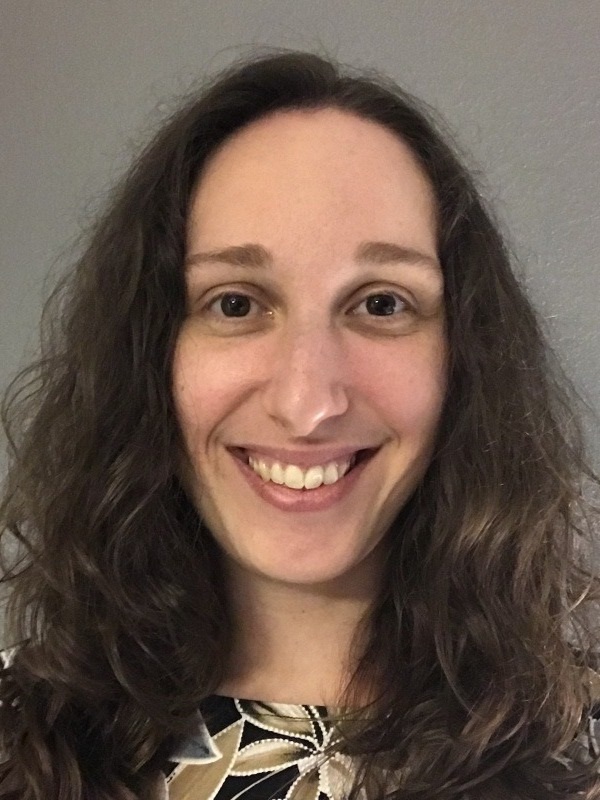
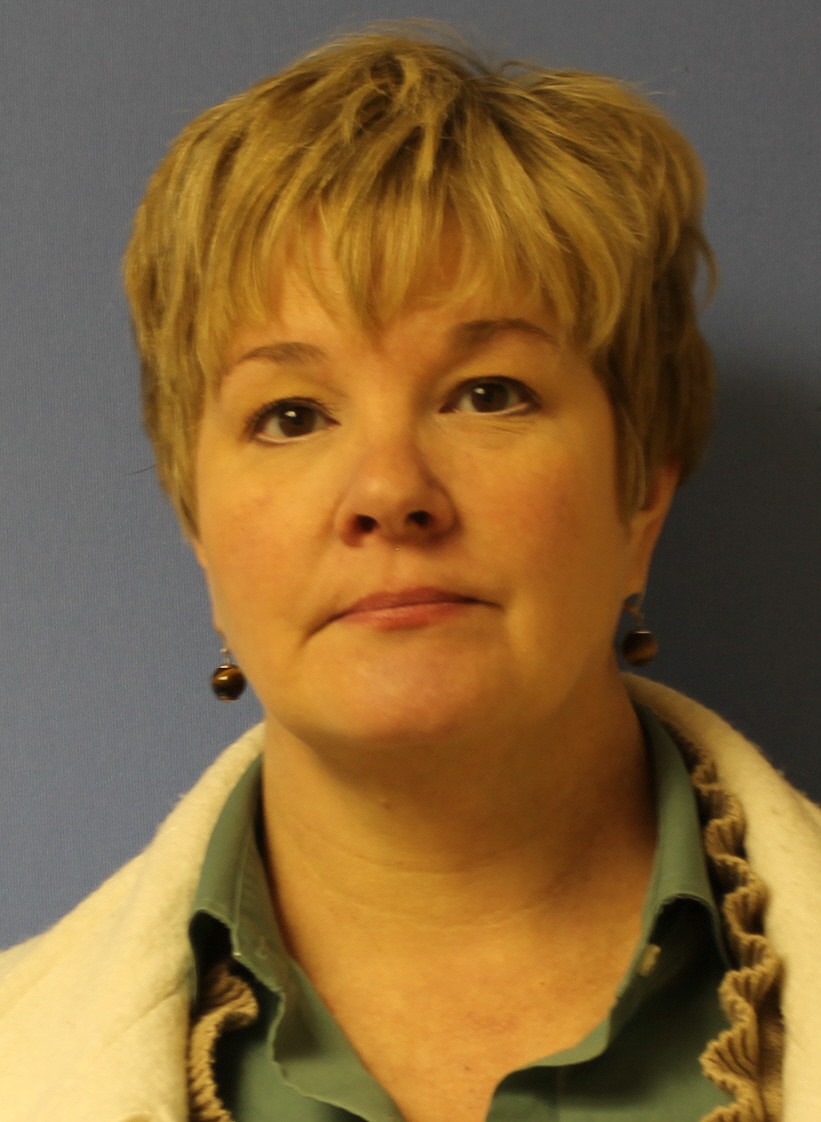
Lynnette McCluskey is a Professor at the Medical College of Georgia, with academic appointments in the Department of Neuroscience and Regenerative Medicine, Department of Neurology, and Department of Physiology. She is an active faculty member contributing to graduate education and research in neural systems and regenerative medicine.
Education:
- Ph.D. in Physiological Psychology/Psych, University of Virginia, 1996
- MA in Physiological Psychology/Psych, University of Virginia, 1995
- BA in Physiological Psychology/Psych, Florida State University, 1990
Her research focuses on the neural and immunological mechanisms underlying taste function, particularly in disease models such as inflammatory bowel disease and genetic knockouts involving ACE2 and IL-1 signaling. She investigates taste bud regeneration, sex differences in sensory morphology, and nerve recruitment in regenerative contexts, bridging neuroscience, immunology, and regenerative physiology.
Her recent publications highlight a strong trend in neuroimmunology and peripheral sensory neuroscience, particularly in how inflammatory and genetic disruptions affect taste system structure and function. The work often employs mouse models and integrates molecular, cellular, and systems-level analyses.
Scientific Awards:
- Distinguished Teacher Award, GRU Graduate School, 2015
- Distinguished Service Award, GRU Graduate School, 2014
- Ajinomoto Young Investigator in Gustation, Association for Chemoreception Sciences, 2006
- National Multiple Sclerosis Society Fellow, 1999
- National Research Service Award, 1999
Dr. McCluskey has been actively involved in academic service, having chaired the Molecular Medicine Graduate Education Committee and served on the IACUC and NSF review panels. She teaches key neuroscience courses such as NURO 9300 (Research in Neuroscience) and BIOM 8080 (Neuroscience I), mentoring students through undergraduate and graduate research. While specific grants are not listed, her receipt of competitive awards like the National Research Service Award indicates a history of external funding. She also contributes to professional societies, particularly the Association for Chemoreception Sciences.
Her work is closely tied to the Brain & Behavior Discovery Institute and involves interdisciplinary collaboration across neuroscience, immunology, and regenerative medicine, though no formal lab name is specified.