معرفی
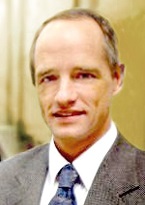
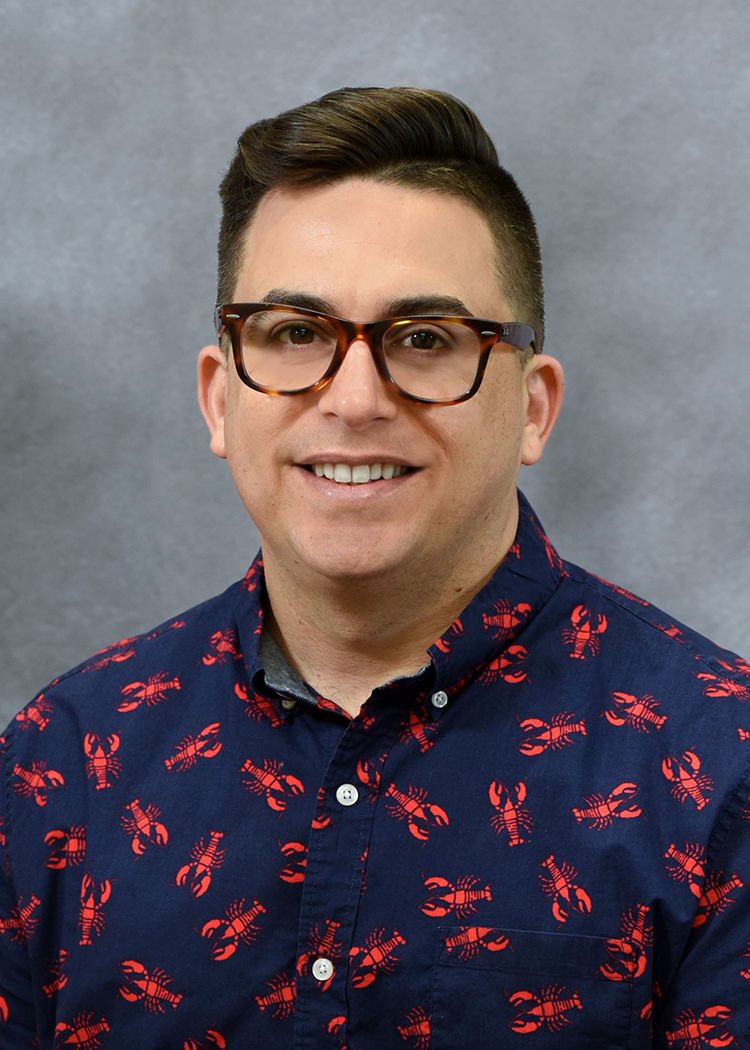
Eric Vitriol is an Associate Professor in the Department of Neuroscience and Regenerative Medicine at the Medical College of Georgia, Augusta University. He serves as the Director of the Graduate Program in Neuroscience, overseeing academic and research training for advanced students. His primary academic appointments span both the Department of Neuroscience and Regenerative Medicine and The Graduate School, reflecting his integral role in graduate education and research mentorship.
Dr. Vitriol earned his Ph.D. in Cell/Cellular Biology and Histology from the University of North Carolina in 2009, following a B.S. in Biology from the same institution in 2002. His foundational training in cellular and molecular biology has shaped his research trajectory in neuroscience and cytoskeletal dynamics.
His research focuses on the role of cytoskeletal proteins, particularly profilin 1, in neuronal and cellular physiology. Key areas include mitochondrial function, actin and microtubule regulation, and the pathophysiology of neurodegenerative diseases such as ALS. His work bridges molecular cell biology and neuroscience, aiming to uncover fundamental mechanisms underlying cellular structure and function.
The recent publications highlight a consistent theme in cytoskeletal biology, with an emphasis on profilin 1’s unexpected localization in mitochondria and its broader implications in cellular adaptation and disease. The articles reflect interdisciplinary research spanning cell biology, neuroscience, and biophysics, often exploring the interplay between different cytoskeletal components under stress or depletion conditions.
- No scientific awards or honors were mentioned in the provided text.
As Director of the Graduate Program in Neuroscience, Dr. Vitriol is actively involved in mentoring and training graduate students, though specific names of advisees are not listed. He teaches key courses such as Neuroscience I (BIOM 8080), Molecular Cell Biology (BIOM 8022), and graduate research seminars (NURO 9300, NURO 9010), indicating a strong commitment to education. There is no mention of external grants, but his active publication record suggests ongoing research support.
Dr. Vitriol's work is centered in research laboratories within the Medical College of Georgia, likely part of neuroscience or cell biology research teams focused on cytoskeletal dynamics and neurodegeneration. His role in the Graduate School further situates him within a collaborative academic environment fostering interdisciplinary research and training.