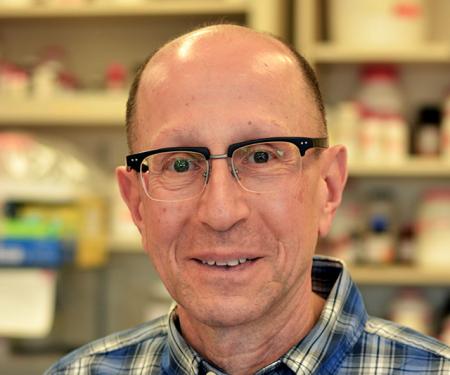
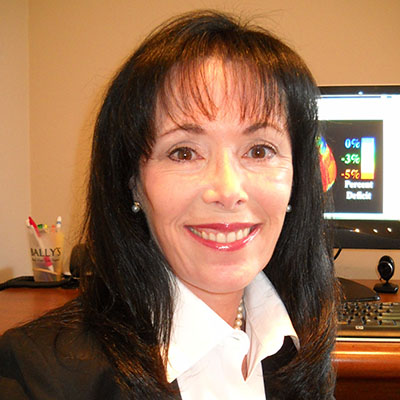
Assistant Professor Low Jun Siong is affiliated with the Department of Microbiology and Immunology at the National University of Singapore (NUS), under the Yong Loo Lin School of Medicine. His research focuses on understanding T and B cell biology in the context of infection, cancer, and autoimmunity. He collaborates with clinical partners to characterize immune cell responses in patient cohorts and explores strategies to manipulate these cells for therapeutic purposes. Key areas of interest include antigen specificity, immune cell dysfunction, and immune-based disease interventions. Education: Holds a BSc and PhD (specific disciplines unspecified). Affiliated with the Cancer Science Institute (CSI) and A*STAR Infectious Diseases Labs. His work spans translational immunology, virology, and cancer immunotherapy. Recent projects include studies on SARS-CoV-2 immune responses, tumor microenvironment interactions, and tropical sponge microbiome evolution. He employs high-throughput approaches and machine learning for immune profiling. Research highlights include: Characterizing T/B cell responses against pathogens and cancers Engineering immune cells for enhanced functionality Investigating antibody mechanisms against coronaviruses Dissecting metabolic influences on T cell efficacy in tumors Exploring symbiotic microbiome evolution in marine environments No specific grants or advising roles are detailed in the provided text. He contributes to collaborative initiatives like the Department Safety and Health Programme (DSHP) and the Department Microbial Culture Collection (DMCC).
Professor Udo Oppermann serves as Professor of Molecular Biology and Director of Laboratory Sciences at the Institute of Musculoskeletal Sciences, Botnar Research Centre, University of Oxford. He is also Deputy Director of the Oxford Centre of Translational Myeloma Research and a fellow at St Catherine's College. His educational background includes a Diploma in Human Biology (1990) and PhD in Pharmacology and Toxicology (1994), both earned with distinctions from Philipps University Marburg. Prior academic appointments include Associate Professor at Karolinska Institutet (until 2004) and sabbatical work at Yale University. Research focuses on epigenetic mechanisms in disease through drug and target discovery using systems biology and single-cell approaches . Key disease targets include metabolic disorders, inflammatory conditions, and malignant diseases—particularly multiple myeloma and secondary bone cancers. His group pioneers chemical biology applications in primary tumor microenvironments. Current funding sources include Cancer Research UK, Innovate UK, EPSRC, Royal Society-Newton Fund, Bristol Myers Squibb, Bayer Healthcare, GlaxoSmithKline, Blood Cancer UK, and Leducq Foundation. Notable research trends show increasing emphasis on epigenetic regulation in immune cells (2020-2024), single-cell technologies for myeloma (2022-2024), and translational applications of chromatin modifiers (2016-2019). Recent work integrates metabolomics with epigenetic mechanisms in gynecological and hematological disorders. He supervises doctoral research including Singh K.'s 2024 thesis on sonodynamic therapy mechanisms. Leadership roles encompass directing Oxford's Molecular Laboratory Sciences division and co-leading translational myeloma research initiatives.
Hans-Gustaf Ljunggren is Professor and Senior Physician at the Department of Medicine, Huddinge, Karolinska Institutet (KI) in Sweden, where he has served since 2001. In parallel he founded and directs the Center for Infectious Medicine (CIM) . He is additionally a part-time visiting professor at Nova Southeastern University, USA (2017-2019), and an elected member of the Academia Europaea (2023). Education & Training: MD and PhD, Karolinska Institutet, 1982-1992 Post-doctoral fellowship, Center for Cancer Research, MIT, Boston, USA, 1992-1994 Research Focus His group investigates human immune responses in cancer and infectious diseases , with emphasis on natural-killer (NK) cell biology, innate and adaptive immunity, and immunotherapeutic applications. Major themes include: NK-cell reactivity against tumors and NK-cell–based cancer immunotherapy Immunity to flaviviruses (TBEV, JEV, YFV) and SARS-CoV-2 Vaccine immunogenicity in healthy and immunocompromised populations Genetic and functional studies of cytotoxic lymphocyte defects Scientific Awards & Honors Cancer Research Institute Post-Graduate Fellowship, New York (1990) J William Fulbright Foreign Scholarship Award (1992) Distinguished Professor Recognition, Karolinska Institutet (2010) Tobias Foundation Prize, Royal Swedish Academy of Sciences (2011) Medal for Zealous and Devoted Service to the Swedish Government (2020) Leadership & Service Prof. Ljunggren has held numerous leadership roles at KI, including member of the Nobel Assembly, Dean of Research (2013-2016), and currently Director of the NextGenNK Competence Center founded by Sweden’s Innovation Agency. He has served on editorial boards, national grant panels, and as scientific secretary of the Swedish Cancer Society.
Mark Greenwald is a Professor and Associate Chair for Research in the Department of Psychiatry at Wayne State University School of Medicine. His work focuses on substance abuse research, particularly on pharmacological and neurobiological mechanisms of opioid and other substance use disorders. With numerous publications and significant contributions to the field of addiction medicine, Dr. Greenwald leads the Substance Abuse Research Division and collaborates extensively with researchers across multiple disciplines to advance understanding and treatment of addiction. Dr. Greenwald's research spans multiple domains of addiction science, with particular expertise in pharmacological determinants of drug-seeking behavior , neuroimaging of addiction-related neural processes , and development of novel treatment approaches for opioid use disorder . His work employs advanced methodologies including PET imaging of opioid and dopamine systems, fMRI, EEG, and 1H spectroscopy to investigate the biological underpinnings of addiction. A significant portion of his research focuses on optimizing buprenorphine treatment protocols and understanding individual differences in treatment response. Dr. Greenwald's recent publications reveal a strong focus on advancing precision medicine approaches for opioid use disorder, with particular attention to pharmacogenetic factors, neuroimaging biomarkers, and individualized treatment protocols. His work increasingly integrates neurobiological, psychological, and social determinants of addiction to develop comprehensive treatment models. Notably, his research bridges basic science with clinical applications, translating neuropharmacological insights into improved treatment strategies for patients struggling with opioid addiction. National Institutes of Health awarded Wayne State $1.19 million for addiction neuroscience predoctoral training Contributed to $16.6 million drug development project for treatment of opioid use disorder Provost's Social & Behavioral Determinants of Health Steering Committee member Led clinical trial proving neurostimulation device to treat opioid use disorder is effective As Associate Chair for Research, Dr. Greenwald oversees research initiatives within the Department of Psychiatry and mentors junior faculty and research staff. His substantial NIH-funded research program supports multiple clinical trials investigating novel approaches to treating opioid use disorder. Dr. Greenwald has secured significant grant funding for projects including a $1.19 million NIH award for addiction neuroscience predoctoral training and contributions to a $16.6 million drug development project for opioid use disorder treatment. His leadership extends to serving on the Provost's Social & Behavioral Determinants of Health Steering Committee. Dr. Greenwald leads the Substance Abuse Research Division at Wayne State University, which employs a multidisciplinary approach to addiction research. His team collaborates with key researchers including Leslie Lundahl, David Ledgerwood, and Cynthia Arfken (focusing on substance use disorders and HIV/AIDS); Jeffrey Stanley (specializing in 1H spectroscopy); Vaibhav Diwadkar (fMRI, learning/memory); Sylvie Naar-King and Paul Burghardt (stress, physical activity and obesity); Terrance Albrecht, Ann Schwartz and Jennifer Beebe-Dimmer (chemotherapy-induced peripheral neuropathy); Timothy Roehrs (Henry Ford: EEG, sleep, pain); and Margit Burmeister (University of Michigan: pharmacogenetics).
Dr. Christopher R. Jones is a Senior Lecturer in the School of Physical and Chemical Sciences at Queen Mary University of London. He holds a MSci in Natural Sciences from the University of Cambridge (2005) and a PhD in Organic Chemistry under Prof. Martin D. Smith (2009). He was a Junior Research Fellow at the University of Oxford (2009–2013) and joined Queen Mary as a Ramsay Memorial Research Fellow in 2013. He received an EPSRC Early Career Fellowship in 2015. His research focuses on developing sustainable organic synthesis methodologies, particularly leveraging aryne chemistry and functional carbon nanomaterials. Key areas include aryne-mediated C(sp³)-H bond functionalization, biologically active heterocycles, and applications in green chemistry. Current research grants include EPSRC funding for catalytic reactive intermediate studies (2015–2021), RSC grants for aryne synthesis (2018–2025), and a PAK UK Education Gateway Mobility Partnership (2023–2024). Dr. Jones supervises multiple PhD students, including co-supervision with Prof. Stellios Arseniyadis. His work has led to publications in high-impact journals like Nature Chemistry and Chemical Science , emphasizing innovations in organic synthesis and materials chemistry.
Félix Rey is a leading Research Professor at the Structural Virology Unit within the Virology Department of the Institut Pasteur in Paris, France. He spearheads multidisciplinary studies on viral and cellular membrane fusion mechanisms, with a focus on emerging viruses such as Chikungunya , Dengue , and SARS-CoV-2 . His research explores: Structural biology of virus envelope glycoproteins (e.g., Chikungunya p62-E1, Hepatitis C E2, Foamy virus Env). Molecular interactions in viral entry and neutralization. Cell-cell fusion mechanisms in fertilization and development. Recent publications highlight structural insights into: 2025 : SARS-CoV-2 spike protein conformational dynamics and ACE2 receptor interactions. 2024 : Foamy virus fusion protein evolution, TMPRSS2's role in HKU1 coronavirus entry. 2023 : Yellow fever virus maturation, pan-hantavirus neutralization antibodies. He collaborates with teams across France , Southeast Asia , and West/Central Africa through the Pasteur International Center for Research on Emerging Infectious Diseases . Current advisees include Paul Courrieu and Marius Allombert (Master's students).
Professor Graham Ogg is a leading academic at the University of Oxford, where he serves as Professor of Dermatology and leads the Skin Immunology Group. His research focuses on cutaneous immunity, particularly the role of CD1a-restricted T cells in inflammatory skin diseases. He is affiliated with the MRC Human Immunology Unit and MRC Weatherall Institute of Molecular Medicine, driving translational research on lipid antigen presentation and skin immune responses. Professor Ogg's investigations center on molecular mechanisms of skin inflammation, with emphasis on CD1a-mediated T cell activation and its implications for atopic dermatitis, psoriasis, and vaccine development. His work bridges fundamental immunology with clinical applications, exploring how lipid metabolism influences immune pathways in barrier tissues. Research themes include: CD1a-lipid interactions in cutaneous inflammation Therapeutic modulation of skin-specific T cell responses Translational models for dermatological drug delivery Immune mechanisms in allergic skin disorders Analysis of his recent publications (2024-2025) reveals dominant research streams: 1) Clinical dermatology focusing on systemic therapies for atopic eczema, 2) Immunological studies of dengue pathogenesis and metabolic interactions, 3) COVID-19 sequelae and immunity dynamics, and 4) Fundamental T cell biology in autoimmune/inflammatory contexts. This corpus demonstrates interdisciplinary integration of dermatology, virology, and immunometabolism. His scientific recognition includes: Fellowship of the Academy of Medical Sciences (FMedSci) Professor Ogg directs the Skin Immunology Group at the MRC Weatherall Institute, coordinating translational projects that investigate cutaneous immune circuits. The team employs single-cell analysis, spatial transcriptomics, and immunological profiling to dissect skin-specific immune responses, with ongoing work exploring CD1a-targeted therapeutic strategies.
Hedy Kober is an Adjunct Associate Professor in Psychiatry at Yale School of Medicine and an Adjunct Associate Professor of Law. She serves as Director of the Clinical and Affective Neuroscience Laboratory at Yale. Her work bridges psychology, neuroscience, and clinical interventions, with a focus on emotion regulation, mindfulness, and addiction. Education PhD in Clinical Psychology (Respecialization), Fielding Graduate University (2021) PhD, Columbia University (2009) MPhil, Columbia University (2008) MA, Columbia University (2007) Research Interests Dr. Kober's research focuses on the cognitive and neural mechanisms underlying emotion regulation, with particular emphasis on mindfulness-based interventions for various conditions including addiction, eating disorders, and depression. Her work explores how individuals regulate cravings, manage negative emotions, and develop healthier behavioral patterns through cognitive strategies and mindfulness practices. She employs a range of methodologies including fMRI, ecological momentary assessment, and clinical trials to investigate these processes in both healthy individuals and those with clinical conditions. Her recent work has increasingly focused on digital interventions that make evidence-based therapies more accessible, particularly for substance use disorders and eating disorders. She examines how brief, scalable interventions can effectively target core mechanisms of behavior change. Research Trends Dr. Kober's recent publications demonstrate a strong focus on the intersection of emotion regulation, mindfulness, and clinical applications. Her work connects basic cognitive neuroscience with clinical interventions, particularly examining how individuals regulate cravings and negative emotions. Recent studies have expanded to include digital delivery of interventions, network approaches to understanding emotional processes, and the development of neuromarkers for addiction. Her research increasingly incorporates longitudinal and ecological momentary assessment methods to capture real-world emotional dynamics. Scientific Awards Outstanding Mentor Award (2019) from American Academy of Child and Adolescent Psychiatry Early Career Investigator Award (2018) from NIDA and NIAAA Teaching Excellence at Yale (2017) from Yale Center for Teaching and Learning Helmsley Fellowship in Cross Disciplinary Science (2016) from Helmsley Charitable Trust Scholar Award (2011) from Yale Center for Clinical Investigation Advising and Grants Dr. Kober has received significant grant funding for her research on emotion regulation and addiction. She serves as Principal Investigator on clinical trials examining brief training for alcohol craving regulation and the role of reward learning and decision making in addiction. Her work has been supported by organizations including NIDA and NIAAA. As a mentor, she has guided numerous students and early-career researchers, recognized by her Outstanding Mentor Award from the American Academy of Child and Adolescent Psychiatry. Laboratory Dr. Kober directs the Clinical and Affective Neuroscience Laboratory at Yale, which investigates the neural and cognitive mechanisms of emotion regulation and their application to clinical problems. The lab employs a multi-method approach including neuroimaging, behavioral experiments, and clinical interventions to understand how people regulate emotions and cravings, with the goal of developing more effective treatments for conditions like addiction and eating disorders.
Yi-Ling Chen, DPhil, is a Career Development Fellow at the Nuffield Department of Medicine, University of Oxford, where she leads the Chen Group dedicated to lipid-mediated T cell immunity research. Research Focus: Her work centers on Immunology and T cell Biology, specifically investigating lipid-reactive T cells in immune regulation, tissue homeostasis, and microbial defense. She employs high-dimensional proteotranscriptomics, T cell clonality analysis, and human immune organoid approaches to uncover molecular mechanisms for inflammatory and infectious disease interventions. Key interests include: Lipid antigen presentation via CD1 molecules T cell responses in psoriasis and skin inflammation Host-pathogen interactions with Group A Streptococcus and Staphylococcus aureus Translational applications for immune-mediated conditions Publication Trends: Analysis of her 15 most recent publications (2020-2024) reveals consistent focus on CD1-mediated lipid antigen presentation across infectious diseases (dengue, COVID-19, bacterial infections) and inflammatory conditions (psoriasis). Her work bridges molecular immunology with clinical applications, featuring in journals like Nature Immunology , Cell , and Science Immunology , with emphasis on therapeutic target discovery. Laboratory: The Chen Group operates within Oxford's Nuffield Department of Medicine, utilizing advanced immunological techniques to study T cell immunity in human disease contexts.
Richard Katz, PhD, is a Professor and Adjunct Professor at the Fels Institute for Cancer Research and Molecular Biology, Temple University School of Medicine, based at Fox Chase Cancer Center. His research focuses on epigenetic regulation in cancer, particularly the role of the nuclear lamina in organizing heterochromatin and gene silencing. PhD in Microbiology, Columbia University (1983) BS in Biology, Summa cum laude, Syracuse University (1975) Dr. Katz's research spans several key areas in epigenetics and cancer biology. He investigates how the nuclear lamina controls epigenetic silencing through proteins like PRR14, which tethers heterochromatin to the nuclear periphery. His lab uses siRNA-based genome-wide screens to identify novel epigenetic silencing networks. Another major focus is melanoma plasticity, where his team discovered ID4 as a key mediator. He also studies epigenetic antiviral responses involving Daxx and retroviral silencing, and functional analysis of breast cancer genes from GWAS and DASE studies using BioID for protein interaction mapping. His recent publications reveal a strong trend in understanding chromatin dynamics, epigenetic silencing mechanisms, and their implications in cancer and viral defense. His work integrates molecular biology, functional genomics, and systems approaches to dissect complex regulatory networks. Notable scientific recognitions include being selected for Cover Art in Epigenetics (2014) and an Article of Significant Interest by the editors of Journal of Virology (2013). Dr. Katz actively mentors students and technicians in his lab, including graduate students and post-baccalaureate researchers. He collaborates widely across Fox Chase, including with J.P. Issa, A. Bellacosa, and A.M. Skalka. His lab participates in the Undergraduate Summer Research Fellowship and research volunteering programs, indicating a strong commitment to training and education. His lab at Fox Chase (R422/W422) includes current members such as Valentina Medvedeva (Graduate Student), Trinity Pellegrin (Scientific Technician), and several student assistants, reflecting an active and collaborative research environment.
Dr. Xi Chen is an Assistant Professor in the Department of Integrative Neuroscience at Stony Brook University. He holds a Ph.D. from the University of Texas at Dallas (2019). His research focuses on cognitive aging, Alzheimer’s disease (AD) biomarkers, and the interplay between brain structure/function and cognitive decline. Dr. Chen employs multi-modal neuroimaging techniques (e.g., MRI, PET) to investigate neural mechanisms underlying age-related cognitive changes and AD progression. His work emphasizes early detection of AD pathology and resilience factors in aging populations. Education: Ph.D., University of Texas at Dallas, 2019 Research Interests: Dr. Chen explores individual differences in cognitive aging, AD biomarkers, and successful aging through multi-modal approaches. Key topics include amyloid and tau pathology’s impact on memory and brain function, socioeconomic disparities in cognitive health, and the role of prior knowledge in memory retention. His lab uses advanced imaging techniques to identify early biomarkers for interventions targeting neurodegenerative diseases. Publications Trends: Recent studies highlight the lab’s focus on tau pathology’s role in cognitive decline, functional MRI correlates of memory in aging populations, and the predictive value of biomarkers like plasma p-tau217 for AD progression. These works underscore the lab’s commitment to bridging basic neuroscience and clinical applications for early AD detection. Lab & Collaborations: Dr. Chen leads the Cognitive Health and Neurodegeneration Lab, which integrates quantitative modeling, neuroimaging, and clinical data to advance understanding of aging and AD. Collaborative efforts include studies on metacognition, cortical thickness, and tauopathy’s effects on cognition.
Sarah Cobey is a Professor in the Department of Ecology and Evolution at the University of Chicago. Her research focuses on the coevolution of pathogens and host immunity , particularly influenza , using computational and mathematical models . Education: AB from Princeton (2002), PhD from University of Michigan (2009), Postdoc at Harvard School of Public Health (2013) Research Interests : The Cobey Lab studies adaptive immunity dynamics , including antibody repertoire evolution , vaccine effectiveness , and immune-mediated pathogen competition . Key areas include influenza evolution , vaccination strategies , and B cell response predictability . Publication Trends (2023–2025): Recent work examines longitudinal immune modeling , influenza antigenic diversity , and cross-reactive antibody dynamics . Collaborations span immunology , virology , and public health . Scientific Awards : NIH New Innovator Award (2014) James S. McDonnell Scholar (2014) Neubauer Fellowship (2016) NSF GRF (2005) Grants : Past and current NIH funding includes U01AI187063 (2025–2029) on Adaptive Immunity to Influenza and R01AI170116 (2022–2027) on Influenza Vaccine Response Variability . Labs & Collaborations : Leader of the Cobey Lab , with collaborations at Harvard, NIH, and WHO. Projects often involve multi-scale modeling linking individual immune responses to population-level viral evolution .
Carlo D'Eramo is Professor and Head of the Reinforcement Learning and Computational Decision-Making professorship at the Center for Artificial Intelligence and Data Science (CAIDAS) of University of Würzburg. He additionally serves as an independent group leader of hessian.AI, focusing on developing lightweight methods to obtain adaptive autonomous agents that can handle real-world complexity. His academic journey includes: B.Sc. in Computer Engineering from Politecnico di Milano (2011) M.Sc. in Computer Engineering from Politecnico di Milano (2015) Double degree in Computer Science from University of Illinois at Chicago (2015) Ph.D. in Information Technology from Politecnico di Milano (2019) Postdoctoral research at TU Darmstadt's Intelligent Autonomous Systems group (2019-2022) D'Eramo leads the LiteRL research group investigating how agents can efficiently acquire expert skills accounting for real-world complexity. His research spans multiple reinforcement learning domains including multi-task, curriculum, adversarial, options, and multi-agent RL. His work bridges theoretical advances with practical applications, particularly in robotics and decision-making systems. His recent publications (2023-2025) demonstrate significant contributions across exploration strategies, neural network architectures, multi-agent coordination, and physics-informed machine learning. His work frequently appears in top-tier venues including TMLR, RLJ, IEEE PAMI, ICML, and ICLR, with multiple papers receiving spotlight or oral presentation designations. Professional activities include: Senior area chair for RLC Area chair for AAAI, ACML, AISTATS, NeurIPS, and ICLR Reviewer for DFG and ERC proposals Creator of MushroomRL reinforcement learning framework D'Eramo actively contributes to academic community service while mentoring researchers in his group. His work on lightweight methods aims to make reinforcement learning more practical for real-world applications across various domains.
Professor Richard J. Payne (FAA, FRSC, FRSN, FRACI) is the NHMRC Investigator Leadership Fellow and Deputy Director of the ARC Centre of Excellence for Innovations in Peptide and Protein Science at The University of Sydney. He earned a BSc (1st class honours) from the University of Canterbury (2002) and a PhD from the University of Cambridge under the late Professor Chris Abell (2003-2007). After postdoctoral work at The Scripps Research Institute with Professor Chi-Huey Wong (2007-2008), he joined The University of Sydney as a Lecturer in Organic Chemistry. His research focuses on chemical synthesis of biomolecules to address biological and medical challenges, particularly in anti-infectives , vaccine development , and glycopeptide engineering . His lab pioneered diselenide-selenoester ligation and selenocysteine-based modification techniques for constructing complex peptides and proteins. Current projects target pathogens like Mycobacterium tuberculosis , Plasmodium falciparum , and SARS-CoV-2 through inhibitor design , anticoagulant discovery , and LYTAC development . His 15 most recent publications span 2025-2021 and reflect multidisciplinary work at the chemistry-biology interface , including antiviral peptides , glycoprotein assembly , and supramolecular anticoagulants . Notably, 2025 articles address C-terminal bromodomain inhibitors and on-demand reversible anticoagulants , while 2024 studies focus on PROTAC-based proteostasis disruption and mycobacterial chaperone targeting . Awards & Honors 2016 Malcolm McIntosh Prime Minister's Prize 2023 Australian Academy of Science Fellowship 2014 Le Fèvre Memorial Prize & Edgeworth David Medal 2018 A.J. Birch Medal He supervises 8 active research students and leads collaborations with The Payne Research Group , Charles Perkins Centre , and Sydney Nano Institute . His work aligns with the University of Sydney's research strengths in Molecules to Materials and Next Generation Therapeutics .
Edythe London, Ph.D., is a Distinguished Professor-in-Residence at UCLA with joint appointments in the Departments of Psychiatry and Biobehavioral Sciences and Molecular & Medical Pharmacology. She holds membership in the Brain Research Institute, CTSI Molecular Pharmacology, and Neuroscience GPB Home Area. Her research utilizes neuroimaging to investigate neural circuitry underlying addiction and self-control behaviors. She earned her Ph.D. in Pharmacology from the University of Maryland and completed postdoctoral training at Johns Hopkins School of Medicine. Prior to joining UCLA in 2001, she directed the NIDA Brain Imaging Center and held faculty positions at the University of Maryland and Johns Hopkins. Dr. London's research focuses on neuroimaging of addiction mechanisms, with emphasis on: Neural substrates of methamphetamine and nicotine dependence mGlu5 receptor function in substance use disorders Sex differences in neuropharmacology Structural and functional brain alterations in addiction Neuromodulation therapies for craving reduction Her publications demonstrate consistent focus on addiction neurobiology, particularly through multi-modal neuroimaging (fMRI, PET, MRS) and large-scale consortia work with ENIGMA-Addiction. Significant honors include: Nathan B. Eddy Lifetime Achievement Award (2023) McLean Hospital Women in Science Lectureship (2020) H.W. Magoun Lectureship (2019) AAAS Scientific Freedom & Responsibility Award (2011) She leads translational research through NIH-funded projects on neuropharmacological interventions and maintains extensive collaborations through the ENIGMA-Addiction Working Group.