- Empire
- Islam
- Agency in Asia
- +۶ مورد دیگر
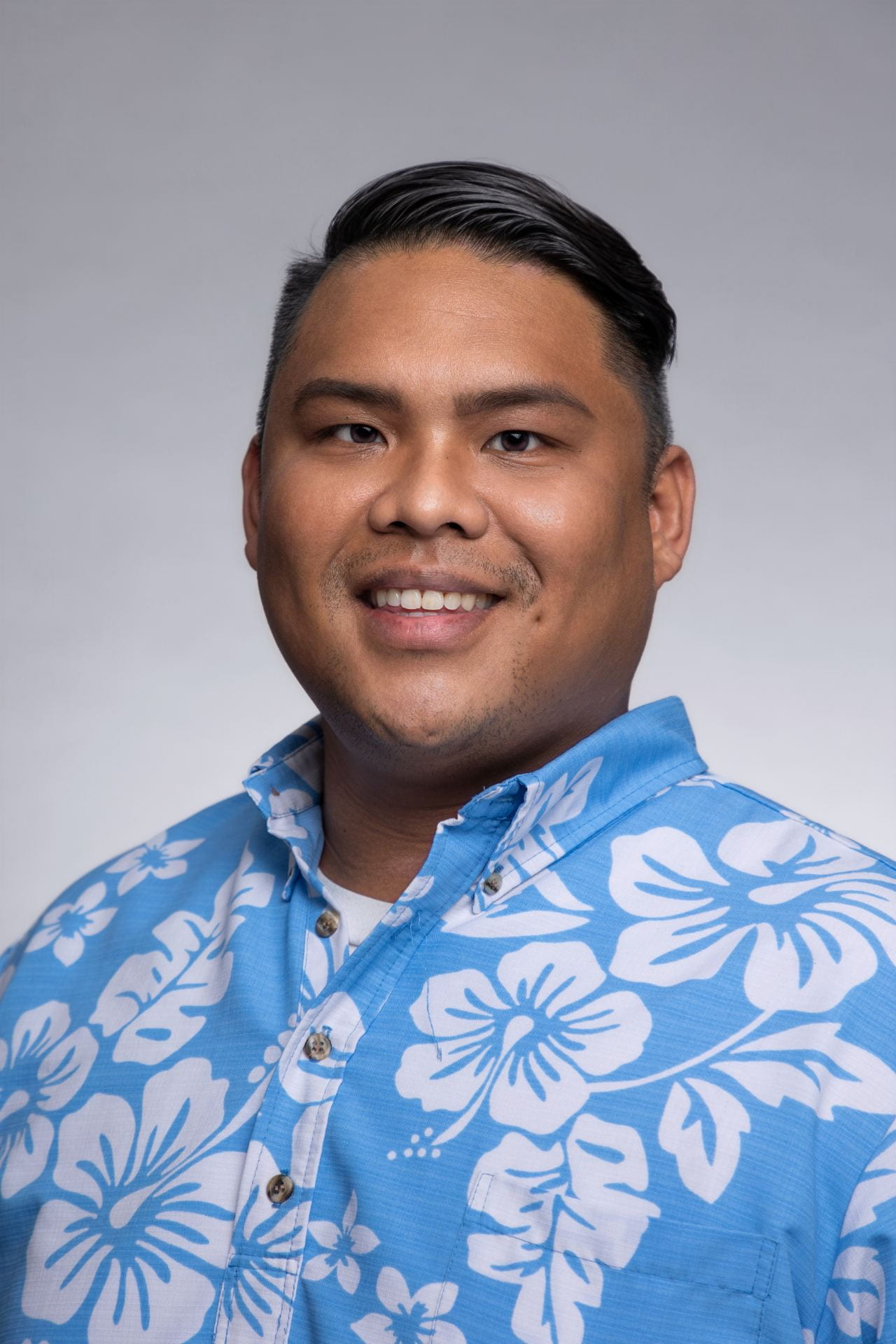
Michael Hawkins serves as Associate Professor and Department Chair in the Department of History within Creighton University's College of Arts and Sciences. His research centers on empire, Islam, and agency in Asia with particular focus on historical time and Southeast Asian colonial dynamics. Education: PhD (2009) Northern Illinois University MA (2004) Boise State University BA (2002) Brigham Young University Hawkins' scholarship critically examines colonial power structures through lenses of time, gender, and cultural representation. His work reveals how imperial forces constructed notions of historical progress while indigenous communities negotiated agency within colonial frameworks. Special attention is given to American military rule in the Philippines' Muslim South, where he analyzes intersections of violence, masculinity, and temporal frameworks that shaped colonial governance. Recent publications demonstrate consistent thematic evolution from early examinations of Bud Dajo massacre narratives toward contemporary analyses of counterinsurgency warfare and colonial exhibitions. His research trajectory shows deepening engagement with spatial-temporal dimensions of empire, moving from textual analysis of historical consciousness to material studies of world's fair exhibits and military operations. Professional recognition includes: Magis Faculty Research Grant (2014) supporting Southeast Asian historical research Magis Core Development Grant (2013) for curriculum innovation J. William Fulbright Research Grant (2007-2008) enabling extended fieldwork in the Philippines Hawkins maintains active mentorship of undergraduate researchers while directing departmental operations. His grant portfolio reflects sustained institutional investment in Philippine and Southeast Asian studies, with particular emphasis on decolonizing historical methodologies. The authorship of both specialized linguistic resources (Tagalog Verb Dictionary) and broad historical analyses (Making Moros) demonstrates methodological range across cultural, military, and intellectual history.