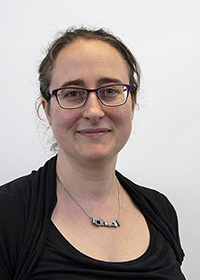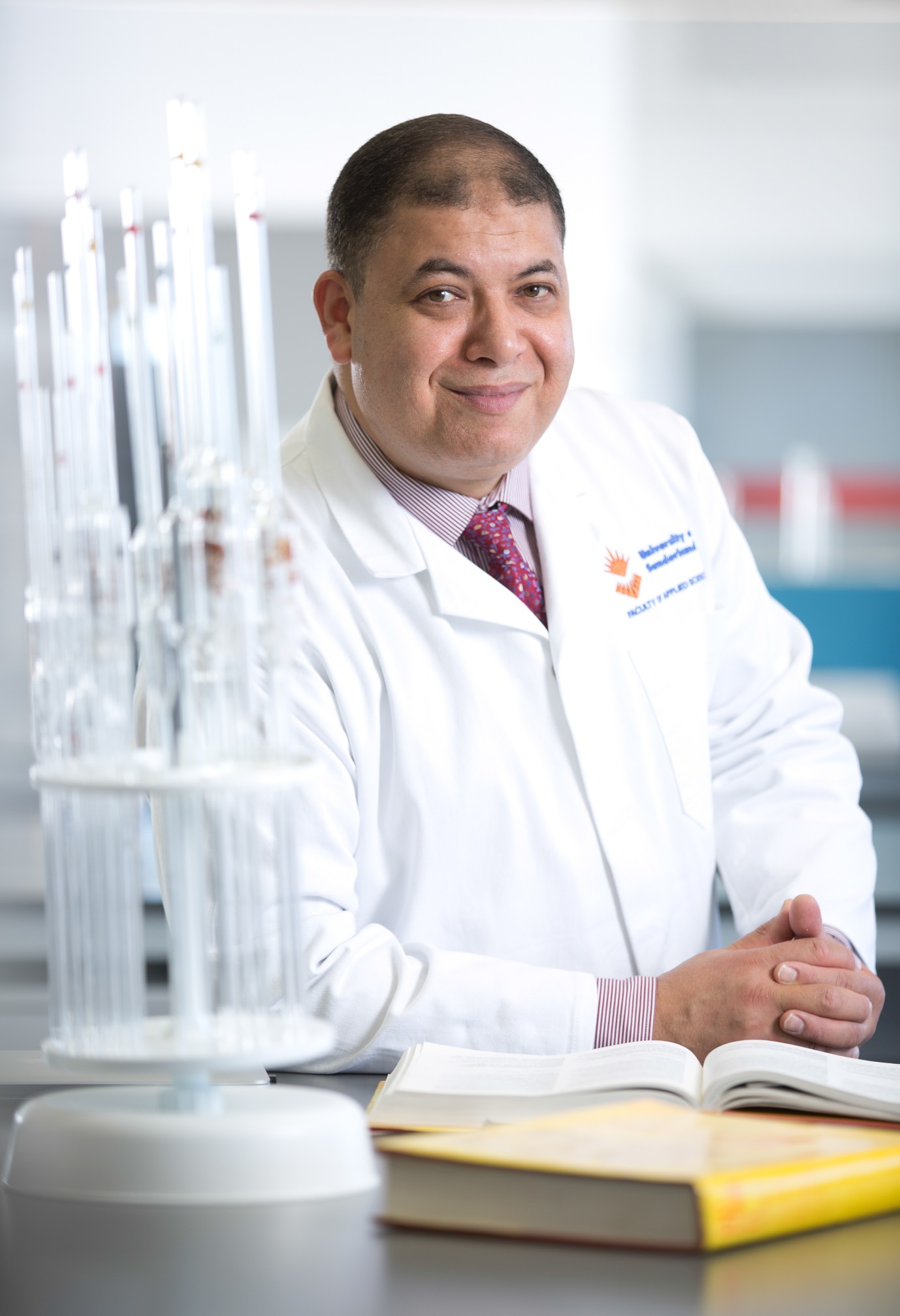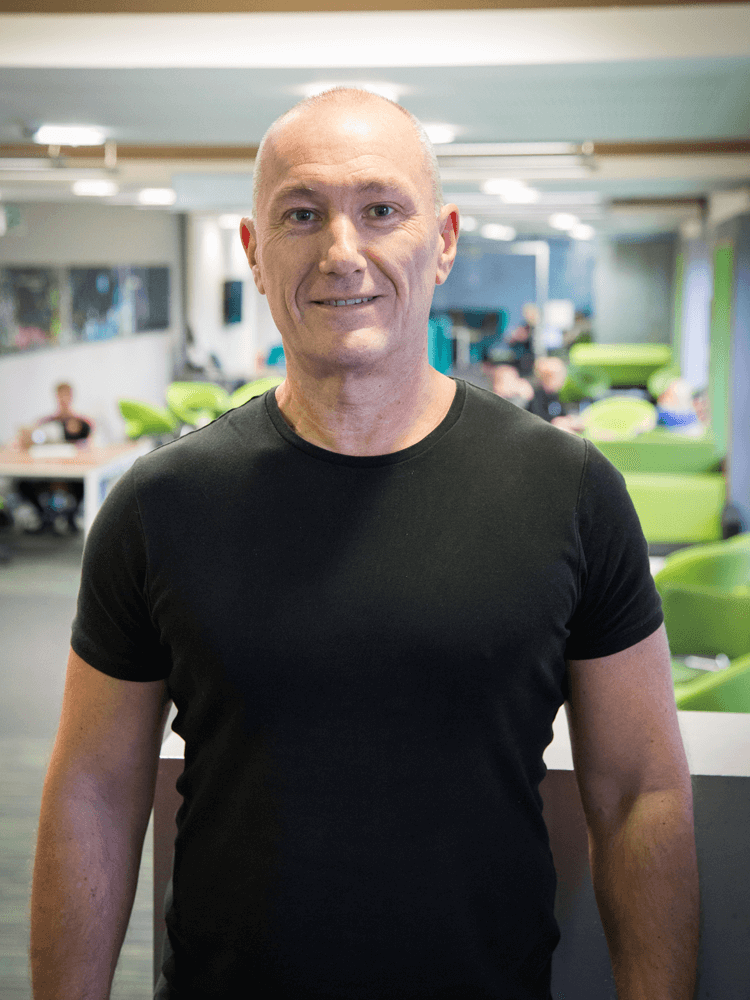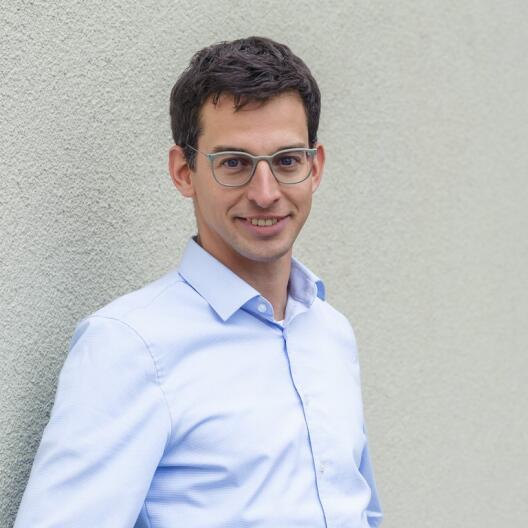
Prof. Dr. Björn Burckhardt serves as Professor at the Institute for Pharmaceutical and Medicinal Chemistry at the University of Münster, where he leads research in Clinical Pharmacy with a focus on Individualized Pharmacotherapy. His laboratory, located in Room 120.268 at Corrensstr. 48, Münster, conducts cutting-edge research on pathophysiologically relevant peptide cascades using mass spectrometry. Dr. Burckhardt's research primarily centers on the kallikrein-kinin system and its complex interplay with the renin-angiotensin-aldosterone system, complement system, and neurokinins. His work has significant implications for understanding and treating major diseases including hypertension, diabetes mellitus, cancer, hereditary angioedema, sepsis, and malaria. By developing reliable mass spectrometric techniques, his team aims to identify new drug targets and advance personalized medicine approaches through comprehensive pharmacokinetic, pharmacodynamic, and metabolomic analyses. His recent publications demonstrate a strong focus on antimalarial compounds, HDAC inhibitors for cancer therapy, and the role of peptide systems in inflammatory conditions including COVID-19. The research spans from analytical method development to clinical applications, with particular emphasis on pediatric pharmacology and translational medicine. Dr. Burckhardt has earned significant recognition including: Frey-Werle Prize (2022) for contributions to kallikrein-kinin system research Marie Skłodowska-Curie Global Fellowship (2022) He actively collaborates through consortia including LENA and CARS, with research that bridges analytical chemistry, pharmacology, and clinical medicine. His laboratory regularly recruits PhD students with backgrounds in pharmacy, chemistry, and related disciplines for research involving mass spectrometry and bioanalytical techniques. The research group comprises multiple scientists including Dr. Tanja Gangnus (who received the Walter Schunack Prize in 2023), several research assistants, and technical staff, working together to advance understanding of peptide cascades and their clinical applications.