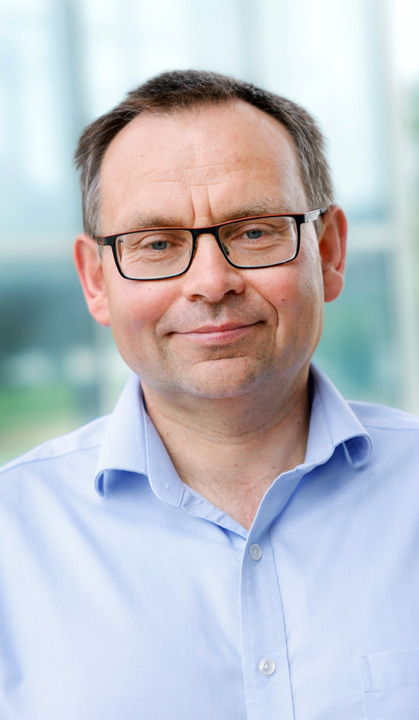
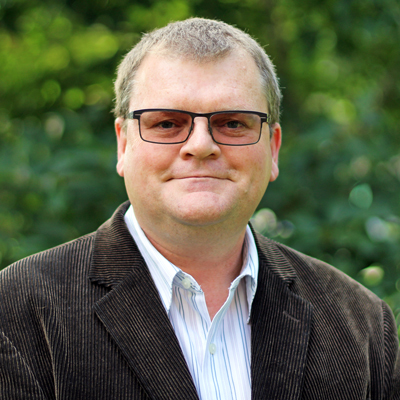
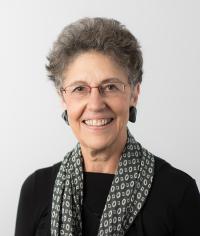
Santiago F. González is a Group Leader at the Institute for Research in Biomedicine (IRB) in Bellinzona, Switzerland, and an extraordinary professor at the University of Italian Switzerland (USI). He earned dual PhDs in microbiology (University of Santiago de Compostela, Spain) and immunology (University of Copenhagen, Denmark), followed by postdoctoral work (2007–2011) at Harvard Medical School's Immune Disease Institute under Michael Carroll. PhD in Microbiology, University of Santiago de Compostela PhD in Immunology, University of Copenhagen His research focuses on immune system dynamics during respiratory viral infections, vaccination, and cancer metastasis. Key areas include influenza recognition , lymph node inflammation , and immune cell behavior in vivo. He pioneered studies on C-type lectin receptors (e.g., SIGN-R1) in viral immunity and epigenetic modulators for inflammation. Recent publications highlight his work in epigenetic drug development , nanovaccines , and computational tools for immune cell tracking. His group uses two-photon intravital microscopy and spatial-temporal modeling to dissect immune responses. Scientific awards include three EU Marie Curie Fellowships (2004–2013), enabling his transition to independent research. His collaborations span Harvard, USI, and European institutions, with grants from the EU and Swiss research bodies. His lab at IRB, established via the 2013 Marie Curie Career Integration Grant , develops novel imaging approaches and therapeutic strategies for infectious and immune-mediated diseases.
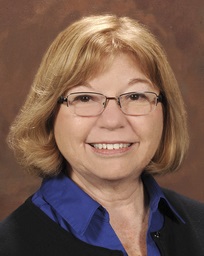
Vanessa Nomellini, MD, PhD is an Associate Professor in the Division of Burn, Trauma, Acute and Critical Care Surgery at UT Southwestern Medical Center. She joined UT Southwestern in 2023 as the director of research for her division and leader in the Critical Care Outcomes Research Translation (CORT) group. Education: Dr. Nomellini earned her MD and PhD in Cellular and Molecular Biochemistry from Loyola University. She completed her general surgery residency at the University of Wisconsin and Surgical Critical Care fellowship at the University of Pennsylvania. Research Interests: Her work focuses on immune dysfunction in critically ill patients, particularly sepsis and trauma-induced immunosuppression. She leads studies on immune recovery mechanisms and develops the ICU Recovery Program for long-term patient management. Her NIH-funded research (R35 NIGMS) investigates immune suppression through both animal models and human observational studies. Publications Trends: Her recent work emphasizes sepsis pathophysiology, coagulopathy management, and clinical improvements in critical care. Key areas include immunomodulatory therapies, biomarker utility, and optimizing ICU protocols. Scientific Awards: Recipient of NIGMS R35 grant (2019-current) Advising & Grants: Leads a multi-institutional research team and holds leadership roles in CORT. Her grants focus on translational immunology and critical care outcomes. Labs & Teams: Directs research at UT Southwestern's Critical Care Division, collaborating with Drs. Levi and Carlson in CORT initiatives.
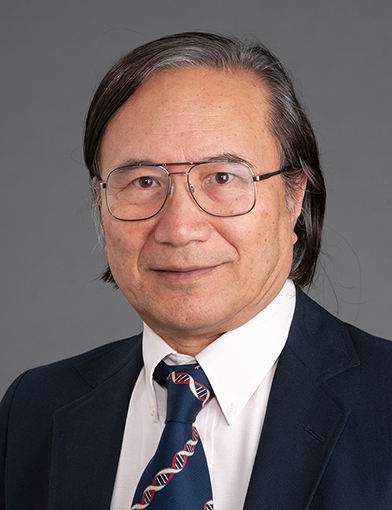
Adrian Whitty is an Associate Professor in the Department of Biology at Boston University . His research focuses on protein-protein and protein-ligand recognition, particularly in developing mechanistic understandings of growth factor receptor activation and advancing drug discovery for protein-protein interaction inhibition. Education: B.Sc. (Honors) in Chemistry from King’s College, University of London (1985); Ph.D. in Organic Chemistry from the University of Illinois at Chicago (1991); Postdoctoral Research Fellow at Brandeis University's Biochemistry Department (1990-93). His work integrates biochemical and cell-based assays using advanced technologies like FRET, Time-Resolved Fluorescence, and Surface Plasmon Resonance (Biacore 3000). He collaborates with computational chemists, organic synthesis experts, X-ray crystallographers, and biologists to develop novel approaches for designing small molecule inhibitors of protein-protein interactions. Recent publications highlight trends in machine learning applications for molecular scientists, structural analysis of enzyme mechanisms, macrocycle-based drug design, and quantitative studies of protein interaction energetics. His lab emphasizes rigorous hypothesis-driven experimental design, preparing students for careers in academia or industry. Advisory and leadership roles include membership in The Protein Society (2008-present), the American Society of Biochemistry and Molecular Biology (ASBMB) Governing Council (2007-present), and founding roles in the Council for Systems Biology in Boston (CSB2) and the Institute for Chemical Biology and Drug Discovery at SUNY Stony Brook. His laboratory is equipped with state-of-the-art facilities for fluorescence, analytical ultracentrifugation (AUC), dynamic light scattering (DLS), isothermal titration calorimetry (ITC), and tissue culture, supporting diverse techniques including flow cytometry and reaction pathway modeling with Mathematica and MATLAB.
Daniel Hawiger is a Professor at the School of Medicine , Saint Louis University , specializing in the Department of Molecular Microbiology and Immunology . With a career spanning both clinical and basic science research, he has made seminal contributions to immunology through his work on dendritic cells, T cells, and immunomodulation strategies.
Michael Gajhede is a Professor of Protein Crystallography in the Department of Drug Design and Pharmacology at the University of Copenhagen's Faculty of Health and Medical Sciences. With over three decades of academic experience, his career spans from early appointments in the Department of Chemistry to his current position focusing on structural biology and drug design. Dr. Gajhede received his M.Sc. (Cand.scient.) in Chemistry from the University of Copenhagen in 1982 and completed his Ph.D. (Lic.scient.) there in 1986. His research expertise centers on protein crystallography, structural biology, and their applications in medicinal chemistry, particularly in understanding protein-protein interactions and developing novel therapeutic approaches. His recent publications (2023-2025) demonstrate a strong focus on structural approaches to drug discovery, with particular emphasis on protein-protein interaction targets including Keap1-Nrf2 pathway, cannabinoid receptors, and kainate receptors. His work bridges structural biology with practical medicinal chemistry applications, often resulting in novel compounds with therapeutic potential in inflammation, cancer, and neurological disorders. Throughout his career, Gajhede has held significant leadership positions including Chairman of DANSCATT (2008), Chairman of DANSYNC (2004-2007), and various roles in university governance and scientific infrastructure development in Denmark. As an active member of the scientific community, he serves as a referee for international journals in X-ray crystallography, evaluates academic appointments in Denmark, and reviews grant applications for multiple national science foundations across Europe and the United States.
Francesca Rappa is a Full Professor in the Department of Human Anatomy and Histology within the School of Medicine and Surgery at the University of Palermo. Her academic position (BIOS-12/A classification) centers on biomedicine, neuroscience, and advanced diagnostics with a focus on molecular mechanisms of disease. Her research spans multiple interconnected domains centered on stress response systems. Key interests include: Molecular chaperone networks (particularly Hsp60, Hsp90, Hsp27) in carcinogenesis Thyroid and colorectal cancer pathophysiology Glioblastoma multiforme molecular characterization Probiotic interventions for gut-liver-muscle axis disorders Nanovesicle-based therapeutics from citrus and tomatoes Diagnostic applications of heat shock proteins in inflammatory diseases Publication analysis reveals consistent focus on chaperone systems across cancer types (thyroid, salivary, colorectal, brain), with recent expansion into nutraceutical mechanisms involving citrus nanovesicles and golden tomatoes. Her 2023-2025 output shows increasing emphasis on multi-organ communication pathways (gut-brain, gut-liver-muscle) and industrial-scale therapeutic applications. Methodologically, she integrates immunohistochemistry, proteomics, and animal disease models. Teaching responsibilities include core anatomy courses for Medicine and Radiology programs: Anatomy I (10 CFU) and II (6 CFU) for Medicine Human Anatomy with Histology elements (6 CFU) for Radiology Integrated Anatomy/Biochemistry/Physiology modules (12 CFU) She actively supervises graduate research, with four theses directed between 2020-2024 covering celiac disease histopathology, stress protein interactions in colorectal cancer, glioblastoma biomarkers, and thyroid stress responses. Her laboratory work focuses on immunomorphological analysis of chaperone systems in tumor tissues and development of probiotic/nanovesicle interventions for metabolic and inflammatory conditions.
Dr. Joyce Gonzales is a Professor in the Department of Medicine (Pulmonary Division) at the Medical College of Georgia. She holds an MD from the University of Health Sciences (2002) and a BSN from Excelsior College (1998), with certifications in ACLS instruction (2007), Georgia state physician licensure (2009), and American Board of Internal Medicine (2006). Her research focuses on pulmonary and vascular pathophysiology, including bacterial toxin mechanisms in lung injury, endothelial barrier regulation in sickle cell disease, and novel anticoagulant therapies. Key areas include: Molecular pathways of pneumolysin-induced endothelial damage Thrombin-PAR signaling in vascular permeability Pulmonary complications of hematological disorders Therapeutic interventions for acute chest syndrome She has received multiple honors for service excellence: William Beaumont Army Medical Center Humanitarian Award (2003) Department of the Army Commander’s Award for Civilian Service (1999) Department of the Army Service Recognition (1996) Larimer County Health Department Service Award (1993) Dr. Gonzales teaches core medical courses including RMED 5000 (Medicine), GMED 5034 (Medical Critical Care), and RPUL 5000 (Pulmonary & Critical Care).
Prof. Dr. Jörn Walter serves as a Senior Professor for Genetics and Epigenetics at Saarland University's Faculty of Natural Sciences and Technology. His laboratory investigates epigenetic mechanisms across development and disease states, with particular emphasis on DNA methylation, chromatin dynamics, and epigenomic mapping of cell types. Member of the International Human Epigenome Consortium (IHEC) Coordinator of the German Epigenome Program Director of an in-house Sequencing Facility (HiSeq2500, Mi-Seq, Nextseq-500) Research focuses include: Epigenetic programming during cellular differentiation DNA methylation dynamics in disease contexts Stem cell epigenetics and reprogramming Evolution of epigenetic mechanisms Recent publications highlight interdisciplinary approaches combining next-generation sequencing , bioinformatic modeling , and clinical epigenetics , with particular attention to immune cell development , metabolic disease epigenetics , and computational epigenomics . The group maintains collaborations with the West German Sequencing Center and contributes to epigenetic data standardization efforts. Lab members include active researchers like Dr. Nina Gasparoni , Dr. Gilles Gasparoni , and M.Sc. Alea Leismann , alongside an extensive alumni network of former advisees who have advanced epigenetic research in various institutions.
Prof. Dr. Belkis Atasever Arslan is a Professor in the Department of Molecular Biology and Genetics at Uskudar University. Her research focuses on molecular mechanisms of neurodegenerative diseases, cancer biology, and pharmacological effects of natural compounds. PhD in Physiology (2008, Istanbul University, Istanbul Faculty of Medicine) MSc in Physiology (2004, Istanbul University, Istanbul Faculty of Medicine) Licence in Biology (2001, Istanbul University) Research interests include: Neuroinflammation and blood-brain barrier integrity Therapeutic potential of phytochemicals (sesamol, quercetin, hypericum) Metal-induced toxicity and oxidative stress Computational modeling of disease pathways Molecular signaling in leukemias and neurodegeneration Grant leadership includes projects on: Sesamol's neuroprotective effects Plant extracts targeting Alzheimer's disease Metal toxicity modulation Cancer signaling pathways Laboratory and teams : She serves as Laboratory Manager and leads research groups in neuroimaging and molecular biotechnology, with extensive supervision of student theses.
Kounosuke Watabe is a Professor in the Department of Cancer Biology at Wake Forest University School of Medicine. He serves as Associate Director of Education and Training and Shared Resources at the Wake Forest Baptist Comprehensive Cancer Center. Research focus on tumor microenvironment, cancer stem cells, and non-coding RNAs in breast and prostate cancers Published over 150 papers with an h-index of 51 Director of T32 Translational Oncology Training Program and R25 cancer research promotion program Research Interests: The lab investigates molecular mechanisms of tumor metastasis, particularly in breast and prostate cancers. Key areas include: Tumor microenvironment interactions in bone and brain metastasis Non-coding RNA regulation of cancer progression Fatty acid metabolism in tumor initiation Cancer stem cell dynamics Development of immunotherapies to control metastasis Scientific Awards: Molecule of the Year (2011) by ISMCBBPR Top 100 Science Discovery (2013) in Discover Magazine Research Trends: Recent publications emphasize exosomal miRNAs (2021), nicotine's role in metastasis (2021), and multi-omics analysis of brain metastasis outcomes (2020). Earlier work established fatty acid synthase as a therapeutic target (2005-2008) and clarified microRNA regulation of cancer stem cells (2009-2013). Leadership & Funding: He has served on federal grant review panels and led team science projects across three institutions. His research has received continuous NIH and federal funding. Labs & Collaborations: The Kounosuke Watabe Lab collaborates with Wake Forest Institute for Regenerative Medicine (WFIRM), Maya Angelou Research Center for Healthy Communities, and Public Health Sciences departments.
Dr. Lionel B. Ivashkiv is a leading academic and physician-scientist, serving as Professor of Medicine and Immunology at Weill Cornell Medicine and holding dual leadership roles as Chief Scientific Officer at Hospital for Special Surgery (HSS) and Director of the David Z. Rosensweig Genomics Research Center at HSS. His research bridges basic science and translational medicine, focusing on cytokine signaling, epigenetic regulation of inflammation, and therapeutic targets for musculoskeletal disorders. Education : MD from Harvard Medical School, Residency at NYU/Bellevue Hospital, Fellowship at Brigham and Women's Hospital Dr. Ivashkiv's laboratory investigates how cytokines like IFN-γ, IFN-α, IL-10, and TNF regulate innate immune and stromal cell functions (macrophages, osteoclasts, synovial fibroblasts). Key themes include: Jak-STAT signaling crosstalk Epigenomic mechanisms in inflammatory gene expression Macrophage reprogramming (priming/tolerance) Autoimmune disease pathogenesis (rheumatoid arthritis, lupus) Translational genomics (RNA-seq, ChIP-seq, ATAC-seq) Precision medicine approaches for individualized therapies His team employs innovative methods combining bacterial artificial chromosomes (BACs) with CRISPR-Cas9 to study human autoimmunity-associated genes like A20/TNFAIP3 . Recent publications highlight discoveries in: Cytokine-driven inflammation in arthritis and implant failure Lipid metabolism regulation in T cells Novel strategies for preventing peri-implant fibrosis Interferon-γ and PGE2-cAMP axis interactions Epigenetic modulation of immune cell phenotypes Mechanosensing in plasmacytoid dendritic cells Scientific honors include election to the Association of American Physicians and American Society for Clinical Investigation , alongside multiple awards from the Arthritis Foundation and NIH . He leads multidisciplinary teams studying clinical challenges such as: Rheumatoid arthritis flares and therapy resistance Orthopedic implant aseptic loosening Total knee replacement complications Spine degeneration and pain
David Boone is an Adjunct Professor in the Department of Biology at the University of Notre Dame and a Professor of Microbiology and Immunology at Indiana University School of Medicine – South Bend. His research focuses on the molecular and immunological mechanisms underlying inflammatory bowel diseases (IBD), colon cancer, and obesity, with a strong emphasis on host-microbe interactions, autophagy, and intestinal barrier function. Adjunct Professor of Biology, University of Notre Dame (2021–Present) Professor of Microbiology and Immunology, Indiana University School of Medicine – South Bend (2021–Present) Adjunct Associate Professor, University of Notre Dame (2014–2021) Associate Professor, Indiana University School of Medicine – South Bend (2014–2021) Assistant Professor of Medicine, University of Chicago (2006–2013) Adjunct Assistant Professor, University of California, San Francisco (2004–2006) Education: Ph.D., University of Ottawa (1997) B.Sc., University of Waterloo (1989) Dr. Boone's research explores the role of key regulatory genes such as ATG16L1 and TNFAIP3 in intestinal inflammation and cancer. His lab uses genetically engineered mouse models to investigate how disruptions in autophagy, NF-kB signaling, and epithelial barrier integrity contribute to disease. A major focus is the protective effect of the ATG16L1 Thr300Ala variant in colorectal cancer through enhanced type I interferon production. His recent publications reveal a consistent trend in understanding immune regulation in the gut, particularly how genetic variants influence microbial interactions, epithelial cell function, and anti-tumor immunity. His work bridges molecular immunology, genetics, and microbiome science, contributing to translational insights in IBD and cancer. Scientific Awards: No awards explicitly mentioned in the text. Dr. Boone has advised numerous graduate students and postdoctoral researchers, many of whom have co-authored his publications. While specific grants are not listed, his sustained research output suggests active funding. His work involves collaboration across institutions, including the University of Chicago, UCSF, and various medical research centers. He leads a research lab focused on intestinal immunology, utilizing transgenic mouse models and human cell lines to dissect pathways involved in inflammation, autophagy, and cancer. The lab investigates microbial infiltration, mucus layer integrity, and immune cell responses in genetically susceptible hosts.
Assoc. Prof. Dr. Ayşegül Kuşkucu is an academic staff member at Yeditepe University Faculty of Medicine , Department of Medical Genetics . She holds a PhD in Genetics from Istanbul University (2008) and a specialization in Molecular Cytogenetics from Université Montpellier I (2009). Current research focuses on miRNA regulation in chordomas, cancer stem cells, and metabolic-genetic interactions in cancer models Key projects include TÜBİTAK-funded studies on PD-L1 CAR-NK cell therapy, caloric restriction epigenetics, and amniotic cell differentiation Her award includes First Place Oral Presentation at the International Medical Genetics Congress She supervises PhD and Master's theses on topics like obesity genetics, stem cell differentiation, and cancer epigenetics. Her work appears in journals such as Biological Research , Neurology India , and Gene , with recurring themes in oncomiR profiling , hypoxia-related polymorphisms , and genetic counseling . Administrative roles include Department Chair (2013) and Faculty Board Membership (2021). She actively participates in societies like the European Society of Human Genetics and Medical Genetics Association .
Kelly Shepardson is an Assistant Professor in the Department of Molecular Cell Biology within the School of Natural Sciences at the University of California, Merced. Her laboratory is located in BSP 462, with her office in BSP 463. She can be contacted at kshepardson2@ucmerced.edu. Her research focuses on immunology and infectious diseases , particularly host-pathogen interactions involving viral, bacterial, and fungal pathogens. Key areas include: Immune mechanisms in pulmonary infections Viral-bacterial-fungal coinfections Macrophage biology and innate immune signaling Pathogen recognition receptors (TLRs, NLRs) Cytokine regulation in infection outcomes Her publication record (2015-2025) demonstrates consistent focus on: Influenza pathogenesis and superinfections Aspergillus and other fungal infections SARS-CoV-2 coinfection models Mouse models of respiratory infections Molecular mechanisms of immune regulation
Linda C. Giudice is a Distinguished Professor holding the Robert B. Jaffe, MD Endowed Professorship in Reproductive Sciences at the University of California, San Francisco (UCSF) School of Medicine. She serves as Director of the Center for Research on Origins and Biological Consequences of Human Infertility, the UCSF Women's Reproductive Health Research Career Development Center, the UCSF NIH National Center for Translational Research in Reproduction and Infertility (NCTRI), and the UCSF NIH Human Endometrial Tissue and DNA Bank. Her extensive leadership in reproductive sciences spans decades of groundbreaking research and mentorship. 1969: BS Engineering, Columbia University 1971: MSc, Washington University, St. Louis 1976: PhD Biochemistry, University of California, Los Angeles 1982: MD Medicine, Stanford University 1982-83: Internship in General Internal Medicine, Kaiser Foundation Hospital 1983-84: Residency in Gynecology and Obstetrics, Stanford University Medical Center 1984-86: Residency in Obstetrics and Gynecology, Barnes Hospital, Washington University 1986-87: Fellowship in Reproductive Endocrinology and Infertility, Stanford University Medical Center Dr. Giudice's research focuses on environmental impacts on reproductive health, steroid hormone signaling in human endometrium, endometrial-placental interactions, and the endometrium as a mucosal tissue. Her laboratory employs systems biology approaches to investigate molecular mechanisms underlying normal and abnormal human endometrial development and function, with particular emphasis on endometriosis, infertility, and implantation disorders. Her team explores endometrial renewal through stem cell-focused research and investigates the human female reproductive tract as a portal of entry for infection, including HIV transmission. Recent work has centered on epigenetic regulation of endometrial function and the immune environment in endometriosis using single-cell technologies. Analysis of her recent publications reveals a strong trend toward advanced genomic and transcriptomic techniques, particularly single-cell analysis and multi-omics approaches to understand endometrial biology and endometriosis pathogenesis. Her research spans fundamental molecular mechanisms of endometrial function while maintaining strong translational applications for diagnostic and therapeutic development in reproductive medicine. 2002: Elected to the Institute of Medicine of the National Academies 2006-2007: President of the Society for Gynecologic Investigation 2006: Academia Nazionale dei Lincei Arnaldo Bruno International Prize 2008: American Medical Women's Association Woman in Science Award 2008: SGI Distinguished Scientist Award 2008: American Fertility Society Illuminations Award 2008: American Society for Reproductive Medicine Distinguished Researcher Award 2009: NICHD, NIH, DHHS Perinatology Research Branch Wall of Honor 2013: Journal of Women's Health Award for Outstanding Achievement Dr. Giudice has mentored numerous researchers through her laboratory at UCSF, including postdoctoral scholars, REI fellows, and clinical research coordinators. Her lab maintains the UCSF NIH Human Endometrial Tissue and DNA Bank, established in 1999, which serves as a national repository for endometrial and blood specimens. She has secured significant NIH funding through the National Center for Translational Research in Reproduction and Infertility program, supporting translational research in reproductive sciences. The Giudice Lab, located at 513 Parnassus Avenue in the Health Sciences Education Building, operates as a multidisciplinary team investigating endometrial biology from molecular to clinical perspectives. Current research focuses include epigenetic regulation of endometrial function, immune environment in endometriosis, endometrial stem/progenitor cells, and the reproductive tract as a portal for infection. The lab collaborates extensively with other UCSF researchers and participates in national and international consortia focused on women's reproductive health.