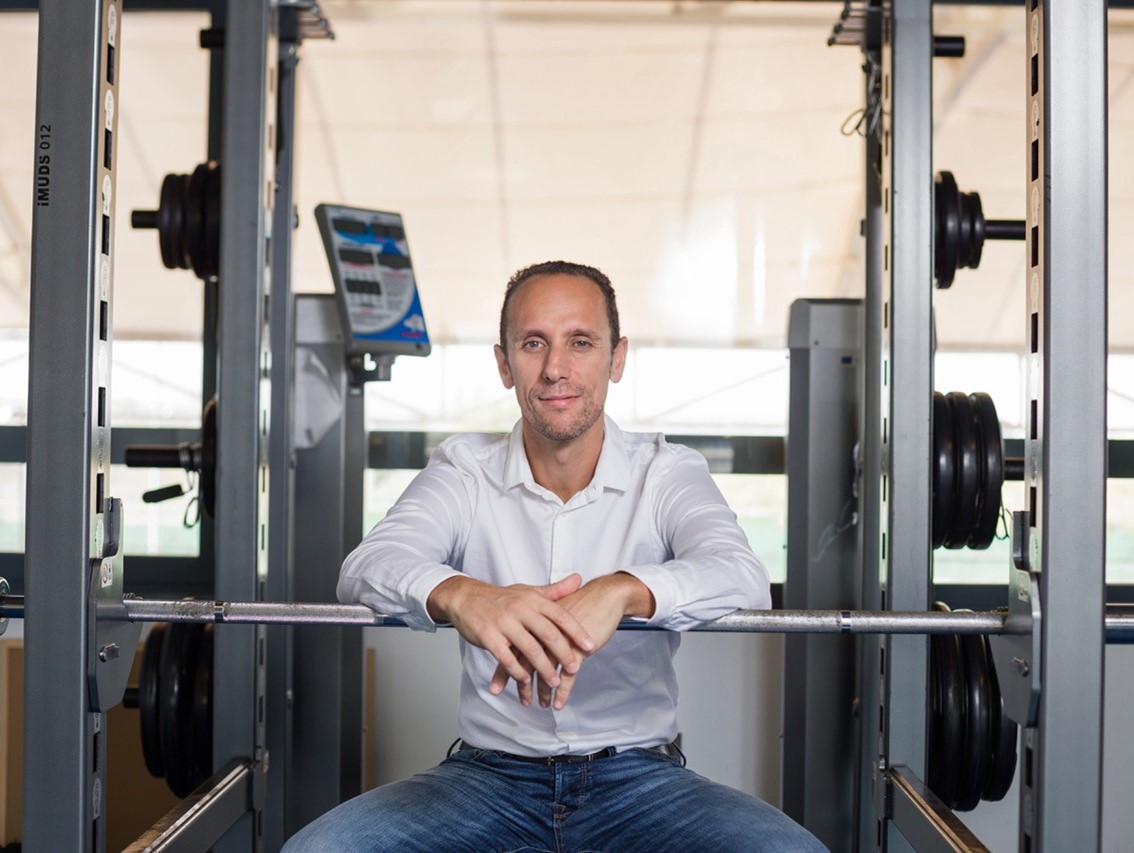
Francisco B. Ortega (Fran) is a Full Professor at the Faculty of Sports Sciences of the University of Granada, Spain . He serves as co-director of the PROFITH research group and co-heads the Physical Activity and Health Promotion Research Unit at the Joint University Institute of Sport and Health (iMUDS). His academic journey includes dual PhDs in Exercise Physiology (University of Granada) and Medical Sciences (Karolinska Institute) and postdoctoral work in Sweden and the USA. PhD, Exercise Physiology - University of Granada PhD, Medical Sciences - Karolinska Institute His research focuses on: Physical fitness assessment and accelerometry Exercise effects on cardiovascular, mental, and brain health Wearable technology applications in sports science Obesity prevention via physical activity Longitudinal health outcomes from adolescent fitness Recent publications highlight trends in global fitness norms , exercise interventions for coronary patients , pediatric obesity prevention through VR , and brain-cognition relationships in children . He received the prestigious Ramón y Cajal Research Fellowship and has led high-impact studies like the ActiveBrains and AGUEDA trials.
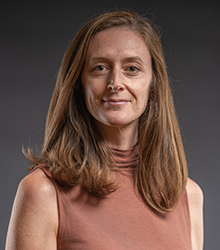
Nichole Kelly is an Evergreen Associate Professor at the College of Education , University of Oregon. She is affiliated with multiple departments including Counseling Psychology, Couples and Family Therapy, Family and Human Services, and Prevention Science. Postdoctoral Research Fellowship, Behavioral Health Psychology (2013-2016), Uniformed Services University and NIH PhD in Counseling Psychology (2013), Virginia Commonwealth University BA in Psychology (2004), University of Virginia Her research focuses on eating behaviors , body image , weight stigma , and chronic disease risk . She investigates cognitive and emotional mechanisms of eating behaviors linked to mental health and disease risk, using diverse methods such as test meals , ecological momentary assessments , and neuropsychological evaluations . Her work emphasizes understudied populations like men, rural communities, and ethnically/racially diverse groups. The 15 most recent articles reflect trends in health psychology , pediatric behavioral health , and culturally-informed interventions . Key subfields include disordered eating pathology , social media impacts , weight stigma reduction , and ecological frameworks . Her studies often integrate experimental designs , network analyses , and public health data . Labs & Teams : Leads The Renew Lab , focusing on health equity through psychological science. The lab develops interventions targeting systemic bias , health disparities , and culturally-sensitive practices .
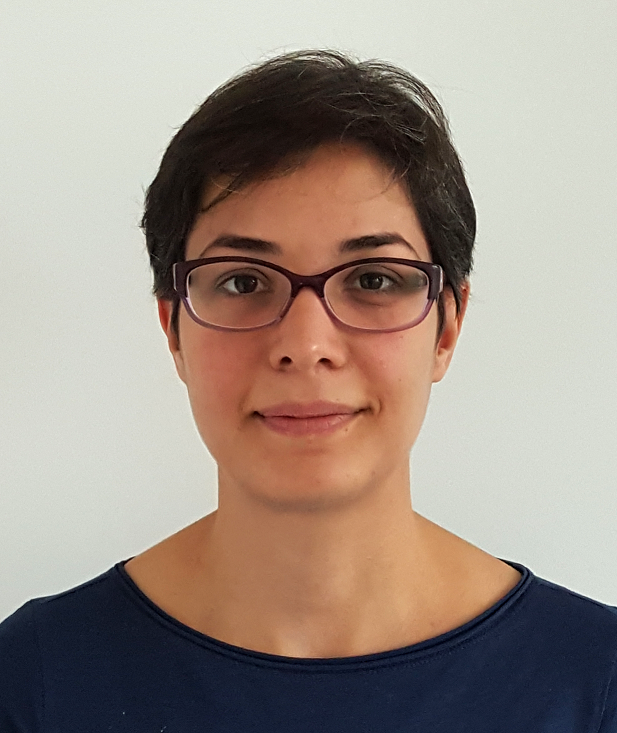
Dr Virginia Newcombe is an Honorary Consultant in the Department of Medicine, Division of Anaesthesia, at the University of Cambridge’s School of Clinical Medicine, based at the Wolfson Brain Imaging Centre. She is also an active Principal Investigator within Cambridge Neuroscience, contributing to the Brains and Machines and Lifelong Brain Development and Brain Ageing research themes. Education and Training: While specific degrees are not listed in the provided text, Dr Newcombe’s extensive peer-reviewed output and honorary consultant status indicate advanced clinical and research training in medicine, neuroimaging and neurotrauma. Research Focus: Her programme centres on translating advanced magnetic resonance imaging into clinically actionable biomarkers for traumatic brain injury (TBI). Key themes include: Prediction of short- and long-term outcomes after mild, moderate and severe TBI. Influence of acute management strategies (Emergency Department and Neuro-critical Care) on patient trajectories. Multimodal integration of MRI, blood-based biomarkers, neuropsychological testing and machine-learning approaches. Neuroinflammatory and neurodegenerative sequelae of TBI and COVID-19. Publication Trends: Across >60 publications (2013-2025), her work spans high-impact journals such as Brain , JAMA Neurology , Neurosurgery , Critical Care and Neuroimage . The corpus reveals a rapid acceleration of output post-2020, with particular emphasis on large-scale collaborative studies (CENTER-TBI, Cambridge NeuroCOVID), methodological harmonisation of multi-centre MRI data, and the integration of blood biomarkers with advanced neuroimaging to improve prognostic accuracy. Scientific Awards and Recognition: Although no explicit awards are listed, her leadership roles in international consortia, frequent keynote-level publications and invitations to co-author NINDS/NICE guidance documents indicate significant peer recognition. Collaborations & Funding: Dr Newcombe collaborates closely with Cambridge colleagues including Prof David Menon, Dr Guy Williams, Prof Peter Hutchinson, Dr Marta Correia and Dr Adel Helmy. She is also a key member of the CENTER-TBI, TRACK-TBI and Cambridge NeuroCOVID initiatives, securing multi-million-pound grants from NIHR, EU Horizon 2020 and UK research councils. Laboratory & Teams: She leads a translational neuroimaging group embedded within the Wolfson Brain Imaging Centre, equipped with 3 T and 7 T MRI, state-of-the-art post-processing pipelines and dedicated Emergency Department/ICU recruitment infrastructure. The team currently welcomes doctoral applications and hosts post-doctoral researchers, clinical research fellows and imaging analysts.
Silvia S. Martins, MD, PhD, is Professor of Epidemiology at Columbia University Mailman School of Public Health, where she directs the Substance Use Epidemiology Unit and co-directs the NIDA T32 Substance Abuse Epidemiology Training Program. She serves as Vice Dean for Faculty and holds affiliations with Columbia's Global Health Initiative, Injury Science Center, and Population Research Center. Her education includes an MD from UFPR-Brazil (1998) and a PhD from the University of São Paulo (2003). Dr. Martins' research examines substance use epidemiology through interdisciplinary lenses, focusing on: Policy impacts of cannabis/opioid regulations on overdose rates and usage patterns Machine learning applications for analyzing drug policy effectiveness Child/adolescent psychiatric epidemiology and global substance use disparities Urban health interventions and community-based substance abuse prevention Her work spans national contexts including the U.S., Brazil, and Uruguay. Her publications demonstrate strong thematic coherence, with recent work emphasizing: Quantitative analysis of cannabis/opioid policy impacts using longitudinal data Innovative methods (e.g., machine learning, geospatial modeling) in epidemiological research Health equity dimensions of substance policies across racial/ethnic groups Maternal health and polysubstance use during public health crises Awards & Honors: Tow Leadership Scholar (2021-2023) Columbia University Irving Medical Center Mentor of the Year (2021) Calderone Health Equity Award (2021) National Hispanic Science Network Mentoring Award (2021) Dean's Award for Excellence in Mentoring (2017) Joseph Ciarrocchi Award for Youth Gambling Research (2011) As principal investigator on multiple NIH grants since 2006, she leads projects examining: Synergistic effects of opioid/cannabis policies in the U.S. Drug overdose trends in Latin America (Brazil, Colombia, Mexico) Unemployment insurance effects on drug outcomes during COVID-19 She mentors early-career researchers through the NIDA T32 program, with >90 mentee-led publications. She directs the Substance Use Epidemiology Unit and co-leads the PHIOS interdisciplinary group. Additional affiliations include Columbia’s Center for Injury Science and Prevention, Institute of Latin American Studies, and Global Mental Health Program.
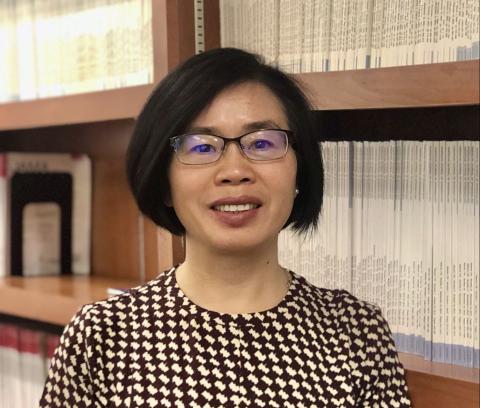
Hua He is a Professor in the Department of Biostatistics and Data Science at Tulane University's School of Public Health and Tropical Medicine, specializing in advanced statistical methodologies for public health research. Her work bridges theoretical biostatistics with practical applications in infectious disease diagnostics and causal inference frameworks. Her academic credentials include: PhD in Statistics, University of Rochester MA in Statistics, University of Rochester BS in Mathematics, Southwest Normal University, China Dr. He's research focuses on mixture population modeling, causal inference, longitudinal data analysis, and ROC analysis, with significant applications in tuberculosis diagnostics and molecular epidemiology. She develops novel statistical approaches for social media data analysis, drinking outcome modeling, and zero-modified datasets, emphasizing methodological rigor in public health contexts. Her textbook Applied Categorical and Count Data Analysis and edited volume Statistical Causal Inferences and Their Applications in Public Health Research establish her as a leading methodological authority. Recent publications (2023-2025) demonstrate a concentrated focus on CRISPR-based diagnostic technologies and next-generation sequencing for tuberculosis detection, with strong emphasis on point-of-care applications, diagnostic accuracy validation, and low-resource setting adaptations. These works integrate biostatistical innovation with molecular diagnostics to address critical gaps in infectious disease control. Her scientific recognition includes: Teaching Excellent Award (2020) Dr. He directs the Methodology/Biostatistics Unit at Tulane University Translational Science Institute (TUTSI) and serves as Principal Investigator for an NIH R01 grant Moving beyond description: statistical and causal inference for social media data , alongside multiple pilot studies and foundation-funded projects. She has contributed biostatistical expertise to dozens of NIH-funded investigations, particularly in tuberculosis and infectious disease research. As Co-director of TUTSI's Clinical Research Core and Statistical Deputy Editor for the American Journal of Public Health , she leads institutional research infrastructure while advancing methodological standards in public health science.
Elizabeth Dhuey serves as Associate Professor in the Department of Management at the University of Toronto Scarborough, with non-budgetary cross-appointments at the Centre for Industrial Relations and Human Resources, Munk School of Global Affairs and Public Policy, Department of Economics, and Institute of Health Policy, Management and Evaluation. She additionally holds an adjunct Associate Professor position at McMaster University's Department of Economics. Her academic credentials include a B.A. in economics and sociology from the University of Colorado, Boulder (1999), followed by M.A. (2002) and Ph.D. (2007) in economics from the University of California, Santa Barbara. Dr. Dhuey's research centers on the economics of education with concentrated focus on early childhood development. Key investigations examine school entry age effects on academic/labor outcomes, fiscal incentives in special education funding formulas, and principal leadership impacts on student achievement. Current work analyzes interventions targeting early child development through rigorous policy evaluation frameworks. Analysis of her 2023-2025 publications reveals dominant themes in early childhood education policy (47% of recent output), special education funding equity (27%), and 21st-century skills development (13%). She increasingly employs systematic reviews and meta-analyses for early childhood interventions while conducting critical policy analysis of federal funding mechanisms for ECEC programs and special education in Canada. Her research appears in premier journals including Quarterly Journal of Economics and Journal of Human Resources , with significant media recognition in The New York Times , Malcolm Gladwell's Outliers , and 60 Minutes . As Co-Director of FutureSkills Canada, Dr. Dhuey actively shapes skills policy development. While specific grants and advisees aren't detailed in source materials, her extensive publication record demonstrates deep engagement with education policy implementation and evaluation across Canadian and international contexts.
Prof. Dr. Andreas Obersteiner serves as Professor of Mathematics Education at the Technical University of Munich (TUM), School of Social Sciences and Technology, Department of Educational Sciences since April 2021. He leads the Chair of Mathematics Education and holds the position of Academic Program Director for the Professional Profile 'Natural Science Education – Teaching at Gymnasium' since 2022. His research centers on mathematical cognition, teacher development, and fraction learning, with significant contributions to understanding cognitive biases in numerical processing. Education Background 1. Staatsexamen for Teaching at Gymnasium (1999-2004) 2. Staatsexamen (2005-2007) PhD in Educational Sciences, TUM School of Education (2012) Habilitation, TUM School of Education (2018) Research Focus Prof. Obersteiner's work investigates mathematical cognition with emphasis on mental number representation and the natural number bias in fraction comparison. His research employs eye-tracking methodology to analyze cognitive processes in students and teachers. He develops interventions to enhance teacher diagnostic competence and mathematical learning, particularly through projects like FractAl and FracVisET that address fraction understanding. His interdisciplinary approach bridges educational psychology, cognitive science, and mathematics education. Publication Trends His recent publications (2023-2025) demonstrate consistent focus on fraction cognition, natural number bias mitigation, and teacher assessment competencies. He frequently employs mixed-methods approaches combining eye-tracking, verbal reports, and experimental interventions. Publication venues include top-tier journals like Learning and Instruction and Educational Studies in Mathematics , reflecting his impact on both theoretical and practical aspects of mathematics education. Scientific Recognition Alexander von Humboldt Fellowship (2017-2018) Academic Leadership Prof. Obersteiner supervises doctoral candidates including Dr. Sarah Huber and leads multiple funded projects (ALICE, DigiProMIN, COSIMA). As Academic Program Director, he shapes teacher education curricula. His editorial roles include Associate Editor for the Journal of Numerical Cognition (2020-2024) and coordination of EARLI's Special Interest Group 'Conceptual Change' (2019-2023). Research Infrastructure He directs the Chair of Mathematics Education at TUM, which operates within the Department of Educational Sciences and collaborates with TUM Referenzgymnasien schools. His team conducts experimental research using eye-tracking labs and digital simulations for teacher training, supported by current projects including RocketTutor and SHARP.
Dr Tinh (Jimmy) Doan is a Research Fellow at the Department of Health Economics, Wellbeing and Society within the National Centre for Epidemiology and Population Health at The Australian National University (ANU). With a PhD in Economics from Waikato University (2011), he previously held senior analyst roles at New Zealand government departments and served as Research Associate at Waikato University. Research Interests span Gender inequality in work-time allocation Health-occupation nexus Physical activity and body weight Population health Microeconometric modelling His work addresses time use , mental health , and labour market dynamics with a focus on Australian and global contexts. Recent Publications (2024–2025) examine non-linear associations between work hours and sleep quality causal relationships in physical activity/weight dynamics household alcohol impacts on education child nutrition in Ethiopia older workers' health constraints His methodological expertise includes longitudinal data analysis , instrumental variables , and systematic reviews .
Tatiana Anisimova is an Associate Professor at the Department of Marketing and Tourism Studies within the School of Business and Economics at Linnaeus University, Sweden. She is affiliated with GATE – Graduate School of Advanced Technology and Enterprising, which focuses on challenges faced by small and medium-sized enterprises (SMEs) in the digital transition. The School of Business and Economics holds AACSB accreditation, reflecting its commitment to high-quality business education. Her educational background includes: Ph.D. in Marketing from Monash University, Australia Bachelor's degree in Sociology Dr. Anisimova's research spans entrepreneurship and management , with expertise in new venture performance, shared leadership, context in entrepreneurial activity, innovative ambidexterity strategy, and adaptive governance of forestry cooperatives. Her marketing research encompasses strategic marketing, organic food consumption, consumer psychology, corporate branding, brand activism, and authenticity amid AI-driven misinformation. Her interdisciplinary approach bridges social science perspectives with business applications, reflecting her sociology background's strong grounding in critical analysis and research methodology. Her publication record demonstrates consistent focus on consumer behavior (particularly organic food consumption and trust) and entrepreneurship, with recent work increasingly addressing contemporary challenges like AI-driven misinformation, permacrisis conditions, and sustainable consumption. She frequently employs sophisticated statistical methods including moderation and mediation analyses to understand complex consumer decision processes. Dr. Anisimova has secured multiple competitive research grants: Stipendium by Handelsbankens forskningsstiftelser Jan Wallander and Tom Hedelius foundation (2023) for Visiting Scholar at University of Bologna Visiting Scholar grant by Erasmus+ EU program (2024-2025) for continued collaboration with University of Bologna Industry Linkage Grant: Profiling community engagement in food production in Australian Capital Territory Industry Research Grant: Sustainable Consumption investigation of 'smart housing' Småland Linkage Grant: Sustainable Food Consumption and marketing communications Entrepreneurship & Innovation Research Group (EIRG) Research Grant She actively supervises PhD candidates at Linnaeus University and University of Bologna, and has served as external examiner for PhD candidates at Curtin University (Australia) and Montpellier Business School (France), where she has served as President of DBA theses juries. Her international collaborations extend to guest scholar positions at leading universities in Italy, Japan, and China. Through GATE, Dr. Anisimova contributes to interdisciplinary research addressing digital transition challenges for SMEs, working within teams focused on sustainable co-creation solutions that integrate business, technology, and social perspectives.
Quincy K. Tran is a Professor in the Department of Emergency Medicine at the University of Maryland School of Medicine. A physician-scientist with dual MD and PhD degrees in Biochemistry, he practices in the Critical Care Resuscitation Unit (CCRU) at the University of Maryland Medical Center, specializing in neurological injuries and critical care processes. Education: BS in Biochemistry (UC San Diego, 1996), PhD in Biochemistry (Virginia Commonwealth University, 2002), MD (Virginia Commonwealth University School of Medicine, 2008). Clinical Expertise: Emergency Medicine, Critical Care, and Resuscitation of transfer patients with spontaneous intracranial hemorrhage and stroke. His research focuses on blood pressure management and improving outcomes for transferred critically ill patients, leveraging clinical data from the CCRU. He founded the Research Associate Program in Emergency Medicine and Critical Care to train future physician-scientists through mentorship and productivity-based learning. Publications highlight innovations in interhospital transfer systems, blood pressure variability analysis, and critical care logistics. His work bridges clinical practice and translational research. Scientific Awards: Excellence for Resident Research (2012) Hero Award (2017, R Adam Cowley Shock Trauma Center) Distinguished Reviewer of the Year (2020, Western Journal of Emergency Medicine) Bronze Snapshot Abstract (2021, Society of Critical Care Medicine) As an editorial board member for multiple journals, he contributes to advancing emergency medicine research. His clinical and academic work emphasizes system-wide improvements in critical care delivery.
Mira Aaboen Sletten is a Researcher II at the Youth Research section of NOVA, the Welfare Research Institute affiliated with Oslo Metropolitan University. Based in Oslo at Stensberggata 26, she conducts research on youth-related topics with a focus on educational outcomes, mental health, and living conditions of young people. Her work bridges academic research with practical applications in youth services and educational policy. Dr. Sletten holds a PhD in Sociology. Her doctoral thesis examined the importance of participation and inclusion among peers during adolescence, establishing the foundation for her ongoing research on youth development and social dynamics. Her research primarily centers on dropout and completion in upper secondary education, trends in youth mental health, and living conditions from a youth perspective. She examines how social inclusion, peer relationships, and educational interventions affect young people's trajectories. A significant portion of her work addresses gender differences in educational outcomes and mental health, with particular attention to vulnerable youth populations and the social determinants that influence their development. Her methodology spans both quantitative and qualitative approaches to understand complex youth issues. Analysis of Dr. Sletten's recent publications reveals a consistent focus on youth development, educational outcomes, and social inequality. Her work examines school dropout prevention, mental health trends, leisure activities, and social inclusion across multiple contexts. A notable pattern is her examination of gender differences in educational and psychological outcomes, with recurring themes of vulnerability, resilience, and the impact of social policies on youth development. While no specific scientific awards are documented in the available information, her extensive publication record in reputable journals and her leadership in numerous research projects indicate significant recognition within her academic field. Her work appears in journals such as Nordic Studies in Education, Scandinavian Journal of Educational Research, and Tidsskrift for Den norske legeforening. Dr. Sletten is actively engaged in multiple research projects including 'GameChanger' which examines school-supplementary measures for at-risk youth, 'A boost for leisure clubs' initiative starting in 2025, and follow-up research on living conditions in Bergen Municipality. She has contributed to evaluations of 'Guttas Campus' and 'Idrett for alle i Oslo' (Sports for all in Oslo). Her research is supported by various grants that fund these projects, though specific grant amounts are not detailed in the available information. Dr. Sletten works within the Youth Research section at NOVA, collaborating with researchers such as Anders Bakken, Anne Grete Tøge, and Ira Malmberg-Heimonen. She is part of research teams focused on educational outcomes, youth mental health, and social inclusion. Her collaborative work extends to partnerships with institutions including the Norwegian School of Sport Sciences and various municipal entities involved in youth services across Norway.
Dr. Fariba Mostajeran is a Researcher at the Human-Computer Interaction research group within the Department of Informatics at the University of Hamburg. Her interdisciplinary work bridges computer science, psychology, and environmental science to investigate the psycho- and physiological effects of immersive media on users across different age groups, with particular focus on therapeutic applications of virtual and augmented realities. Her educational background includes: B.Sc. in Computer Engineering-Software from the University of Isfahan (Iran) M.Sc. in Digital Media from the Universität Bremen Ph.D. in Human-Computer Interaction at the Universität Hamburg Dr. Mostajeran's research centers on Medical Mixed Reality , Digital Health , and Human-Computer Interaction , with emphasis on how virtual environments can enhance cognitive performance, psychological well-being, and therapeutic outcomes. She systematically investigates the impact of virtual nature exposure on memory, attention, and mood, developing applications for mental health treatment, rehabilitation, and workplace design. Her methodological approach combines controlled experiments with user-centered design to create effective immersive interventions. Analysis of her recent publications reveals three major research thrusts: (1) the therapeutic applications of virtual nature for mental health and cognitive enhancement, (2) the development and evaluation of intelligent virtual agents for healthcare applications, and (3) understanding the cognitive and physiological mechanisms underlying user responses to immersive environments. Her work increasingly focuses on multimodal interaction with virtual agents and their implementation in clinical settings. Her scholarly contributions have been recognized through: Ideas and Venture Fund (IVF), Universität Hamburg, 2024-2025 EXIST-Gründerstipendium (EXIST Founder Scholarship), 2014-2015 Deutschlandstipendium (German Scholarship), 2012-2013 Dr. Mostajeran has supervised over 30 master's and bachelor's theses focusing on virtual reality applications across diverse domains including mental health interventions, cognitive training, and therapeutic environments. Her research has received support from university innovation funds and national scholarship programs. She serves on multiple academic committees including professorship selection committees and examination boards, contributing significantly to institutional governance. Her active participation in major conferences as program committee member and reviewer demonstrates her standing in the HCI and VR research communities. She works within the Human-Computer Interaction research group at the University of Hamburg led by Prof. Dr. Steinicke, which maintains strong connections with clinical partners and industry collaborators to translate research findings into practical healthcare applications. The group's facilities include state-of-the-art VR laboratories equipped for comprehensive user studies measuring both behavioral and physiological responses.
Dr. Marit Bentvelzen is an Assistant Professor at the Faculty of Science , Utrecht University , specializing in Human-Centered Computing . She holds a PhD in this field (2024) with her thesis titled Reflection by Interaction: How Technology can Support Users in Reflecting on Personal Data . Research Interests focus on designing technologies that support self-reflection , personal data interpretation , and human-computer interaction . Her work spans data visualization , virtual reality , and fitness tracking systems , emphasizing user-centered design and technology-mediated reflection . Publications highlight her contributions to reflective metrics in fitness trackers, VR-based reflection tools , and data physicalization . She explores how qualitative data representation (e.g., weather metaphors for stress) and smart toys can enhance intergenerational connectedness and self-compassion . Teaching includes courses on Human-Centered Computing at Utrecht University, bridging technology design and user experience principles.
Jeffrey Jacquet is an Associate Professor of Rural Sociology at The Ohio State University's School of Environment and Natural Resources . His work bridges energy development, rural community dynamics, and social impact assessment, focusing on both fossil fuel and renewable energy systems. Fields of Interest : Energy Development, Rural Sociology, Social Impact Assessment, Environmental Psychology, Community Development, Natural Resource Management Education : Ph.D. (Cornell University, 2012), M.A. (University of Wyoming, 2005), B.A. (University of Wisconsin-Milwaukee, 2001) Jeffrey's research analyzes energy development's differential social impacts, including community migration patterns, risk perception, and engagement strategies. Recent work explores mine closure planning, research fatigue in energy-impacted communities, and multi-stakeholder coordination challenges. His publications span energy development, agricultural sustainability, and rural policy, with a focus on the Great Plains and Appalachian regions. He co-edited Energy Impacts: A Multidisciplinary Exploration of North American Energy Development (2021) and developed community engagement tools for energy research.
Dr. Vivian Tunn is an Assistant Professor in Innovation Studies at the Copernicus Institute of Sustainable Development, Faculty of Geosciences, Utrecht University, a position she has held since January 2022. Her work bridges academic research and practical policy implementation in sustainability transitions, leveraging extensive experience in Dutch circular economy policy through roles at Statistics Netherlands and collaborations with organizations including UNICEF, DHL, Mercedes-Benz, and Shell. Education PhD in Circular Business Models for Consumer Markets, Technical University Delft (2020), funded by H2020 Marie Curie Innovative Training Network Circ€uit MSc in Innovation and Technology Management, University of Bath (2015) Research Interests Tunn specializes in circular economy dynamics with emphasis on consumer behavior in circular business models, rebound effects, and sustainable innovation. Her research investigates how business models contribute to genuine sustainability, consumer adoption barriers, and the integration of behavioral insights into environmental assessments. She examines practical implementations across sectors including packaging, fashion, and mobility services, focusing on the tension between theoretical sustainability claims and real-world consumer practices. Publication Trends Her 2022-2025 publications reveal a cohesive research trajectory centered on consumer-level impacts of circular systems. Key patterns include systematic analysis of rebound effects across multiple contexts (product care, clothing libraries, B2B sharing), methodological innovation combining life cycle assessment with behavioral data, and policy-relevant frameworks for monitoring circular transitions. Her work consistently bridges business strategy, environmental science, and social practice theory, with increasing emphasis on gender dimensions and systemic policy interventions. Scientific Awards No scientific awards were documented in the provided sources. Advising and Grants While specific current advising responsibilities aren't detailed, her role involves supervising students within Utrecht University's sustainability programs. Her research has been supported by significant grants including the Dutch national circular economy monitoring program at Statistics Netherlands and the EU H2020 Marie Curie Circ€uit network during her doctoral studies, demonstrating consistent success in securing competitive public funding for sustainability research. Labs and Teams Tunn operates within the Innovation Studies group at Utrecht University's Copernicus Institute, contributing to the Pathways to Sustainability (PtS) research theme focused on circular economy transitions. She maintains active collaborations with Statistics Netherlands for policy-relevant monitoring and participates in international networks connecting academic researchers with industry partners across the circular economy ecosystem.