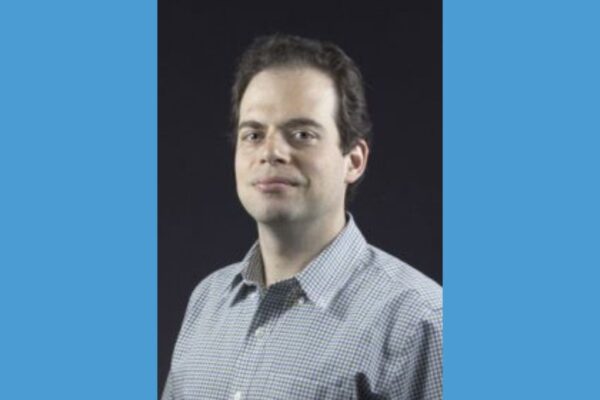
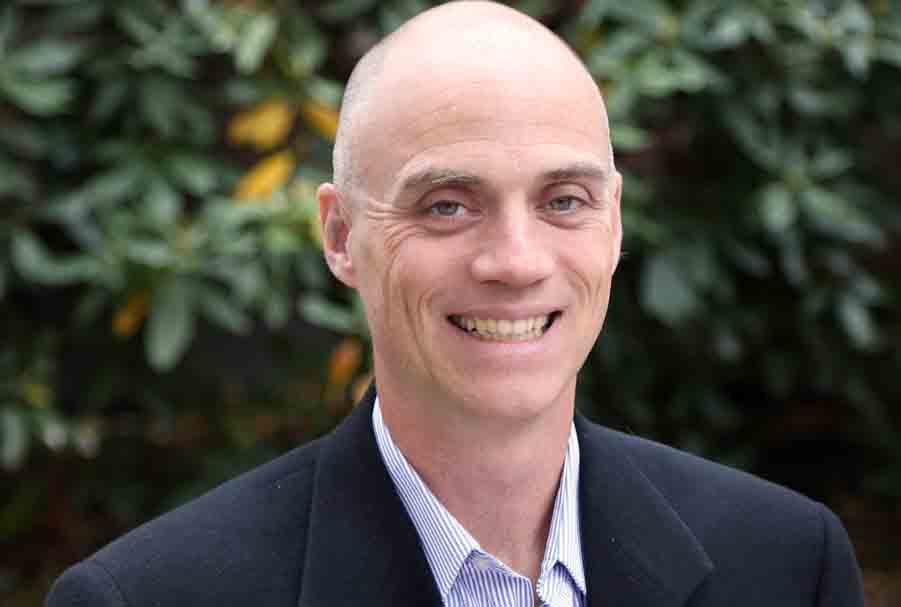
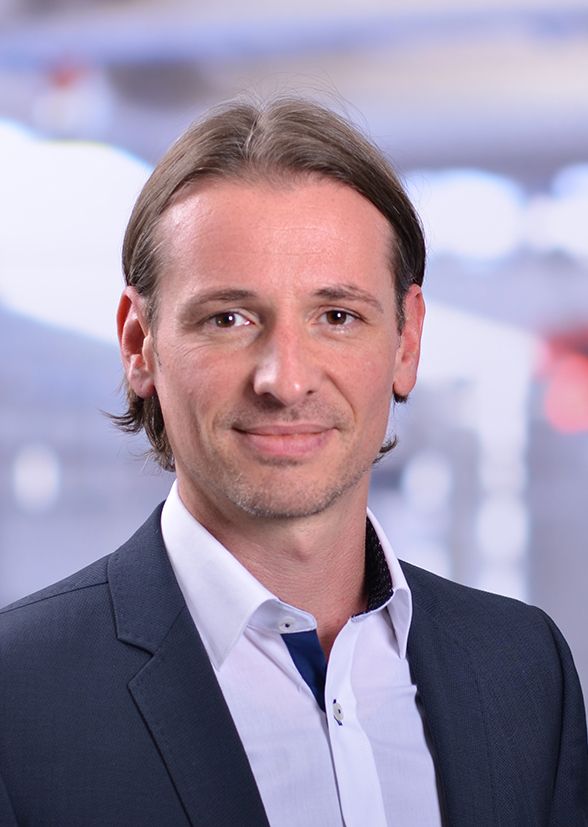
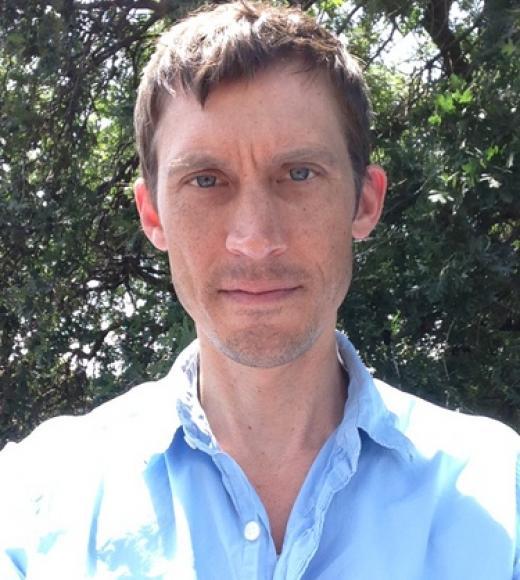
Anamitra Pal is an Associate Professor at Arizona State University's School of Electrical, Computer and Energy Engineering. His work focuses on power system resilience, renewable energy integration, and time-synchronized measurement analytics. He leads research initiatives combining artificial intelligence with grid modernization challenges. Ph.D. Electrical Engineering, Virginia Tech (2014) M.S. Electrical Engineering, Virginia Tech (2012) B.E. Electrical and Electronics Engineering, Birla Institute of Technology (2008) Prior to ASU, Pal conducted postdoctoral research at Virginia Tech's Network Dynamics and Simulation Science Laboratory (2014-2016). His research interests center on enhancing grid stability through: Advanced synchrophasor data analytics AI-driven power system security frameworks Renewable generation integration strategies Critical infrastructure protection during extreme events Recent publications demonstrate his focus on grid resilience during wildfires, deep learning-based state estimation, and innovative PMU applications. Pal has received multiple accolades including the NSF CAREER Award (2022) and IEEE Phoenix Section's Outstanding Young Professional Award (2019).
Dr. Cooper Harshbarger is a Lecturer at the Department of Health Sciences and Technology at ETH Zurich , Switzerland. His research bridges biomechanics and acoustofluidics, focusing on spinal surgery and microscale cell manipulation technologies. Email: cooper.harshbarger@hest.ethz.ch Research Interests : Dr. Harshbarger specializes in biomechanical analysis of spinal structures and acoustofluidic device development . His work explores: Biomechanics of the lumbar spine and osteoligamentous complexes Acoustically-driven microfluidic systems for medical diagnostics Cell focusing/trapping technologies using sharp-edge acoustofluidics Scientific Contributions : Recent publications highlight his dual expertise in spinal fusion biomechanics and microscale fluid control , with applications in cancer diagnostics and cell manipulation. Key technologies include BAW-based systems and programmable acoustofluidic chips.
Ibo van de Poel is a Full Professor at Delft University of Technology , within the Faculty of Technology, Policy and Management , specifically in the Section Philosophy . He holds the prestigious Antoni van Leeuwenhoek professorship , awarded to excellent young researchers, and is a leading figure in Design for Values , engineering ethics , and technology as social experimentation . Education: Van de Poel studied Philosophy of Science, Technology and Society at the University of Twente , with a propaedeutic exam in Mechanical Engineering . He earned his PhD in Science and Technology Studies (STS) in 1998 from the University of Twente , under the supervision of Prof. Dr. A. Rip. Research Interests: His research spans three major themes: Design for Values : Investigating how moral values can be integrated into engineering design, including empirical studies on how engineers handle value conflicts. Moral Responsibility in R&D Networks : Exploring the "problem of many hands" in large-scale research and development projects, developing formalizations and empirical methods. Ethics of Emerging Technologies : Examining ethical issues in new technologies like nanotechnology and synthetic biology , with a focus on technology as social experimentation . Publications and Impact: Van de Poel has authored over 25 international peer-reviewed articles and 15 book contributions . He is co-editor of major works including the Handbook of Philosophy of Technology and the Engineering Sciences (Elsevier, 2009), Philosophy and Engineering (Springer, 2010), and Ethics, Engineering and Technology (Wiley-Blackwell, 2011). His recent work includes leading the VICI project "New Technologies as Social Experiments" , funded by NWO. Scientific Awards: Antoni van Leeuwenhoek Professorship (TU Delft) VICI Grant for "New Technologies as Social Experiments: Conditions for Morally Responsible Experimentation" Advising and Grants: Van de Poel has led and contributed to multiple high-impact projects, including: NWO Project on "Moral Responsibility in R&D Networks" (2007–2012) EU Project on ethical issues in synthetic biology (2009–2011) VICI Project on "New Technologies as Social Experiments" (ongoing) He has also supervised PhD students and contributed to educational innovations, including the development of the AGORA web-based program and the first Dutch textbook on ethics and technology . Labs and Teams: Van de Poel is an active member of 4TU.Ethics & Technology , a federation of Dutch technical universities focused on ethics and technology. He contributes to the Simon Stevin Series in the Ethics of Technology and participates in various reading groups and PhD communities within the network.
Prof. Dr. Markus Meissner is a Professor at the Faculty of Veterinary Medicine, Ludwig Maximilian University of Munich, leading the Chair of Experimental Parasitology. His research focuses on the molecular mechanisms of host cell invasion and modulation by Apicomplexan parasites, particularly Toxoplasma gondii and Plasmodium species. Research Group: Meissner Laboratory Location: Lena-Christ-Str. 48, 82152 Planegg-Martinsried Contact: markus.meissner@lmu.de His work investigates the secretory pathway of parasites, vesicular trafficking systems, and essential genes involved in host cell invasion and intracellular development. Toxoplasma gondii serves as a model organism for studying Apicomplexan biology, including nuclear division and CRMP complex functionality. Recent publications highlight the role of Rab GTPases in protein trafficking, chromatin remodeling in Plasmodium, and actin dynamics in parasite motility. Articles span topics such as egress factors, Golgi pathways, and lineage-specific organelle emergence, reflecting a multidisciplinary approach combining molecular biology, cell biology, and evolutionary analysis. The Meissner Lab includes PhD students (Peipei Qin, Yuan Song, Ella Schadt, Vitoria Catschor dos Santos) and postdocs (Dr. Wei Li, Dr. Miriam Rafajlovic). Research is conducted in Lena-Christ-Str. 48, Planegg-Martinsried, with a focus on experimental systems for studying parasite mechanisms.
Xiaoming Hu is a Professor at the Division of Numerical Analysis, Optimization and Systems Theory within the Department of Mathematics at KTH Royal Institute of Technology (Kungliga Tekniska Högskolan) in Stockholm, Sweden. Born in Chengdu, China, he received his B.S. degree from University of Science and Technology of China in 1983, followed by M.S. and Ph.D. degrees from Arizona State University in 1986 and 1989 respectively. After serving as a research assistant at the Institute of Automation, Chinese Academy of Sciences (1983-1984), he was a Gustafsson Postdoctoral Fellow at KTH (1989-1990) before becoming a faculty member. His educational background includes: B.S. in Engineering, University of Science and Technology of China, 1983 M.S. in Engineering, Arizona State University, 1986 Ph.D. in Engineering, Arizona State University, 1989 Xiaoming Hu's research primarily focuses on multi-agent systems, nonlinear feedback stabilization, nonlinear observer design, and sensing and active perception. His work bridges theoretical control theory with practical applications in robotics and autonomous systems. He has made significant contributions to geometric control theory, mathematical systems theory, and nonlinear systems analysis and control. His research often involves developing theoretical frameworks for distributed control, formation control, and cooperative behavior in multi-robot systems. Professor Hu's publication record shows a consistent research trajectory with numerous high-impact publications in top-tier journals like Automatica, IEEE Transactions on Automatic Control, and Systems & Control Letters. His research has evolved from fundamental control theory to more applied problems in robotics and multi-agent systems, while maintaining strong mathematical foundations. Recent work shows increasing focus on safety-critical control, inverse problems in estimation, and networked systems. His scientific contributions include: Development of theoretical frameworks for multi-agent coordination and formation control Advances in nonlinear observer design for robotic systems Contributions to geometric control theory and systems theory Research on distributed estimation and control algorithms Applications of control theory to robotics and autonomous systems Professor Hu teaches several advanced courses including Mathematical Systems Theory, Geometric Control Theory, and Nonlinear Systems: Analysis and Control. He has supervised numerous degree projects at both undergraduate and graduate levels in mathematics, optimization, systems theory, and scientific computing. His teaching reflects his research expertise, providing students with both theoretical foundations and practical applications of control theory.
Yevgeny Brudno, PhD, is an Associate Professor at the Eshelman School of Pharmacy (UNC-Chapel Hill) with a joint appointment in Biomedical Engineering (UNC and NC State University). He is a member of the UNC Lineberger Comprehensive Cancer Center and leads the Brudno Lab, which specializes in drug delivery and biomaterials for cancer immunotherapy, particularly CAR T cell therapy. Research Focus: Development of implantable biotechnologies for in vivo CAR-T cell production, biomaterials for therapeutic delivery, and click chemistry-based drug targeting. Education: PhD (unspecified institution). The lab’s research bridges chemical and biomaterials science with clinical needs, emphasizing on-demand drug release , solid tumor targeting , and autoimmune disease treatments . Recent work includes bioinstructive scaffolds and tissue-reactive drug depots , leveraging click chemistry and nanomedicine . His scientific contributions are highlighted by 15 publications (2009–2025) in fields like biotechnology, cancer immunotherapy, and epigenetics. Notable awards include the NCI MERIT Award , University Faculty Scholar (NC State), and Outstanding Teacher Award (NC State). Advising: Mentored 13 PhD and Master’s students, including Sharda Pandit (2023), Chris Moody (2021), and Emily Joe (2024). Lab announcements highlight student achievements like NSF and NIH fellowships. The Brudno Lab collaborates with UNC Lineberger and NC State, focusing on streamlining therapy production , enhancing efficacy in solid tumors , and autoimmune disease applications , supported by grants from NCI and CMI.
Dana Pe'er is a Professor and Chair of the Computational and Systems Biology Program at the Sloan Kettering Institute (SKI) of Memorial Sloan Kettering Cancer Center. She is also an Investigator of the Howard Hughes Medical Institute and holds the Alan and Sandra Gerry Endowed Chair. Dr. Pe'er leads an interdisciplinary research group that combines advanced genomics approaches with machine learning to address fundamental questions in biomedical science, with particular focus on cancer biology, developmental biology, and immunology. Dr. Pe'er earned her PhD from Hebrew University in Jerusalem, Israel. Her academic journey includes a postdoctoral fellowship with George Church at Harvard Medical School. Before joining Memorial Sloan Kettering Cancer Center in 2016, she held faculty positions at Columbia University. Dr. Pe'er's research focuses on understanding cellular plasticity, the consequences of intra-tumor heterogeneity, cancer evolution and metastasis, and the mechanisms by which regulatory circuits go awry in disease. Her lab combines single-cell and spatial profiling technologies with machine learning approaches to investigate gene regulation, cellular plasticity, and cell-cell communication in the contexts of cancer, immunity, and development. They are particularly interested in how organisms develop from a single cell to generate diverse cell types, how epigenetic control rewires during development, and how cells communicate to execute multicellular responses. Analysis of Dr. Pe'er's recent publications reveals a strong focus on developing computational methods for single-cell and spatial genomics data analysis. Her work spans cancer types including pancreatic, prostate, colorectal, and breast cancer, with emphasis on tumor heterogeneity, metastasis mechanisms, and cellular plasticity. A significant portion of her research involves creating novel algorithms and tools like CellRank, REUNION, and SEACells that enable researchers to extract meaningful biological insights from complex genomic datasets. 2023 Class of 2023 Inductee - American Academy of Cancer Research (AACR) Academy 2023 Innovator Award - International Society for Computational Biology (ISCB) 2021 Fellow - International Society for Computational Biology (ISCB) Howard Hughes Medical Institute Investigator (2021) 2019 Ernst W. Bertner Memorial Award - University of Texas MD Anderson Cancer Center 2016 Lenfest Distinguished Faculty Award - Columbia University 2014 Director's Pioneer Award - National Institutes of Health 2014 Overton Prize - International Society for Computational Biology (ISCB) Dr. Pe'er is known for her dedicated mentorship approach, describing herself as "a mama bear" who cares deeply about her trainees while expecting independence, innovation, and hard work. She mentors numerous PhD students and postdocs in her lab. Her HHMI Investigator award provides approximately $9 million over seven years, enabling ambitious research directions. She also collaborates extensively with the Single-cell Analytics and Innovation Lab (SAIL) at MSK to generate new data from emerging technologies, working closely with wet-lab collaborators at MSK and beyond to apply computational methods to cutting-edge datasets across multiple disease areas. The Pe'er Lab is an interdisciplinary group of computational biologists with diverse backgrounds ranging from pure mathematics to clinical medicine. They work closely with wet-lab collaborators to apply their computational methods to cutting-edge datasets across cancer, immunology, and developmental biology. The lab is described as open, supportive, collaborative, and fun, with access to world-class facilities at the Sloan Kettering Institute. Dr. Pe'er's work continues to push the boundaries of computational biology and cancer research, with the ultimate goal of developing more effective, personalized therapies for cancer patients.
Thomas R Powers is a Professor of Engineering and Professor of Physics at Brown University. He joined Brown in 2000 as the first holder of the James R. Rice Term Chair in Solid Mechanics and has been an influential figure in soft matter physics, biomechanics, and microorganism locomotion. PhD in Physics, University of Pennsylvania (1995) BS in Physics and Mathematics, MIT (1989) His research focuses on soft matter systems, including colloidal and lipid bilayer membranes, liquid crystals, and active matter, with an emphasis on low-Reynolds-number hydrodynamics and geometric mechanics. His work has been supported by NSF grants, including collaborations with Brandeis University's bioinspired materials center. Recent publications explore microbial flagellar dynamics (e.g., Giardia lamblia ), chiral membrane behavior, and active gel responses to shear. Key keywords include soft matter, active matter, fluid mechanics, and microscale locomotion. Scientific honors include: Fellow, American Physical Society NSF CAREER Award (2001-2006) T. Francis Ogilvie Young Investigator Lectureship, MIT Ocean Engineering He has advised numerous students through courses like ENGN 2912F (Soft Matter) and ENGN 1210 (Biomechanics), while leading funded research on colloidal membranes and viscoelastic fluid interactions.
Dr. Olivia Cheung is a Lecturer in Politics at the Department of European & International Studies, King’s College London. She holds multiple affiliations including China Fellow at the Centre for Security, Diplomacy and Strategy (CSDS) at Vrije Universiteit Brussel, Affiliate of the Lau China Institute, and Michael Moran Associate Editor for Government and Opposition . Her academic background includes an MPhil and DPhil (PhD) in Politics from the University of Oxford, where she was a Swire Scholar and Rhodes Scholar. Prior to her current position, she served as a Research Fellow at SOAS China Institute and Teaching Fellow at the University of Warwick, directing the MA in International Politics and East Asia. Her research focuses on Chinese politics and foreign policy, Xi Jinping Thought, comparative political leadership, international orders, and authoritarianism. Key projects explore domestic-political intersections in China’s foreign strategy and its global rise. She has contributed to prominent journals like China Quarterly , Third World Quarterly , and Pacific Affairs , with her work featured in The Economist , New York Times , and BBC documentaries. Dr. Cheung co-authored The Political Thought of Xi Jinping (Oxford UP, 2024), a Financial Times-recognized title, and Factional-Ideological Conflicts in Chinese Politics (Amsterdam UP, 2023). She is also working on a forthcoming book on China’s global strategy. Her awards include the Swire and Rhodes scholarships, reflecting her academic excellence. She actively advises media and participates in strategic dialogues (Tracks 1.5/2), and her research on China’s international strategy is part of the Geoeconomics and Technology Initiative at King’s College London.
Chee-Wooi Ten is a tenured Professor in the Department of Electrical and Computer Engineering at Michigan Technological University, where he has served since 2010 and achieved tenure in 2016. He concurrently holds an Affiliated Professor appointment in Applied Computing and directs both the PSERC Site and ICC CPS Center. His institutional roles emphasize cyber-physical security integration within power infrastructure. His educational background includes: PhD in Electrical Engineering from University College Dublin (2009) MSc in Electrical Engineering from Iowa State University (2001) BSc in Electrical Engineering from Iowa State University (1999) Ten's research pioneers cyber-informed security engineering strategies for bulk power systems, focusing on quantifying rare events through system risk models and data science. His work bridges power grid interactions with robotics and transportation systems to advance decarbonization and electrification. Key methodologies include validating cyber-physical security frameworks against steady-state and dynamic grid approaches, with emphasis on attack/defense combinatorics and smart home technologies. This transdisciplinary approach supports the fourth industrial revolution's resilience requirements. His publication trends reveal strong focus on risk-aggregated substation testbeds using generative adversarial networks, cyber insurance models for power systems, and cascading failure analysis from switching attacks. Recent works increasingly integrate machine learning with physics-based modeling to address cybersecurity threats in inverter-based resource integration and distribution emergency operations. Ten has secured over $6.5M in active funding including: $2M DOE grant (MTU portion $105,000) for CyDERMS Center on DERs/Microgrids cybersecurity $704,409 CyManII award for secure digitalization in smart manufacturing $1.05M DOE ARPA-E grant for decarbonized freight transportation modeling NSF CyberCorps Scholarship for Service program ($3.38M) His grants consistently address risk management through data-driven and physics-based modeling, with industry partnerships through PSERC and utility collaborations. As ICC CPS Center Director, he leads research on cyber-physical security testbeds and coordinates the PSERC Summer Transformation School. His team develops validation frameworks for NERC CIP compliance while addressing practical pain points in OT cybersecurity for grid operators.
Dr. phil. Stefan Ladwig is a researcher at the Institute for Automotive Engineering (Institut für Kraftfahrzeuge) at RWTH Aachen University, specializing in traffic psychology, user acceptance, and human-machine interaction for automated driving systems. His work addresses psychological and ergonomic aspects of emerging mobility technologies, including seating ergonomics, trust-building mechanisms, and communication strategies for autonomous delivery robots. Research Focus: Automated driving, interior design psychology, driver/passenger behavior, and safety requirements. Projects: Lead roles in UrbANT (autonomous delivery robot) and SteeringBow (dynamic driving experience). Collaborations: Affiliated with Aldenhoven Testing Center, Future Mobility Partnership e.V., and innocam.NRW. Ladwig’s recent publications examine rotated seating positions, visual dominance in speed adaptation, and trust-relevant driving scenarios, reflecting his interdisciplinary approach to optimizing human-vehicle interactions. His work spans ergonomics, energy management, and behavioral interventions to enhance safety and usability in next-generation mobility solutions.
Lee Miller is a Professor in the Department of Neurobiology, Physiology, and Behavior at the University of California, Davis, College of Biological Sciences. His research integrates neural engineering, physiology, and computational methods to develop communication restoration technologies and investigate sensory processing mechanisms. His primary research interests include neural engineering for speech neuroprosthetics, electrophysiological analysis of speech production, auditory neuroscience, and geometric approaches to neuromuscular signal decoding. He employs surface electromyography (EMG), electroencephalography (EEG), and computational modeling to study brain-machine interfaces for speech restoration and multisensory integration. Recent publications reveal a dominant focus on EMG-based speech neuroprostheses, with geometric and topological analysis of neuromuscular signals emerging as a key methodology. His lab has pioneered non-invasive approaches to speech articulation decoding, created standardized EMG databases, and investigated neural mechanisms of attention in speech-in-noise processing. This work bridges engineering innovation with fundamental neuroscience to address communication disorders. Professor Miller leads the Miller Lab at UC Davis, which specializes in neural engineering for communication restoration. The lab develops real-time speech synthesis systems from neural signals and investigates the physiological basis of speech production and perception using multimodal recording techniques.
Jan Skaloud serves as an Adjunct Professor at École Polytechnique Fédérale de Lausanne (EPFL), affiliated with the School of Architecture, Civil and Environmental Engineering (ENAC). He holds positions across multiple departments including SSIE (Institute of Earth Surface Dynamics), EDCE (Doctoral Program in Environmental Sciences and Engineering), and leads the Earth Sensing and Observation (ESO) Lab. His office is located at GC C2 397 in the EPFL campus in Lausanne, Switzerland. Dr. Skaloud's research expertise spans satellite positioning, inertial and integrated navigation systems, sensor orientation and calibration, attitude determination, mobile mapping, airborne laser scanning, and Kalman filtering techniques. His work bridges theoretical development with practical applications in UAV navigation, photogrammetry, and remote sensing. He teaches across three EPFL sections and two faculties, demonstrating his interdisciplinary approach to education. His publication record shows consistent contributions to the field, with recent work (2023-2025) focusing on vehicle dynamic model-based navigation for various UAV platforms, including delta-wing and fixed-wing drones. His research demonstrates a clear trajectory toward increasingly sophisticated navigation systems that integrate aerodynamic modeling with traditional sensor fusion approaches. This trend reflects the growing importance of model-based navigation in achieving higher precision and autonomy in UAV operations. 2021: Samuel Gamble Award for career contribution in photogrammetry & sensing (ISPRS) 2020: U.V. Helava Award for best paper in ISPRS Journal (2016-2019) 2017: Best Demo Award at IEEE International Workshop on Metrology & Aerospace 2014: Hansa Luftbild Award for best paper in PFG journal 2012: Karl Kraus Medal for best textbook in Photogrammetry 2009: GNSS Leader to Watch Innovation Award (GPS World) Dr. Skaloud has supervised numerous PhD students whose work focuses on advanced navigation systems, sensor calibration, and UAV applications. His research has received funding for projects involving direct georeferencing, mobile mapping systems, and UAV-based search and rescue operations. The ESO lab he directs serves as a hub for cutting-edge research in Earth observation technologies. The Earth Sensing and Observation Lab under Dr. Skaloud's direction brings together researchers working on navigation systems, sensor integration, and data processing techniques for geospatial applications. The lab maintains strong connections with industry partners and international research organizations, facilitating technology transfer and collaborative research projects.
Brian W. Pogue, Ph.D., is the Robert A. Pritzker Chair in Biomedical Engineering at Dartmouth College's Thayer School of Engineering, with a joint appointment as an Honorary Fellow in Medical Physics at the University of Wisconsin-Madison. His academic background includes a Ph.D. in Medical/Nuclear Physics from McMaster University and a Research Fellowship at Harvard Medical School's Wellman Center for Photomedicine. He has led significant administrative roles, including Dean of Graduate Studies at Dartmouth (2008–2012) and Chair of Medical Physics at Wisconsin (2022–2025). Research Focus : Dr. Pogue pioneers Optics in Medicine , specializing in cancer imaging, photodynamic therapy, and surgical guidance. His work integrates fluorescence imaging, radiation therapy monitoring, and molecular diagnostics to improve cancer treatment precision. Key innovations include Cherenkov imaging for radiotherapy dosimetry and hypoxia-sensitive probes for tumor resection. Publication Trends : Recent articles (2023–2025) emphasize real-time surgical guidance, hypoxia quantification, and multimodal imaging systems. Dominant themes include fluorescence tomography, radiation dosimetry, and low-cost diagnostic devices, reflecting a translational focus from preclinical validation to clinical applications. Awards & Honors : Fellow, Optica (formerly OSA) Fellow, American Institute for Medical and Biological Engineering (AIMBE) Fellow, American Association of Physicists in Medicine (AAPM) Fellow, SPIE (International Society for Optics and Photonics) Funding & Innovation : Continuously funded by the NIH since 2001 ($52M+ total), Dr. Pogue founded three startups: DoseOptics LLC (radiotherapy dose imaging) and Hypoxia Surgical LLC (tissue hypoxia cameras), bridging academic research to clinical tools.
Anna Levina is an Assistant Professor for Computational Neuroscience at the University of Tübingen , affiliated with the Department of Computer Science under the Faculty of Science. Her research focuses on the self-organization of neuronal activity, critical dynamics in neural networks, and the excitation/inhibition balance in cortical circuits. Current positions: Assistant Professor (since 2018), Group Leader (2017-2018), Equality Officer (Computer Science) Previous roles: IST Fellow (2015-2017), Associated Researcher (2011-2015), Postdoc/PI (2011-2015), Postdoc (2008-2011) Her research integrates mathematical modeling , statistical physics , and computational neuroscience to study criticality phenomena, neural avalanches, and adaptive network dynamics. Key interests include: Self-organized criticality in neural systems Excitation/Inhibition balance mechanisms Network topology and dynamics Timescale analysis in neural processing Stochastic modeling of neural activity Recent publications reveal trends in understanding critical dynamics across biological and artificial networks, with applications to memory systems, sensorimotor integration, and disease modeling. She has received recognition as an IST Fellow .