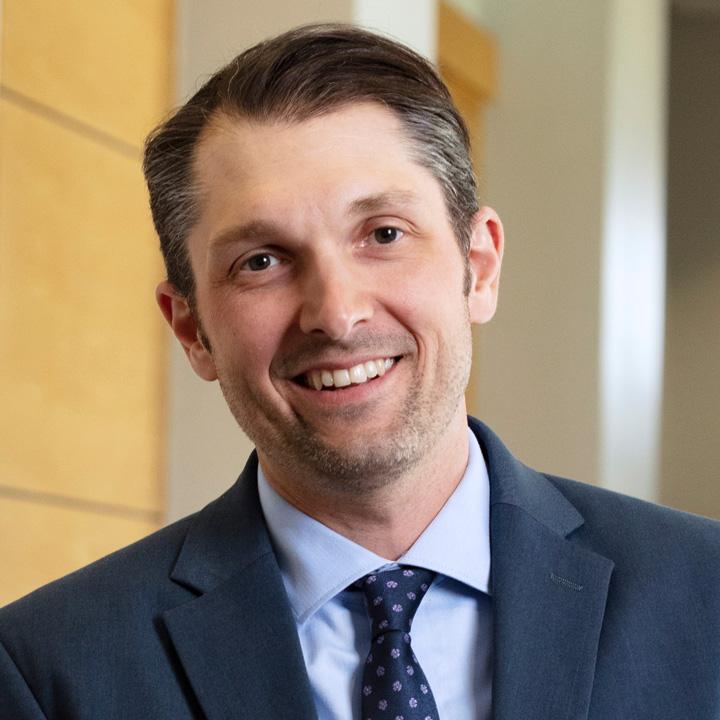
Nan Sun is a Lecturer at the School of Systems & Computing , University of New South Wales, Canberra , conducting interdisciplinary research at the intersection of cybersecurity and artificial intelligence. Her work focuses on data-driven cybersecurity incident prediction, cybersecurity awareness education systems, and AI applications for threat intelligence. PhD in Information Technology (Deakin University) Former Research Fellow at Deakin University's Centre for Cyber Security Research and Innovation Her research spans cybersecurity (60%), machine learning (25%), and software engineering (15%). Recent publications analyze adversarial machine learning, tropical cyclone forecasting with deep learning, and ethical AI frameworks for cyberbullying mitigation. She leads grants including the UNSW Recruitment Research Proposal Grant and CSIRO Data61 funding. Current teaching includes Big Data and Decision Analytics for Security and Digital Forensics . She offers PhD scholarships to students with high academic achievement.
Jason J. Czarnezki is the Gilbert and Sarah Kerlin Distinguished Professor of Environmental Law and Associate Dean of Environmental Law Programs and Strategic Initiatives at Pace University's Elisabeth Haub School of Law. He also serves as Faculty Director of the Sustainable Business Law Hub and holds roles such as International Law Faculty Scholar. His academic career spans institutions like Vermont Law School and Marquette University, with global fellowships at Oxford, Uppsala, and Stockholm Universities. Education: BA and JD from the University of Chicago, PhD in Environmental Law from Uppsala University (2019). Research Interests: Environmental Law, Natural Resources Law, Food Systems Policy, Sustainable Procurement, ESG Criteria, Eco-Labeling, and Climate Governance. His work bridges legal frameworks with practical sustainability strategies, emphasizing global comparative perspectives. Awards & Honors: Richard Ottinger Outstanding Service Award (2018) Olof Palme Visiting Professor (Swedish National Research Council, 2020) Uppsala University Visiting Fellow (2011–2019) Fulbright Scholar at Sun Yat-sen University (2009–2010) Grants & Fellowships: Recipient of grants from the National Science Foundation, Formas, and the U.S. Agency for International Development. His research explores green procurement, food systems valuation, and transnational environmental law. Advising & Leadership: Oversees Pace's #1-ranked environmental law program, manages multi-million-dollar budgets, and leads initiatives like the Sustainable Business Law Hub. His strategic roles include improving student recruitment and career placement through data-driven strategies. Labs & Teams: Founded the Sustainable Business Law Hub and co-founded the Pace Food Law Center, fostering interdisciplinary collaboration on sustainability challenges.
Kenneth Tercyak is a tenured Professor at Georgetown University School of Medicine , holding appointments in the Departments of Oncology, Pediatrics, and Psychiatry . He serves as Director of the Interventions for Managing Parenting and Cancer Team (IMPACT) and Family Circle clinical program at the Lombardi Comprehensive Cancer Center , and co-leads its Cancer Prevention and Control research program . Additionally, he is affiliated with the Fisher Center for Hereditary Cancer and Clinical Genomics Research , the Thrive Center for Children, Families, and Communities , and the Department of Psychology in the College of Arts and Sciences . At MedStar Georgetown University Hospital , he works as an attending psychologist in Child and Adolescent Psychiatry. Dr. Tercyak specializes in clinical health psychology with a focus on children and families affected by cancer . His research spans biobehavioral aspects of cancer risk, communication, and intervention , including public health genomics, tobacco control, skin cancer prevention , and hereditary cancer syndromes . He has received NIH funding since 1998 and has published over 200 peer-reviewed works, including a Springer handbook on public health genomics. Scientific Awards: Hyundai 'Hope on Wheels' Award Lifetime Achievement Award from Society of Behavioral Medicine Fellow of American Psychological Association (Divisions 38, 54) Fellow of Society of Behavioral Medicine Professional Leadership: Co-led NIH study sections on health behavior fellowships Editorial roles at Journal of Pediatric Psychology, Health Psychology, Translational Behavioral Medicine Member of scientific advisory boards for national cancer organizations Senior faculty mentor at Georgetown University School of Medicine
Olivier Zajec is a University Professor of Political Science at Jean Moulin University – Lyon III, affiliated with the Faculty of Law. He is authorized to direct research in political science and serves as the founder and director of the Institute for Strategy and Defense Studies (IESD). He is also the educational manager of the Master's program in International Security and Defense (SID). His work bridges academia and military strategic thought, with extensive contributions to international relations, geopolitical analysis, and defense policy. University: Jean Moulin University – Lyon III School: Faculty of Law Department: Department of Political Science Rank: Professor Email: olivier.zajec@univ-lyon3.fr Research Interests: Olivier Zajec specializes in political science with a strong focus on international relations, particularly realism, strategic theory, defense and security policies, and geopolitical analysis. His research employs socio-spatial methodologies to understand the evolution of international relations as a societal construct. He investigates the ontological foundations of international relations, the transformation of warfare, and the comparative analysis of strategic doctrines across nations. His recent publications reflect a deep engagement with 21st-century conflicts, the limits of war, and the intellectual history of geopolitical thinkers like Nicholas Spykman. The articles in his portfolio span from theoretical explorations of realism to applied studies on military strategy and security governance, indicating a consistent trajectory in strategic studies and critical geopolitics. These works are published in both academic journals and public intellectual forums, demonstrating his commitment to bridging scholarly and policy audiences. Scientific Awards: Albert Thibaudet Prize for Nicholas Spykman, the invention of American geopolitics Advising and Grants: As director of IESD and manager of the SID Master's program, Olivier Zajec plays a central role in mentoring graduate students and shaping strategic studies curricula. While specific advisees are not listed, his leadership in research and education suggests active supervision of Master’s and potentially PhD candidates. His long-standing teaching in higher military education from 2011 to 2022 indicates collaboration with national defense institutions and likely involvement in research grants related to security and defense policy. Labs and Teams: He founded and directs the Institute for Strategy and Defense Studies (IESD) , a research center focused on strategic thought, defense policy, and international security. This institute serves as a hub for interdisciplinary research, academic publications, and policy engagement in strategic affairs.
Professor Cameron Stewart is a Professor of Health, Law and Ethics at the Sydney Medical School , The University of Sydney. He is a member of Sydney Health Law and associate of the Centre for Values, Ethics and the Law in Medicine . His career spans academia, legal practice, and health law reform, including roles as Dean at Macquarie Law School and Director of the Centre for Health Governance, Law and Ethics (2009–2012). Admitted as Legal Practitioner in NSW Supreme Court (1997) Fellow of the Australian Academy of Law (2020) Honorary Fellow, Australian College of Legal Medicine (2004) Research Interests focus on Health Law , Medical Ethics , Guardianship Law , and Human Tissue Regulation . His work addresses end-of-life decision-making, stem cell therapies, biobanking, and the legal implications of AI in healthcare. Recent Publications include seminal textbooks on Australian Equity and Trusts, as well as groundbreaking studies on CPR ethics , stem cell regulation , and voluntary assisted dying . His 15 most recent works (2024–2025) span AI ethics, financial consent in medicine, and health data governance. Scientific Awards include: Honorary Fellow, Australian College of Legal Medicine Fellow, Australian Academy of Law Advising includes mentoring research students like Jack Craig (orthopaedic expert evidence) and Kavisha Shah (health data ethics). He has secured major grants such as the National Health and Medical Research Ideas Grant (2019–2022) and Australian Research Council Discovery Project (2018–2021).
Marisanna Centini serves as an Associate Professor in the Department of Biotechnology, Chemistry and Pharmacy at the University of Siena. Her academic role encompasses teaching Pharmaceutical Chemistry, Technology, and Regulatory Affairs within the Pharmacy program (5-year full cycle degree), with courses including Applied Medicinal Chemistry, Cosmetic Products, and Pharmaceutical Technology and Galenicals across academic years 2021/2022 to 2025/2026. Her research focuses on Cosmetic Science and Pharmaceutical Technology, specifically natural product applications (rice germ oil, cyanobacteria), sun protection innovation (SPF boosters, graphene-enhanced formulations), and regulatory frameworks for health products. This work bridges technological development with socioeconomics and compliance in medicinal and cosmetic product regulation. Dr. Centini maintains office hours Mondays and Fridays 11:00-13:00 by email appointment from her office (Room C_03_143, III Lotto, III Floor, Via Aldo Moro 2, Siena). Contact: marisanna.centini@unisi.it or +39 0577 235367 (int. 5367).
Professor Buhui Qiu is a leading academic at the University of Sydney Business School , specializing in Corporate Finance , Climate Finance , Banking , and Capital Markets . He holds a PhD in Finance (University of Cincinnati, 2009) and has taught at institutions including Erasmus University Rotterdam , University of Cincinnati , and Sun Yat-sen University . Research Interests : Corporate Finance Disclosure Regulation Financial Networks Climate-related Risks Labor Market Frictions Selected Awards : 2022 CAFM Conference Best Paper Award 15th CQA Academic Competition 3rd Place 2016 FMA Asia Pacific Conference Best Paper Advising : His PhD students have secured academic and industry placements globally. Grants : Leads ARC Discovery Projects on bank monitoring and risk disclosures.
Maria Wei is a Professor in the Department of Dermatology at the University of California, San Francisco (UCSF) School of Medicine. With over three decades of academic experience, her work bridges clinical dermatology with cutting-edge research in artificial intelligence (AI) applications, environmental health impacts on skin disease, and melanoma biology. Education: Duke University (MD, PhD in Immunology), UCSF (Residency), Postdoctoral Fellow in Biochemistry Key research areas: AI-enabled dermatology, melanoma pathogenesis, environmental triggers of skin disease, health disparities Wei's research integrates machine learning for precision medicine in inflammatory skin conditions and cancer diagnostics. Her recent work explores wildfire smoke effects on skin health , air pollution impacts on dermatitis, and digital tools for melanoma detection. From 2017-2025, her publications show increasing focus on: AI applications in dermatology (15+ papers) Environmental health intersections (climate change, air pollution) Melanoma molecular mechanisms (BRAF, ALDH1, MEF2C) Health equity and access (Medicaid acceptance, screening disparities) Scientific awards include the Estella Medrano Award , multiple Top Docs recognitions, and Excellence in Mentoring . Her 2014-2023 work emphasizes translational research connecting cellular mechanisms to population health.
Prof. Ing. Peter Andres is a Professor for Daylight and Artificial Lighting Design at the Peter Behrens School of Arts, Hochschule Düsseldorf. He has been an Honorary Professor since 2006 and a member of the Freie Akademie der Künste in Hamburg since 2019. His work integrates physiological, biological, and psychological effects of light with architectural design. Education: Electrical Engineering (HTL Anichstraße, Innsbruck, 1976) Career Highlights: Founder of Peter Andres Lichtplanung (Hamburg, 1986; Tirol, 2001), speaker of Hamburg's Light Advisory Board since 2006. His research focuses on daylight systems , energy-efficient lighting , and human-centric illumination . He emphasizes the interplay between light, material effects, and architectural identity, with a particular interest in educational spaces, cultural monuments, and urban infrastructure. Selected awards include multiple Deutscher Lichtdesignpreis wins (2019, 2018, 2016, 2012, 2010), the Balthasar-Neumann-Preis (2016), and the Hamburger Designpreis (2003). He has contributed to publications on topics ranging from daylight in schools to LED systems in parliament halls . Teaching objectives include training students to master daylight dimensioning, evaluate lighting effects, and create integrated lighting concepts that balance energy efficiency with human needs.
Dr. Franziska Zirkenbach is a medical researcher at the University Medical Center Hamburg-Eppendorf (UKE), affiliated with the Institute for Health Services Research in Dermatology and Nursing Professions. Her work bridges clinical dermatology with healthcare services research, focusing on patient care optimization and treatment methodologies. Her research interests span multiple dermatological domains including inflammatory skin conditions, teledermatology applications, and skin cancer prevention. She has particular expertise in atopic dermatitis management, psoriasis treatment in pediatric populations, and innovative approaches to difficult-to-treat skin conditions. Her work often examines the intersection of clinical practice and healthcare delivery systems. Dr. Zirkenbach's publication record demonstrates a strong focus on practical clinical applications, with several case studies and epidemiological investigations that inform real-world dermatological practice. Her research on teledermatology in correctional facilities highlights her interest in healthcare access for underserved populations. She has contributed to understanding adverse reactions to newer biologic therapies, photodermatoses, and chronic wound management techniques including emerging plasma therapies. Her work regularly addresses both clinical management challenges and broader healthcare system implications.
Simon Board is an Associate Lecturer in Personal Development, Health, and Physical Education (PDHPE) at Charles Sturt University and currently serves as the Head of PDHPE at Kambala, an all-girls school in Sydney. He holds qualifications including a Bachelor of Physical Education (ACPE), a Bachelor of Education (Deakin University), and a Master of Learning and Teaching (Newcastle). His work focuses on curriculum innovation and educational leadership, with a specific emphasis on integrating student autonomy into physical education practices. Education: BPhysEd, Australian Catholic University (ACPE) BEd, Deakin University MLMEd, University of Newcastle (Newc) Board's research explores student autonomy in physical education, sun safety education, and curriculum implementation. He recently co-authored a peer-reviewed study analyzing how dedicated workshops and syllabus changes can enhance high school students' understanding of skin care and protection. His work bridges practical outdoor education with theoretical advancements in student-centered learning approaches. Publications include the 2025 Journal of Physical Education, Recreation and Dance article on autonomy in physical education (UK/Australia case studies) and contributions to sun safety resources for NSW schools. Research outputs reflect interdisciplinary themes spanning health education, educational policy, and behavioral interventions. Professional Affiliations: Australian Council for Health, Physical Education and Recreation (ACHPER) PDHPE Teachers Association Independent Education Union (NSW Representative) He designed sun safety workshops implemented at Kambala and Inner Sydney High School as part of a CSU research study. These workshops incorporated student voice principles to improve health education outcomes through syllabus-driven interventions.
Sun Young Lee is a tenured Associate Professor of Ophthalmology and Physiology & Neuroscience at USC, specializing in complex retinal conditions including age-related macular degeneration, inherited retinal diseases, and diabetic retinopathy. She directs research on extracellular vesicles for intraocular therapies, developing EV-based treatments for blinding retinal disorders through targeted drug delivery and gene therapy. Research Focus: Mechanisms of extracellular vesicle-mediated intercellular communication in retinal diseases, development of EV-based therapeutics, and clinical translation of regenerative approaches for vision restoration. Awards: ASRS Fellow (2024) Alcon Research Institute Young Investigator Award (2023) Mina Chung Research Award (2021) Presbyterian Health Foundation Clinician Scientist Award (2019) Retina Society Fellowship Research Award (2017)
Professor Adele Green holds the title of Honorary Professor of Epidemiology at the University of Manchester (part-time) and is a Senior Scientist at the Queensland Institute of Medical Research (QIMR) in Brisbane, Australia. She leads the Population and Cancer Studies Unit at QIMR and holds additional professorships at the University of Queensland, Griffith University, and Queensland University of Technology. Her expertise spans cancer epidemiology, with a focus on melanoma, skin cancer, ovarian cancer, and public health prevention strategies. Education: MB BS (Hons I, University of Queensland, 1976), PhD in Epidemiology (University of Queensland, 1984), MSc in Epidemiology (London School of Hygiene & Tropical Medicine, 1985). Research interests center on understanding cancer causation and pathways to develop primary prevention strategies. Key areas include melanoma epidemiology, skin cancer prevention, and the impact of indoor tanning. Her work contributes to UN Sustainable Development Goals related to public health and preventive medicine. Recent articles highlight studies on cancer risks in psoriasis patients undergoing biologic therapy, cost-effectiveness of indoor tanning bans, and melanoma origin hypotheses. These reflect a focus on translational research and policy-informed interventions. Awards: Companion of the Order of Australia (2004), Fellow of the Australasian Faculty of Public Health Medicine (1990). Advising and grants include leadership roles at QIMR, NHMRC committees, and international bodies like the International Agency for Research on Cancer (IARC). She has supervised collaborative studies, such as the BADBIR psoriasis cohort and dietary trials in transplant recipients. Her work is supported by datasets like the Sun Protection Behavior study and adherence trials. Labs/Teams: Head of the Population and Cancer Studies Unit at QIMR and part of the Epithelial Sciences Research Group at Manchester.
Dr. Huey-Lian Sun is a **Professor of Accounting** at the **School of Business and Management**, **Morgan State University**. She holds a Ph.D. in Accounting from the University of Houston, an M.S. in Accounting from the same institution, an MBA in Finance from Washington State University, and a B.A. in Banking from National Taiwan University. Certified as both a CPA and CMA, her expertise focuses on *market-based accounting research* and *financial reporting issues*. **Education**: - Ph.D. in Accounting, University of Houston (Texas) - M.S. in Accounting, University of Houston - MBA in Finance, Washington State University - B.A. in Banking, National Taiwan University **Research Focus**: Dr. Sun investigates topics such as board diversity impacts, audit committee dynamics, SEC enforcement effects, and corporate governance mechanisms. Her work bridges theoretical frameworks with real-world financial reporting challenges, emphasizing regulatory compliance and stakeholder accountability. **Grants & Advising**: While no specific grants or student advisees are listed, her extensive publication record reflects active engagement in collaborative research across institutions. She has advised on studies involving mergers, executive compensation, and regulatory reforms. **Labs/Teams**: Not explicitly mentioned in the provided materials.
Olivier Steiger is a Professor at the Institute of Building Technology and Energy (IGE) at Lucerne University of Applied Sciences and Arts (HSLU). He leads the research group 'Licht, Automation und elektrische Systeme im Gebäude' and specializes in building automation, IoT, and energy-efficient building systems. He is Head of the Research Group and responsible for Minergie Monitoring Certification. Education: PhD in Digital Image Processing (EPFL, 2005) MSc in Electrical and Electronic Engineering (EPFL, 2001) Exchange Year at Carnegie Mellon University (1998–1999) Certificate in University Didactics (HSLU, 2016–2017) Research Focus: Building automation systems, IoT integration in buildings, energy management, and operational optimization. His work emphasizes low-cost monitoring solutions and smart home standardization. He contributes to SIA and SWKI standardization committees, including leading the BA101 and BA102 guidelines for building automation. Projects & Grants: Strategic Research: AI in Buildings Cybersecurity in Building Automation Systems (IDN project) Minergie Monitoring Certification Low-Cost Building Monitoring Field Tests Professional Roles: President of SIA Commission for Building Technology and Energy Standards Board Member of Gebäude Netzwerk Initiative (GNI) and brenet IEEE Senior Member Lab & Teams: Leads the IGE research group focusing on innovative building technologies and collaborates with industry partners like Dätwyler Cabling Solutions and Swisscom on IoT integration and cybersecurity.