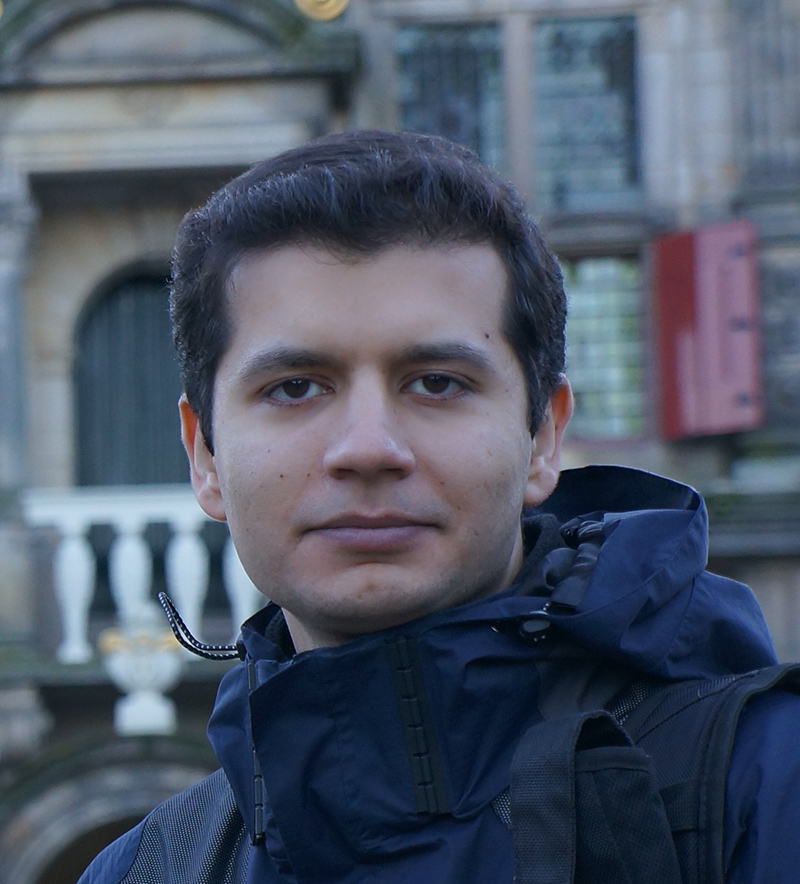
Doğa Doğan is a Professor in the Department of Geophysical Engineering at Istanbul Technical University. His primary research focuses on geophysical modeling of fluid circulation in fault systems, geothermal energy systems, and tectonic influences on geological processes. He has led major projects including the 'Numerical Modeling of the Effect of the Gediz Graben Detachment Fault' and 'Investigation of Geothermal Potential of Izmir Region'. His work combines geophysics, hydrogeology, and numerical simulation to study fluid dynamics in complex geological settings like the Gediz Graben and the Sea of Marmara. Key projects involve finite volume modeling techniques to analyze heat distribution and fluid flow in fault-controlled environments. Dr. Doğan has published extensively on fault architecture impacts, geothermal reservoir characterization, and the interplay between tectonics and hydrological systems. His research has contributed to understanding deep hydrothermal systems in back-arc basins and the thermal regimes of active fault zones. He currently leads the BAP-funded project 'Karadenizde Gaz Hidratların Duraylılığını Etkileyen Faktörlerin Sonlu Hacimler Yöntemi Kullanılarak Araştırılması', exploring gas hydrate stability factors using numerical methods.
Dr. Terry C. Hazen is the UT/ORNL Governor's Chair Professor in the Department of Civil & Environmental Engineering at the University of Tennessee, Knoxville , with additional appointments in Microbiology, Earth and Planetary Sciences, Genome Science and Technology, and the Bredesen Center. He leads the Hazen Lab, a multidisciplinary research group focused on microbial ecology and environmental engineering. Education: Bachelor of Science (Biology), Michigan State University, 1973 Master of Science (Biology, Parasitology), Michigan State University, 1974 Ph.D. (Parasitology-Ecology, Microbiology-Immunology), Wake Forest University, 1978 His research centers on microbial ecology , particularly in the context of bioremediation , biofuels , enhanced oil recovery , and water quality . He investigates systems biology and environmental stress responses from the molecular to ecosystem level. His recent work explores groundwater microbial communities , nitrous oxide emissions , denitrification , and microbial genomics for nuclear nonproliferation monitoring . The most recent publications highlight advanced work in reactive transport modeling , microbial community assembly , enrichment cultures , and dissolved organic matter analysis using machine learning. These studies are largely conducted at the ENIGMA Field Research Center at Oak Ridge, focusing on contaminated subsurface environments. Scientific Awards and Recognition: ASM Award for Environmental Research (2021) UT/ORNL Governor's Chair Professor Seaborg Fellow Chancellor’s Fellowship (advised student) NSF Fellowship (advised postdoc) Dr. Hazen has advised numerous Ph.D. and M.S. students and mentored many postdoctoral fellows and research associates. His lab has received significant recognition, with several members listed among the Stanford World’s Top 2% Cited Scientists . He has been actively involved in national and international responses to oil spills , including the Deepwater Horizon and Peru Repsol incidents. His lab holds multiple patents in bioremediation technologies and maintains strong collaborations with Oak Ridge National Laboratory . Laboratories and Facilities: The Hazen Lab operates at both the University of Tennessee (SERF and Tickle Engineering Building) and Oak Ridge National Laboratory (JIBS), utilizing state-of-the-art equipment for microbial and environmental research.
Rajandrea Sethi is a Full Professor at the Department of Environment, Land and Infrastructure Engineering (DIATI) at the Polytechnic University of Turin, where he serves as Coordinator of the Interdepartmental Center CWC - CleanWaterCenter@PoliTo. His academic career spans multiple international institutions including University of Lyon, University of Vienna, and Helmholtz Zentrum München. Professor Sethi's research focuses on groundwater engineering, contaminant remediation, and environmental nanotechnologies. His work addresses critical environmental challenges including aquifer contamination, water pollution control, and innovative remediation techniques. He has made significant contributions to the understanding of particle transport in porous media and the application of nanotechnologies for environmental remediation. His recent publications reveal a strong trend toward microplastic pollution research, groundwater electro-bioremediation, and the application of advanced nanomaterials for environmental cleanup. His work bridges fundamental research with practical applications for contaminated site remediation. Professor Sethi actively supervises PhD students and teaches courses including Remediation of Contaminated Sites, Groundwater Engineering, and Nanotechnologies for Environmental Remediation. He has secured numerous research grants from national and international funding bodies including PRIN, PNRR, and EU Horizon 2020 programs. His laboratory work through DeltaNova and WATER QUALITY centers focuses on practical applications of his research, with particular emphasis on translating laboratory findings to field applications. His leadership in the CleanWaterCenter@PoliTo demonstrates his commitment to addressing global water challenges through interdisciplinary collaboration.
Chris Ballentine is a Research Fellow at the University of Oxford's Department of Earth Sciences and a Fellow with Earth 4D: Subsurface Science & Exploration. His work focuses on noble gas isotopes as tracers for understanding Earth's atmospheric formation, mantle processes, and fluid migration in the continental crust. Education: PhD in Isotope Geochemistry (University of Cambridge), BSc in Physical Chemistry (UMIST) His research bridges planetary-scale geochemical processes, with applications in nuclear waste storage, CO2 sequestration, hydrocarbon exploration, and discovery of ancient fluids critical for helium/hydrogen resource identification. Publications highlight collaborations with institutions like CIFAR and the Geological Society of London. Scientific Awards: Eni Award – Energy Frontiers (2016) Fellow of the American Geophysical Union (2013) ERC Senior Investigator Award (2011) Fellow of the Geological Society of London (2009) Bigsby Medal, Geological Society of London (2008)
Christian Melchers is a Professor of Geoengineering and Post-Mining at the Georg Agricola University of Applied Sciences since 2012, with a focus on mine water monitoring, fluid/gas migration, and hydraulic barriers. Since 2022, he serves as Vice President and Scientific Director of the Post-Mining Research Centre. His career includes roles as a lecturer at the University of Münster and managing partner in a geotechnical consultancy. Doctorate in Geosciences (2009) from the University of Münster Active in international mining symposia (Vancouver, Brisbane, Leipzig) His research spans post-mining challenges, mine closure strategies, and environmental geology, with publications emphasizing global perspectives and technical innovations. Key memberships include the German Society for Geosciences and the Hydrogeology Section (FHDGG). As Deputy Chairman of the Forum Mining and Water Foundation, he contributes to post-mining governance frameworks.
Hadi Hajibeygi is a Professor of Geo-Energy Solid and Fluid Mechanics at Delft University of Technology, leading subsurface storage research and multiscale modeling initiatives. He serves as the Subsurface Storage Theme Lead (2016–present) and Energi Simulation Chair holder (2022–present), with a focus on underground hydrogen storage, CO2 sequestration, and geothermal energy systems. His research integrates multiphase flow in porous media , multiscale simulation , and geomechanical stability , supported by NWO-Vidi and Interpore awards. He leads the DARSim and ADMIRE projects, developing frameworks like Adaptive Dynamic Multiscale Integration and pEDFM-U for fractured reservoirs. Key awards include: Interpore Award for Porous Media Research (2021) NWO-Vidi Laureate (2019) Interpore Rosette (2017) ETH Zurich PhD Medal (2012) TU Delft Innovative Teaching Talent (2018) His teaching portfolio spans Dynamics of Solids and Fluids , Numerical Methods for Subsurface Simulation , and Multiscale Modeling , while advising a team of postdocs and PhD candidates on projects spanning induced seismicity, microbial interactions, and fractured reservoir mechanics.
Brian Stewart is an Associate Professor in the Department of Geology & Environmental Science at the University of Pittsburgh. His research program focuses on water-rock interactions in environmental and energy-related contexts, including acid mine drainage, shale gas extraction, and critical zone processes. Research Interests : Stewart investigates the geochemical and isotopic dynamics of fluids interacting with geological materials. Key areas include pollutant migration in ground/surface waters, rare earth element sourcing in energy-related waters, and weathering processes in soil-vegetation systems using high-precision isotopic analyses. Methodologies : His work integrates fieldwork, laboratory experiments, and advanced analytical techniques like MC-ICP-MS for isotopic studies of Li, Sr, and Fe. Recent studies focus on CO2 leakage impacts, hydraulic fracturing fluid behavior, and solute sourcing in sedimentary basins.
Ma Zaitian (b. 1930) is an Academician of the Chinese Academy of Sciences and a Professor & Post-doctorate Tutor at Tongji University. His career spans pioneering contributions to geophysics, particularly in seismic exploration technologies that transformed oil field discovery in China. His research focuses on: Seismic wave propagation and reflection methodologies Advanced computational techniques for subsurface imaging 3-D seismic prospecting systems Innovative solutions for complex geological structures He received major scientific honors: Shanghai Science and Technology Progress Prize, First Class (1990) State Science and Technology Progress Award, Second Class (1991) As director of China's premier geophysical computing center in the 1970s, he oversaw critical infrastructure for seismic data processing. His theoretical breakthroughs in migration imaging during the 1980s resolved fundamental limitations in oil exploration accuracy. He mentors post-doctoral researchers at Tongji University, advancing seismic methodology for energy resource discovery.
Philipp Wanner is an Associate Professor (Docent) in Contaminant Hydrogeology at the Department of Earth Sciences, Faculty of Science, University of Gothenburg, Sweden. He leads the IsoGot Laboratory and serves as Principal Investigator of the North American Consortium for Field-Focused Groundwater Research. Additionally, he is a member of the steering group of the Centre for Future Chemical Risk Assessment and Management (FRAM). His work focuses on understanding how contaminants behave in groundwater systems to improve protection and management strategies for this vital resource, which provides drinking water for nearly half the global population and supports 40% of global food production. Dr. Wanner's research centers on contaminant hydrogeology, with particular emphasis on both legacy contaminants (chlorinated solvents, pesticides) and emerging contaminants (microplastics, PFAS). His work combines field studies, laboratory experiments, and advanced analytical techniques like stable isotope analysis to investigate contaminant transport mechanisms, degradation pathways, and risk assessment. This research is critical for developing effective groundwater protection strategies, as contamination often goes unnoticed until it's too late, despite groundwater being a cornerstone of human health, ecosystem stability, and climate change resilience. His recent publication record shows a strong focus on emerging contaminants, particularly PFAS and microplastics, while maintaining expertise in traditional contaminants. The research spans method development, field applications, and risk assessment, with increasing emphasis on interdisciplinary approaches connecting hydrogeology with microbiology, atmospheric science, and environmental policy. This trend reflects the growing complexity of groundwater contamination challenges in the 21st century. Dr. Wanner has secured significant research funding as Principal Investigator for multiple projects: Swedish Research Council (VR) Project Grant: Revolutionizing PFAS Source Identification in Drinking Water (2026-2030) Swedish Research Council (VR) Starting Grant: Plastic and pesticides in agricultural soils (2022-2026) FORMAS Early Career Research Project: Artificial groundwater recharge and PFAS (2022-2026) Carl Trygger Foundation Project: Chlorinated solvent biodegradation (2022-2024) He currently supervises PhD student Tabea Mumberg and postdoc Swagatam Chakraborty, focusing on critical issues at the intersection of agricultural practices, plastic pollution, and groundwater quality. As head of the IsoGot Laboratory, Dr. Wanner leads a research group applying innovative isotope techniques to solve complex groundwater contamination problems, collaborating with researchers across multiple institutions in Sweden, North America, and Europe.
Dr. Lukas Y. Wick serves as Head of the Working Group Bioavailability and Deputy of the Head of Department at the Helmholtz Centre for Environmental Research - UFZ in Leipzig, Germany. With over two decades of experience in environmental microbiology, his work bridges fundamental research with practical applications for soil and water remediation. Dr. Wick earned his Diploma in Chemistry (1989) and Ph.D. in Organic Chemistry (1994) from the University of Basel, Switzerland, followed by postdoctoral research at MIT. His career path includes positions at EAWAG and EPFL before joining UFZ in 2004, where he has established himself as a leader in microbial ecology research. Research Focus: Dr. Wick's program centers on microbial degradation of organic contaminants, with particular emphasis on the bio-physical, physiological and ecological drivers that influence these processes. His team investigates biotransformation of contaminants, mycosphere ecology (bacterial-fungal interactions), fungal biotechnology for remediation, electro-bioremediation using weak electric fields, and microbial transport in subsurface environments. This integrated approach has positioned his group at the forefront of understanding how microbial communities function in contaminated environments. Analysis of Dr. Wick's recent publication record reveals a strong trajectory toward interdisciplinary research combining microbiology, electrochemistry, and environmental engineering. His work on fungal networks as conduits for microbial dispersal and contaminant degradation has opened new avenues for bioremediation strategies, with increasing emphasis on electrokinetic approaches for enhancing pollutant breakdown. Over 150 peer-reviewed publications spanning environmental microbiology and bioremediation Multiple collaborative projects including 'Tapping nature's potential' (2021-2027) and 'Phages as vectors in the Earth's Critical Zone' (AquaDiva) Research connecting fundamental microbial processes with practical environmental applications Leadership and Collaboration: As Deputy Head of the Scientific and Technical Council of UFZ, Dr. Wick plays a significant role in shaping research directions at the institution. His work demonstrates extensive international collaboration, particularly with European research institutions, and has contributed to advancing methodologies in environmental microbiology and remediation technologies. Technical Innovation: Dr. Wick's laboratory has pioneered approaches for studying microbial activity in complex environments, particularly focusing on the mycosphere as a hotspot for biotransformation of contaminants in soil. His work on electro-bioremediation represents a novel integration of physical and biological approaches to environmental cleanup.
Mark Naylor is a Reader in Computational Geoscience and Hazard Research at the School of GeoSciences, University of Edinburgh, where he also serves as Academic Lead for IT. With over 20 years of experience in Earth sciences since completing his Master's in Physics at Oxford in 2000, he has established a distinguished research career focused on understanding Earth processes through computational methods. His primary affiliations include the University of Edinburgh as his home institution and his role as a Senior Member of the NERC Constructing a Digital Environment Expert Network. Dr. Naylor's research centers on computational approaches to understanding Earth systems, with particular emphasis on seismic monitoring of bedload transport in mountain rivers, statistical forecasting of earthquakes and other hazards, earthquake hazard assessment, mountain belt growth, erosion processes, and foreland basin evolution. His work bridges geoscience, statistics, and computational methods, often employing innovative approaches to analyze complex natural systems. He has made significant contributions to the development of the ETAS.inlabru package for earthquake forecasting and has published extensively on proper scoring rules for evaluating seismic forecasts. His publication record shows a strong trajectory of high-impact research, with recent work focusing on Bayesian approaches to seismicity modeling, earthquake forecast evaluation, and the application of statistical methods to diverse geoscience problems. The trend in his publications demonstrates increasing sophistication in computational methods and growing interdisciplinary collaboration, particularly with statisticians and computer scientists. Senior Member of the NERC Constructing a Digital Environment Expert Network Principal Investigator for multiple significant research projects including EPSRC Studentship, Galleries2Callories, and Dynamic Risks for Cascading Himalayan Hazards Active contributor to the Collaboratory for the Study of Earthquake Predictability (CSEP) As a supervisor, Dr. Naylor currently mentors three PhD students and has successfully guided numerous students to completion of their degrees. His research group, the Edinburgh-Seismicity-Hub, maintains active GitHub repositories with open-source tools for seismicity analysis. He has secured substantial research funding from NERC, EPSRC, and other sources to support his innovative work at the intersection of geoscience and computational statistics. His laboratory work focuses on seismic monitoring applications, particularly the development of low-cost sensor systems for river monitoring and earthquake detection. The group's work represents a unique blend of theoretical statistical development and practical field applications, creating a dynamic research environment that bridges computational theory with real-world geoscience problems.
Dr. Taimoor Asim serves as an Associate Professor in Mechanical Engineering within the School of Engineering at Robert Gordon University (RGU) in Aberdeen, UK. He joined RGU in 2019 after serving as a Senior Research Fellow at the University of Huddersfield (2013-2019) and previously as a Lecturer at the University of Lahore, Pakistan (2008-2010). Robert Gordon University (2019-present): Associate Professor in Mechanical Engineering University of Huddersfield (2013-2019): Senior Research Fellow University of Lahore (2008-2010): Lecturer Guangdong University of Technology, China: International Collaborator University of Western Brittany, France: International Collaborator Dr. Asim's research focuses on wind turbine aerodynamics, CO2 geosequestration, multiphase flows, and hydrocarbon reservoir modeling. His expertise centers on applying Computational Fluid Dynamics to thermofluidic systems, turbomachines, and fluid-structure interactions. His recent work demonstrates strong emphasis on renewable energy systems, particularly vertical axis wind turbines for urban environments, and sustainable solutions for water management and waste treatment. His publication record shows consistent interdisciplinary output across mechanical engineering, environmental science, and petroleum engineering domains. Dr. Asim has published over 50 research articles in high-impact journals and more than 50 conference papers. His recent publications (2023-2025) demonstrate strong focus on vertical axis wind turbine dynamics, CO2 geosequestration, multiphase flow in fractured reservoirs, and sustainable waste/water management solutions. His work shows increasing emphasis on practical applications addressing climate change mitigation and sustainable development goals. Fellow of Higher Education Academy (FHEA) Member of IMechE (MIMechE) Chartered Engineer (CEng) Member of EPSRC's Peer Review College Guest Editor for Energies Journal (Special Issue: Advancement in Wind Turbine Technology) Associate Editor for COMADEM Journal Keynote Speaker at multiple international conferences Dr. Asim maintains active research funding through Innovate UK, Scottish Funding Council, and Energy Technology Partnership. He supervises multiple PhD students and has led numerous industry collaborations with engineering companies. His work with Loch Electronics on the ultraviolet mini-dishwasher has received significant media attention as an innovative climate change solution. He has strong international collaborations with institutions in China, France, Bulgaria, and India, demonstrating global research impact.
Dr. Prashant Jadhawar is a Lecturer in Petroleum Engineering at the School of Engineering, University of Aberdeen, with 22+ years of combined academic and industry expertise. His multidisciplinary background spans Enhanced Oil/Gas Recovery (EOR/EGR), CO₂ sequestration, Reservoir Modelling, Flow Assurance, and pioneering work in Hydrogen Innovation. He leads industry-academic partnerships as Enterprise & Innovation Champion and serves as Principal Investigator for Net Zero Technology Centre (NZTC)-funded projects on hydrogen storage and pipeline transport. Education: PhD, MPhil, MEng, and BEng in Petroleum Engineering; Fellow of the Higher Education Academy (FHEA). Research Focus: Dr. Jadhawar's work centers on sustainable energy transition technologies. Key areas include: Terawatt-scale underground hydrogen storage in depleted reservoirs/aquifers Pipeline flow assurance for H₂/CO₂ blends and repurposing infrastructure CO₂ sequestration integrated with methane hydrate recovery Advanced EOR methods (low-salinity flooding, nanofluids, electromagnetic heating) His research bridges fundamental geochemistry and reservoir engineering with applied solutions for net-zero goals. Publication Trends (2023-2025): Recent articles demonstrate a strong focus on hydrogen storage optimization (aquifer dynamics, cushion gas selection, geochemical impacts) and sustainable hydrocarbon recovery (nanotechnology applications, ultrasonic treatments, salinity effects). Computational modeling and multiscale experimental validation are recurring methodologies. Awards & Honors: Keynote Speaker at International Conference on Oil and Gas for Energy Security (2024) Expert Panelist at Pravasi Bhartiya Divas, Government of India (2021) Invited keynote on Underground Hydrogen Storage at energy transition conferences globally Grants & Advising: Secured £4M+ funding including NZTC Hydrogen Innovation grants, PTDF awards, and GCRF support. Supervises 8+ PhD students in petroleum engineering and energy transition topics. Current projects include: Hydrogen/CO₂ pipeline transportation digital twins Geomechanical synergies in subsurface hydrogen storage Radio-frequency enhanced heavy oil recovery Collaborations: Partners with CSIRO (Australia), IIT Madras, MIT-WPU (India), and global industry consortia. Serves as Associate Editor for GeoEnergy Science and Engineering and technical committee member for SPE Offshore Europe.
Barry Hibbs is a Professor in the Department of Geosciences and Environment within the College of Natural & Social Sciences at California State University, Los Angeles. Based in office ASCL 161, he directs a comprehensive hydrogeology program focused on groundwater resources and environmental systems across diverse landscapes. His academic credentials include: B.S. in Geology from Arizona State University (1985) M.S. in Hydrogeology from the University of Nebraska - Lincoln (1989) Ph.D. in Hydrogeology from the University of Texas at Austin (1993) Dr. Hibbs' research integrates numerical modeling , isotope techniques , and geophysical methods to investigate groundwater systems. His work spans arid basins in the southwestern US/Mexico, urban southern California, and Pacific coastal wetlands, with emphasis on contaminant transport, hydrochemical processes, and watershed dynamics. Key methodologies include vadose zone analysis, stream-aquifer interactions, and field-based hydrogeological assessments. Recent publications (2024-2025) demonstrate concentrated focus on the Salton Sea region, fossil groundwater systems, and brine contamination. His work consistently bridges theoretical hydrogeology with practical environmental applications, particularly in water-scarce regions facing climate change pressures and anthropogenic impacts. Notable scientific recognition includes: Elected Fellow of the Geological Society of America (2012) CSULA Outstanding Professor Award (2014) National Ground Water Association's Keith E. Anderson Award (2023) Multiple conference paper/poster awards (2007-2018) Outstanding Graduate Mentor Award (2018) As Principal Investigator on major federal grants, Dr. Hibbs leads research initiatives totaling over $2 million, including: $680,000 Department of Energy watershed analysis project (2023-2026) $750,000 USDA-NIFA undergraduate training grant (2023-2028) $300,000 USDA Salton Sea water availability study (2024-2027) His mentorship extends through active involvement in graduate education and student research programs. Dr. Hibbs directs field-based research teams conducting hydrogeological investigations across complex environments, with particular emphasis on integrating geophysical techniques with traditional hydrological methods to address contamination and water resource challenges in dynamic ecosystems.