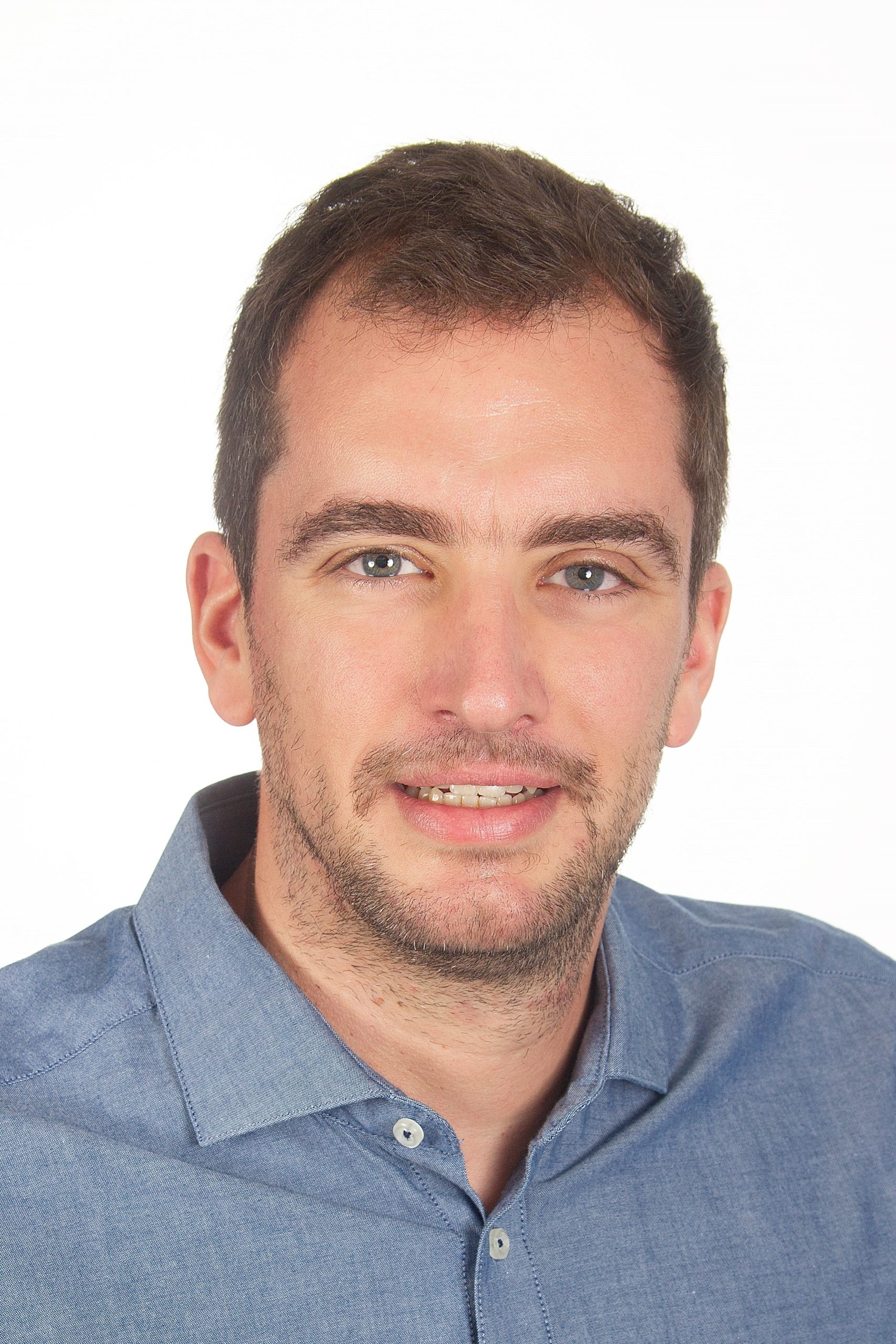
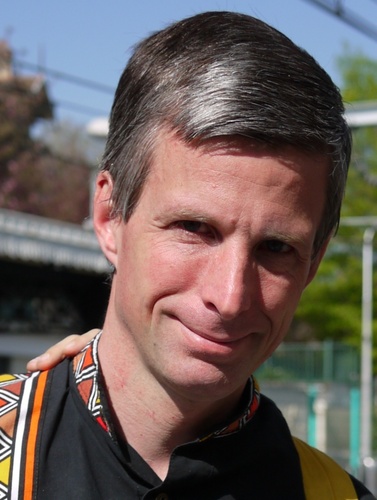
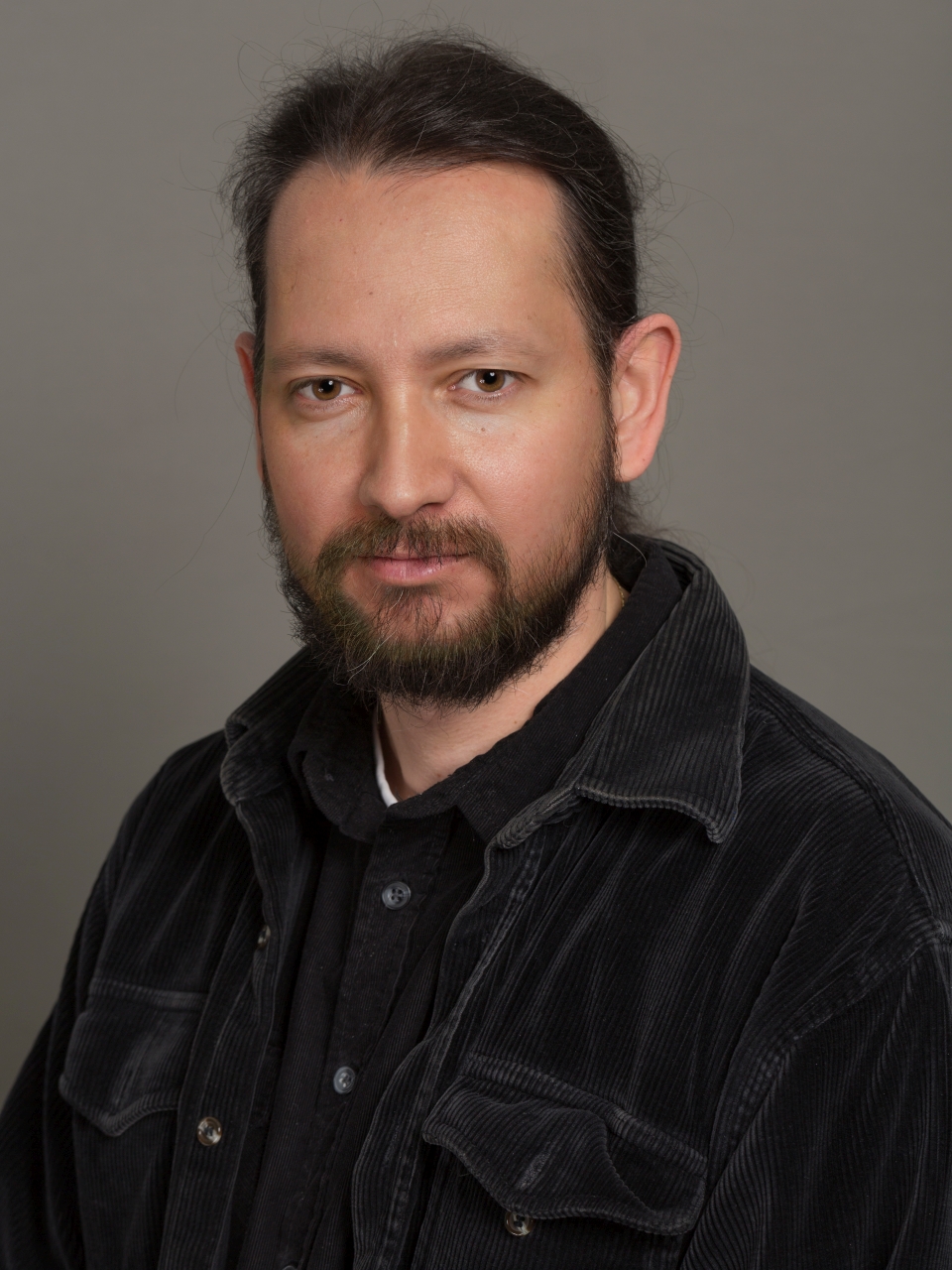
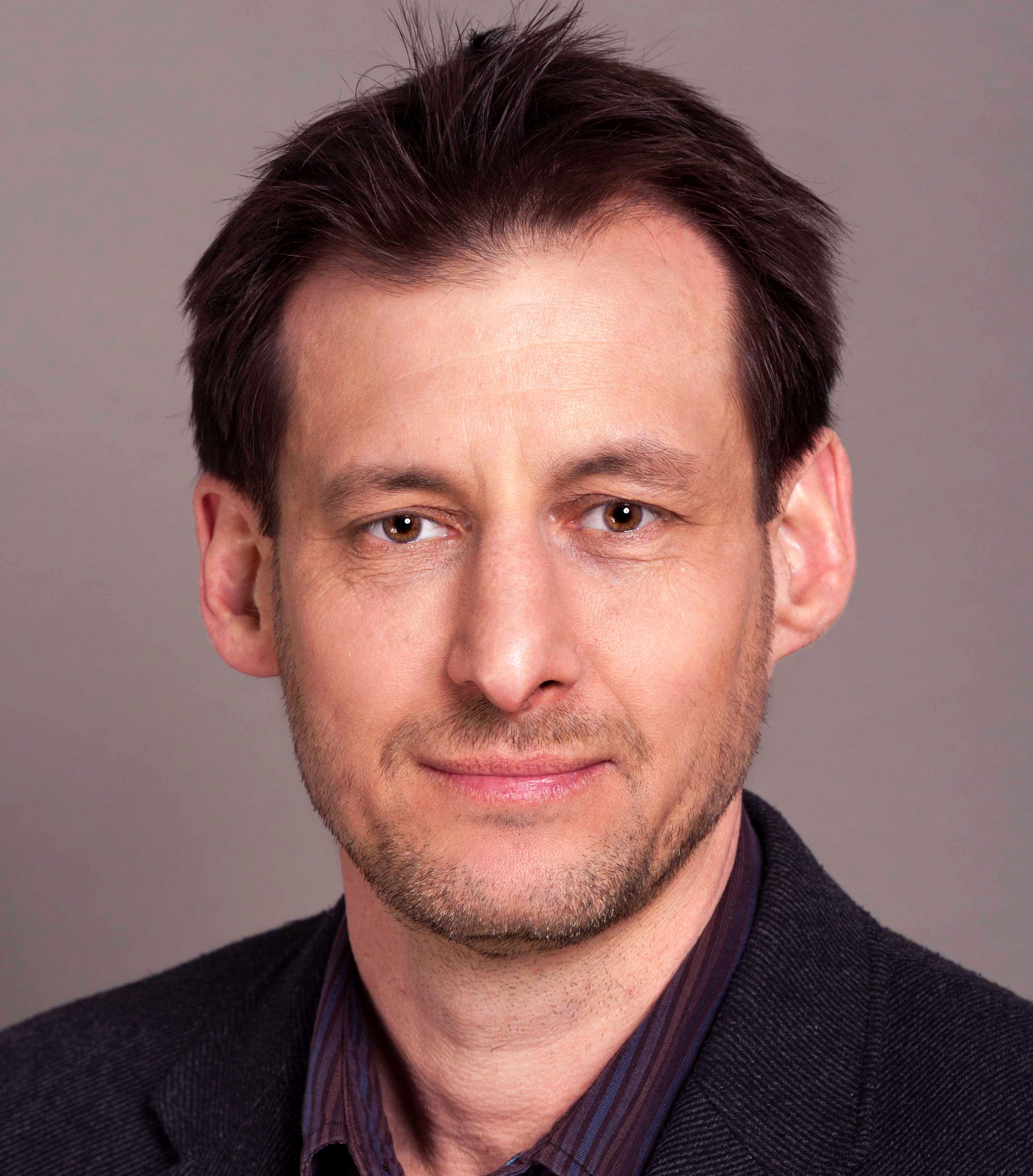
Gaute Linga is an Associate Professor at the Department of Physics , Norwegian University of Science and Technology (NTNU). His research focuses on pore-scale fluid dynamics , two-phase flow in porous media , and chaotic mixing phenomena . Key journals: Advances in Water Resources , Nature Physics , Geophysical Research Letters Collaborations: University of Oslo (UiO), Université de Rennes, CNRS Recent work explores capillarity-driven mixing , electrohydrodynamic flow control , and chaotic transport in unsteady flows , with applications to geophysics and materials science. His publications show strong emphasis on experimental-computational synergy (e.g., neutron imaging, phase-field simulations) and nonlinear dynamics in confined systems. No student advising or award information appears in the text.
Leonidas Mindrinos has been an Assistant Professor at the National Technical University of Athens (NTUA) since February 2023, specializing in Partial Differential Equations. His academic career includes postdoctoral research at NTUA's School of Applied Mathematics and Physical Sciences (2022), the University of Vienna's Mathematics Department (2019-2022), and the Johann Radon Institute (RICAM) (2018-2019). He served as an assistant professor at the University of Vienna (2013-2018). Education: PhD in Mathematics (University of Vienna, 2018) Doctorate in Applied Mathematics (National and Kapodistrian University of Athens, 2011) MSc in Applied Mathematics (National and Kapodistrian University of Athens, 2007) BSc in Mathematics (National and Kapodistrian University of Athens, 2006) His research focuses on inverse problems, scattering theory, and mathematical modeling of physical systems. Key areas include soil physics , optical coherence tomography , and elastodynamics , with applications in environmental engineering, biomedical imaging, and computational physics. He has developed numerical methods for infiltration parameter estimation, inverse scattering in OCT, and coupled parabolic-hyperbolic transmission problems. Recent publications highlight his work on soil infiltration modeling , electromagnetic wave scattering , and quantitative imaging techniques . These span mathematical formulations, numerical simulations, and experimental validation in agricultural engineering and biomedical contexts.
Jesus Alonso Alonso is a Researcher at the Department of Computer Science within the Faculty of Informatics of Barcelona (FIB) at the Technical University of Catalonia . His work bridges computational methods with geotechnical engineering challenges. Research Interests: Digital terrain modeling, bioengineering, computer-aided design, virtual reality, simulation, and video game development. His publications also reflect expertise in soil mechanics, landslide analysis, and mineral precipitation impacts on infrastructure. Key Projects: Development of novel data structures like the grounded heightmap tree for terrain representation, real-time rendering of dynamic terrains, and geotechnical studies on expansive claystones and liquefaction-induced landslides. Collaborations: Active with research groups such as ViRVIG (Visualization, Virtual Reality, and Graphic Interaction) and GIE (Informatics in Engineering).
Osman Ervan is a Research Assistant at the Department of Control and Automation Engineering, Faculty of Electrical and Electronics Engineering, Istanbul Technical University. He has been actively contributing to academic research since 2017, with expertise in robotics, autonomous systems, and control theory. His research focuses on robotics and sensor data processing, particularly involving LiDAR systems, point cloud registration, and tensor voting methods. Recent projects include advanced sampling techniques for point cloud data, autonomous robotic imaging systems, and fuzzy logic-based obstacle avoidance algorithms. Key publication trends show a strong emphasis on 3D point cloud processing (2019-2023), sensor configuration optimization (2015-2016), and autonomous navigation systems (2021-2023). His work spans both theoretical and applied aspects of robotics. Dr. Ervan is based at ITU Ayazaga Campus, Istanbul, Turkey. He has published 8 research outputs since 2015, with active collaborations in multi-robot systems development and sensor integration research.
Son Dang is an Assistant Professor of Petroleum and Geological Engineering at the University of Oklahoma , focusing on advanced energy systems and subsurface fluid dynamics. His research bridges experimental and computational techniques to address critical challenges in energy production and carbon neutrality. Education: B.S., Petroleum Engineering, University of Oklahoma, 2012 M.S., Petroleum Engineering, University of Oklahoma, 2015 Ph.D., Petroleum Engineering, University of Oklahoma, 2019 Research Interests span material characterization, petrophysics, enhanced oil recovery (EOR), geo-storage, and mass transport in nanoporous media. His work emphasizes hydrogen storage, CO2 sequestration, and unconventional reservoir optimization. Scientific Contributions include pioneering studies on hydrogen diffusivity in depleted reservoirs, CO2 injection-induced geomechanics, and machine learning applications for rock typing. He employs nuclear magnetic resonance (NMR) spectroscopy and molecular simulations to unravel fluid-rock interactions at microstructural scales. Publications reveal a focus on energy transition technologies, with 15 recent works covering topics from supercritical CO2 fracturing to NMR-based diffusion analysis. These studies highlight his expertise in integrating experimental data with computational models to improve subsurface energy systems.
Dr. Deepak Devegowda is a Professor and Mewbourne Chair #1 in Petroleum Engineering at the University of Oklahoma, specializing in reservoir characterization and unconventional oil & gas systems. His work integrates machine learning, geostatistics, and molecular dynamics to address complex challenges in shale reservoirs.
Nicolas Holzschuch is a Senior Research Scientist (DR2) at INRIA Grenoble-Rhône-Alpes, leading the Maverick research team. He has held academic positions at institutions including École Polytechnique (France), University of Cape Town, and LORIA/INRIA Lorraine. Research Focus: Illumination simulation, frequency analysis of light transport, advanced rendering techniques (subsurface scattering, real-time ray-tracing), and material modeling. Teaching: Courses on computer graphics, rendering, and virtual image creation at ENSIMAG, MOSIG, École Polytechnique, and Polytech Grenoble. Funding: Research supported by the French National Research Agency (ANR) through the ALTA project.
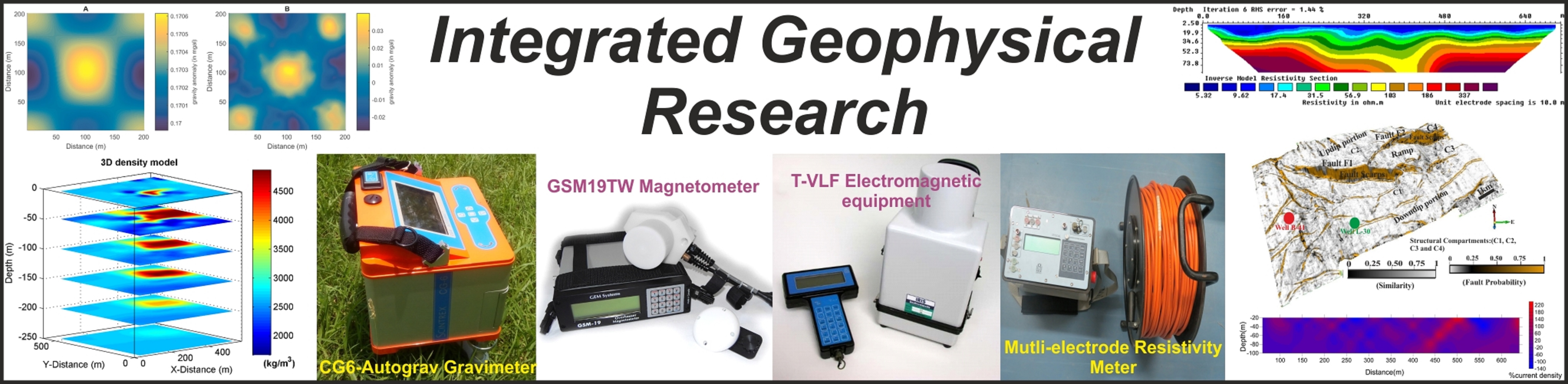
Animesh Mandal serves as an Associate Professor in the Department of Earth Sciences at Indian Institute of Technology Kanpur (IITK) , where he has been a faculty member since April 2015. His academic journey includes a B.Sc. in Physics from University of Calcutta (2005), M.Sc. in Physics from IIT Delhi (2007), and Ph.D. in Geophysics from IIT Kharagpur (2013). Prior to joining IITK, he worked as a Project Scientist at the National Geophysical Research Institute (NGRI). Research Interests : Dr. Mandal specializes in near-surface geophysical studies , geophysical data enhancement , and subsurface modeling . His work focuses on integrated geophysical approaches to understand shallow crustal configuration and delineate natural resources, utilizing gravimeter, magnetometer, electrical, and EM equipment. He has pioneered research in machine learning-assisted interpretation of geophysical data, particularly in seismic impedance inversion, reservoir characterization, and geothermal system analysis. His recent publications demonstrate expertise in applying deep learning techniques to solve complex geophysical problems. Research Trends : Analysis of his recent publications reveals a strong focus on geothermal energy systems , particularly non-volcanic hot springs in the Eastern Ghats Mobile Belt. His work combines gravity-magnetic studies with advanced computational methods to understand crustal configuration and thermal structure. Another major trend involves machine learning applications in seismic data processing, where he develops novel deep learning architectures for impedance inversion and reservoir characterization. His research bridges traditional geophysical methods with cutting-edge AI techniques, creating innovative approaches to subsurface imaging. Scientific Awards : Supervised students who received Prime Minister's Research Fellowship (PMRF) Advisees awarded FARE Fellowship, ONGC-IGU Best Poster Presentation Award, and EAGE PACE grants Students received FULL sponsorship to attend major international conferences like IMAGE 2024 Mentored students who secured postdoctoral positions at prestigious institutions including KAUST and University College Dublin Academic Leadership : Dr. Mandal has successfully supervised multiple Ph.D. and M.Tech. students to completion, with recent graduates securing positions at institutions like University College Dublin, Queen's University, and industry roles at companies including Verisk Analytics and ONGC. His research group maintains active collaborations with international institutions and regularly presents at major geoscience conferences including EAGE, SEG, and AOGS. The group has secured competitive research funding that supports field studies, laboratory work, and student training in advanced geophysical techniques.
Marco Piras is a Full Professor at the Department of Environmental, Land and Infrastructure Engineering (DIATI) at the Polytechnic University of Turin. He serves as Deputy Director of DIATI and a member of the Interdepartmental Center PIC4SeR for Service Robotics. His research focuses on geomatics, GIS, GNSS, photogrammetry, and UAV applications for environmental monitoring and infrastructure assessment. Research Interests: Geomatics and GIS for environmental applications Remote sensing and Earth observation Infrastructure monitoring using BIM and UAVs Climate change adaptation in flood-prone regions Machine learning in geospatial data analysis Scientific Awards: Licinio Ferretti Award (ASITA, 2009) Best ASITA Poster 2008 Grants & Collaborations: Coordinator of Framework Agreement with FAI (2022-2025) Member of Agreement with AGROINNOVA Competence Center (2021-2026) Lead in EU Horizon projects (AGRITech, ROCKtheAlps) Teaching: Courses in Geomatics, Statistical Data Processing, and Open Geospatial Data for Civil Engineering and Urban Development doctoral programs.
Attila Galsa is a Habilitated Associate Professor at the Institute of Geography and Earth Sciences , Department of Geophysics , and Center of Earth Sciences within the Faculty of Science at Eötvös Loránd University , Budapest, Hungary. Email: attila.galsa@ttk.elte.hu His research focuses on hydrogeology , geophysics , and mantle convection , with particular emphasis on groundwater flow modeling , thermal-haline convection , and geothermal system dynamics . He employs numerical simulations and stochastic modeling to study complex fluid interactions in subsurface environments. Recent publications highlight his work on asymmetric basin hydrodynamics , CO2 saturation estimation , and magnetotelluric array methodologies . His studies often integrate climate change impacts , renewable energy applications , and multi-disciplinary geophysical approaches . Attila Galsa's contributions span both theoretical investigations (e.g., mantle convection patterns ) and applied research (e.g., wellhead protection zones , geothermal reinjection ), with a strong emphasis on numerical modeling and field validation in Hungarian and Central European geological contexts.
Dávid Karátson is a Professor at the Institute of Geography and Earth Sciences , Eötvös Loránd University (ELTE), Budapest, affiliated with the Department of Physical Geography and the Center of Geography . His career focuses on volcanology, geomorphology, and geoheritage, with a particular emphasis on volcanic landforms, hazards, and tectonic-climatic interactions. Doctor of Science (DSc) recipient Specializes in volcanic geomorphology, ignimbrite stratigraphy, and hazard assessment Research spans Late Quaternary volcanoes in the East Carpathians and Central Paratethys His recent work explores the interplay between magma composition, eruption styles, and post-depositional processes, including tephra dispersal and inverted volcanic relief. He employs advanced geomorphometric techniques (e.g., DTM-based analyses) and integrates paleomagnetic/radiometric dating to reconstruct volcanic histories. Scientific contributions include: Key Awards : Doctor of Science (DSc) Email : karatson.david@ttk.elte.hu
Kaspar Jansen is a Professor at the College of Industrial Design Engineering, Delft University of Technology, specializing in Emerging Materials. His research bridges smart materials with applications in health, sports, and aerospace technologies. Core research areas: Smart Textiles, Soft Sensors, and Lunar Habitat Materials Key collaborations: TU Delft, 4TU.ResearchData Recent publications focus on: Medical Engineering: Patient-specific aorta replicas for hemodynamic analysis Space Systems: Rigidizable inflatable structures for lunar habitats Textile Electronics: Ladder-type heater current distribution models His work combines experimental validation with computational modeling across disciplines, including geomechanics and reservoir engineering. Activities include presentations on polymer film characterization, fault slip simulation, and seismicity mitigation.
Jessica Maria Chicco is an Assistant Professor and Researcher at the Interuniversity Department of Regional and Urban Studies and Planning (DIST) of the University of Turin. Her research focuses on geothermal energy applications, underground thermal storage systems, and sustainable urban district heating/cooling networks. She holds a PhD in low-enthalpy geothermal energy from the University of Turin (2016) and has held research grants and teaching roles since then. Research Highlights: Specializes in geothermal energy integration for urban sustainability, with expertise in borehole heat exchangers, thermal conductivity analysis, and fault zone characterization. Her work addresses SDG Goals 7 (Affordable Energy) and 11 (Sustainable Cities). Scientific Awards & Roles: Deputy coordinator of Geothermal DHC Cost Action (CA18219) Horizon Europe SAPHEA project participant Licensed geologist and counselor at Piedmont Region Register Recent Article Trends: Focus on optimizing geothermal systems through 3D modeling, material testing, and heterogeneous rock characterization. Keywords span geothermal engineering, urban sustainability, and hydrogeology with subfields like borehole design, thermal storage, and volcanic monitoring.
Prof. Thomas Bohlen is a Professor at the Karlsruhe Institute of Technology (KIT), affiliated with the Geophysical Institute (GPI). He leads the GPI research group and is based at Campus West 06.36. His work focuses on advanced seismic imaging techniques, including Full-Waveform Inversion (FWI) and its applications in environmental geophysics, CO₂ sequestration, and glacial sediment characterization. He has contributed to developing numerical methods for seismic wave modeling and boundary conditions like perfectly matched layers (PML). Research Interests: His primary areas include seismic inversion methodologies, viscoelastic and poroelastic modeling, crosshole and surface seismic imaging, and integrating multi-source geophysical data (e.g., GPR and seismic) for subsurface characterization. Applications span CO₂ storage monitoring, glacial geology, and infrastructure safety assessments. Key Achievements: Over 100 peer-reviewed articles since 2013, focusing on FWI advancements, anisotropy detection in glacial sediments, and innovative numerical techniques. He collaborates on projects like the ICDP DOVE site and the Sleipner CO₂ reservoir. His work bridges computational geophysics with field applications, emphasizing high-resolution subsurface imaging. Labs/Teams: Active in the GPI, leading research on FWI and seismic tomography. Involved in the Toolbox for Applied Seismic Tomography (TOAST) and underground lab experiments at Freiberg Reiche Zeche.
Anbo Wang is the Clayton Ayre Professor in the Bradley Department of Electrical and Computer Engineering at Virginia Tech. His research focuses on fiber optics, waveguide theory, and advanced sensor systems for harsh environments. He leads the Center for Photonics Technology (460 Turner Street, Suite 303) and has pioneered innovations in distributed sensing, acoustic waveguides, and high-temperature sensor designs. With a PhD from Dalian University of Technology (1990), his work bridges photonics with applications in energy, aerospace, and biomedical engineering. Research interests include optical sensor development, electromagnetic field analysis, and material characterization for extreme conditions. Key contributions involve sapphire-based sensors, magnetostrictive sensing fibers, and machine learning-enhanced thermal measurement in additive manufacturing. His multidisciplinary approach integrates photonics with robotics, environmental monitoring, and structural health assessment. Publications from 2023–2025 highlight advancements in fiber-optic magnetic sensing, miniature strain sensors, and ferromagnetic fiber robots. Collaborations span industries and academic institutions, addressing challenges in carbon storage monitoring, subsurface imaging, and biomedical interfaces. His lab develops scalable sensor systems using thermal drawing processes and adaptive mode control in multimode fibers. Professional service includes editorial roles in optics journals and leadership in photonics research networks. Ongoing projects focus on ultra-high-temperature sensing networks, triboelectric energy-generating fibers, and multiplexed sensor arrays for industrial and environmental applications.