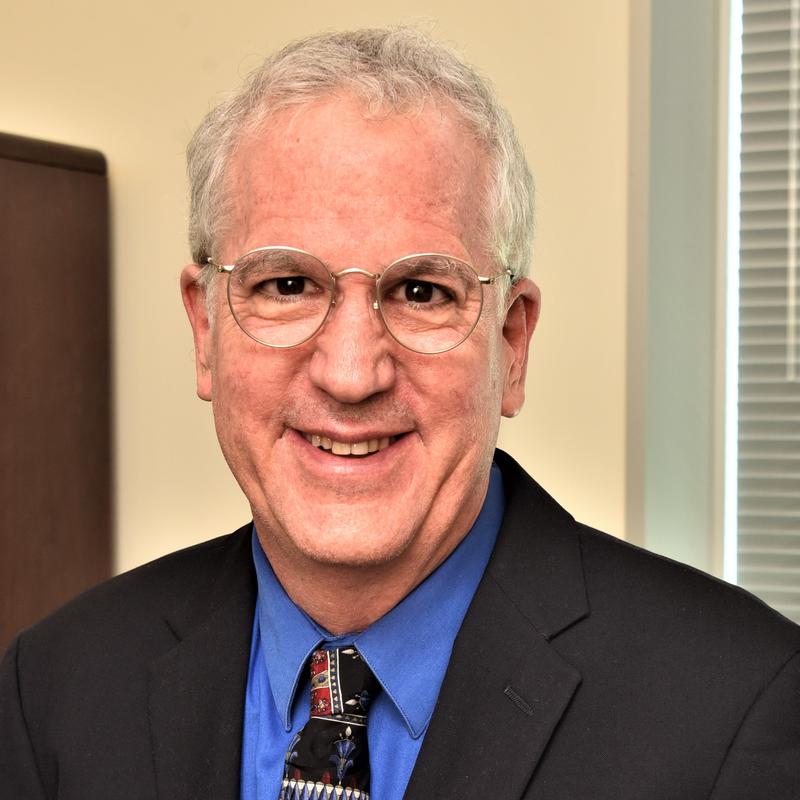
Benjamin Druss is a Professor and Rosalynn Carter Chair in Mental Health at Emory University’s Rollins School of Public Health, Department of Health Policy and Management. He is a psychiatrist integrating mental health, physical health, and public health. His research focuses on improving care access/outcomes for populations with serious mental illnesses and medical comorbidities. He serves on JAMA Psychiatry’s editorial board and previously on NIMH’s National Advisory Council. Education: MD, New York University MPH, Yale University Research Interests: Health policy for mental health systems Social determinants of mental health Psychosis and comorbidity mechanisms Healthcare access disparities Articles Trends: Recent work examines opioid use patterns, mental health policy impacts, and neighborhood effects on psychiatric outcomes. Over 15 years of publications consistently address disparities in mental health care access and systemic solutions. Awards: APA Health Services Research Senior Scholar Award Carl Taube Award for Lifetime Contribution NAMI Exemplary Psychiatrist Award Advising/Grants: Leads research on mental health workforce resilience and Medicaid policy. Courses taught include mental health/medical policy, public mental health case studies, and dissertation guidance.
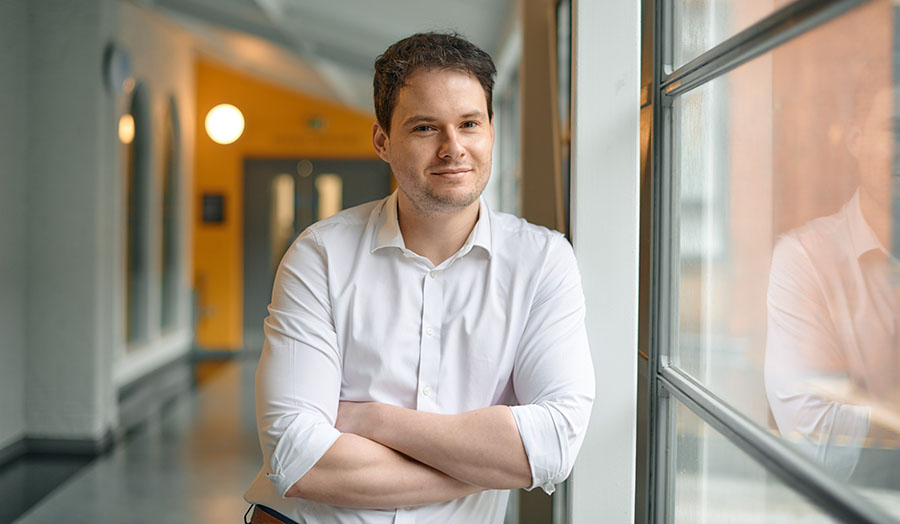
Dr. Mark Thompson is a Senior Lecturer in Psychology and Researcher of Sport Psychology at London Metropolitan University's School of Social Sciences and Professions. He holds a PhD from the University of Hull and is a Fellow of the Higher Education Academy (FHEA). His academic work bridges sport psychology, healthcare rehabilitation, and youth athlete development. Dr. Thompson's education includes a PhD in Psychology from the University of Hull. His research focuses on emotional processes in elite athletes, doping propensity in youth sports, and post-COVID-19 patient rehabilitation. Notable projects include NHS-funded studies on telerehabilitation and collaborations with the International Olympic Committee and World Anti-Doping Agency. Research Interests: Psychophysiological responses to stress in sports Emotional regulation strategies among athletes Anti-doping education and youth athlete behavior Telehealth applications in post-hospitalization recovery His publications emphasize qualitative methodologies, exploring topics like athlete performance under stress, doping prevention programs, and healthcare professional perspectives on self-management approaches. Awards: Fellow of the Higher Education Academy (FHEA). Dr. Thompson has delivered presentations at major conferences such as the American College of Sports Medicine and contributed to media discussions on doping in elite sport via LoveSport Radio. His teaching spans foundational psychology to advanced modules like cognition and behavior, often serving as module leader.
Jesse Cougle is a Professor of Psychology at Florida State University, focusing on anxiety disorders , obsessive-compulsive and related disorders (OCRD), and problematic anger . He leads the Cougle Lab, which develops computerized treatments and investigates distress intolerance , courage , and transdiagnostic factors . Education: University of Texas at Austin (2008), Oxford University (postgraduate) Research: Cognitive-behavioral mechanisms in anxiety disorders, technology-based interventions for social anxiety and BDD, and biological processes in problematic anger Students: Mentoring Tapan Patel, James Zech, Victoria Swaine, and others His work spans interpretation bias modification , safety behavior reduction , and 'not just right' experiences in OCRD. Recent publications emphasize digital interventions for mental health and distress tolerance as a key transdiagnostic factor. Scientific Awards: President’s New Researcher Award (ABCT) Graduate Faculty Mentor Award (FSU) He serves as Editor-in-Chief of the Journal of Obsessive-Compulsive and Related Disorders and holds editorial roles in major journals. The Cougle Lab explores anxiety , perfectionism , and appearance-related psychopathology through multimodal research .
Brooks Casas, Ph.D., is a Professor at the Fralin Biomedical Research Institute at VTC, with joint appointments in the Department of Psychology (College of Science), Department of Biomedical Engineering and Mechanics (College of Engineering), and the Department of Psychiatry and Behavioral Medicine (School of Medicine) at Virginia Tech. He is also a College of Science Faculty Fellow, recognized for his contributions to decision neuroscience and computational psychiatry. Ph.D. in Psychology, Harvard University Postdoctoral Fellowship, Baylor College of Medicine Former Assistant Professor of Neuroscience and Psychiatry, Baylor College of Medicine Brooks Casas investigates the neural computations underlying social decision-making, focusing on how valuation, learning, and social preferences shape human choices. His research integrates decision neuroscience, behavioral economics, and social psychology to understand both normative and pathological decision processes. Key areas include trust, risk preferences, social influence, and impaired decision-making in psychiatric disorders such as substance abuse and borderline personality disorder. His lab employs fMRI, computational modeling, and longitudinal studies to explore these phenomena. His recent publications span topics such as machine learning applications in diagnosing borderline personality disorder, neural predictors of adolescent risk behaviors, and the role of cognitive control in substance use. His work often involves large-scale longitudinal studies, such as the decade-long investigation into early life adversity and brain development with Jungmeen Kim-Spoon. He has not received any explicitly mentioned scientific awards in the provided text. Casas leads the Casas Lab within the Center for Human Neuroscience Research and collaborates extensively with students and researchers across disciplines. His work is supported by grants from the National Institutes of Health and the Institute for Society, Culture, and Environment. He advises multiple graduate students and early-career researchers, contributing significantly to training in computational psychiatry and decision neuroscience. His lab, the Casas Lab, is part of the Fralin Biomedical Research Institute and focuses on human neuroscience research, particularly using neuroimaging and behavioral experiments to study social and economic decision-making.
Emily Falk is a Professor of Communication, Psychology, Marketing, and Operations, Information, and Decisions at the University of Pennsylvania, where she serves as Vice Dean of the Annenberg School for Communication, Director of the Communication Neuroscience Lab, and Director of the Climate Communication Division of the Annenberg Public Policy Center. Her interdisciplinary work bridges communication science, psychology, and neuroscience to understand behavior change and message effectiveness. Dr. Falk received her B.A. in Neuroscience from Brown University and her Ph.D. in Psychology from the University of California, Los Angeles. Her educational background reflects the interdisciplinary approach that characterizes her research program. Dr. Falk's research focuses on the science of behavior change, examining what makes messages persuasive, why and how ideas spread, and what makes people effective communicators. Her work employs tools from psychology, neuroscience, and communication to investigate neural predictors of message effectiveness, social influence, and the spread of ideas through networks. Key research areas include health communication (particularly tobacco use), climate communication, political communication, and the neuroscience of choice and decision-making. Her groundbreaking work has demonstrated how fMRI brain imaging in small groups can predict large-scale public health campaign success. Dr. Falk's research has been recognized with numerous prestigious awards, including early career awards from the International Communication Association and the Society for Personality and Social Psychology Attitudes Division, a Fulbright grant, Social and Affective Neuroscience Society award, DARPA Young Faculty Award, and the NIH Director's New Innovator Award. She was also named a Rising Star by the Association for Psychological Science. As an advisor, Dr. Falk has mentored numerous graduate students who have gone on to successful careers in academia, government, non-profit, and business sectors. Her lab, the Communication Neuroscience Lab, is funded by major organizations including DARPA, NIH, Google, and the Mind & Life Institute. The lab operates with a mission to increase health and happiness for people and the planet through communication science. The Communication Neuroscience Lab is an interdisciplinary research group that uses tools from biological, social, and network sciences to motivate choices that benefit individuals, communities, and the planet. Current major research projects include BB-PRIME (Brain-based Prediction of Message Effectiveness), BB-PRIME Phase II focusing on climate change interventions, and the GeoScan Smoking Study examining tobacco marketing effects.
Denise Esserman is a Professor of Biostatistics at the Yale School of Public Health, where she joined the faculty in 2014. She is a member of the Yale Center for Analytical Sciences and collaborates with multiple departments at the Yale School of Medicine, including the Clinical and Translational Science Award Program, Patient-Centered Outcomes Research Institute, and the Cancer Center. Her research focuses on methodological aspects of clustered randomized trials and sample size calculations. Education: PhD in Biostatistics from Columbia University (2006) MS in Statistics from University of Georgia (2001) Dr. Esserman's research interests span several critical areas in biostatistics and public health methodology. She specializes in clustered randomized trials, with particular expertise in understanding how intraclass correlation coefficients (ICC) and other factors impact sample size calculations. Her work extends to longitudinal studies methodology, randomized controlled trial design, and sampling techniques. She has contributed significantly to statistical methods for clinical trials, healthcare data analysis, and public health research. Her interdisciplinary approach bridges theoretical statistics with practical applications in healthcare settings. Analysis of Dr. Esserman's recent publications reveals a strong focus on methodological innovations in clinical trial design and analysis, particularly for cluster-randomized trials. Her work spans healthcare applications including fall injury prevention in elderly populations, opioid use disorder treatment in international settings, pain management for hemodialysis patients, and validation of medical coding algorithms. She frequently employs advanced statistical techniques including Bayesian methods, mediation analysis, and methods for handling clustered data. Her research demonstrates a consistent commitment to improving the rigor and applicability of statistical methods in public health and clinical research. Dr. Esserman serves as a reviewer for several prestigious journals including the American Journal of Epidemiology, Arteriosclerosis, Thrombosis and Vascular Biology; Statistics in Biopharmaceutical Research; Clinical Trials; and Obesity. As a member of the Yale Center for Analytical Sciences, Dr. Esserman collaborates with numerous researchers across Yale University. Her current projects include the EQuIP trial (HIC ID 2000033355), where she serves as Sub Investigator with primary completion date of 08/31/2027, focusing on mental health and behavioral research for sexual minority women.
Jonathan P. Caulkins is the H. Guyford Stever University Professor of Operations Research and Public Policy at Carnegie Mellon University's Heinz College and a member of the National Academy of Engineering. He specializes in systems analysis of problems pertaining to drugs, crime, terror, violence and prevention. His educational background includes: Bachelor of Science and Master of Science in systems science from Washington University S.M. in electrical engineering and computer science from MIT Doctorate in operations research from MIT Dr. Caulkins' research focuses on drug policy analysis, particularly cannabis legalization, optimal control, reputation management, human trafficking, and black markets. He has taught quantitative decision-making on four continents to students from 50 countries across all academic levels. His recent work examines how cannabis use has evolved from primarily recreational/weekend use to being part of daily routines for approximately 40% of current users. His notable awards include: David Kershaw Award from the Association of Public Policy Analysis and Management Robert Wood Johnson Health Investigator Award INFORMS President's Award Dr. Caulkins serves as past Co-director of RAND's Drug Policy Research Center and founding Director of RAND's Pittsburgh office, continuing to collaborate with RAND on drug policy projects. He teaches courses including Optimization, Decision and Risk Modeling, and Decision Analysis at CMU.
Yeonhwa Park is a Professor and holder of the Francis Chair in the Department of Food Science at the University of Massachusetts Amherst. Her research focuses on functional foods, bioactive components, and environmental contaminants' effects on obesity and aging. She investigates food bioactives like conjugated linoleic acid (CLA) and environmental pollutants like PFAS to understand their roles in metabolic disorders and aging mechanisms. Her work spans multiple models, including C. elegans, zebrafish, and rodent studies, emphasizing translational applications for human health. Teaching responsibilities include courses such as 'Science of Food' (FS150), 'Biology of Food in Human Health' (FS270), and 'Bioactive Food Components' (FS750). Awards include Clarivate Highly Cited Researcher (2017–2018), Faculty Convocation Award (2015), and the Timothy Mounts Award (2015). Her research has been published in over 150 peer-reviewed articles, with recent emphasis on environmental contaminants' impact on obesity and type 2 diabetes, and the use of C. elegans for screening bioactives. Key findings include CLA's role in fat reduction, PFAS-induced metabolic disruption, and the application of alternative models (e.g., C. elegans) to reduce animal testing. Her lab integrates molecular biology, toxicology, and food science to address global health challenges like the obesity epidemic and environmental toxin exposure.
Kris Baetens is a Professor in the Department of Psychology Brain, Body and Cognition at Vrije Universiteit Brussel (VUB). His research focuses on the neural mechanisms underlying social cognition, mentalization, and inhibitory control, particularly exploring the role of the cerebellum and prefrontal cortex in these processes. He employs techniques such as transcranial direct current stimulation (tDCS), EEG, and fMRI to investigate cognitive and clinical phenomena. Leading projects like ANI423 (neural correlates of inhibitory control in adolescents) and FWOAL1160 (cerebellum's role in social cognition). Recipient of the EUTOPIA Young Leaders Academy fellowship (2024-2026). Active collaborations in the PRISM network for mental health research. Key research interests include: - Cerebellar contributions to cognitive and social functions - Neurostimulation techniques for mental health interventions - Mentalizing processes in social action prediction - Personality and learning mechanisms His articles consistently analyze the interplay between neural structures like the cerebellum and behavioral outcomes in clinical and cognitive contexts. Recent work emphasizes applications of tDCS in treating alcohol use disorders and disordered eating, highlighting translational research in non-invasive brain stimulation. Advising/Grants: Supervises student research projects and manages grants from FWO and OZR agencies. Labs/Teams: Core member of the PRISM network and involved in the EUTOPIA fellowship initiative.
Leah Doane is a Professor and Chair of the Department of Psychology at Arizona State University (ASU) since 2025. She holds affiliations with the Biodesign Center for Personalized Diagnostics and previously served as Associate Dean of Graduate Initiatives in the College of Liberal Arts and Sciences (2024). Her academic background includes a B.A. in Psychology from Cornell University (2002), M.A. and Ph.D. in Human Development and Social Policy from Northwestern University (2006/2008), and a postdoc at the University of Chicago in Psychiatry and Behavioral Neuroscience. Research focuses on developmental psychopathology, examining links between health behaviors, physiological stress (e.g., cortisol), and stressful experiences across childhood, adolescence, and emerging adulthood—with particular emphasis on Latinx youth and college transition challenges. Key themes include cultural adaptation, sleep health, epigenetic influences, and bicultural stress. Funded by NIH, CDC, and Army Research Institute, her work integrates ecological and ambulatory assessment methods. Leadership roles include Director of Faculty Success, Developmental Graduate Training Area Head, and Deputy Chair in ASU's Psychology Department. Awards include William T. Grant Foundation Scholar (2025-). Active in teaching advanced courses on research methods and thesis supervision, she mentors students through courses like Honors Thesis (PSY 493), Research (PSY 792), and Dissertation (PSY 799). Key grants include studies on Latino youth college pathways (Helios Education Foundation, 2015-2016), genetic/environmental influences on sleep and behavior (NICHD, 2015-2020), and culturally informed interventions. The Adolescent Stress and Emotion Lab (adolescentstressandemotionlab.org) serves as her research hub.
Trysh Travis is an Associate Professor of Women’s Studies at the University of Florida. Her research focuses on the gendered history of medicine, therapeutic cultures, and recovery movements. She earned an MA from the Bread Loaf School of English and a PhD in American Studies from Yale University. Her work has been supported by the Mellon Foundation and the National Endowment for the Humanities. She co-founded the translational humanities project Points with UF colleague Joseph Spillane and serves as Managing Editor Emerita. Key publications include The Language of the Heart: Twelve-Step Recovery from Alcoholics Anonymous to Oprah Winfrey (2009) and co-editing Rethinking Therapeutic Culture (2016). Her articles explore topics ranging from opioid treatment legacies to feminist critiques of drug policy. Education: PhD in American Studies (Yale University), MA in English (Bread Loaf School of English) Grants: Mellon Foundation, National Endowment for the Humanities Key Projects: Co-founder of Points blog, author/co-editor of influential books on recovery culture Travis’s research bridges literary history and cultural analysis, emphasizing intersections of gender, medicine, and therapeutic practices. Her work critiques historical and contemporary recovery narratives, interrogating how therapeutic frameworks shape identities and social norms. Recent scholarship addresses opioid policy legacies and the role of whiteness in cultural discourse.
Jennifer Mitchell, PhD is a Professor in the Departments of Neurology and Psychiatry & Behavioral Sciences at the University of California, San Francisco (UCSF) School of Medicine. She serves as the Associate Chief of Staff for Research and Development at the San Francisco VA Medical Center. Dr. Mitchell is affiliated with the UCSF Weill Institute for Neurosciences and is a member of both the UC Berkeley Center for the Science of Psychedelics and the UCSF Neuroscape Psychedelics Division. Dr. Mitchell's research focuses on identifying and developing novel therapeutics for drug and alcohol abuse, PTSD, stress, anxiety, impulsivity, and depression. Her work examines the neural mechanisms responsible for these disorders through translational neuroscience research that bridges psychology, behavioral pharmacology, and neuroanatomy. She has made significant contributions to the field of psychedelic therapeutics, particularly in developing MDMA for PTSD treatment and psilocybin for demoralization and depression. Dr. Mitchell's research portfolio demonstrates a strong emphasis on human and animal pharmacology, hypothesis-driven neuroscience, human proof-of-concept studies, translational models, and clinical trials. Her work on MDMA-assisted therapy for PTSD has reached phase 3 clinical trial status, representing a significant advancement in the field. Her recent publications show a consistent focus on psychedelic therapeutics, with particular attention to MDMA for PTSD treatment, but also extending to policy considerations, cost-effectiveness analyses, and the broader application of psychedelic compounds for various psychiatric conditions. Dr. Mitchell has received multiple DoD grants for the Institute for Translational Neuroscience from 2007 through 2014, demonstrating sustained funding support for her research program. Her work has been published in high-impact journals including Nature Medicine, Neuropsychopharmacology, and JAMA Neurology. As an advisor and mentor, Dr. Mitchell has contributed to the training of numerous researchers in the field of neuroscience and psychedelic therapeutics. Her laboratory work combines behavioral pharmacology with neuroimaging techniques to understand the mechanisms underlying addiction and stress-related disorders.
Dr. Payam Sheikhattari is a tenured Professor of Public Health in the School of Community Health & Policy at Morgan State University with nearly two decades of experience in community-based participatory research. He is the founder of the Morgan CARES network and former director of the Prevention Sciences Research Center, fostering sustainable collaborations between academia and community organizations to address health disparities in underserved communities. His educational background includes a Post-Doctoral Fellowship from Johns Hopkins Bloomberg School of Public Health, an MD from Uromia University of Medical Sciences in Iran, and an MPH from Tehran University of Medical Sciences. This diverse training informs his approach to public health research and practice. Dr. Sheikhattari's research focuses on advancing health equity through community engagement, with particular emphasis on tobacco cessation programs, health disparities in marginalized populations, and innovative community-academic partnerships. His work consistently centers on community-based participatory research methods that empower communities to be active partners in the research process. His publication portfolio demonstrates expertise across tobacco control, health disparities, and community engagement, with recent work examining gender differences in quit rates, electronic cigarette use among youth, and intersectional approaches to tobacco advertising exposure. His 2022 book "Practitioner Research for Social Work, Nursing, and the Health Professions" represents a significant contribution to methodological approaches in community health. $41 million (over 10 years) NIH U54 award for ASCEND Training Model $18 million (over 5 years) NIH U54 award for RCMI@Morgan $749k (over 4 years) AHA funding for IMPACT project $226k (over 2 years) Morgan State University funding for Community & Stakeholder Engagement Certificate Program As a dedicated mentor, Dr. Sheikhattari has supervised numerous undergraduate research students through programs like ASCEND and has been instrumental in developing training models to enhance biomedical research opportunities for underrepresented minorities. His leadership extends to establishing physical infrastructure for community engagement through the Morgan CARES initiative, which has become a model for academic-community partnerships in public health research.
Noelia Fernández Castillo is a Lecturer at the University of Barcelona's Faculty of Biology, affiliated with the Department of Genetics, Microbiology, and Statistics. She leads the Human Molecular Genetics research group and holds roles in academia spanning education and research. Education: Bachelor's/Master's in Genetics (University of Barcelona, 2004) Experimental Biology Master's (2006) Teaching Certification (2005) PhD in Biology (2011) Research focuses on genetic mechanisms underlying psychiatric disorders, addiction, and neurodevelopmental conditions. Key areas include epigenetic influences on ADHD, genetic contributions to aggression, and molecular pathways in substance use disorders. Uses animal models (zebrafish, mice) and human genomic data to explore these topics. Notable projects include studying nutrition's impact on impulsive behaviors (Eat2beNICE project, 2017-2022) and investigating shared genetic susceptibility between addictions and aggression. Current work emphasizes genetic pleiotropy in ADHD and psychiatric comorbidity. Has led/co-led grants from the European Union, Spanish Ministry of Health, and Ministry of Science. Active in collaborative research with institutions across Europe and North America.
Michelle Fitts is a Senior Research Fellow in the Wellbeing and Preventable Chronic Disease group, focusing on public health research related to Aboriginal and Torres Strait Islander communities, women’s health, and remote healthcare systems. Her work contributes to UN Sustainable Development Goals (SDGs) 3 (Good Health), 5 (Gender Equality), and 8 (Decent Work). Research Interests : Health equity for Indigenous populations Workforce dynamics in remote health services Digital health interventions for substance use Trauma and concussion management Gender-based violence in healthcare contexts Publication Trends : Her recent articles (2024–2025) emphasize qualitative methodologies, workforce retention in Aboriginal-controlled clinics, AI-driven health tools, and trauma-related healthcare disparities. Topics span SDG-aligned areas like chronic disease prevention and gender justice. Network & Collaborations : Collaborates with institutions in Australia’s Northern Territory and Western Australia, focusing on Indigenous health and rural service delivery. Key partnerships include academic teams in public health and emergency medicine.