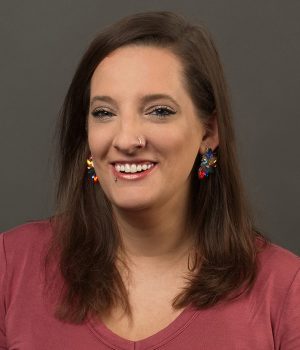
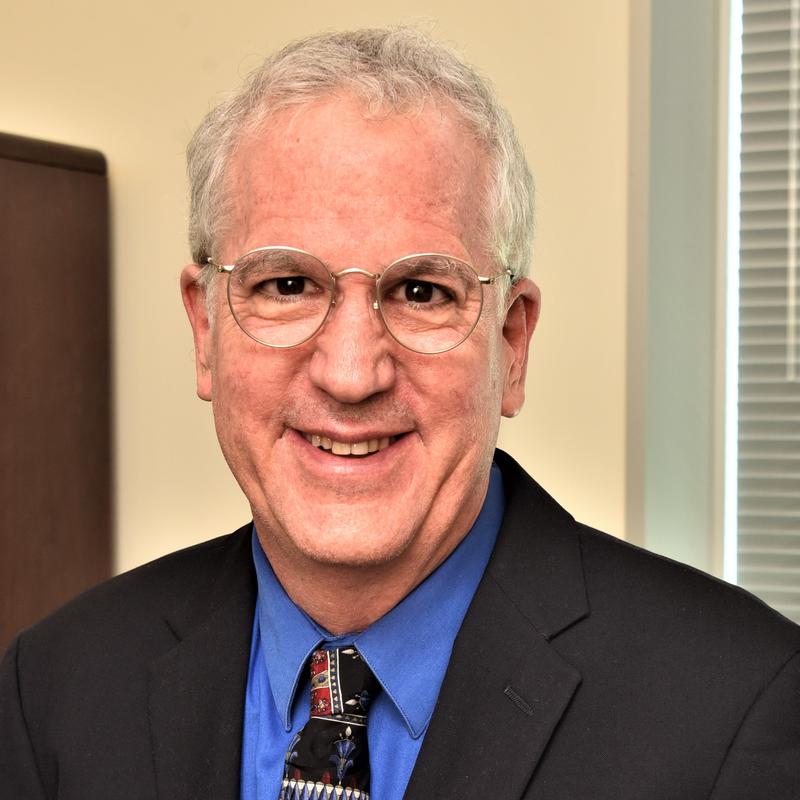
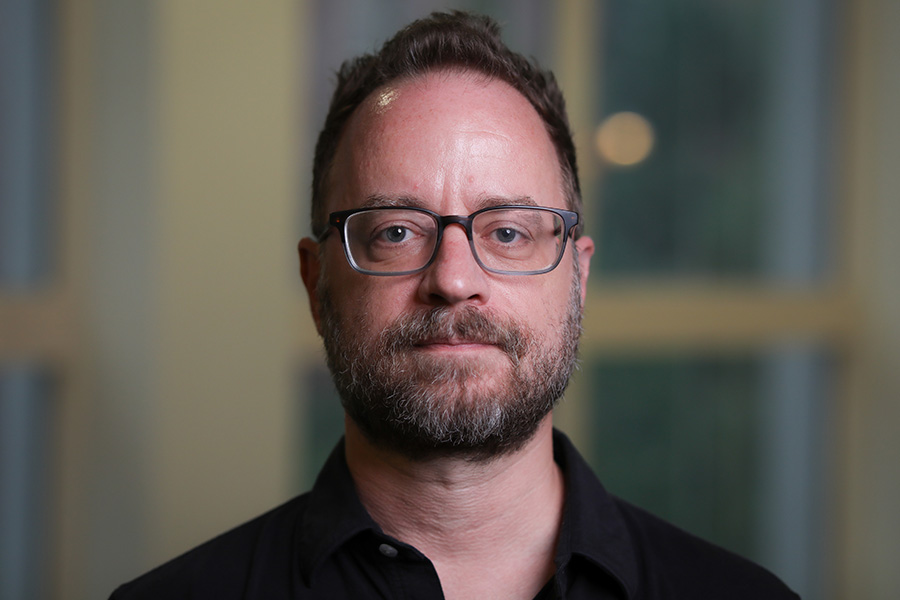
Jacqueline Woerner is Associate Professor in Sociology and Psychology at the University of Central Florida, where she directs the Social Theory, Relationships, and Interpersonal Violence Exposure (STRIVE) Lab. Her research examines the intersection of gender-based violence, substance use, and health risk behaviors. Education includes: PhD in Social Psychology from Wayne State University BS in Psychology from Appalachian State University Her NIH-funded research investigates how violence victimization relates to health behaviors through motivational frameworks. Current projects examine technology-facilitated sexual violence on dating apps and alcohol's role in intimate partner cyber abuse. She employs diverse methods including surveys, experiments, and daily diaries. As member of the Violence Against Women Faculty Cluster, she develops prevention strategies addressing sexual violence and health disparities. Funded projects include NIJ grants examining transitional housing models for domestic violence survivors. Honors include Rising Star Award for undergraduate mentoring and multiple teaching awards. She serves on editorial boards for Psychology of Violence and leads NIH-funded projects on dating app-facilitated violence.
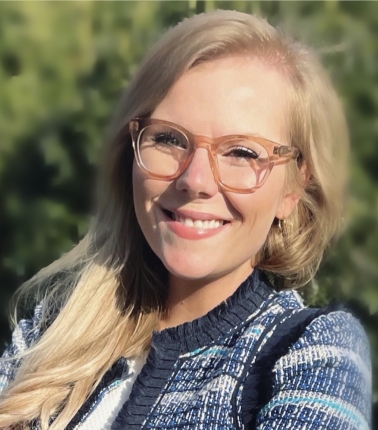
Samantha J. Harris, PhD, MPA, is an Assistant Scientist in the Department of Health Policy and Management at the Johns Hopkins Bloomberg School of Public Health. Her primary appointment is with the Bloomberg Overdose Prevention Initiative, where she leads state-level evaluations in Kentucky and New Mexico, focusing on overdose prevention and implementation of harm reduction policies. Institution: Johns Hopkins University School: Bloomberg School of Public Health Department: Department of Health Policy and Management Position: Assistant Scientist Education: PhD in Health Policy, University of Georgia, 2021 MPA in Health Policy, University of Kentucky, 2016 BA in Arts Administration, University of Kentucky, 2014 Postdoctoral Training, Johns Hopkins Bloomberg School of Public Health Samantha Harris's research centers on improving access to mental health and substance use treatment, particularly through public insurance programs like Medicaid and Medicare. Her work applies mixed-methods approaches to evaluate policies related to harm reduction, overdose prevention, and service delivery within the criminal legal system. She has a strong interest in aging and health, opioid and alcohol use disorders, and equitable access to care. Her recent publications highlight trends in Medicare coverage for methadone and buprenorphine, implementation of syringe services programs, and attitudes toward decriminalization policies. Her work spans qualitative and quantitative methods, often focusing on policy impact and implementation barriers at the state level. Scientific Contributions: Lead researcher on rapid-cycle evaluations of overdose prevention programs Co-Investigator on NIH, SAMHSA, and privately funded projects Frequent collaborator with interdisciplinary teams and state agencies Harris has served in policy-focused fellowship placements and contributes to high-impact journals such as Health Affairs and Drug and Alcohol Dependence . She advises on policy evaluation and health services research but no formal students are listed. She is actively involved in the Bloomberg Overdose Prevention Initiative, working closely with Dr. Brendan Saloner and Dr. Sachini Bandara. Her lab or team is embedded within this initiative, conducting real-time assessments of innovative state policies to reduce fatal overdoses.
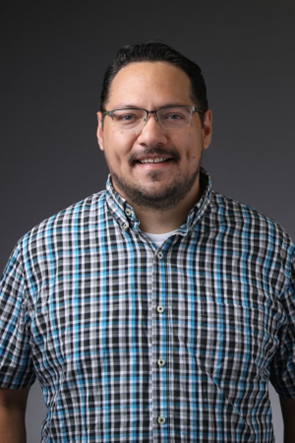
Duncan Astle is the Gnodde Goldman Sachs Professor of Neuroinformatics at the Department of Psychiatry, University of Cambridge. He serves as a Programme Leader at the Medical Research Council's Cognition and Brain Sciences Unit (MRC CBU) and is a Fellow of Robinson College. Astle heads the 4D Lab (Development, Dynamics, Disorders, Data Science), which provides a research home for approximately 15 Early Career Researchers working at the intersection of developmental cognitive neuroscience and advanced data science methodologies. Astle's research focuses on understanding childhood development through innovative analytical approaches. His work employs transdiagnostic methods to study children with attention, learning, and memory difficulties, moving beyond traditional diagnostic categories. He investigates how neural systems develop in childhood, how they relate to developmental disorders, and how they respond to intervention. His research integrates network science, machine learning, and generative modeling to capture the complexity of neurodevelopmental diversity, examining how cognitive skills, literacy, numeracy, and mental health interrelate over developmental time. His publication record reveals a strong focus on brain connectivity and organization across development. Recent work explores structural and functional neurodevelopmental trajectories, brain wiring economics, and the impact of environmental factors on neural development. Astle's research frequently employs advanced data science techniques to identify sub-populations of children with different cognitive or brain profiles, regardless of diagnosis, and to map non-linear relationships between brain organization and cognitive difficulties. His work has increasingly focused on transdiagnostic approaches to understanding developmental disorders and the application of computational models to developmental neuroscience. Astle actively supervises PhD students and has built a substantial research group that contributes to major projects including the Centre for Attention Learning and Memory (CALM) and Resilience in Education and Development (RED). His work has been supported by prestigious funding bodies including the Royal Society, the British Academy, the Medical Research Council, and the Economic and Social Research Council, as well as multiple charitable foundations. The 4D Lab, under Astle's leadership, utilizes state-of-the-art facilities at the University of Cambridge, including on-site magnetic resonance imaging and magnetoencephalography scanners. The lab contributes to building specialist cohorts such as CALM (800 children with cognitive difficulties plus 200 comparison children) and RED, which study children's development, resilience, and educational outcomes. Astle's team explores how growing up in adverse environments affects children's brains, behavior, and mental health, with the aim of identifying early markers of risk and resilience.
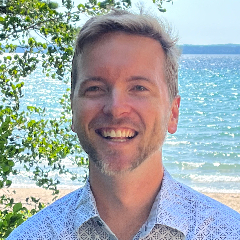
Markus Heilig is a Professor of Psychiatry and Head of the Department of Biomedical and Clinical Sciences (BKV) at Linköping University. He serves as Director of the Center for Social and Affective Neuroscience (CSAN), integrating basic and clinical neuroscience to address addictive and affective disorders. His work bridges neuropharmacology, molecular psychiatry, and clinical trials. Linköping University (Current) Center for Social and Affective Neuroscience (CSAN) (Director) Wallenberg Center for Molecular Medicine (Collaborator) His research focuses on alcohol dependence mechanisms, stress-neurotransmitter interactions (e.g., CRF, substance P, endocannabinoids), and personalized medicine approaches. Using animal models and human neuroimaging (fMRI), his lab explores epigenetic changes in frontal lobe and amygdala neurons that drive compulsive alcohol use. Recent publications highlight his work on endocannabinoid modulation for PTSD treatment, neural correlates of reward choices, and pharmacological interventions targeting GABA and opioid receptors. His studies often combine brain imaging, behavioral analysis, and pharmacology. Scientific awards include the 2019 Wallenberg Clinical Scholar grant and 2017 CAN/Nordic Drugs prizes. Heilig's research is supported by Vetenskapsrådet (SEK 57 million center funding) and international donations like the Andrew J. Bock Memorial Fund.
Dr. Sara McMenamin is an Associate Professor at the Herbert Wertheim School of Public Health & Human Longevity Science at UC San Diego. She serves as the Associate Director of the MPH program and Interim Assistant Dean for Undergraduate Education . Her research focuses on state-level policies addressing tobacco use and preventive services, particularly health insurance coverage for tobacco dependence treatment in California and nationally. She also co-chairs the California Health Benefits Review Program , evaluating proposed health insurance legislation's medical, cost, and public health impacts. Her work spans public health policy analysis , health insurance mandate evaluations, and tobacco control strategies. Key areas include analyzing the effects of tobacco tax increases (e.g., Proposition 56), tracking smoking trends among youth and adults, and investigating the interplay between e-cigarette use and smoking cessation. She has contributed to studies on fertility preservation mandates, telemedicine for substance use disorders, and health equity in insurance access. Recent research highlights include assessing declines in youth smoking despite e-cigarette surges, evaluating tobacco policy coverage changes in California, and projecting future cigarette consumption trends. Her work often bridges policy implementation and population health outcomes, emphasizing evidence-based approaches. Dr. McMenamin collaborates with interdisciplinary teams and state agencies to translate research into actionable policies. Her contributions span over 150 peer-reviewed publications, with frequent media and policy engagement (e.g., cited in 14+ news outlets for key studies).
Dr. Rodolfo J. Flores serves as an Assistant Professor in the Department of Psychology within the College of Liberal Arts at the University of Texas at El Paso (UTEP). His primary research investigates neuromodulator function in the prefrontal cortex, with emphasis on acetylcholine and dynorphin systems during motivational conflict, stress responses, and addiction pathways. He employs advanced optogenetic and biosensor technologies to dissect neural circuitry underlying psychiatric conditions. Dr. Flores earned his Ph.D. in Social Cognitive and Neuroscience from UTEP in 2019, followed by postdoctoral training at the National Institute of Mental Health (NIMH). His work bridges molecular neuroscience with behavioral outcomes, focusing on how stress and substance exposure alter prefrontal cortical function. His research portfolio demonstrates consistent high-impact publication in top neuroscience journals including Nature Neuroscience , Neuron , and Psychoneuroendocrinology . Current work examines opioid neuropeptide dynamics, nicotine-alcohol interactions, and sex-specific hormonal influences on addiction behaviors. Methodologically, he specializes in genetically encoded biosensors and circuit-level manipulations to study threat processing and reward pathways. Dr. Flores teaches graduate and undergraduate courses including PSYC 4341 (Motivation & Emotion), thesis/dissertation supervision (PSYC 5395/6395), and research applications courses. His lab actively trains students through undergraduate research (RSRC 4033) and independent study opportunities (PSYC 4352).
Ana Adan Puig is a University Professor in the Department of Clinical Psychology and Psychobiology at the University of Barcelona's Faculty of Psychology. She serves as Academic Secretary of her department and is a member of the Board of Directors of the Institute of Neurosciences of the University of Barcelona (UBNEURO). Her research focuses on psychobiology, neuropsychology, and dual disorders (comorbid mental illness and substance use disorders), with emphasis on circadian rhythms, clinical outcomes, and neurobiological mechanisms. Education: Holds dual bachelor's degrees in Psychology from the Autonomous University of Barcelona (1986) and University of Barcelona (1988), followed by a doctoral degree in Psychology from the University of Barcelona (1995). Teaching: Over the past five years has taught courses including Psychopharmacology, Neurophysiology, Neuropsychology of Development and Dementias, and Sleep Disorders at the University of Barcelona. Research Projects: Lead investigator (IP) of the 2016-2019 PSI2015-65026-P project on Psychobiology of Dual Disorders. Collaborated in several initiatives including the DIANA project studying pandemic mental health impacts. Doctoral Supervision: Advised four PhD candidates whose research addressed topics like personality profiles in dual diagnosis patients, circadian rhythm influences in addiction treatment, and neurocognitive performance in dual disorder patients. Publications: Over 30 indexed articles focusing on schizophrenia-spectrum disorders, substance use comorbidity, circadian rhythm dysregulation, and mental health outcomes.
Christopher Conway serves as Associate Professor of Psychology at Fordham University's College of Arts and Sciences, where he directs the Bronx Personality (B-PER) Lab. His research investigates borderline personality disorder, anxiety, depression, and distress tolerance using experience sampling methods and longitudinal designs. The lab examines personality development across key transitions such as romantic breakups and financial strain. 2007 BS in Psychology and Spanish, Duke University 2009 MA in Clinical Psychology, University of California, Los Angeles 2013 PhD in Clinical Psychology, University of California, Los Angeles Conway's work centers on distress tolerance as a protective factor against self-injurious behaviors, momentary personality processes using ecological assessment, and the HiTOP consortium 's dimensional classification of psychopathology. His lab develops quantitative models linking personality dimensions to clinical outcomes, with emphasis on how stressors trigger symptom changes. Recent publications reveal neuroticism's specific association with broadband internalizing symptoms rather than narrowband anxiety or anhedonia. His publications demonstrate consistent focus on transdiagnostic mechanisms and dimensional classification systems . Key trends include validating the HiTOP framework across cultures, examining distress tolerance in substance use contexts across four continents, and developing within-person models of self-injury using registered report methodology. Professional affiliations include: Society for Research on Psychopathology Association for Psychological Science Association for Behavioral and Cognitive Therapies Association for Research in Personality Conway advises multiple graduate students in the B-PER Lab and leads several active studies including MOMENT (Measuring Our Momentary Emotions and Negative Thoughts), DENEM (Daily Experiences of Negative Emotions), and READI (Responses to Emotions And Daily Interactions). His lab participates in the multinational Cross-cultural Addictive Behaviors Study examining distress tolerance across seven countries. All research materials follow open science principles through his OSF repository. The B-PER Lab maintains active research programs examining personality development through: 3-year longitudinal Multiyear Adult Personality Project (MAPP) Cross-cultural Addictive Behaviors Study (CABS) Daily emotion regulation projects using smartphone-based assessments
Dr. Sara J Becker is a licensed clinical psychologist and implementation scientist at Northwestern University's Feinberg School of Medicine. She serves as the Inaugural Director of the Center for Dissemination and Implementation Science within the Institute for Public Health and Medicine (IPHAM) and holds the Alice Hamilton Professor of Psychiatry title. Her work bridges research and practice, focusing on equitable adoption of evidence-based treatments in community and clinical settings. Education: BA from Dartmouth College (2000), PhD in Clinical Psychology from Duke University (2009), internship at McLean Hospital/Harvard Medical School (2009), and postdoctoral fellowship at Brown University (2011). Dr. Becker’s research spans patient-focused dissemination strategies (e.g., technology-assisted interventions) and provider-focused implementation approaches (e.g., workforce development). Her recent publications highlight innovations in youth substance use treatment, cancer care, HIV prevention, and school-based mental health interventions, emphasizing equitable healthcare access. She has received prestigious awards, including the NIDA MERIT Award (2021) and the Society for Implementation Research Collaboration’s Best Research Symposium Award (2022). Dr. Becker co-leads two NIH-funded centers advancing implementation science and mentors extensively in the field. Scientific Advisory Roles: Substance Abuse and Mental Health Services Administration (2023-2024) NIDA Merit Award Advisory Board (2022-2023) Dr. Becker actively contributes as an editorial board member for Contemporary Clinical Trials and Journal of Substance Use & Addiction Treatment . She also serves on national conference planning committees and NIH review panels.
Benjamin Druss is a Professor and Rosalynn Carter Chair in Mental Health at Emory University’s Rollins School of Public Health, Department of Health Policy and Management. He is a psychiatrist integrating mental health, physical health, and public health. His research focuses on improving care access/outcomes for populations with serious mental illnesses and medical comorbidities. He serves on JAMA Psychiatry’s editorial board and previously on NIMH’s National Advisory Council. Education: MD, New York University MPH, Yale University Research Interests: Health policy for mental health systems Social determinants of mental health Psychosis and comorbidity mechanisms Healthcare access disparities Articles Trends: Recent work examines opioid use patterns, mental health policy impacts, and neighborhood effects on psychiatric outcomes. Over 15 years of publications consistently address disparities in mental health care access and systemic solutions. Awards: APA Health Services Research Senior Scholar Award Carl Taube Award for Lifetime Contribution NAMI Exemplary Psychiatrist Award Advising/Grants: Leads research on mental health workforce resilience and Medicaid policy. Courses taught include mental health/medical policy, public mental health case studies, and dissertation guidance.
Matthew Archibald, PhD, is an Associate Professor of Sociology and Chair of the Department of Sociology at Mount Saint Vincent University. He serves as director of the UMSV Center for University Research and advises the department’s public policy major. His expertise lies in medical sociology, focusing on U.S. healthcare system disparities and behavioral healthcare networks. Archibald holds a PhD from the University of Washington and a BA from the University of Massachusetts. Education: PhD in Sociology, University of Washington; BA in Sociology, University of Massachusetts. Research Interests: Healthcare Organizations and Policy Racial and Ethnic Health Disparities Social Movements in Healthcare Access Mental Health and Substance Use Disorders Publications focus on racial disparities in healthcare access, chronic illness impacts, and healthcare policy. His recent work examines behavioral healthcare networks and substance use disorder treatment inequities. Affiliations include the American Sociological Association and Alpha Kappa Delta. He has held prior faculty positions at Emory University, Bates College, and Colby College.
Ryan K. McBain is a Senior Policy Researcher at the RAND Corporation and an Adjunct Professor of Policy Analysis at the RAND School of Public Policy. His work focuses on designing and evaluating health policies targeting vulnerable populations, including those affected by mental health conditions, HIV/AIDS, homelessness, and poverty. He employs methodologies such as econometric analysis, cost-effectiveness modeling, and qualitative research. Internationally, he collaborates with organizations like the World Bank, WHO, and Partners In Health in sub-Saharan Africa and Haiti. McBain holds a D.Sc. and M.Sc. in Global Health (Health Economics & Policy Analysis) from Harvard University and a B.A. in Psychology from Gordon College and Oxford University. His research emphasizes telehealth trends, mental health crisis systems (e.g., 988 hotline preparedness), and the intersection of housing and healthcare access. He advocates for evidence-based solutions to address systemic inequities in healthcare delivery and advocates caution in leveraging AI for mental health interventions. Education: D.Sc. and M.Sc. in Global Health from Harvard University; B.A. in Psychology from Gordon College and Oxford University. Key Research Themes: Mental Health Policy, HIV/AIDS Programs, Telehealth Expansion, Homelessness Solutions. McBain’s recent work includes analyzing psychiatric bed shortages, evaluating permanent supportive housing programs, and assessing the competency of AI models in mental health contexts. He emphasizes interdisciplinary collaboration to bridge gaps between research and policy implementation.
Karestan C. Koenen is Professor of Psychiatric Epidemiology at the Harvard T.H. Chan School of Public Health and an Associate Member at the Broad Institute of MIT and Harvard . She also serves as Affiliated Faculty at the Harvard University Center for the Environment , advising students in Epidemiology and Social Behavioral Sciences. BA in Economics, Wellesley College MA in Developmental Psychology, Columbia University PhD in Clinical Psychology, Boston University Post-doctoral Fellowship in Psychiatric Epidemiology, Columbia University Dr. Koenen's research focuses on three areas: (1) understanding PTSD resilience, (2) trauma's long-term physical health impacts, and (3) expanding access to evidence-based mental health treatments. Her work bridges genetics, global mental health, and trauma epidemiology, with recent studies on epigenetic aging, cognitive outcomes after trauma, and substance use comorbidities. Her 2025 publications span psychiatric genetics, trauma neurobiology, and women's health, emphasizing machine learning, neuroimaging, and population-level interventions. Current projects include the Broad Trauma Initiative and NIMH-funded training programs. 2025 Junior Faculty Mentoring Award 2021 Pamela Sklar Innovation Award 2017 Distinguished Alumnae Award 2015 Robert S. Laufer Memorial Award Dr. Koenen actively trains graduate students through the Trauma Epidemiology and Population Mental Health Research Group . She integrates advocacy into her work, having testified before Congress and consulted on documentaries about trauma, while publishing in outlets like the Boston Globe and Psychology Today . Her lab collaborates on mental health policy and global trauma research.
Jesse Cougle is a Professor of Psychology at Florida State University, focusing on anxiety disorders , obsessive-compulsive and related disorders (OCRD), and problematic anger . He leads the Cougle Lab, which develops computerized treatments and investigates distress intolerance , courage , and transdiagnostic factors . Education: University of Texas at Austin (2008), Oxford University (postgraduate) Research: Cognitive-behavioral mechanisms in anxiety disorders, technology-based interventions for social anxiety and BDD, and biological processes in problematic anger Students: Mentoring Tapan Patel, James Zech, Victoria Swaine, and others His work spans interpretation bias modification , safety behavior reduction , and 'not just right' experiences in OCRD. Recent publications emphasize digital interventions for mental health and distress tolerance as a key transdiagnostic factor. Scientific Awards: President’s New Researcher Award (ABCT) Graduate Faculty Mentor Award (FSU) He serves as Editor-in-Chief of the Journal of Obsessive-Compulsive and Related Disorders and holds editorial roles in major journals. The Cougle Lab explores anxiety , perfectionism , and appearance-related psychopathology through multimodal research .
Paul Boersma is a Professor of Phonetic Sciences at the University of Amsterdam within the Faculty of Humanities. His research explores how phonetic, phonological, and morphological phenomena emerge through computational modeling using artificial neural networks and Optimality Theory, with a focus on multi-level constraint interactions and distributional learning. University of Amsterdam Faculty of Humanities Phonetic Sciences Key research areas include: Computational Modeling : Simulations of phonological category emergence from phonetic data Optimality Theory : Gradual Learning Algorithm applications BiPhon Framework : Parallel bidirectional phonology/phonetics models Statistical Learning : Cross-situational and distributional learning mechanisms Recent publications emphasize: 2025: Inclusive speech recognition systems using Whisper model 2025: F0 ratio analysis for creaky voice diagnostics 2024: Prosodic clitics in child speech and checked tones in Shanghai Chinese 2023: Distributional learning in developmental language disorder contexts 2022: Substance-free phonological features and ghost segment phenomena He has also contributed extensively to the Praat software for phonetic analysis, with continuous updates since 1993.