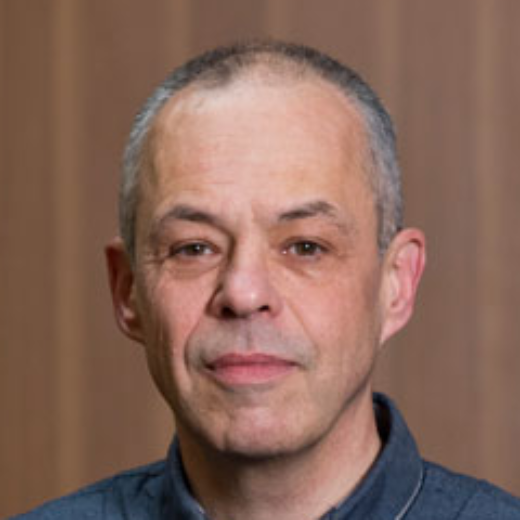
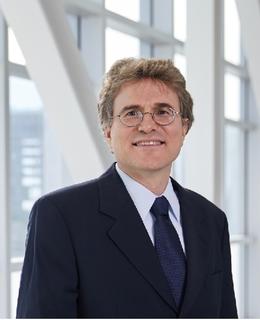
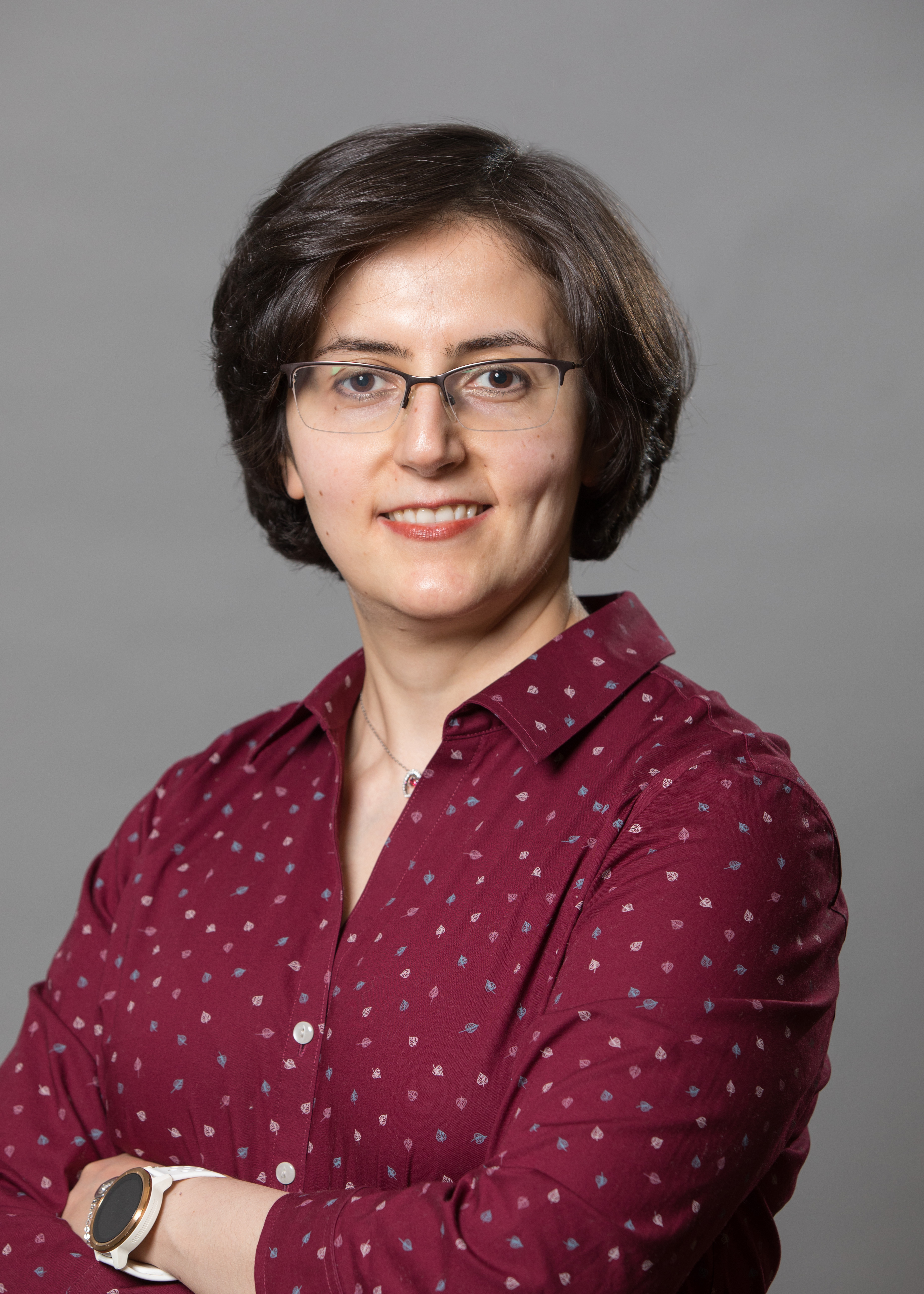
Werner Nutt is a Professor at the Free University of Bozen-Bolzano , Italy, affiliated with the Faculty of Computer Science since 2005. He previously held academic positions as a Reader at Heriot-Watt University (2000-2005), Visiting Professor at Hebrew University of Jerusalem, and Research Scientist at DFKI (1992-2000). Current Role: Professor, Free University of Bozen-Bolzano Past Roles: Reader (Heriot-Watt), Visiting Professor (Hebrew University), Research Scientist (DFKI) Research Interests focus on Data Management , Knowledge Representation , and Intelligent Information Extraction , with emphasis on modeling Construction Processes and ensuring Data Quality . His work bridges Semantic Web technologies with Business Process Management , notably through the COCkPiT project (2017-present) for construction process optimization. Key Contributions include foundational work on Query Completeness in databases, SPARQL Reasoning , and Semantic Diagnostics . He has published extensively in venues like ISWC , BPM , and CIKM , with an h-index of 35 on Google Scholar. His 154+ publications span topics from Probabilistic XML to Construction Process Modeling .
Kai Fong Ernest Chong is an Assistant Professor in the Information Systems Technology and Design (ISTD) pillar at Singapore University of Technology and Design (SUTD). He also served as an adjunct assistant professor at Nanyang Technological University's Division of Mathematical Sciences. His research focuses on combinatorics, commutative algebra, and artificial intelligence, particularly in algebraic machine reasoning and robust AI systems. He leads SUTD's thrust on the fundamentals of AI systems and has secured over SGD 8.3 million in research grants as principal investigator (PI) or co-investigator (Co-I). Ernest holds a PhD in Mathematics from Cornell University (2015) under Edward Swartz. He has extensive teaching experience, including courses on algorithms, discrete mathematics, and probability. His work includes pioneering algebraic machine reasoning, connecting commutative algebra to AI, and developing frameworks for federated learning and robustness against data noise. Notable achievements include a 2023 breakthrough in algebraic machine reasoning surpassing human performance in IQ test tasks and a 2003 National Science Talent Search Grand Prize for his work on twin primes. He supervises numerous PhD, master’s, and postdoctoral researchers and actively collaborates with industry partners through projects like ASTRALIS and Alpha-DRACONIS.
Julian Scott Yeomans is a Professor of Operations Management & Information Systems and Director of the Master of Business Analytics (MBAN) and Master of Management in Artificial Intelligence (MMAI) programs at the Schulich School of Business, York University. He holds degrees in management science, environmental engineering, business, and statistics. His research focuses on sensitivity analysis, simulation decomposition (SimDec), and their applications in decision support systems. He has authored 6 books and over 140 journal articles, with recent funding (2022-2027) and support (2024-2027). Research interests include artificial intelligence, business analytics, environmental management, and sustainability. His work on SimDec addresses global sensitivity analysis challenges, providing a visual and computational tool for diverse fields like finance, engineering, and policy-making. Collaborations include studies on nuclear energy, 3D printing in construction, and cancer data analysis. Key contributions include the 2024 book Sensitivity Analysis for Business, Technology, and Policymaking , which details SimDec's methodology and real-world case applications. Open-source tools and a web dashboard (simdec.io) facilitate SimDec's adoption. He actively collaborates with industry and academia, emphasizing practical decision-making support and accessibility of sensitivity analysis techniques.
Yaser Oulabi is a researcher at the University of Mannheim's Chair of Information Systems V: Web-based Systems. His work focuses on knowledge base augmentation through web data extraction, particularly developing methods to integrate long-tail entities from web tables into cross-domain knowledge graphs like DBpedia and Wikidata. Key contributions include creating the Time-Dependent Ground-Truth Dataset for evaluating temporal data fusion and curating the Web Tables for Long-Tail Entity Extraction benchmark. His research addresses challenges in entity resolution for sparse datasets, temporal metadata estimation using knowledge-based trust metrics, and weak supervision approaches for identifying rare entities. Dr. Oulabi's frameworks enable structured web data consolidation across domains through innovative conflict resolution and version management techniques. Recent publications examine how web table characteristics influence knowledge base expansion potential and develop data programming methods for entity extraction in low-resource domains.
Dr. Anna Primpeli is an Alumni Researcher at the University of Mannheim's Data and Web Science Group within the School of Business Informatics and Mathematics . Her research focuses on data extraction, integration, and entity matching, with particular emphasis on leveraging active learning and semantic web technologies. She contributes to large-scale benchmark datasets such as the Web Data Commons series, which provide foundational resources for entity resolution and data mining. Her work often intersects with practical applications in product data integration and web-scale data analysis. Teaching contributions include courses on Web Mining , Data Mining , and Large-Scale Data Integration , reflecting her expertise in both theoretical and applied aspects of data science. Key research trends in her publications include improving entity matching through active learning techniques, developing robust benchmarking frameworks, and utilizing schema.org annotations for scalable data integration. She has collaborated extensively with colleagues like Christian Bizer and contributed to initiatives like the MWPD2020 Semantic Web Challenge.
Gary R. Fleisher is the Physician-in-Chief at Boston Children’s Hospital and holds the Egan Family Foundation Professorship in Pediatrics at Harvard Medical School. His roles combine clinical leadership, academic research, and medical education. He graduated from Jefferson Medical College in 1973 and completed residencies and fellowships at the Children’s Hospital of Philadelphia. Research Interests: Dr. Fleisher’s work spans pediatric emergency medicine, disaster preparedness, infectious diseases, and healthcare systems innovation. He has pioneered research in bioterrorism response, pediatric trauma management, and genomics integration in healthcare. His recent focus includes optimizing emergency care protocols and advancing interoperable healthcare systems through initiatives like the Genomics Research and Innovation Network. Publications Trends: His 15 most recent articles (2003–2023) emphasize leadership in pediatric emergency care, disaster medicine, and medical education. Key themes include optimizing imaging practices in trauma, evaluating diagnostic algorithms for infections, and addressing systemic challenges in healthcare management. Scientific Awards: Egan Family Foundation Professorship Advising & Grants: While no formal students are listed, his research has been supported by grants focused on pediatric emergencies and bioterrorism preparedness. He collaborates with teams at Boston Children’s Hospital and Harvard Medical School. Labs/Teams: Leads interdisciplinary projects in the Center for Biopreparedness and collaborates with the Genomics Research Network to develop federated learning systems for healthcare data.
Emmanuel Stefanakis is a Professor and Department Head of Geomatics Engineering at the Schulich School of Engineering, University of Calgary. He holds a PhD in Electrical and Computer Engineering (National Technical University of Athens, 1997), an MScE in Geodesy and Geomatics Engineering (University of New Brunswick, 1994), and a Dipl.Eng in Rural and Surveying Engineering (National Technical University of Athens, 1992). His research focuses on Geospatial Data Science, Discrete Global Grid Systems (DGGS), GeoAI, and applications of Geomatics in natural hazards, transportation, and climate change . He has led over 140 student projects and authored/co-authored five textbooks and 150+ articles. Notable awards include the 2023 Canadian Cartographic Association’s Award of Distinction and the 2023 UCalgary Teaching Excellence Award. Recent articles emphasize high-performance trajectory analysis, DGGS integration, and geospatial quantum computing . His work bridges theoretical advancements with practical tools for flood modeling, epidemiology, and urban planning. Grants include NSERC Discovery Grants and collaborations with industry partners like McElhanney Ltd. Professional memberships span the Canadian Institute of Geomatics, Canadian Cartographic Association, and APEGA. He served as Editor-in-Chief of Cartographica (2014–2022) and actively contributes to international conferences on geoinformatics. His educational initiatives include innovative course designs in online and distance learning. Current roles include leadership in the HALOS and Geospatial Quantum Computing projects, advancing geomatics engineering education in the digital era.
Dr. Thomas M. Link serves as Professor and Division Chief of Musculoskeletal Radiology at the University of California, San Francisco (UCSF) in the Department of Radiology and Biomedical Imaging, with additional leadership roles as Director of the T32 Program, Clinical Director of the Musculoskeletal and Quantitative Imaging Research (MQIR) Group, and Co-Director of Clinical & Translational Musculoskeletal Imaging. His educational foundation includes an M.D. from Johannes Gutenberg University (1987), clinical training at Groote Schuur Hospital (University of Cape Town), multiple German radiology residencies, and a Ph.D. from University Hospital Muenster. Following a UCSF fellowship (1996) and Visiting Associate Professorship (1999-2001), he joined UCSF in 2003 after serving as Vice-Chair of Radiology at Technical University of Munich. Dr. Link's research centers on translational musculoskeletal imaging through three interconnected pillars: osteoporosis imaging (novel bone quality/density assessment), osteoarthritis and cartilage imaging (prevention of degeneration using high-field MRI), and interventional bone tumor techniques . His work leverages 3.0T/7.0T MRI and MR-guided focused ultrasound to bridge laboratory discoveries with clinical applications, emphasizing quantitative biomarkers for disease progression. His extensive publication record (400+ peer-reviewed articles) reveals current trends in adipose tissue's role in joint degeneration, AI-driven image analysis (particularly GPT-4 for report extraction), and multicenter validation of imaging biomarkers using Osteoarthritis Initiative data, with recent work increasingly incorporating machine learning for diagnostic precision. Scientific recognition includes election to AIMBE College of Fellows (2019), multiple mentoring awards (UCSF Outstanding Faculty Mentoring Award 2019), the Lodwick Award (Harvard 2019), and Distinguished Investigator Award (Academy of Radiology Research 2016), reflecting sustained contributions across research, education, and clinical innovation. As T32 Program Director, he oversees NIH-funded training for imaging scientists while leading MQIR's interdisciplinary team in developing clinical applications. His mentorship excellence is evidenced by the Pathways to Discovery Long-Term Mentor Award (2018) and sustained involvement in collaborative projects like the Osteoarthritis Initiative, demonstrating exceptional grant management across multi-institutional consortia. The MQIR Group under his direction integrates basic scientists and clinicians to translate imaging innovations into clinical practice, with current focus on quantitative MRI biomarkers for early disease detection and MR-guided therapeutic interventions for musculoskeletal disorders.
Maryam Elahi is an Associate Professor in the Department of Mathematics & Computing at Mount Royal University (MRU), part of the Faculty of Science and Technology. She holds a PhD in Computer Science from the University of Calgary (2017), an MSc in Software Engineering of Distributed Systems from KTH Royal Institute of Technology (2009), and a BSc in Computer Engineering from Azad University of Mashhad (2005). Her research focuses on networked and distributed systems, emphasizing performance analysis, dynamic bandwidth allocation, and speed-scaling systems. She has secured grants including the Petro-Canada Young Innovators Award (2022) and the Provost’s Teaching and Learning Enhancement Grant (2023). Education: PhD in Computer Science, University of Calgary (2017) MSc in Software Engineering of Distributed Systems, KTH (2009) BSc in Computer Engineering, Azad University of Mashhad (2005) Her research interests span network performance modeling, real-time systems optimization, and energy-efficient computing. She actively contributes to academic committees for major conferences and has participated in leadership programs like WISE Planet Change Leadership (2021/22). Maryam is passionate about mentoring students, particularly through Mitacs Globalink Internships, fostering their growth in academic and professional careers. Her articles explore topics such as frequency scaling in multilevel queues, fair dynamic bandwidth allocation, and turbocharged speed-scaling mechanisms. These contributions reflect her expertise in optimizing resource allocation in distributed environments while balancing fairness and efficiency.
Lia C. Scott is an Assistant Professor of Epidemiology at the University of California, Berkeley School of Public Health's Division of Epidemiology. Her research focuses on structural and social determinants of breast cancer, particularly in Black women, emphasizing the role of structural racism and geospatial epidemiology in health equity. She holds a PhD and MPH from Georgia State University and a BS from Elizabeth City State University. Dr. Scott has been recognized with the NIH Ruth L. Kirschstein National Research Service Award and the Steven M. Teutsch Prevention Effectiveness Fellowship. Her work integrates spatial analysis to address health disparities, including studies on breast cancer subtypes, geographic accessibility of cancer services, and the impact of socioeconomic factors on health outcomes. Notable projects include evaluating the distribution of breast and cervical cancer screening programs in high-burden areas and analyzing racial disparities in triple-negative breast cancer diagnosis through multilevel frameworks. Dr. Scott’s recent research spans the intersection of public health crises, such as pandemic responses to COVID-19, and long-term cancer surveillance. Her studies highlight innovative methodologies to visualize cancer incidence patterns and assess health literacy’s role in vaccination uptake during pandemics. Her contributions have been recognized through prestigious fellowships and grants, and she actively engages in translational research to bridge epidemiologic findings with actionable public health policies aimed at reducing disparities.
Reynier Peletier is a Professor at the Kapteyn Astronomical Institute, University of Groningen. His research focuses on galaxy formation and evolution, particularly dwarf galaxies in nearby clusters and applying novel computational techniques. He has held leadership roles including Director of the Kapteyn Institute (2011–2016) and Education Director of the Master Astronomy program (2017–2020). He has supervised over 22 PhD students and 10 postdocs, with many continuing in astronomy careers. Education: PhD in Astronomy (1989) and dual master’s in Astronomy and Mathematics (1985) from Leiden University. Prior roles include Lecturer at the University of Nottingham (1999–2003) and Assistant/Associate Professor at University of Groningen (2003–2009). Research interests span stellar populations, galaxy kinematics, and environmental effects on galaxies. Notable projects include the Fornax Deep Survey (FDS), SUNDIAL EU Training Network, and collaborations with Euclid mission. He co-leads the CAVITY project studying galaxies in cosmic voids. Active in light pollution initiatives like the Dark Sky Park Lauwersmeer telescope and EU-funded Interreg projects (Keep it Dark and Darker Sky). Key awards include the Royal Astronomical Society Group Achievement Award (2013) and Senior Teaching Qualification (2019). He serves on boards of the Isaac Newton Group of Telescopes and the Royal Netherlands Astronomical Society. Teaching responsibilities include Numerical Methods for Bachelor students and coordinating instrumentation internships for Master students. Major collaborations: Euclid mission (SWG LU-WP6 lead), SAURON Collaboration, X-Shooter Stellar Library Over 380 research publications and 12 media engagements Organized conferences like Lorentz Workshop on Metals in Galaxies and Netherlands Astronomy Conference
Andrew Barton is an Associate Professor in the Integrative Oceanography Division at the Scripps Institution of Oceanography, UC San Diego. His research focuses on marine plankton physiology and ecology, climate impacts on marine ecosystems, and interactions between plankton and biogeochemical cycles. He holds a BA from Cornell University, an MS from Cornell, and a PhD from MIT. Education: B.A. Science of Earth Systems, Cornell University M.S. Geological Sciences, Cornell University Ph.D. Climate Physics and Chemistry, Massachusetts Institute of Technology Research interests include marine macroecology, biogeography, biodiversity, and the physiological responses of marine microbes to environmental changes. His work emphasizes the interplay between plankton communities and global biogeochemical cycles under climate variability. Recent studies explore microbial dispersal mechanisms, harmful algal bloom drivers, and Arctic Ocean plankton dynamics. Publications highlight advancements in trait-based modeling frameworks (e.g., XSO and Phydra libraries) and interdisciplinary approaches to understanding plankton behavior and ecosystem resilience. His research integrates field observations, satellite data, and computational models to address pressing marine ecological questions.
Anela Choy is an Associate Professor in the Integrative Oceanography Division at the Scripps Institution of Oceanography, UC San Diego. Her research focuses on deep-sea biology, ecosystem dynamics, and environmental toxicology, with expertise in pelagic food web structure, mercury bioaccumulation, and microplastic pollution impacts. She holds a PhD in Oceanography (2013), M.Sc. (2008), and B.A. (2004) from the University of Hawaii. Her work integrates stable isotope analysis, DNA metabarcoding, and eDNA methods to study organic matter flow, predator-prey interactions, and the effects of environmental change and fishing on marine ecosystems. Notable research includes investigating mercury in tuna, microplastic distribution in food webs, and the role of gelatinous organisms in midwater ecosystems. Key contributions address global environmental policies like the Minamata Convention, pollution monitoring via bioindicators, and promoting diversity in ocean sciences through initiatives like Ho‘okele ka Wa‘a. She leads the Choy Lab and collaborates on projects such as the SiphWeb database and DEEPC cruises.
Georgios J. Fakas is an Associate Professor (Docent) in the Department of Information Technology at Uppsala University, Sweden, where he leads the Uppsala DataBase Laboratory (UDBL). He has held academic positions at prestigious institutions including the Hong Kong University of Science and Technology, EPFL, UMIST, University of Cyprus, and Manchester Metropolitan University, where he served as a Senior Lecturer. Education: Ph.D. in Computation, UMIST, Manchester, UK (1998) M.Phil. in Computation, UMIST, Manchester, UK (1996) B.Sc. in Computation, UMIST, Manchester, UK (1995) His research spans big data, keyword search on structured and graph data, spatial databases, web and geo-social search, workflow management, and data summarization . He also explores applications in educational technologies, distance learning, and health informatics. His work emphasizes efficient, user-centric data access and intelligent querying paradigms. The 15 most recent publications highlight a sustained focus on keyword search, object summarization, spatial and semantic data, and ranking , published in top venues like SIGMOD, VLDBJ, IEEE TKDE, and PVLDB. His work integrates algorithmic innovation with practical database applications. Scientific Awards: International Sabbaticals grant from Teknat (2023), hosted by Boston University Fellowship 'Hosting of Experienced Researchers from Abroad' from RPF, Cyprus (2009) ERCIM Fellowship (2001), hosted by EPFL, Switzerland He is actively involved in PhD supervision and grant leadership. He currently serves as Principal Investigator for an eSSENCE-funded project on Data-intensive analytics for discovering critical minerals using Machine Learning , in collaboration with industry partners. He has supervised multiple PhD students to completion, including Georgios Kalamatianos, Khalid Mahmood, Zhi Cai, and Ben Cawley. He is a frequent reviewer for leading journals and serves on program committees of major conferences such as ACM SIGMOD and PVLDB. He leads the Uppsala DataBase Laboratory (UDBL) , a research group focused on advanced data management systems, where he mentors students and drives innovation in database technologies.
Manolis G.H. Katevenis is a Professor at the Department of Computer Science, University of Crete, and the founder and Head of the Computer Architecture and VLSI Systems (CARV) Laboratory at the Institute of Computer Science (ICS), Foundation for Research and Technology – Hellas (FORTH) in Heraklion, Crete, Greece. He has held academic positions since 1986 and played a pivotal role in establishing the Computer Science Department at the University of Crete. His research spans computer architecture, interconnection networks, VLSI systems, and high-performance computing, with a strong focus on scalable, low-power, manycore systems and RISC-V. He has led numerous European R&D initiatives, including serving as Coordinator of the ExaNeSt project. PhD in Computer Science, University of California, Berkeley (1983) MSc in Electrical Engineering and Computer Science, University of California, Berkeley (1980) Diploma of Electrical Engineering, National Technical University of Athens (1978) Manolis Katevenis's research focuses on advancing scalable system architectures for high-performance and big data computing. His work in computer architecture includes RISC-V, exascale computing, and manycore systems. He has made foundational contributions to interprocessor communication, particularly through remote-write, remote-DMA, and remote-enqueue mechanisms, and has pioneered innovations in interconnection networks and low-latency network interfaces. His research integrates hardware and software co-design to optimize performance, energy efficiency, and scalability in large-scale computing systems. The recent publications highlight a strong trend in exascale computing, interconnection networks, and FPGA-based prototyping of manycore systems. His work emphasizes scalable, low-power architectures, with recurring themes in congestion management, fair scheduling, crossbar design, and hardware-software integration for HPC. The articles span high-impact journals such as IEEE/ACM Transactions on Networking, IEEE Micro, and Computer Networks, reflecting sustained contributions to computer architecture and networking. ACM Doctoral Dissertation Award (1984) David J. Sakrison Memorial Prize (1983) IBM PhD Fellowship (1981–1983) Greek State Fellowship (1973–1978) Stelios Pichoridis Award for Outstanding University Teaching (2015) Member of Academia Europaea (elected 2012) Award by the Secretary General of the Region of Crete (2003) IEEE Milestone recognition for the RISC Project (2015) Manolis Katevenis has supervised over 50 graduate theses and mentored many prominent Greek computer architects, including recipients of the ACM Maurice Wilkes Award. He has served as Principal Investigator or co-PI in over 30 R&D projects with a total budget exceeding 18 million euros, including major European initiatives such as ExaNeSt (which he coordinated), EuroEXA, EcoScale, SARC, ENCORE, and multiple HiPEAC Network of Excellence projects. His leadership extends to project coordination, architectural design, FPGA prototyping, and systems software development. Katevenis founded and leads the CARV Laboratory at FORTH-ICS, a major research team with 80–100 members focused on computer architecture and VLSI systems. The lab has spun off the Distributed Computing Systems (DCS) Laboratory and is central to European exascale computing efforts, including participation in the European Processor Initiative. CARV has developed large-scale prototypes such as the 768-core ExaNeSt system and the Formic FPGA platform for manycore research.